There is always someone fighting a tougher battle.
15 yr old Max Immelman is bravely battling leukaemia in the same isolation ward where I had my stem cell transplant. His attitude is incredible.
Attitude matters. Support matters.
Keep fighting whoever you are. We are with you.
@OscarChalupsky@IMFmyeloma@Mediclinic As Max says 'take the hit' to get some relief earlier. Delaying treatment just makes it so much harder.
@OscarChalupsky continues to be an inspiration to all cancer sufferers 👍
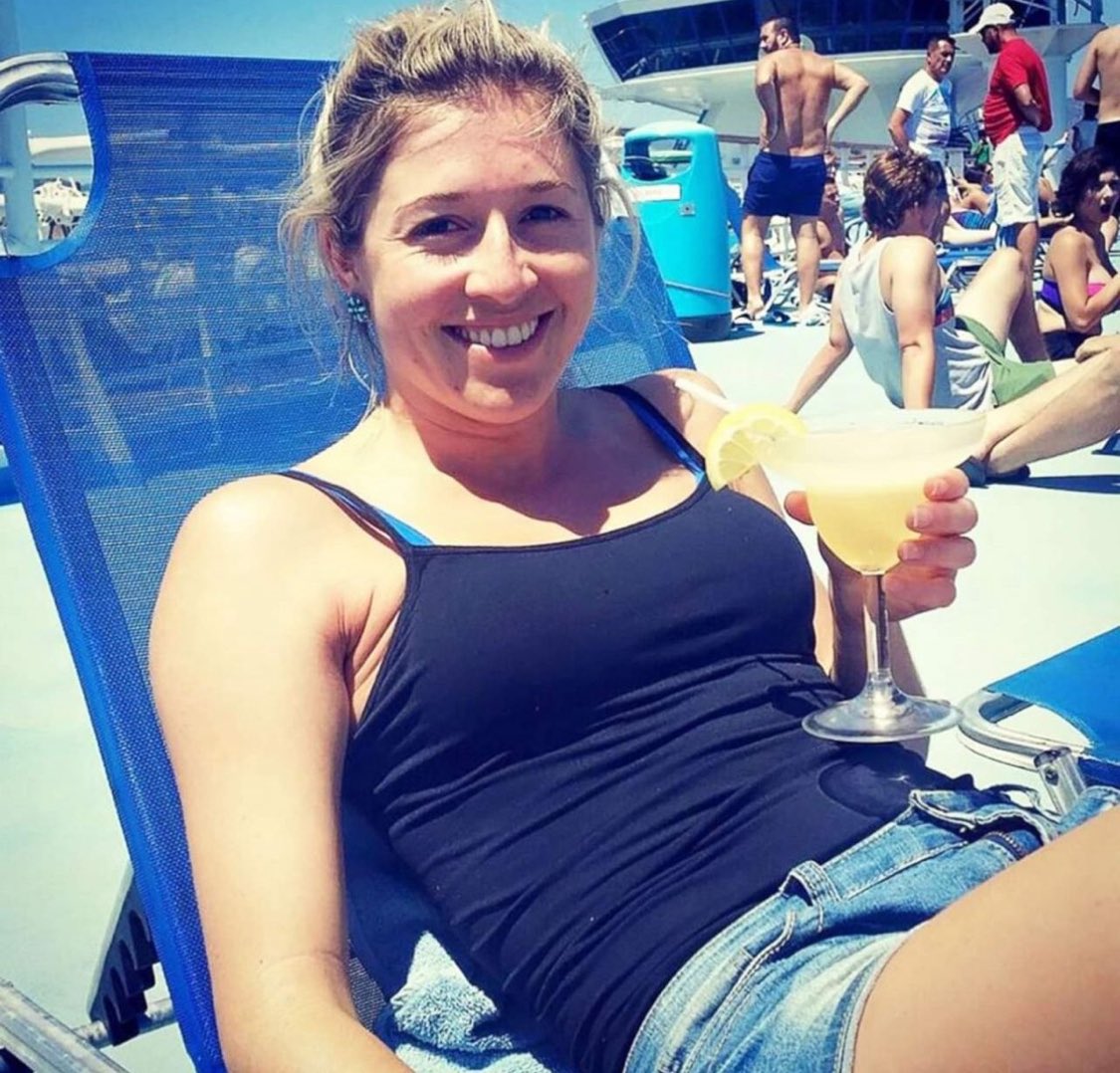
A final piece of advice from Holly Butcher - written the day before she passed away from cancer at just 27:
“It’s a strange thing knowing you’re going to die young.
At 26, I thought I had time…
To fall in love.
Start a family.
Grow old.
But cancer doesn’t care about plans.
Now, I understand how fragile life really is. Every single day is a gift, not a guarantee.
I’m not writing this to scare you. I’m writing to remind you: really live.
Stop stressing over little things. Be kind to your body- move it, nourish it, stop criticizing it. One day you’ll wish you had appreciated it.
Go outside.
Look at the sky.
Feel the sun.
Just be.
Spend less time chasing “stuff” - more time making memories. Don’t skip moments with people you love.
Laugh more.
Write a note.
Tell someone you love them.
Complain less.
Give more.
Helping others brings more joy than anything you can buy.
Be present.
Put your phone down.
Show up - really show up.
You don’t need to have it all figured out. You don’t need a perfect body, or a perfect life.
Just follow what makes your heart light up. Say no to what drains you. Make changes when you need to.
And please - donate blood. I wouldn’t have had that extra year without it. And that year gave me memories I’ll hold close… forever.
Thank you for reading this.
Live your life well.
And maybe… we’ll meet again someday.”
Holly 🩷
Repost & share Holly’s important advice. ❤️
Research suggests that up to 40% of cancer cases could be prevented through lifestyle changes.
The evidence is now overwhelming: exercise is not just supportive—it’s a therapeutic intervention that recalibrates tumor biology, enhances treatment tolerance, and improves survival outcomes.
Today’s interview features Dr. Kerry Courneya.
With over 600 peer-reviewed studies, he is one of the most influential figures in exercise oncology. Even if you aren't someone who has personally experienced cancer in one form or another, you need to watch this episode.
Episode 99 is Available now on X, YouTube, Spotify, and Apple Podcasts.
Chapters:
0:00 - Introduction
1:47 - Why exercise should be effortful
2:33 - How to meaningfully reduce risk of cancer
6:22 - What type of exercise is best?
7:59 - How exercise reduces risk—even for smokers and the obese
10:48 - Weekend-only exercise
13:49 - 150 vs. 300 minutes per week (more is better—up to a point)
16:03 - Why pre-diagnosis exercise matters
19:09 - Why resilience to cancer treatment starts with exercise
21:01 - Why low muscle mass drives cancer death
23:58 - Why BMI fails to measure true obesity
27:51 - Why daily activity isn't enough (structured exercise matters)
29:34 - Breaking up sedentary time—do ‘exercise snacks’ help?
31:50 - Supplements vs. exercise
32:32 - Where exercise fits with chemo and immunotherapy
35:30 - Why rest is not the best medicine
41:20 - Aerobic vs. resistance
42:13 - How weight training improves 'chemo completion'
44:41 - Why exercise creates vulnerability in cancer cells (limitations do apply)
47:09 - Why exercise might be crucial for tumor elimination
53:03 - Why cardio may be better at clearing tumor cells
56:18 - When cancer spreads quickly—and when it doesn't
57:43 - Why liquid biopsies may prevent over-treatment
1:02:56 - Exercise-sensitive vs. exercise-resistant cancers
1:06:06 - Prostate cancer therapy—why strength training matters
1:08:10 - When exercise is the only therapy—does it work?
1:09:26 - Why HIIT reduces PSA in prostate cancer
1:11:40 - Avoiding overtreatment—can exercise buy you time?
1:12:00 - Why high-intensity exercise boosts anti-cancer biology
1:13:11 - Turning a diagnosis into a wake-up call
1:16:11 - Why oncologists are rethinking exercise
1:18:50 - Why exercise eases anxiety about cancer—proven psychological benefits
1:25:00 - Before, during, and after treatment
1:27:02 - Why exercise is unique among cancer therapies
1:28:16 - Why cancer patients stop exercising—the risky mistake almost everyone makes
1:30:41 - How to get sedentary cancer patients exercising (realistically)
1:33:15 - The $1 million case for including exercise
1:34:56 - Why recurrence trials haven't convinced doctors—yet
1:37:36 - The bottom-line message
1:37:55 - The myth of a cancer panacea (exercise included)
1:44:07 - What's the best $50 investment for staying active?
1:44:40 - Only 15 minutes per day—what’s the best anti-cancer exercise?