This new thorough resource compiles info from scientific research studies, pandemic experts, intergovernmental organizations and more detailing how shifting away from animal exploitation is logically our best pandemic prevention measure available. #COVID19 https://t.co/TNCuLvQs3V
Many have recently claimed the (in)famous study forecasting crashes of global fish populations as early as 2048–and generating enormous controversy in marine science—has been retracted or corrected. It has not.
https://t.co/64YrFUIaWh
"Conflict with ranchers is only the tip of the iceberg, as anti-wolf sentiment has become a strong cultural phenomenon since the moment colonizers arrived in North America." #GreyWolf#GreyWolves
Learn more about grey wolves:
https://t.co/H9EovoBHdd
I’m frustrated that @SierraClub would promote this pseudoscientific documentary. They know it’s misleading hype. The only “cure” to climate change is better wilderness protection and a complete reworking of our energy systems and food choices.
If there is one crucial environmental metric, it's the amount of land we use to produce our food.
Farming is the greatest cause of loss of terrestrial habitats and biodiversity. Livestock farming - because it needs so much land - is the major driver.
https://t.co/RlGNY91mUF
I won't be writing my Guardian column in February or March, as I'm working on my book about feeding the world without devouring the planet. It’s the most fascinating, frightening and surprising topic I’ve ever investigated. Every day I stumble on something weird and wonderful.
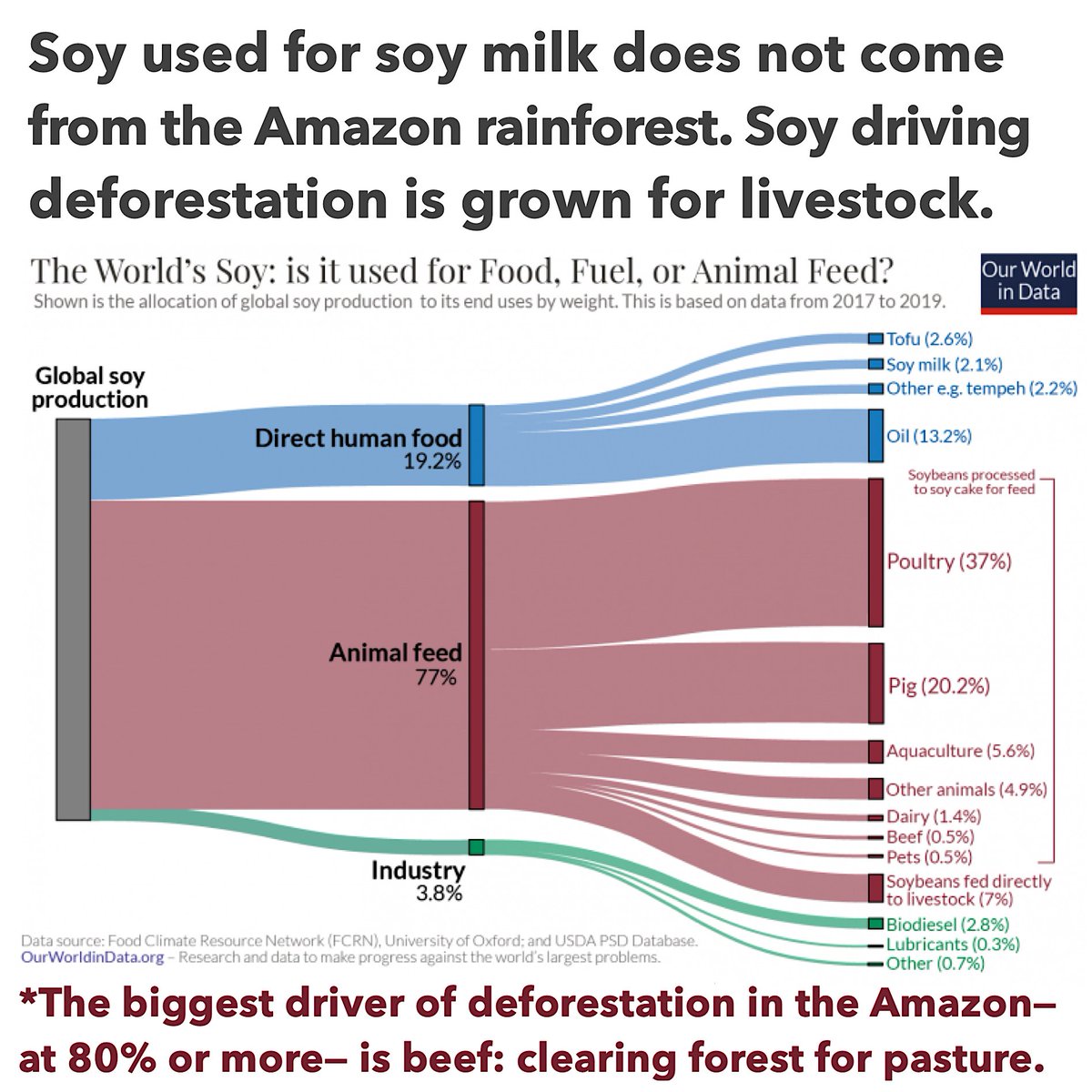
There has been so much dairy disinformation linking soy milk & deforestation that even vegan sites often incorrectly report this. Only 2% of global soy is used for soy milk, & in U.S. & many countries, soy milk brands mainly source their soy domestically: https://t.co/QgzoOnV0UT
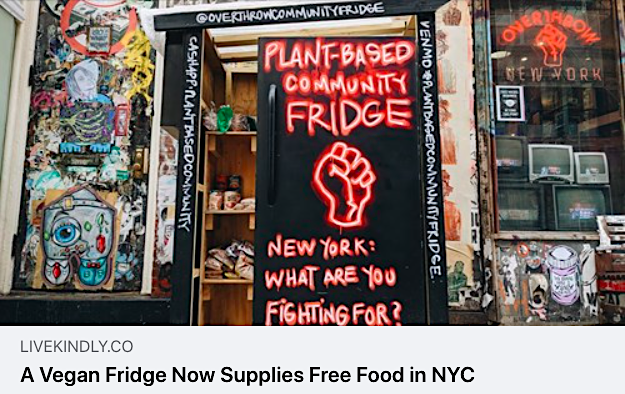
The #plantbased fridge & pantry provide free produce, canned goods, and items like legumes, rice, & beans. The pantry also supplies #vegan clothing & toiletries. Items are available 24 hours a day and are free to anyone in need: https://t.co/hUDKJDAOQE
@Karmageddon67@_HannahRitchie Increasing # of people *eating livestock-centric diets* unsustainably strains planet because livestock foods are land/resource-intensive and plant foods are land/resource-sparing. Affluent nations “decreased” livestock consumption levels are still FAR > rising levels elsewhere.
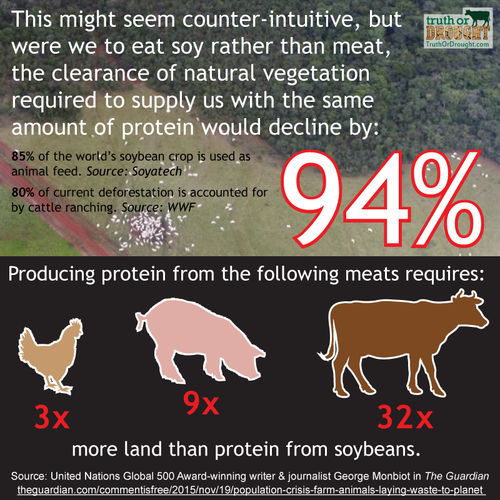
Soy is one of the leading drivers of deforestation.
People often think of soy milk, tofu & similar products. But these make up only 4% of soy consumption.
More than three-quarters (77%) of global soy goes to animal feed.
From our work on deforestation: https://t.co/c7h2RPqbK6
@Karmageddon67@_HannahRitchie Demand for soy-fed livestock foods is driving soy demand. The law of energy transfer in food chains dictates that. Unlike soy-fed animals, vegan soy food production can sustainably scale for large populations since soy is among the most land-efficient sources of protein on Earth.
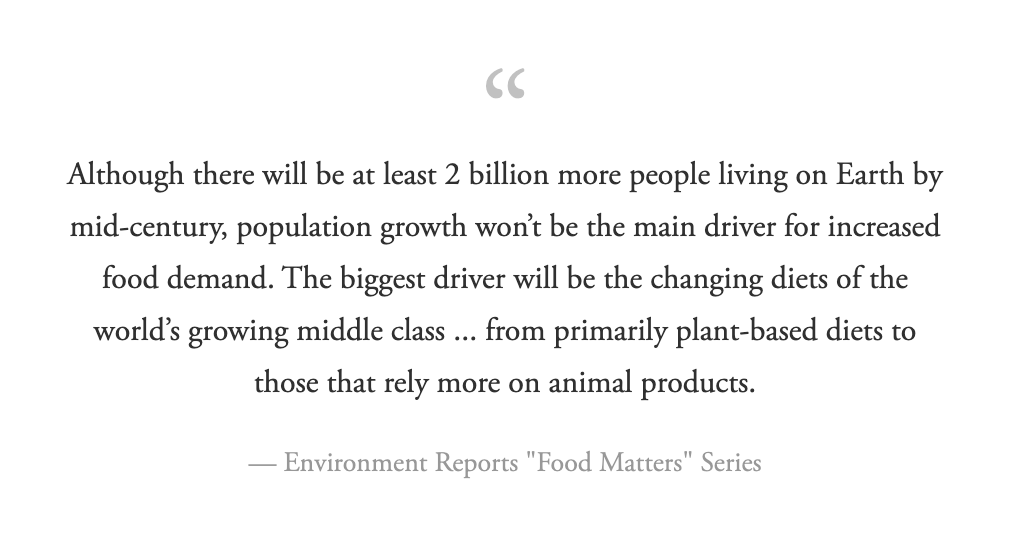
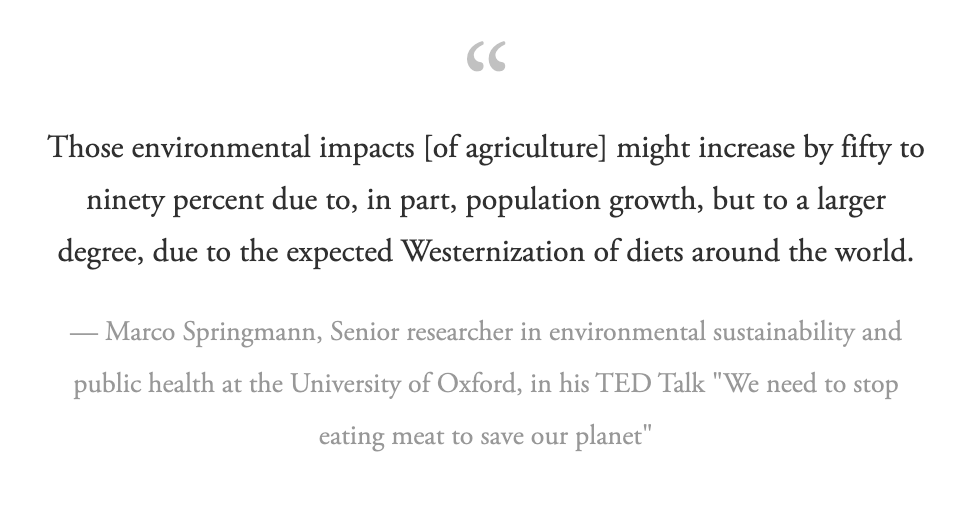
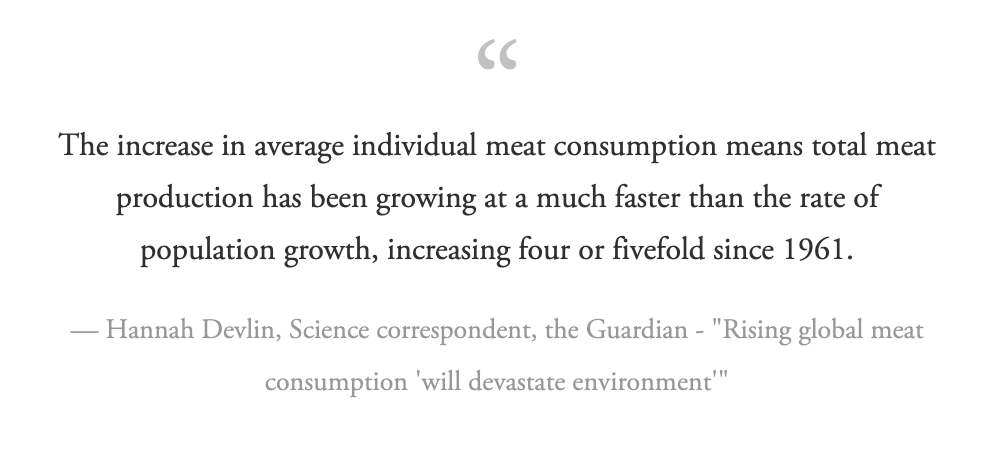
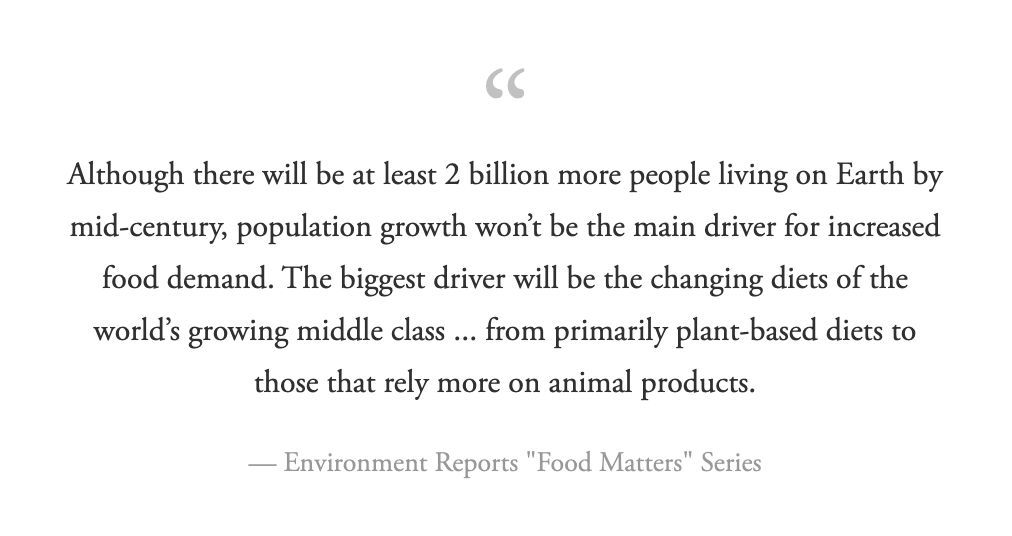
@Karmageddon67@_HannahRitchie Researchers specify that unsustainable agricultural demands are NOT being driven by the growing global population as much as its increasing orientation toward more livestock-centric diets, which are globally associated with wealth and higher status. https://t.co/sNJUAMzPzA
@saschakaupp @_HannahRitchie@Laird_Dave Reducing livestock consumption, esp. livestock heavily reliant on soy-based feed, would DRAMATICALLY reduce demand for soy/overall agricultural land use requirements regardless of demand for vegan soy foods; per scientific law only a small % of energy reaches top of a food chain.
➡️"You can’t simply start farming more sustainably and expect to produce enough meat to satisfy growing demand."⬅️ A point not made nearly enough. People still say, "we don't need less meat, we need better meat." That would only be possible by colonizing additional planets.
Two new studies suggest the way we eat threatens the habitats of thousands of species. The scope of this loss would be devastating but there is good news. We can avoid most of it by changing how we eat and how we farm. My story for @voxdotcom: https://t.co/H1hRbzOT8O
Swine flu, which caused a global #pandemic in 2009, is still around & scientists have found new variants with what they call "the building blocks of a pandemic." Pandemics + biodiversity & climate disasters = we must shift to sustainable #plantbased diets https://t.co/3zhutnVfmw
Underutilized crops hold untapped solutions for feeding the world in an environmentally conscious and economically sustainable way. In every region of the world, neglected indigenous crops are more climate adaptable & resilient; & often more nutritious. https://t.co/SXl8r6qDCX
I want a 100% vegan cooking show on the @FoodNetwork! 🍌🥦🍅 I love watching vegan chefs on YouTube, but it's past time that The Food Network airs a plant-based program. Sign and share this petition if you agree: https://t.co/7q24sUkjxe
In the last 100 years, the world lost as much forest as it had in the previous 9,000 years. This is largely with animal agriculture in the driver's seat.
There's optimism in shifts to #wfpb, cultured, & plant-based meats that free up huge amounts of land. https://t.co/1u5w6URe7i
This is astounding: Dairy farmers in Canada are feeding large amounts of palm oil to mother cows to up the fat content of their milk. Several farmers have anonymously confirmed this to @JdeMontreal, although none would let their names be used. https://t.co/s9LYkIAx7V?
So during a global zoonotic pandemic that has killed almost 500,000 in the US alone, including thousands on farms and at slaughterhouses, the plan is to make the meat industry more resilient by ... deregulating interstate trade? It’s shocking how few lessons are being learned.