UI/UX Designers, I just found an excellent set of UX research templates.
These templates are perfect for workshops, research plans, user interviews, and more. They’ll help streamline your research process and make insights more actionable.
Like this post, repost, and comment "Research" to get the link.
My free "Learn to Code and Get a Developer Job" book is now available in Korean.🇰🇷
Tell your Korean-speaking friends they've got a friend in freeCodeCamp.🏕️
A huge thanks to the many thoughtful volunteers who translated this paragraph by paragraph.💯
https://t.co/XFflwfnsnQ
Deploying a web application can be a tedious and complex task - especially if you're always doing it manually.
But what if you could automate the whole process instead?
In this guide, Arunachalam shows you how to setup a CI/CD pipeline for a Next app.
https://t.co/Vk4XpUCZnn
React has over a dozen popular third-party state libraries. React Query, Zustand, Redux, Jotai, Mobx, etc.
Prediction: Third-party React state libraries will become less relevant in 2024.
Why? I see two things "eating" this space:
1. Routers are becoming state managers. Example: @tan_stack router has built in loaders and caching.
2. React Server Components (RSC). RSC enables server-side fetching and caching. Example: @nextjs.
@tan_stack query already taught us - *most state is server state* (data fetched from a server). Both 1 and 2 above handle "server state".
The result: There's typically little state left to manage except for forms, which can typically be handled locally via useState, useReducer, or a form library like React Hook Form.
And there's little need for a global data library, since most global data is "server state" anyway. React's built-in context is often sufficient for any remaining global data. Most global data changes infrequently (user, language, theme, etc), so React's context can handle it.
Bottom line: In 2024, we're less likely to need third-party React state libraries.
The React ecosystem keeps innovating. 👍
코딩을 배워 개발자로 취업하는 방법 2023
https://t.co/BsQQYcVP1c
@ossia 의 책이 한국어로 번역 되었습니다 🇰🇷 13명의 번역/감수 봉사자 여러분들 덕분이죠 🙌 이 책이 많은 분들에게 도움이 되었으면 좋겠습니다 😁
#freeCodeCamp#프리코드캠프
Having a blog can be useful if you're a developer.
It can help educate others, build your online reputation, help you learn new skills, and so much more.
Here, @TheAnkurTyagi talks about the benefits of sharing your knowledge and how to get started.
https://t.co/FuX08FALyy
ChatGPT has become a popular tool among devs for its time-saving abilities.
But if you really want to dig in & get the most out of it, you should use OpenAI's API.
Here, @davidbclinton helps you learn to effectively control GPT in the OpenAI Playground.
https://t.co/uUlMvFst4b
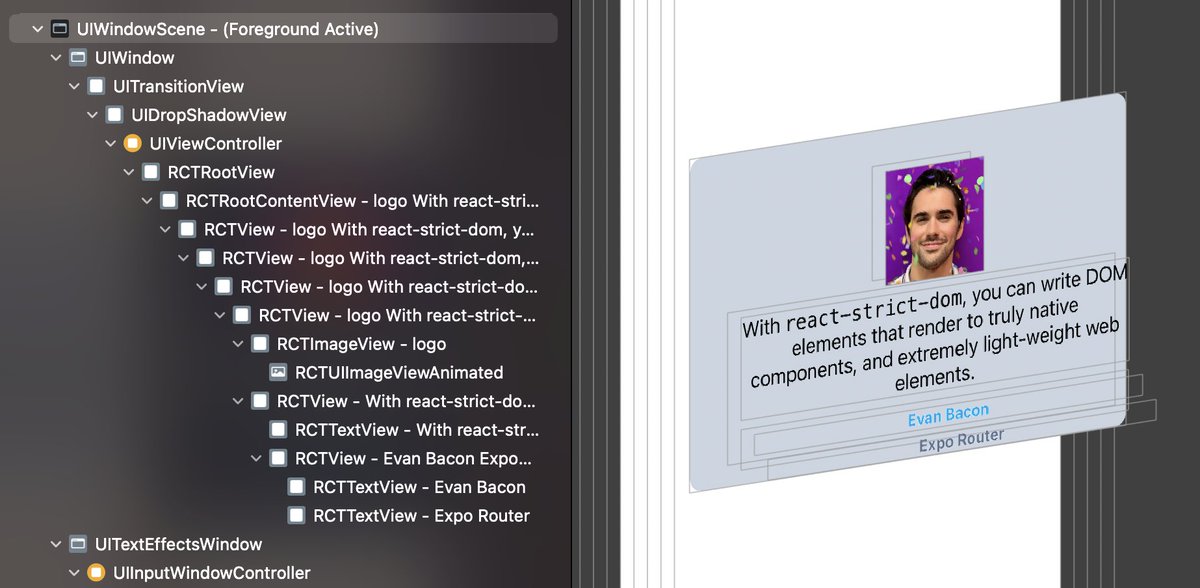
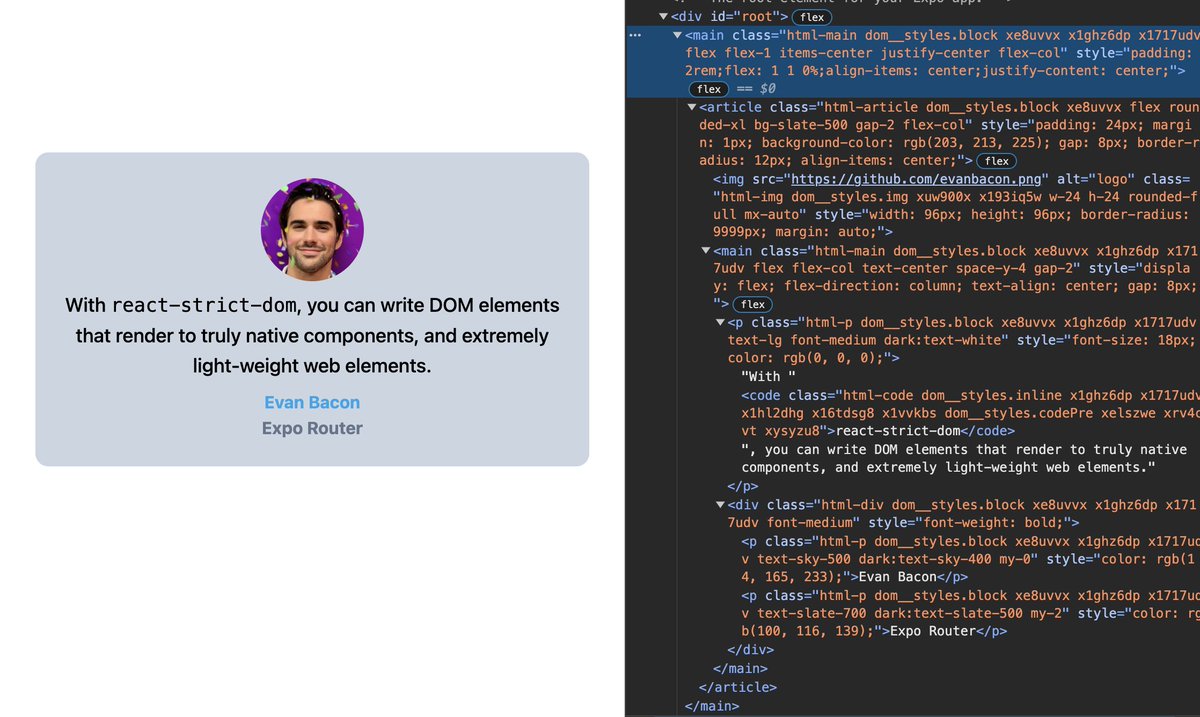
🚀 This is universal React with the new "react-strict-dom" by @Meta (experimental):
◆ Light-weight, web-first API
◆ Truly native components on each platform
◆ No div-soup on web
◆ Fully accessible/indexable primitives
◆ Can be used with Tailwind CSS
React-query problem: I fetched a list and I want to avoid needlessly refetching the same data on my detail page.
Solution: Use setQueryData to pre-populate the detail page cache. Now the detail page loads immediately. 🔥
Example below: This fetches a list of users, then stores each of the user's details in react-query's cache so that the fetch on the details page automatically has a cache hit.
Note: This pattern only works if the list page fetches the same properties as the detail page.⚠️