A comprehensive summary for all the geriatricians and general internists to know about the outcome of largest randomised trial in elderly cohort with NSTEMI https://t.co/qOKKdvV14B
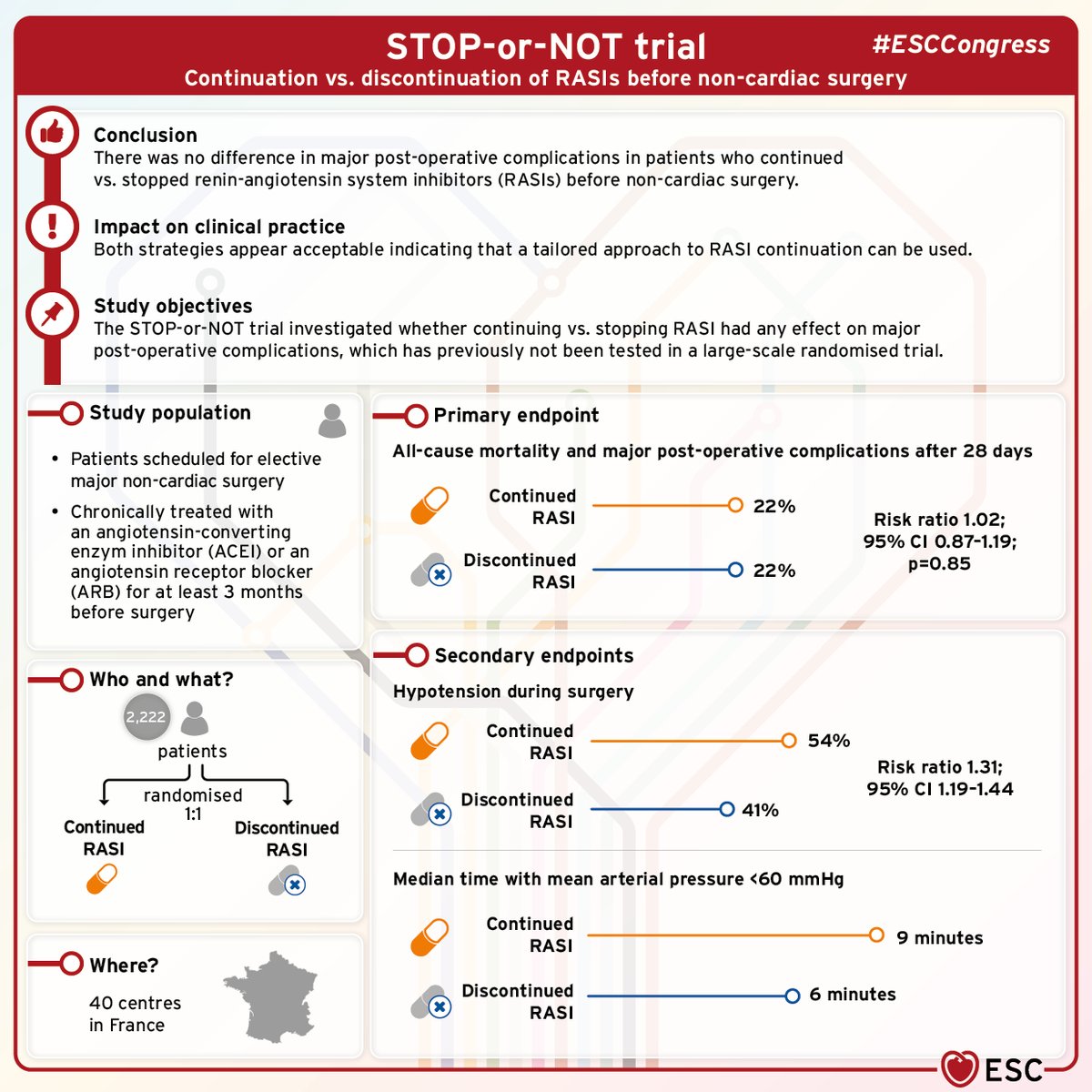
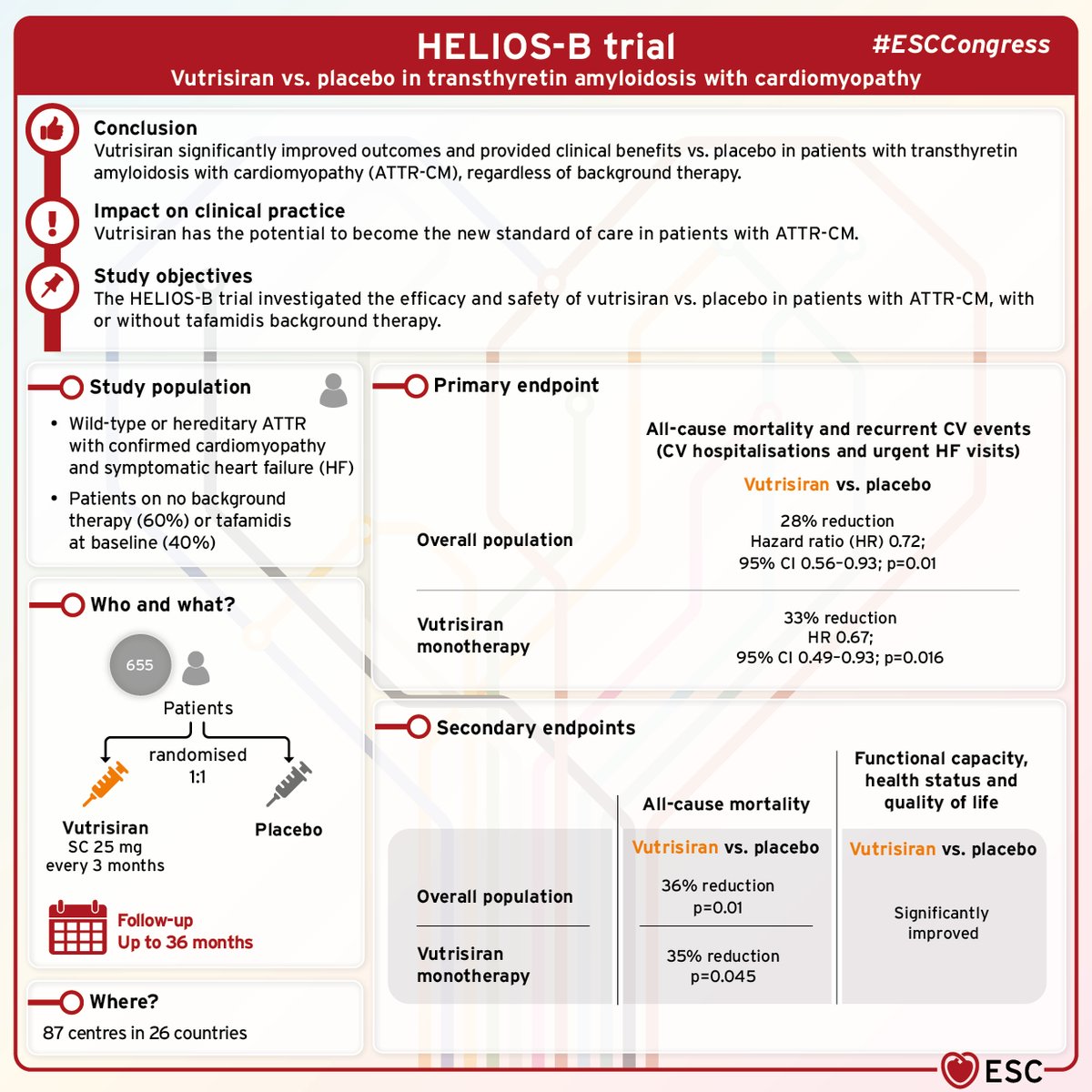
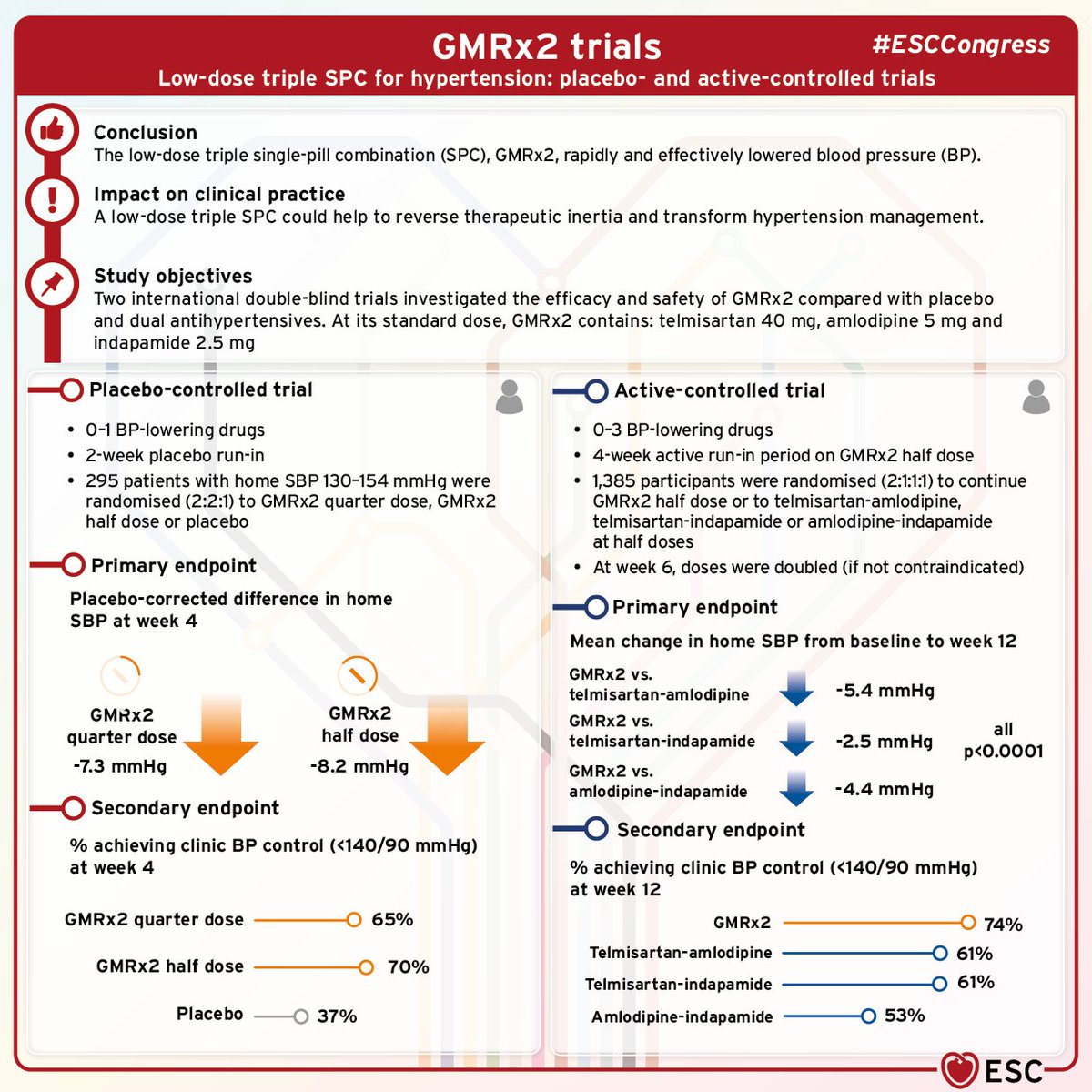
#ESCCongressVisuals for Hotline 1 studies:
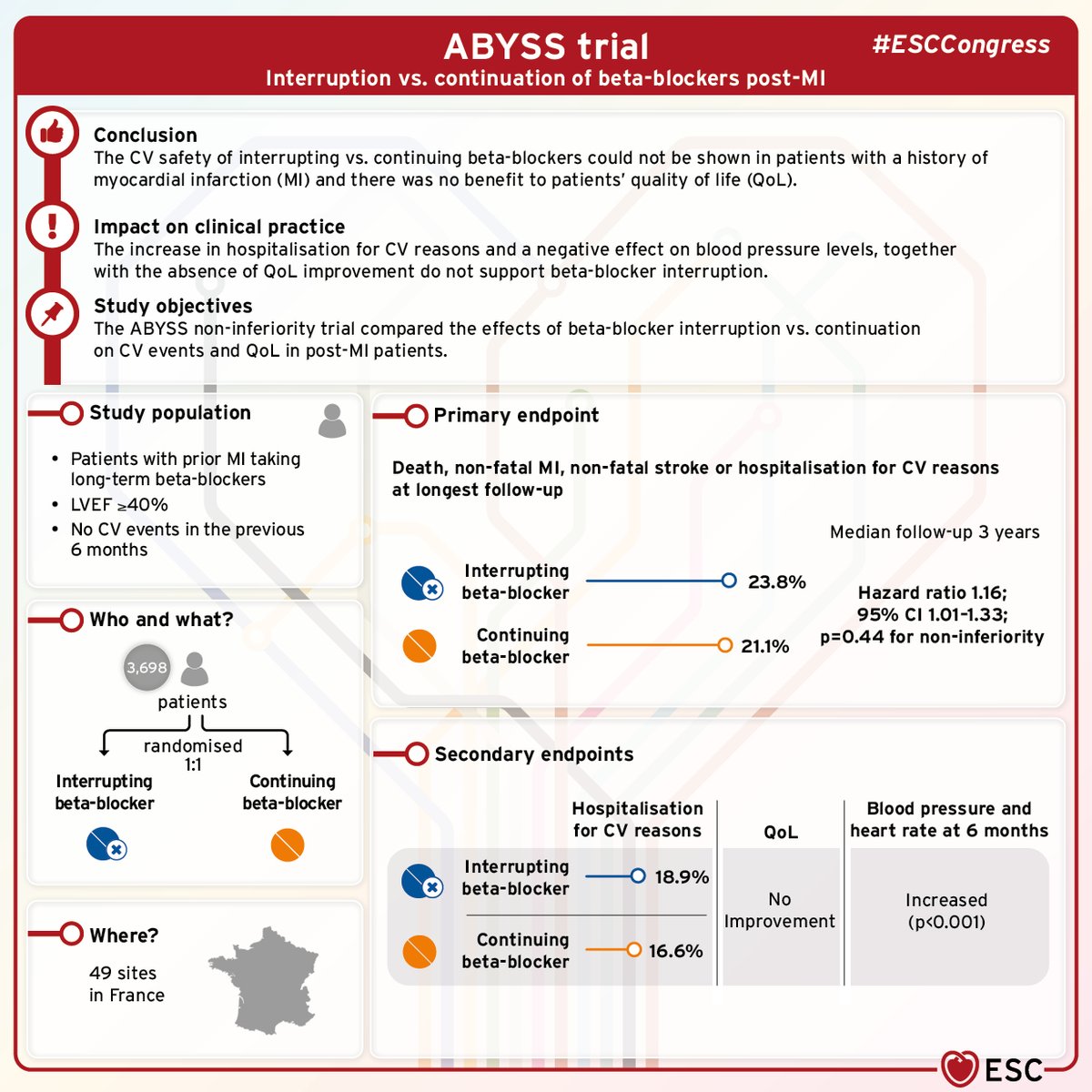
🔵Beta blocker interruption in patients with prior myocardial infarction: results of the ABYSS trial and effect on #BloodPressure and heart rate control
🔵STOP-or-NOT - Impact of renin-angiotensin system inhibitors continuation versus discontinuation on postoperative complications: a multicenter randomised, controlled trial
🔵HELIOS-B - Primary results from phase 3 study of vutrisiran in patients with transthyretin amyloidosis with #cardiomyopathy
#ESCCongress
New 2024 ESC guidelines
1-AF
https://t.co/tLwNQmbCnR
2-Aortic and PAD
https://t.co/y3VL9UGogT
3-HTN
https://t.co/bXWZFcpOU5
4-CCS
https://t.co/ckhLP5BgPD
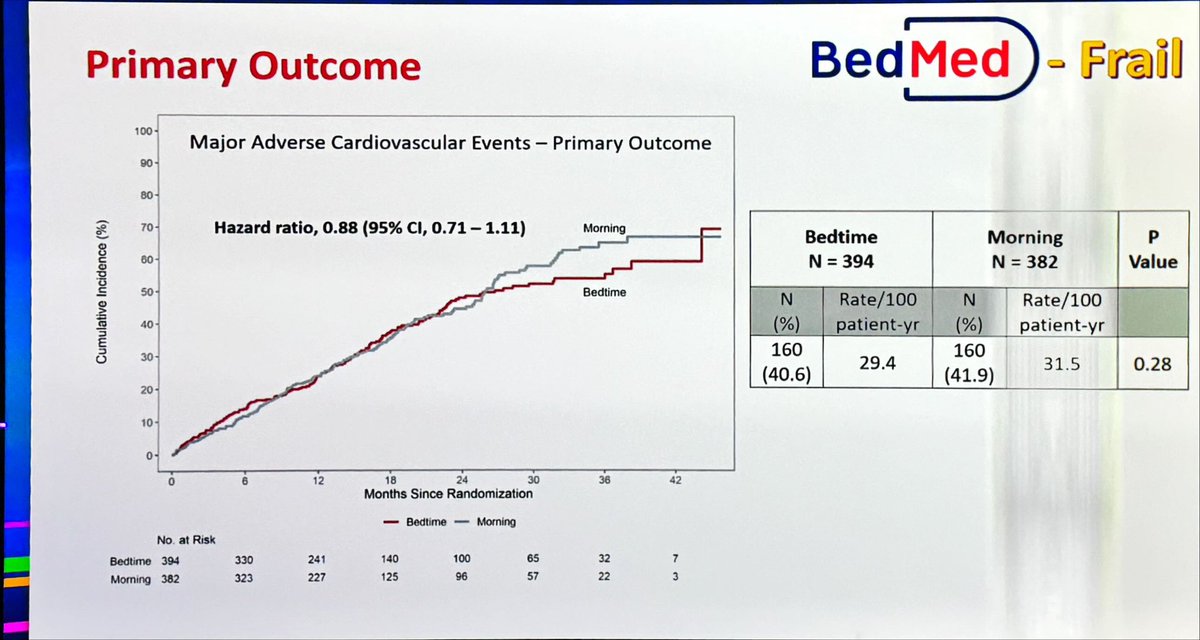
BedmedFrail #LBCT#ESCCongress#LBCT#ESCHotline
📍 776 patients randomized, high pragmatic enrollment
📍⤴️💃🏻-70%+
📍no difference in timing of meds except for all-cause unplanned hospitalisation/ED visits, which favoured bedtime use
Take BP meds when you remember! #CVprev
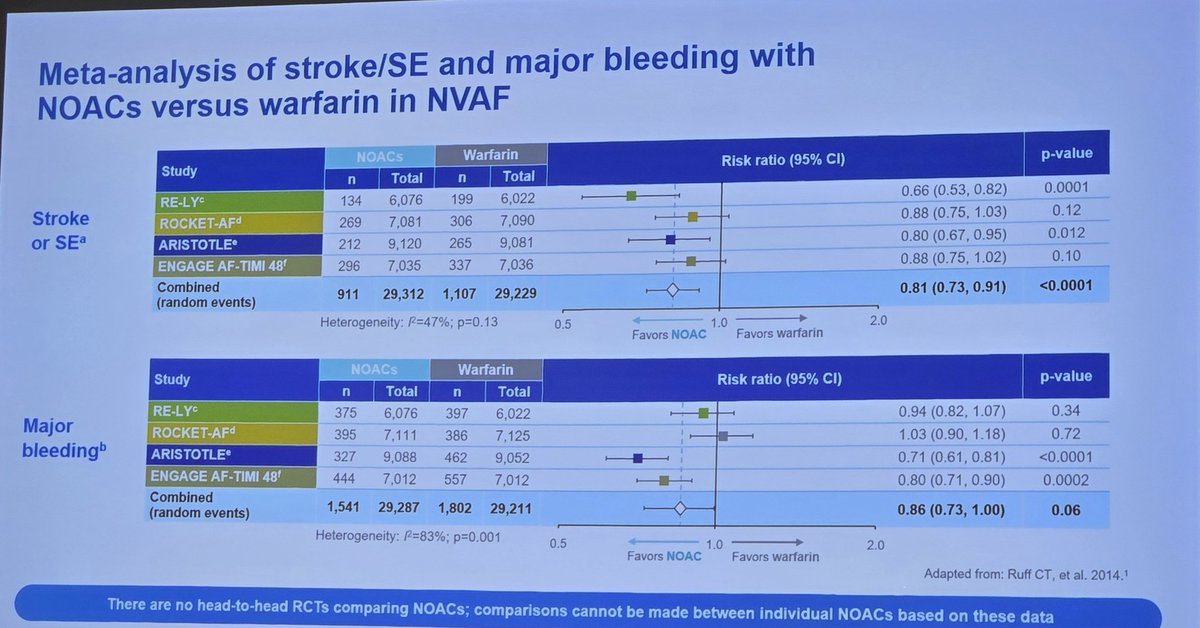
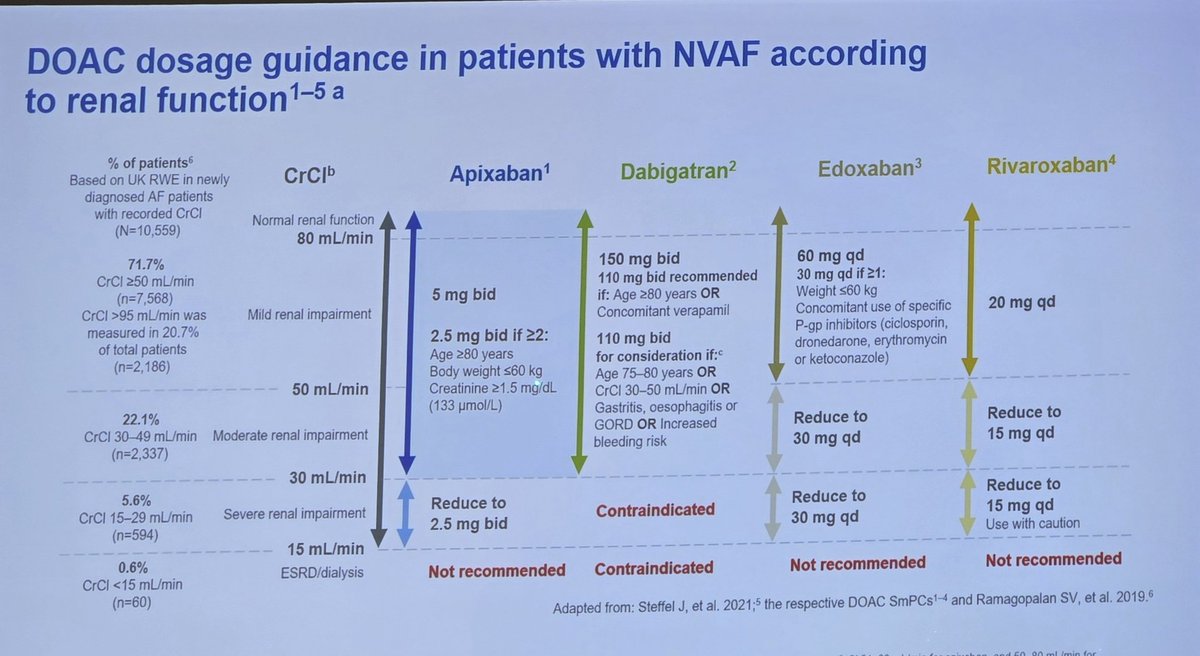
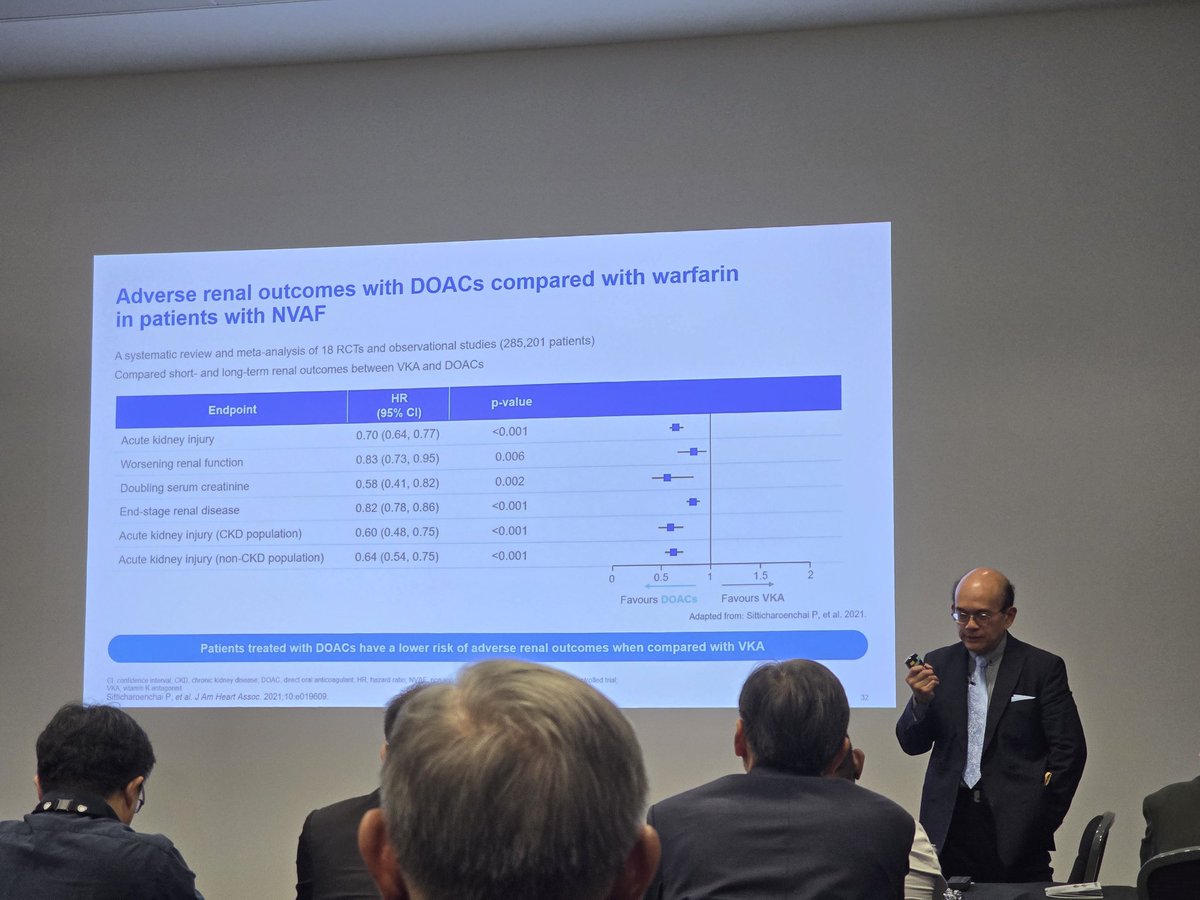
A comprehensive summary of managing non-valvular AF in patients with co-morbidities
A nice brushup of cases providing insight how to manage elderly frail cohort with CKD and ESRF and feequent GI bleeders
@ProfDConnelly and Prof Greogery Lip
#ESCCongress
Popular Bangladeshi singer Rahulanondo's house was looted and burnt down during ongoing violence against minority hindu communities. Post-Hasina regime, the terrorist activities of Jamat-E-Islam & Islami Shibir continues...
@PresEmanuel#SaveBangladesiHindus
The hindu minorities and secular people in Bangladesh is going through an ethnic cleansing after resignation of Goverment by the active political extrimist!! Raise your voice against these hooligans.
#BangladeshViolence#AllEyesOnBangladeshiHindus
After 11 long months of hardwork and multiple peer-reviews atlast our systematic review and meta-analysis has finally been published:
Effect of sex on sodium-glucose co-transporter-2 antagonists and glucagon-like peptide-1 agonists in heart failure
https://t.co/G4fcTubGgT
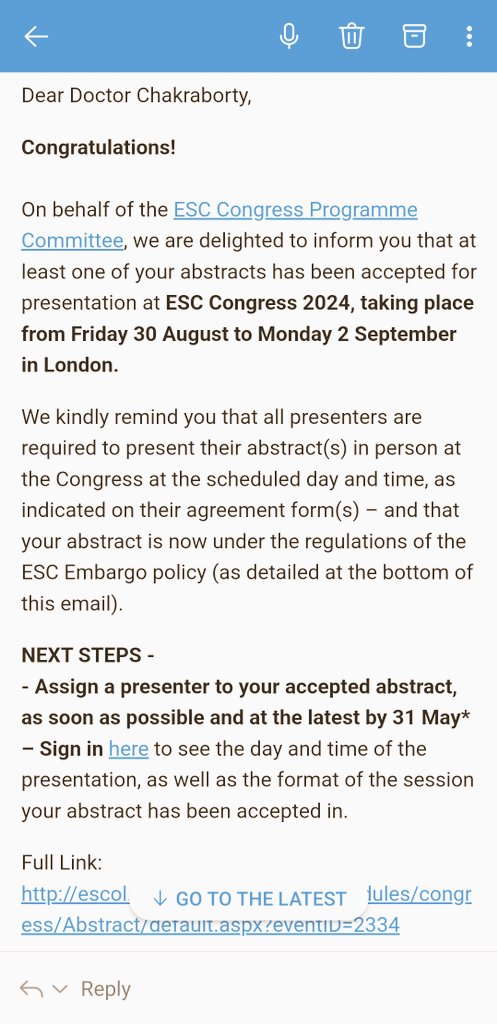
Excited to present our abstract on the feasibility study of a virtual ward for managing Low-Risk-ACS patients from LNWH Trust in ESC Congress!!
@JayminSShah1@NanditaKaza#ESCCongress#LNWH_NHS
Takeaways from #ACC2024. Late breaking trials - take home points @ACCinTouch
1. RELIEVE-HF Trial: In patients with HFrEF and HFpEF, Interatrial Shunt did not show any significant difference in the primary effectiveness endpoint, a composite of all-cause mortality, LVAD/heart transplantation, HF hospitalizations, outpatient worsening HF events.
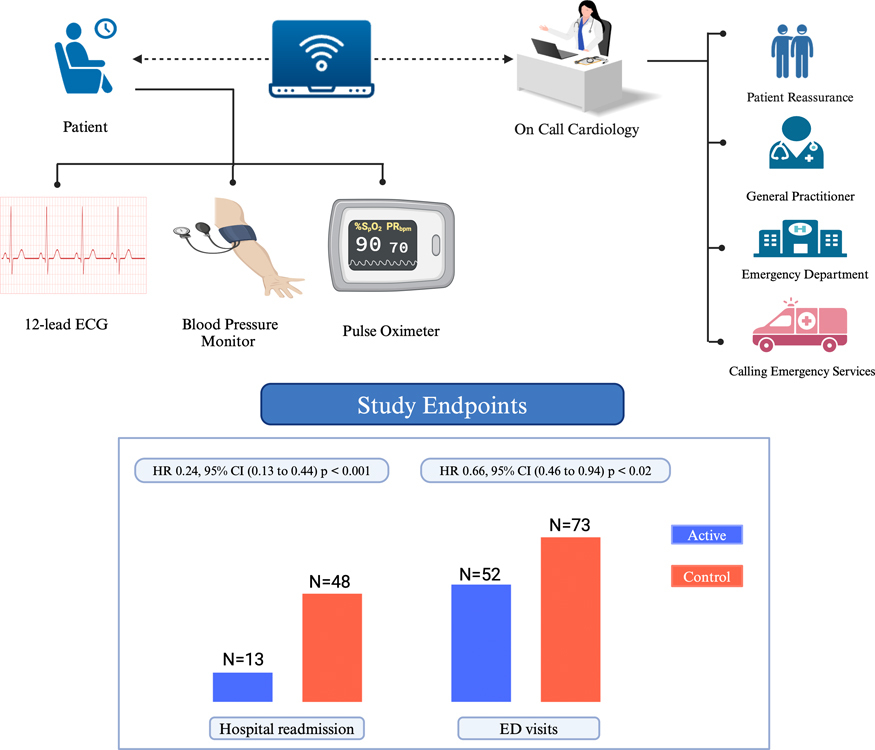
#ACC24#JACC LBCT SimPub: TELE-ACS study has shown that a telemedicine-based approach for the management of pts following #cvACS was assoc w/ a reduction in hospital readmission, ED visits, unplanned coronary revascularization & patient-reported symptoms. https://t.co/KiBcxFdzFn
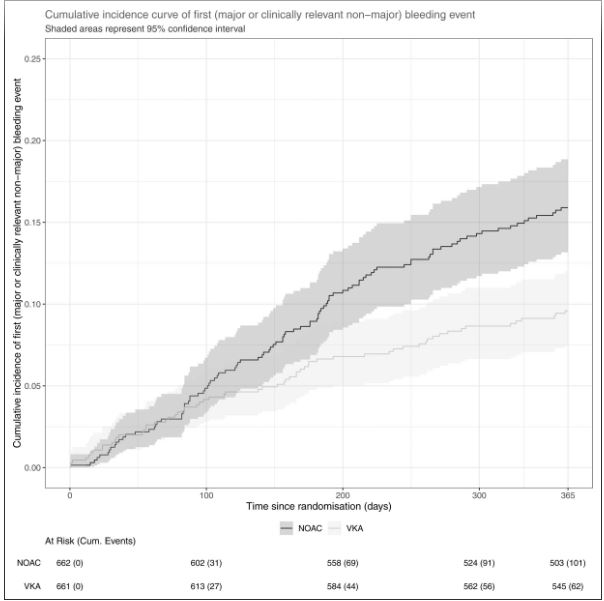
The randomized controlled trial Frail Atrial Fibrillation (#FRAIL-AF) showed that switching from vitamin K antagonists #VKA to non-vitamin K oral anticoagulant #NOAC in frail older patients with AF was associated with more bleeding complications https://t.co/S1Q1nIcxoM
Excited to present my accepted abstract in #EHRA2024!!Hoping to share some insights regarding the importance of AV timing to predict haemodynamic benefits from BVP.
Extremely grateful to @ZacharyWhinnett and @DrAhranArnold for their support and supervision. @ImperialNHLI
Here is the customary year-end review of the most impactful articles of 2023 on EuroIntervention. The calculation is based on the number of citations in the calendar year by articles published in 2023 (normalized for the number of months online), so it has nothing to do with the impact factor (for now...) but more with a kind of 'Immediacy Index’, which tells us what our community is currently discussing. Certainly about TAVI, but also pay attention to the rise of cardiogenic shock, pulmonary embolism, INOCA, LAAO, and renal denervation.
In this ranking, I note the almost disappearance of articles on 'pure coronary' (although one could argue that the first position is jointly held), as if everything and its opposite has now been said and cited in this field. And it reassures me to see that 7 out of 10 articles are original research (not to mention two EAPCI documents and one State of the Art, two defining categories): a sign that the path we have taken with the Journal is bearing fruit, with a positive outlook in 2024, where you will see several innovations.
Thanks to everyone (readers, authors, reviewers, authors) for another year of EuroIntervention.