Demokratiýa indeksi, Ykdysadyýetçi aňtaw bölümi (EIU) tarapyndan düzülen indeksdir. Indeks 167 ýurtda demokratiýanyň ýagdaýyny ölçemek niýeti bilen häsiýetlendirilýär. Aşakda 2020 indeksiniň gysgaça mazmuny.
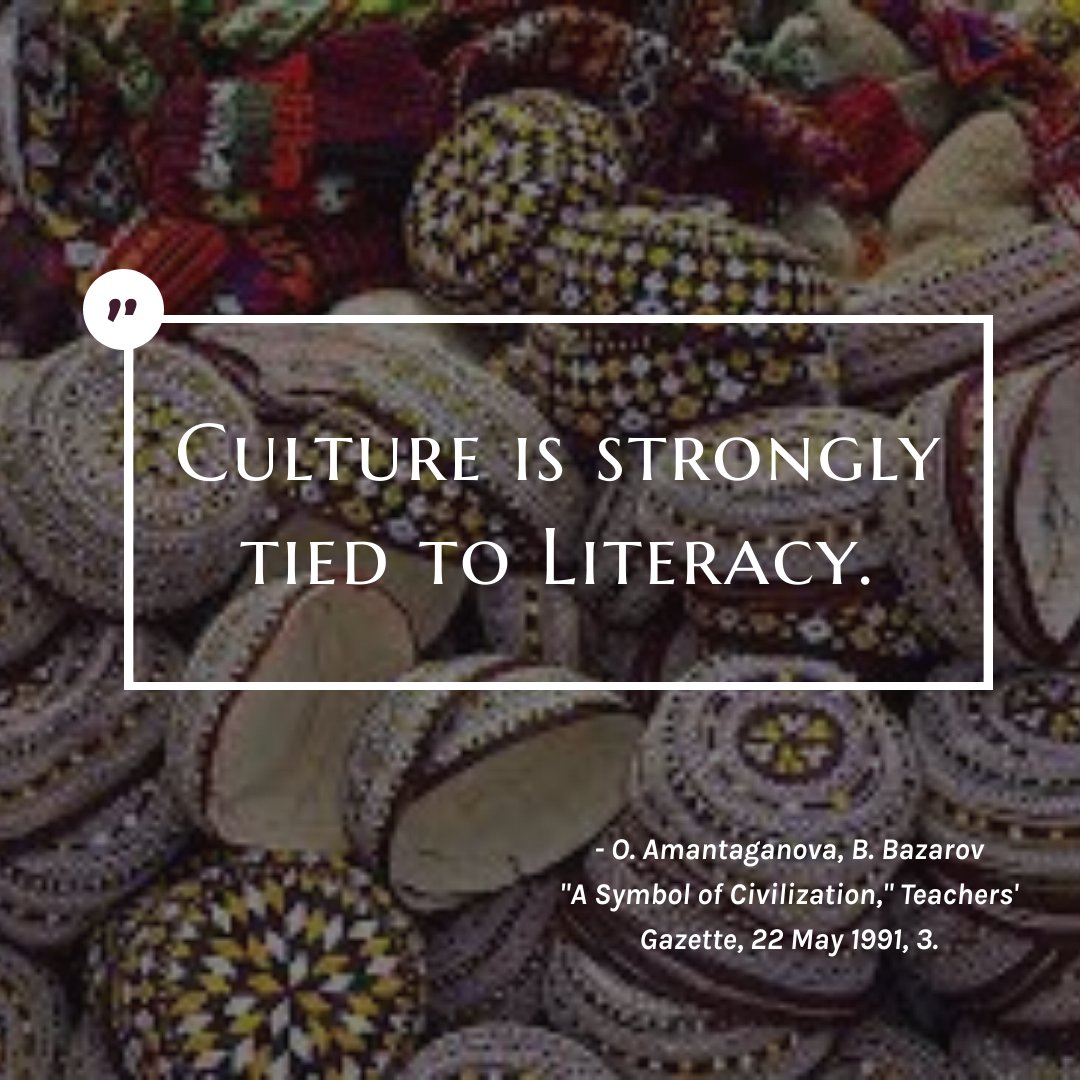
🇹🇲 Gadyrly yzarlaýjylar, Amantaganowanyň we Bazarowyň aşakdaky sözleri bilen ylalaşýarsyňyzmy?
🇺🇸 Do you agree or disagree with the following statement from Amantaganova and Bazarov?
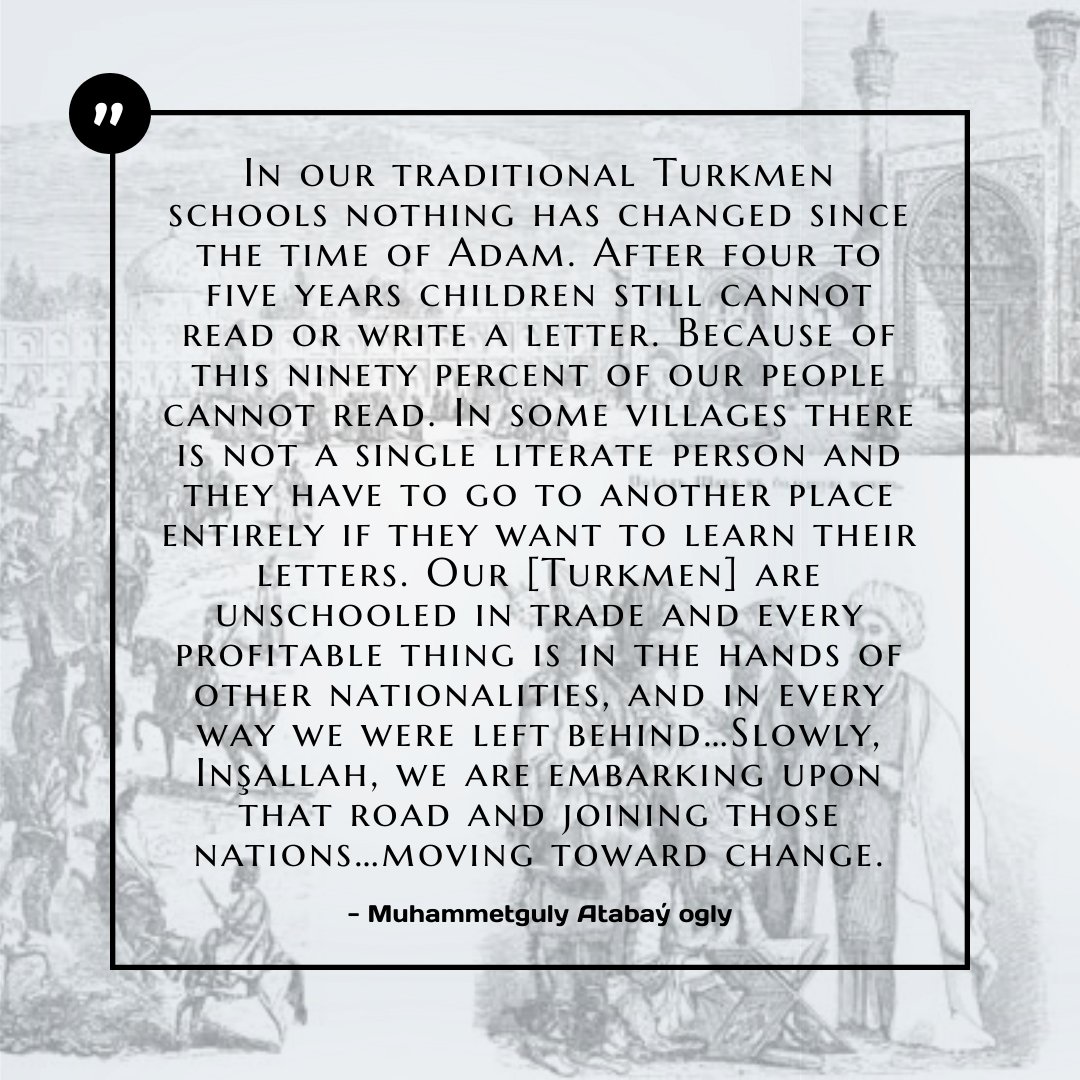
A brief but clear statement in a news article written by his son Muhammetguly Atabay in 1915 led to the creation of new methodological schools in Turkmenistan.
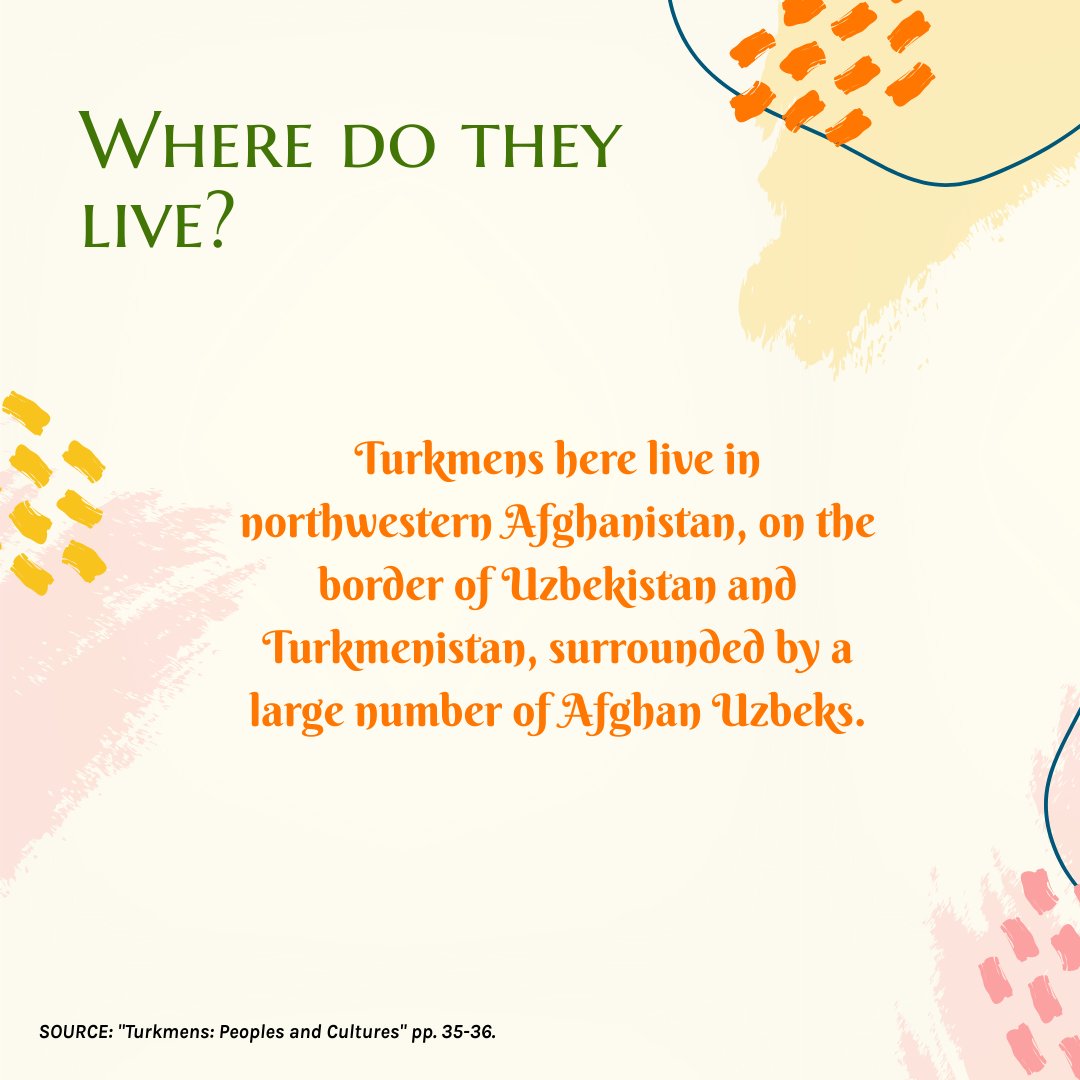
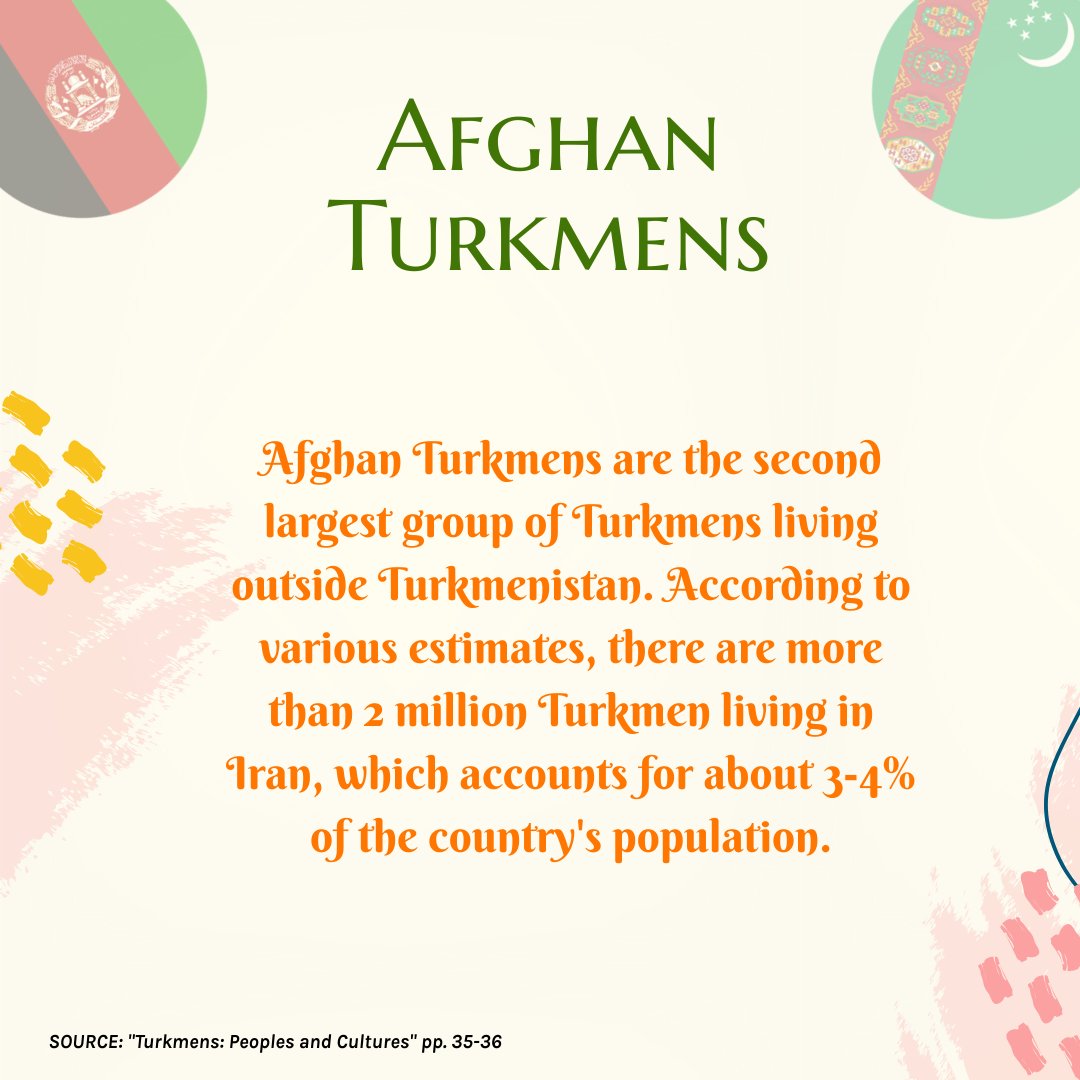
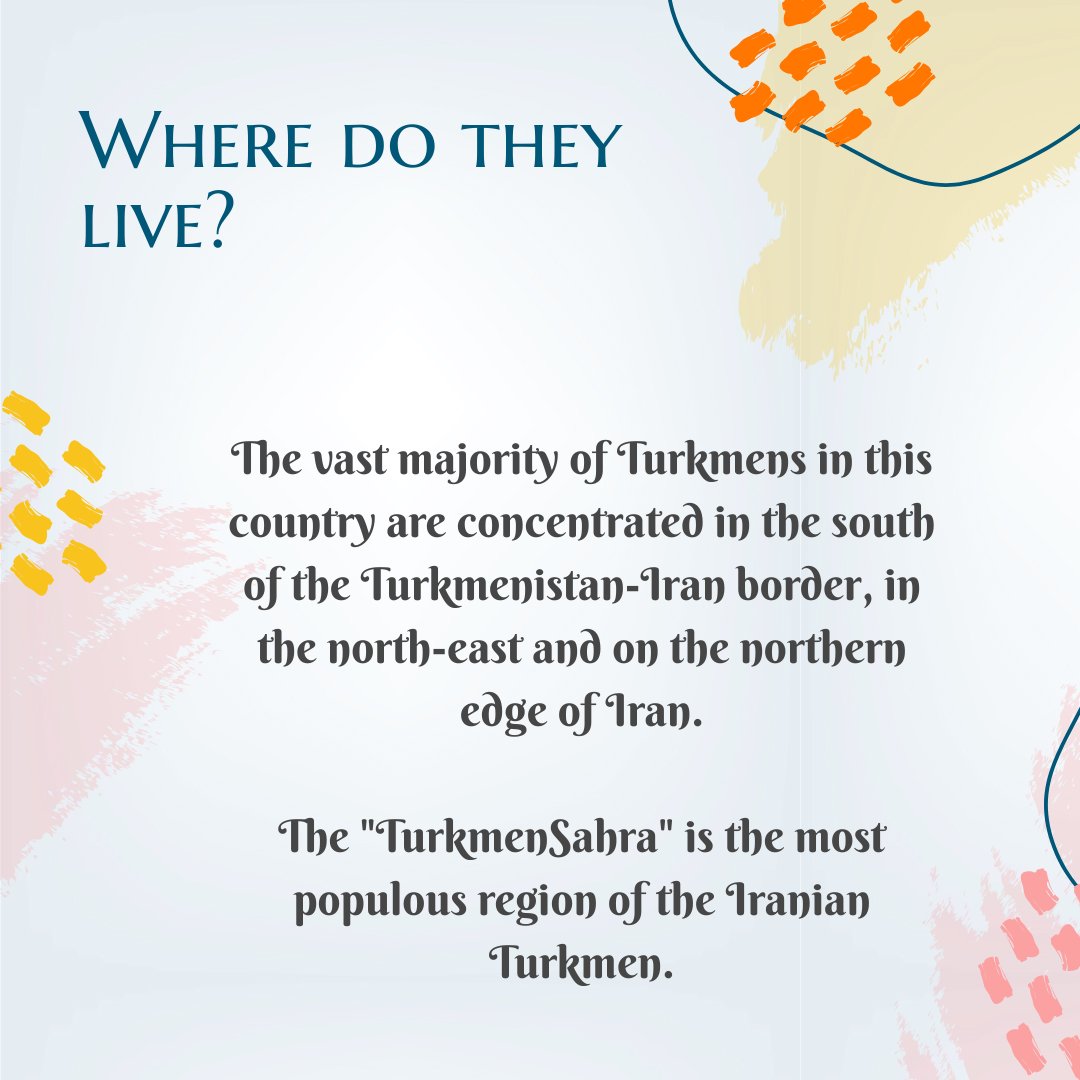
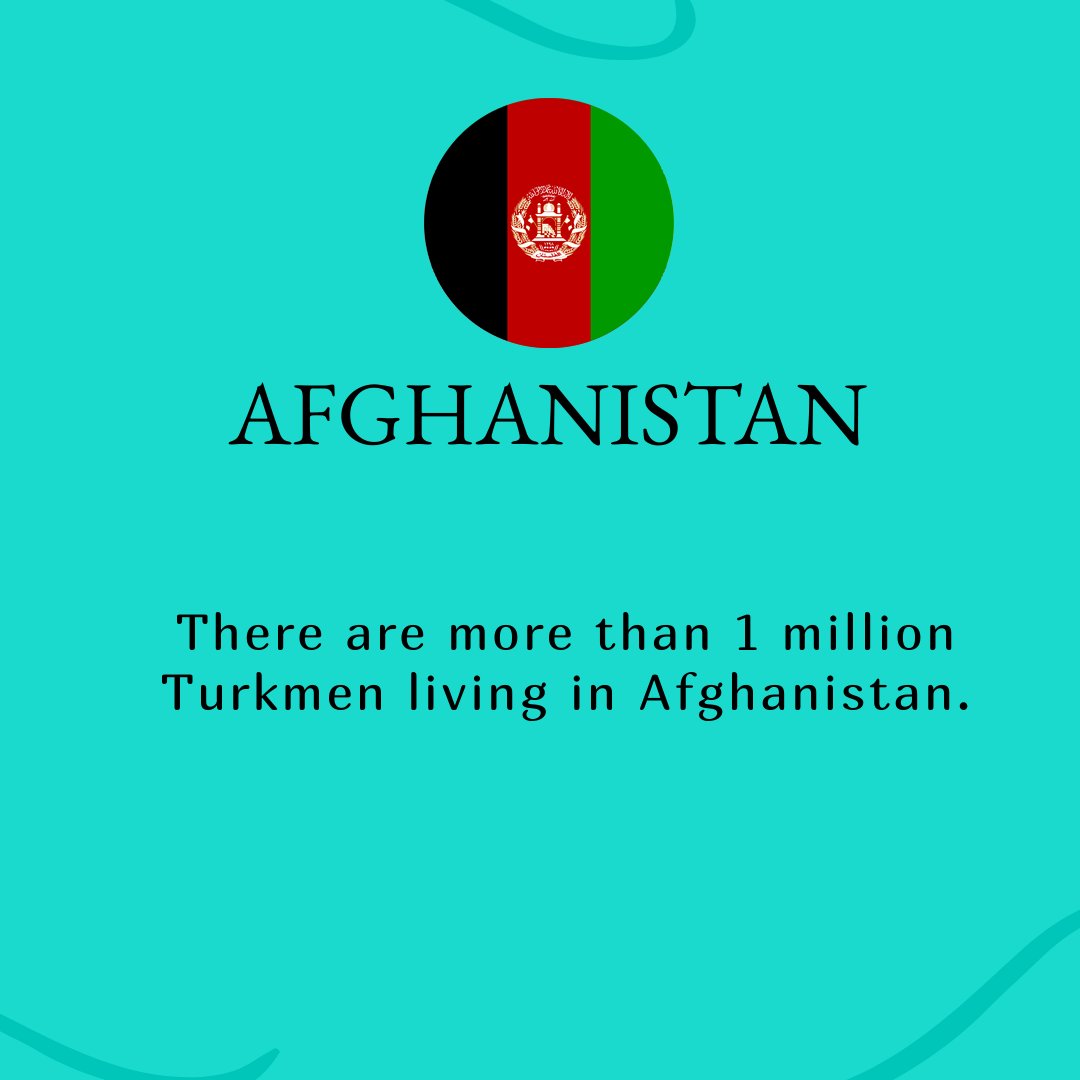
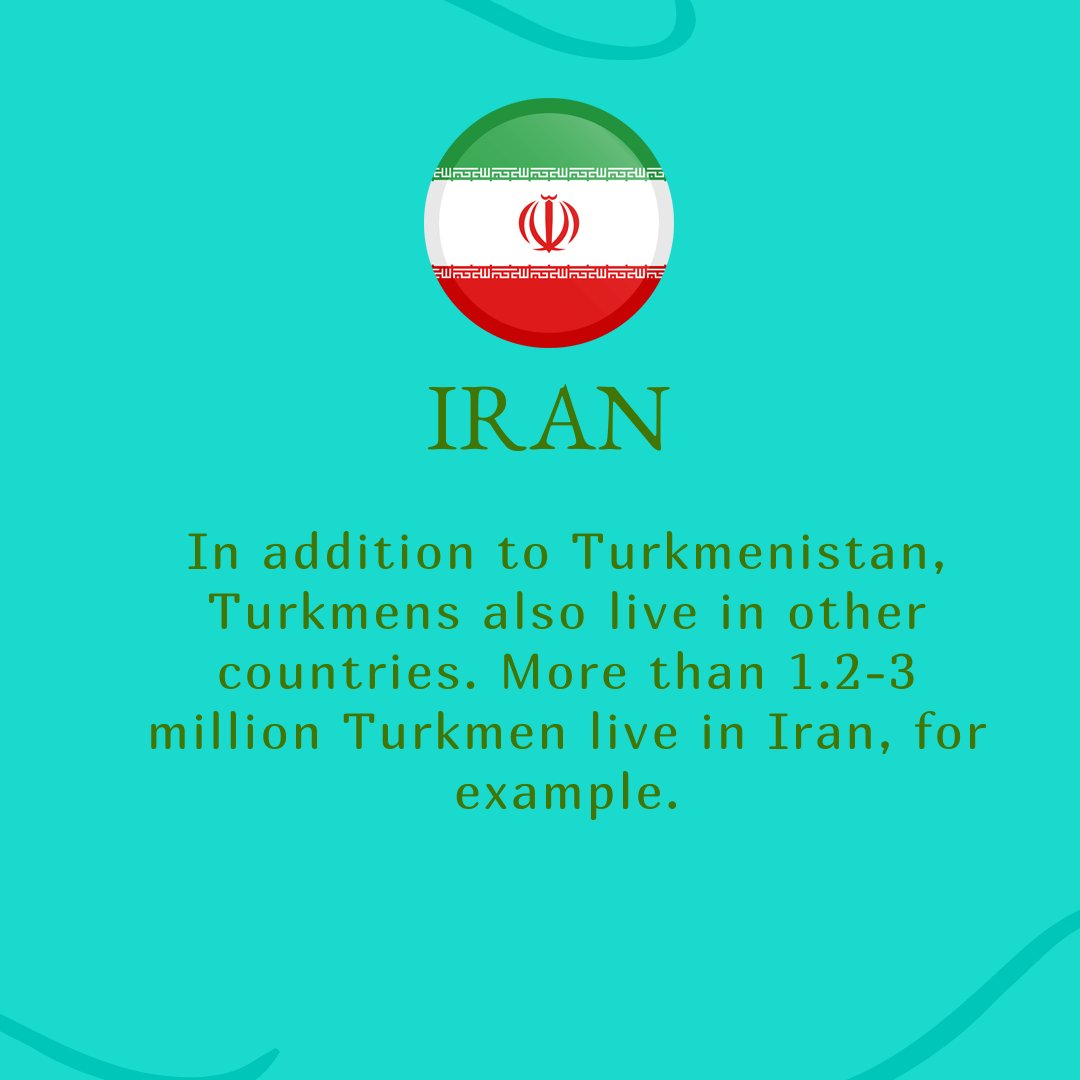
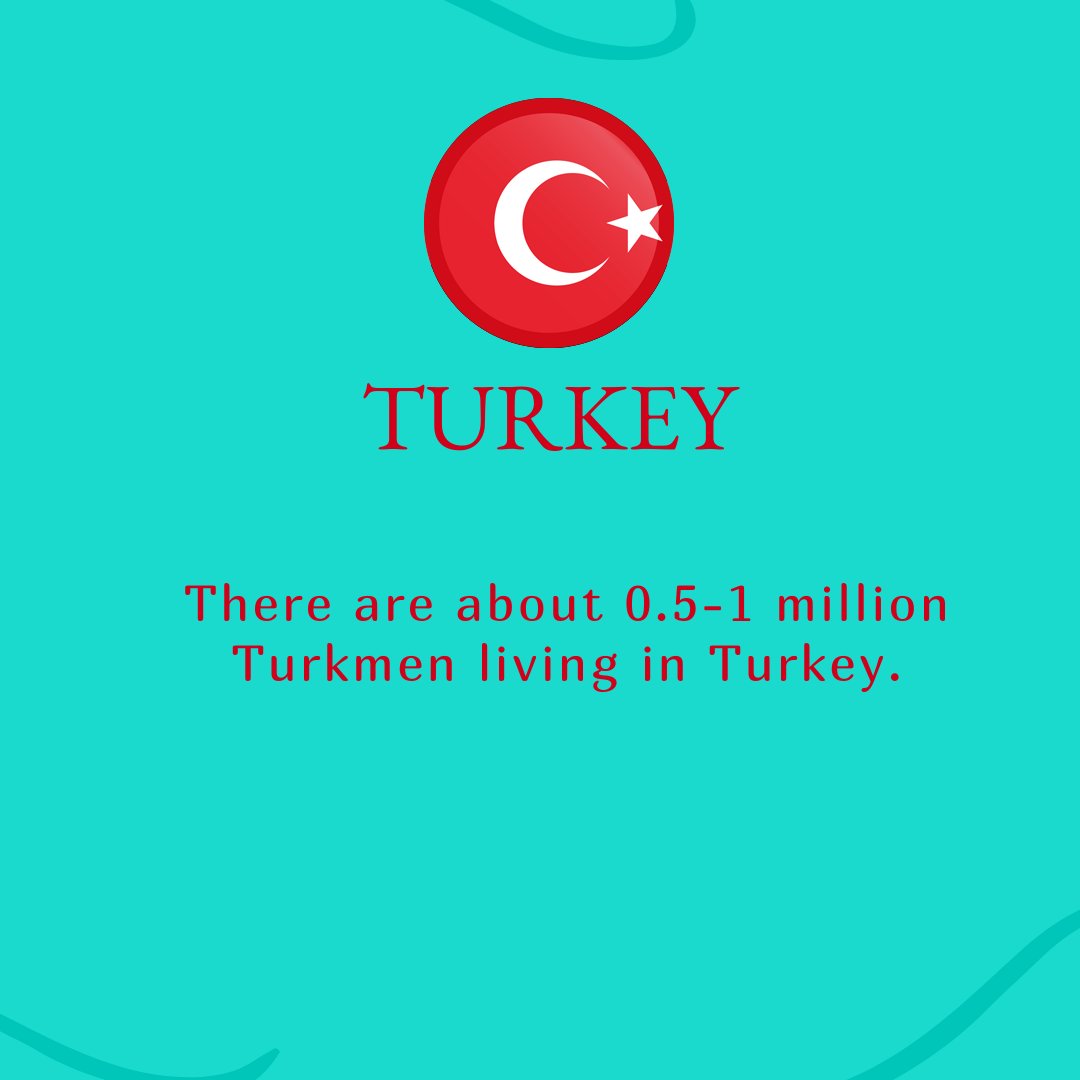
In Iraq (about 1.2-3 million, in Syria (about 1-3 million, in Russia (about 37 thousand), In Tajikistan (about 25 thousand), in Pakistan (about 60 thousand) .Turkmens also live in Ukraine, Belarus, Kazakhstan, Kyrgyzstan, but there they do not form compact settlements.
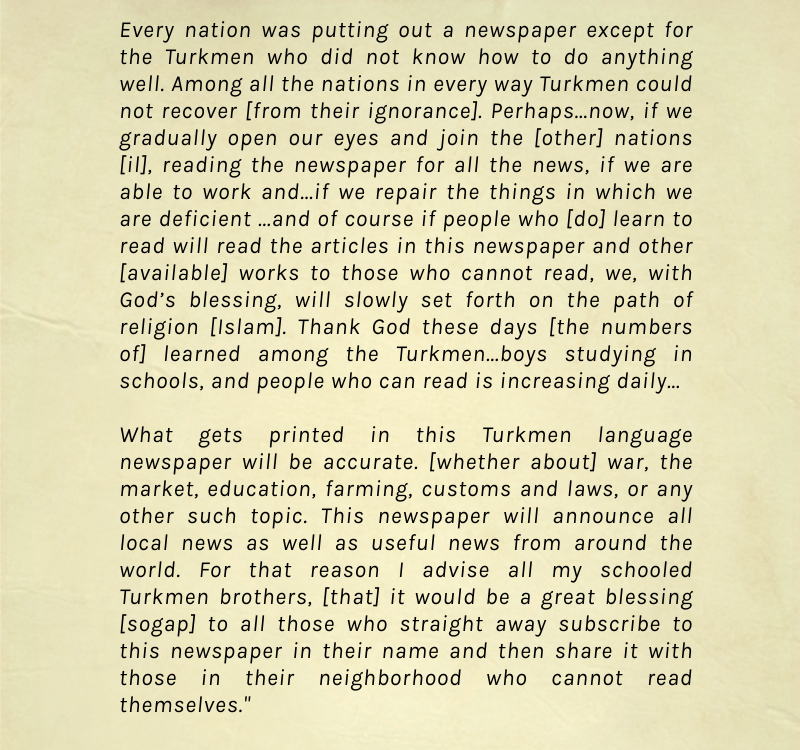
"Ruznama-i Mawera-i Bahr-i Hazar" is the on of the first and important Turkmen newspaper dedicated to enlighten and educate Turkmen nations in 1915-17 years. The aim was to fight against backwardness and illiteracy within our nation.
📷 Figure 1. Turkmen of Tajikistan. Making bread
in the tandoor. Ergash Sultonov's farm. 2010
Photo by S. Gabbasov
📷 Figure 2. Turkmens of the Stavropol Territory of Russia. Aul Edelbay. May 15, 2008 Celebration of the day of Makhtumkuli.
Photo from the magazine "Turkmenistan"
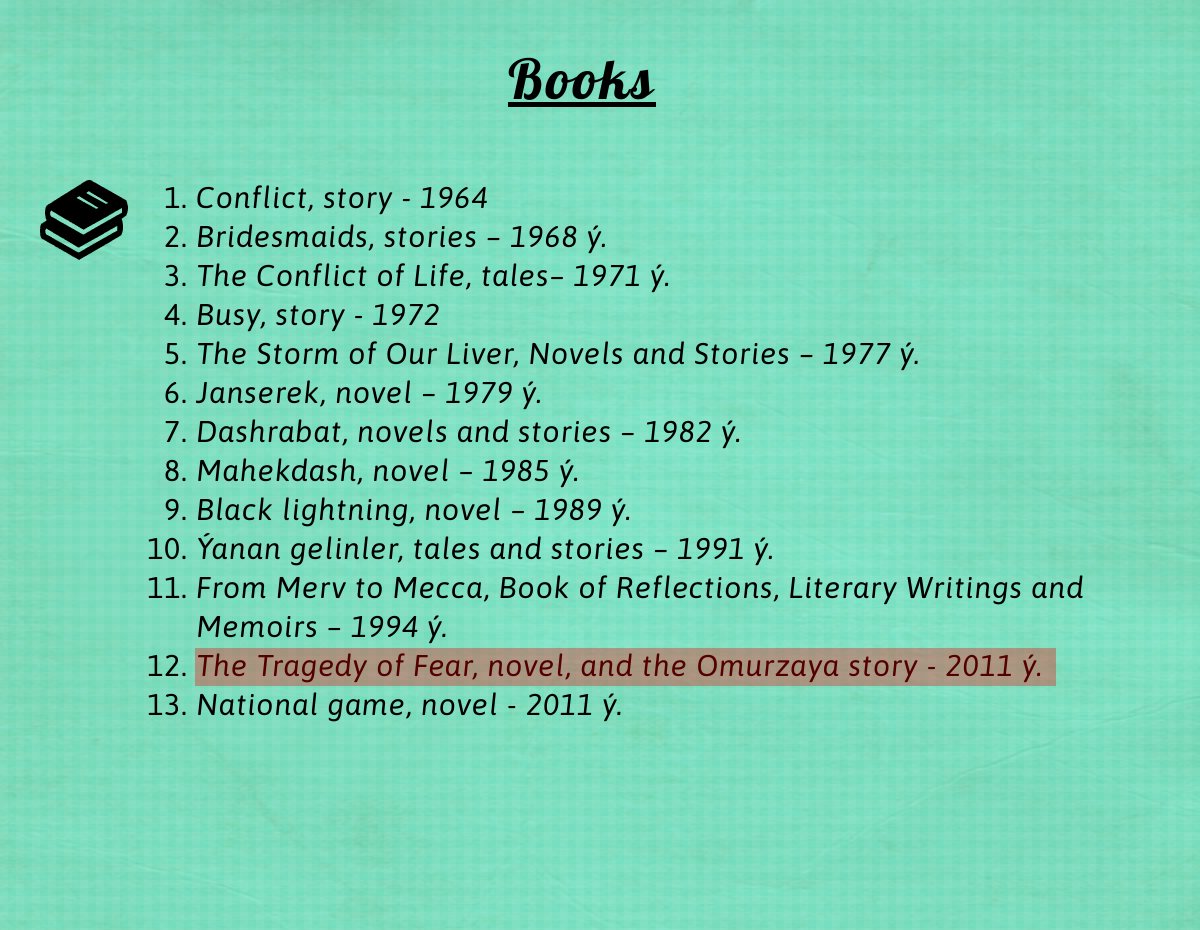
Skilled writer Tirkish Jumageldiyev is one of the most famous and talented storytellers of Turkmen literature. Tirkish Jumageldiyev celebrated his 80th birthday in 2018 and is currently living in Ashgabat.
In order to live and coexist in a civic society, everyone has to know their #rights. The below articles 25 & 26 are from #Turkmenistan's revised Constitution that ensures inalienable rights which universally recognized by international law and norms.
Kanunyň hökmürowanlygynda hemmeler kanunyň öňünde deňdir, kanunyň öňünde hasap berýär, kanunlaryň berjaý edimegi adalatly ýerine ýetirilýär, häkimiýetleriň bölünişi ýörelgelerine eýerilýär, kanunlaryň aç-açanlygy üpjün edilýär hem-de eden-etdiligiň öňüne geçilýär.
SOURCES:
1. John W. Slocum, “Who and When were the Inorodsty? The Evolution of the Category of “Aliens” in Imperial Russia,” The Russian Review, 57, no. 2 (1998): 173-190.
2. Khalid, The Politics of Muslim Cultural Reform, especially pp. 134-136.
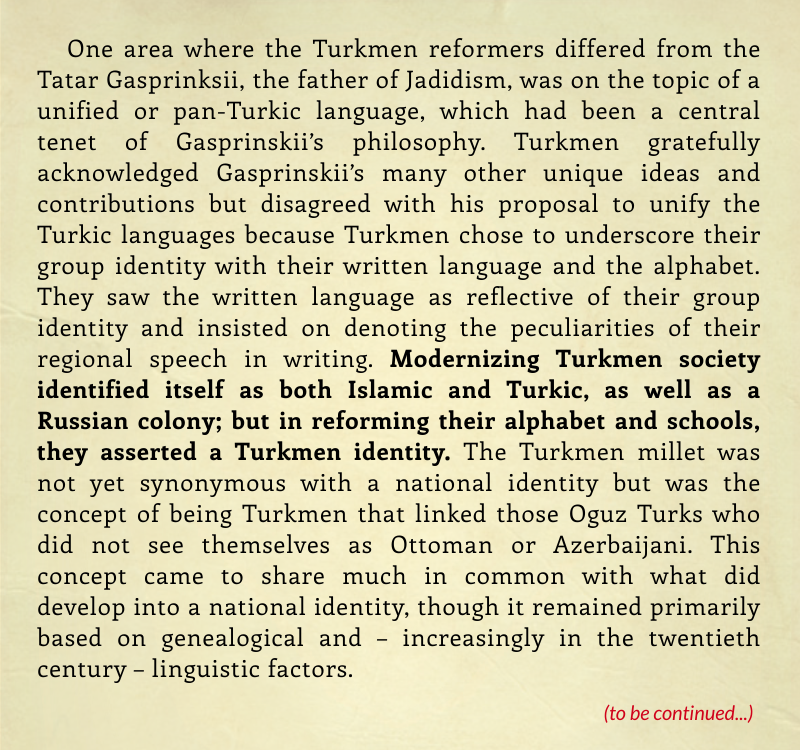
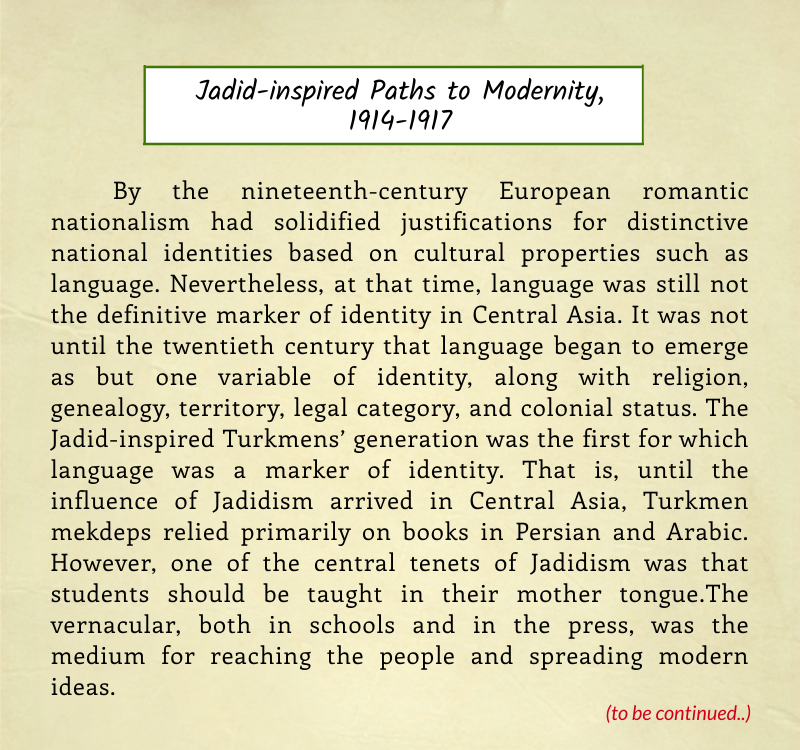
In the final years of the Russian Empire, an intellectual awakening among Muslims reached Turkestan, and finally Transcaspia, where reformists, in their aim to make society modern, encouraged new methods of teaching and advanced social norm.
⬇️ Read about them below.