Researcher #populationgenomics#GBB @ Vale Institute of Technology. Former @UniFerrara. @MSCActions & @AvHStiftung alumna. I like #seaturtle hybrids.🇧🇷🔺
🧬We have a new paper! 🧬
We outline the #Genomics of the #Brazilian#Biodiversity (#GBB) consortium, which is contributing to public policies on the conservation and management of Brazilian species. We describe our unique public-private governance, 1/4
New volume online - Annual Review of Animal Biosciences. Most read article is "Conserving Genetic and Genomic Diversity in Accordance with the Global Biodiversity Framework" by da Silva et al. https://t.co/cmdHwRy8gr
A better understanding of the KMGBF will help scientists engage and fulfill global, national, and local commitments to the conservation of our planet’s biodiversity. We hope that with this paper, the policy landscape becomes more accessible for those working in this field.
Finally, we discuss emerging frontiers, specifically around standardization of assessment and monitoring, and around new developments in the field of conservation genomics. 🧬💡
To help practitioners contribute to meeting the goals and targets of the KMGBF related to GD, we highlight guidance and decision-support tools for management based on several conservation genetic paradigms that have emerged from decades of research and applied conservation.
Next, we explain how two approaches can be used effectively by nations in measuring and monitoring GD to achieve the KMGBF: direct assessment of DNA sequences with genetic methods, and indirect assessment based on measuring the processes that produce GD change.
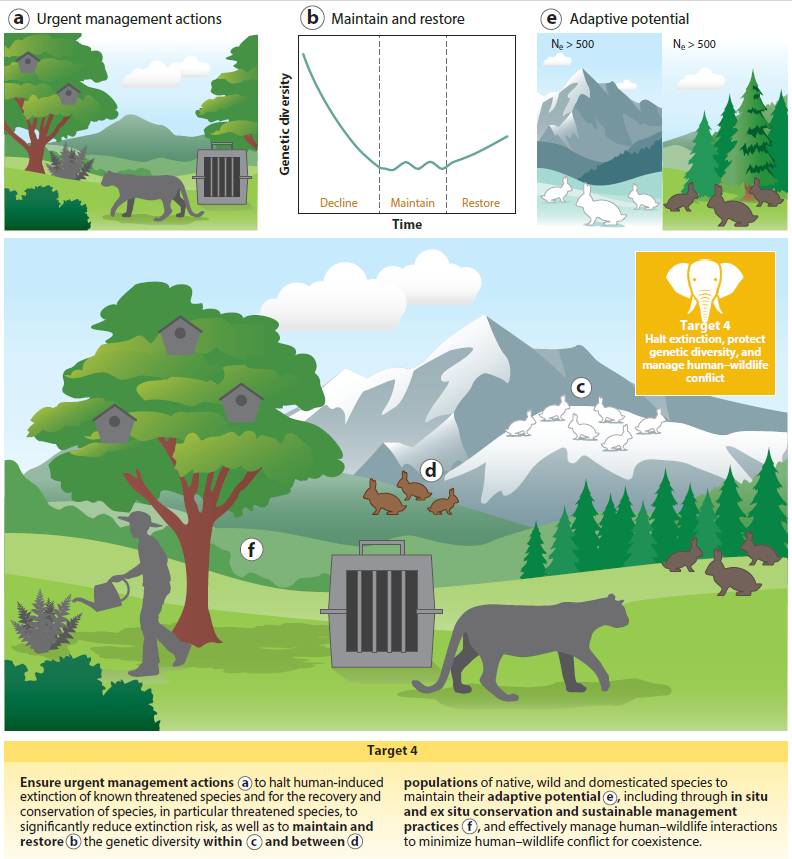
Then we discuss where and how GD is explicitly mentioned in, or relevant to, KMGBF targets, including where GD conservation or knowledge of GD are not mentioned but could help achieve a target. The most explicit mention of GD in the KMGBF is in Goal A | Target 4.
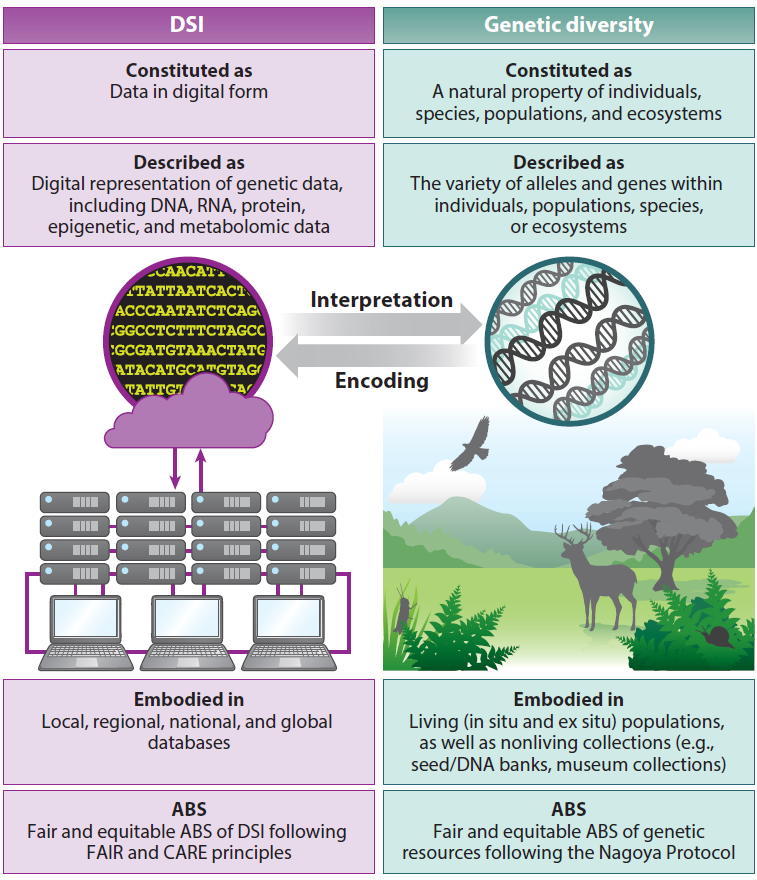
Typically, the term “genetic resources” has been associated with physical specimens; however, policy discussions have examined how Digital Sequence Information (DSI) might be incorporated into access and benefit-sharing (ABS) mechanisms.
Adopted in 2022, the Kunming-Montreal Global Biodiversity Framework (KMGBF) under the Convention on Biological Diversity (CBD) outlines a visionary roadmap guiding humanity’s relationship with nature. Genetic diversity, underlying adaptation and fitness, is a core tenet.
Some of the policy landscape may sound confusing (it is!), but we try to disentangle it and explain it in a way that will help anybody working towards integrating genetics in conservation programs. Important for making an impact!
New publication out, highlighting the link between genetic diversity (GD) and policy! 🧬📜
"Conserving genetic diversity in accordance with the Global Biodiversity Framework"
https://t.co/OiYz3Lje7i
We summarize the highlights in this thread. 🧵
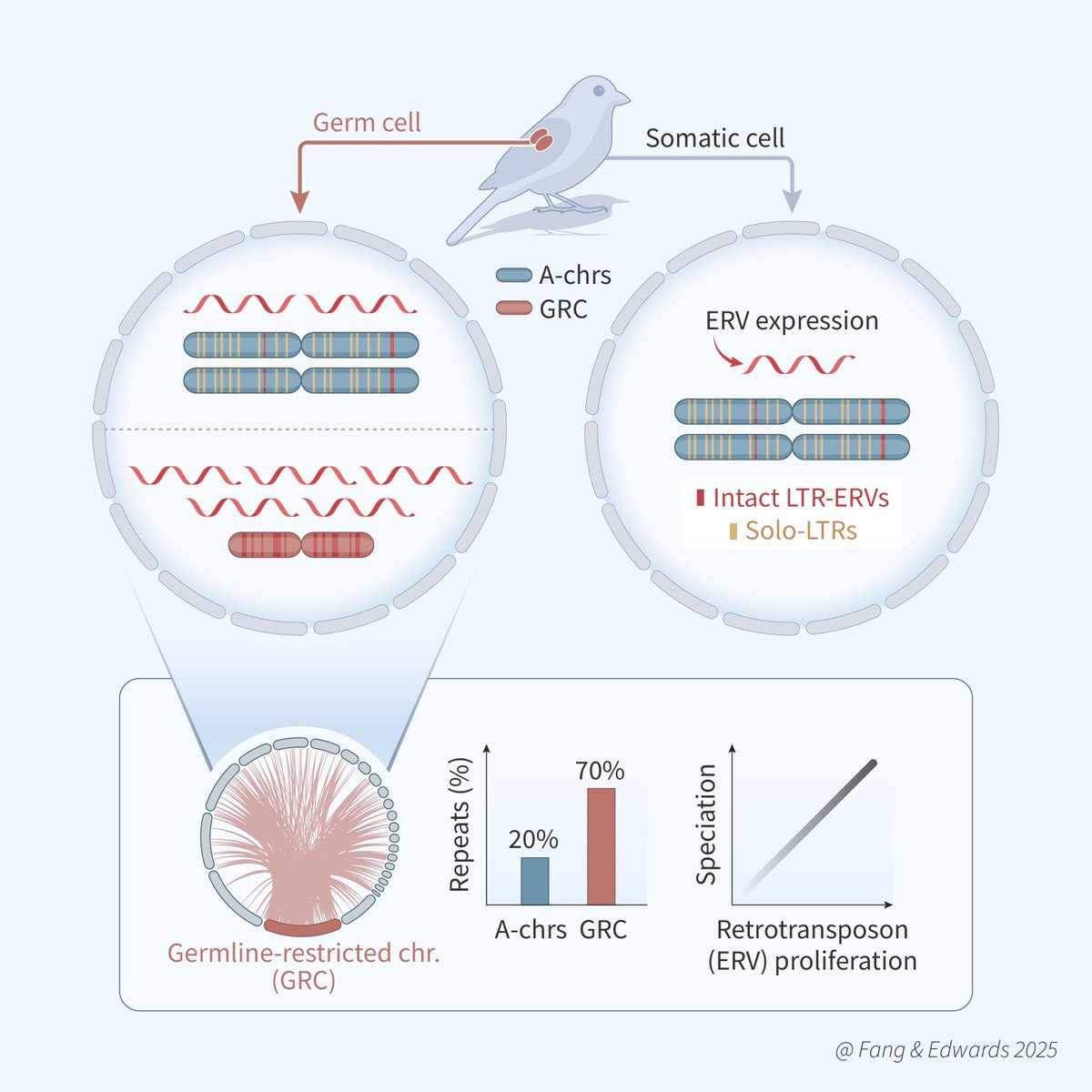
Our new preprint @ScottVEdwards1🧬🐦 Long-read genomes show songbird germline-restricted chromosomes (GRCs; expelled from somatic cells) are 70 % repeats and packed with active LTR retroviruses. A hidden reservoir for TE-driven innovation/diversification! https://t.co/TzW4QOz50C
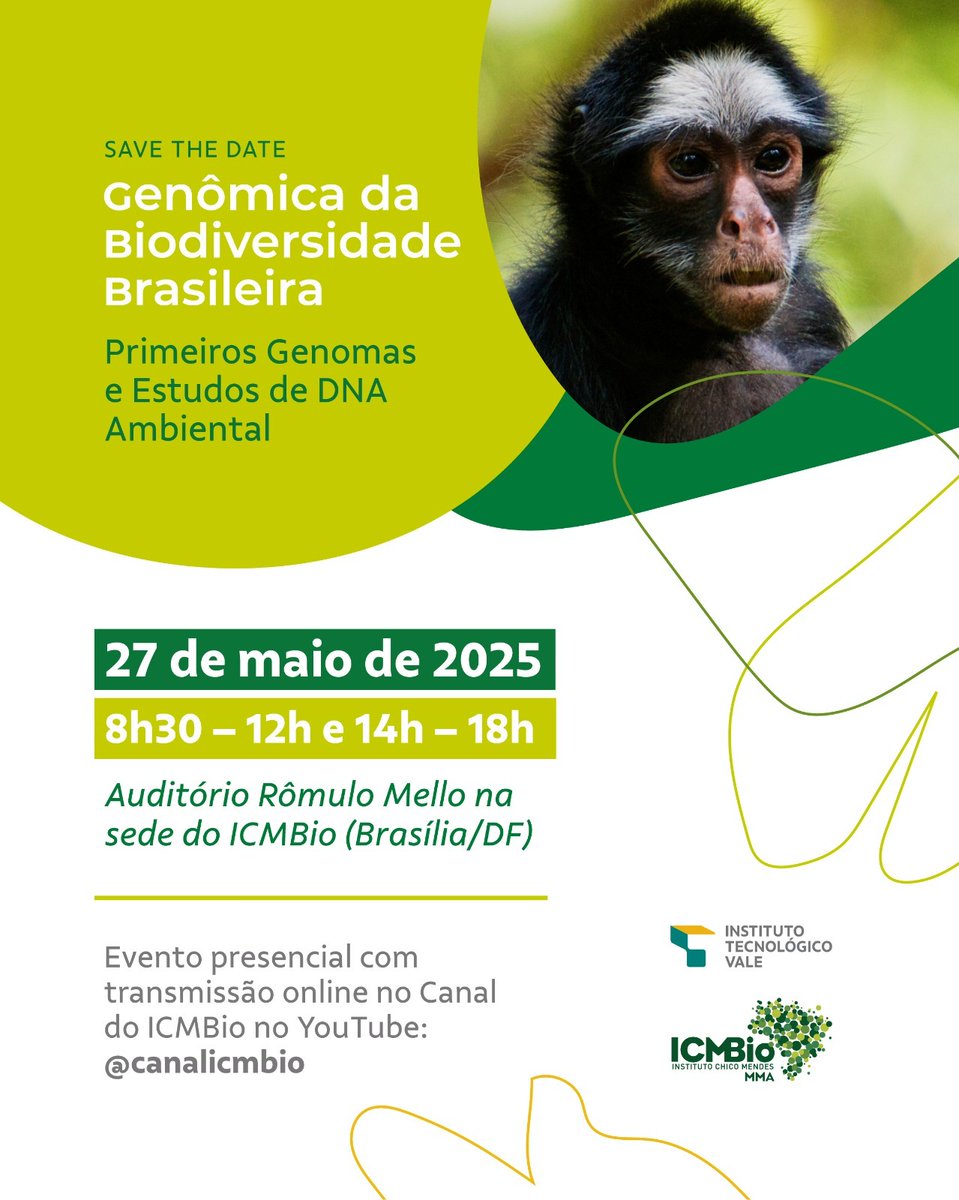
Esses dias fizemos o lançamento os primeiros genomas da Biodiversidade Brasileira em um evento, prjeto em conjunto do ICMBio e o ITV. O projeto conta com a colaboração de diversos colaboradores de todas as regiões do nosso país. 😀🧬
We have a new pre-print!
Here we show how selection may shape behavioral traits in small isolated populations. We also show selective signatures at genes associated with reduced aggressiveness, possibly involving alternative splicing
@maevagabrielli@rsbiello
Today is #EndangeredSpeciesDay.
The IUCN Red List of Threatened Species™ now includes 169,420 species, of which 47,187 are threatened with extinction.
The @IUCNRedList is a critical indicator of the health of the world’s #biodiversity.
https://t.co/8inxfbzt0W
New #preprint on finding microchromosomes in bird genome assemblies: https://t.co/ZOapsYfxyj
Check out the thread here: https://t.co/cUAV64927E
@sangerinstitute@darwintreelife
🧬🇧🇷 THREAD | O DNA do Brasil foi decifrado.
E ele revela um país muito mais profundo, desigual e surpreendente do que imaginávamos.
Um estudo inédito mapeou o genoma completo de 2.723 brasileiros.
Spoiler: somos o povo com o mais alto grau de diversidade genética recente no mundo.
Acompanhe: 🧶👇