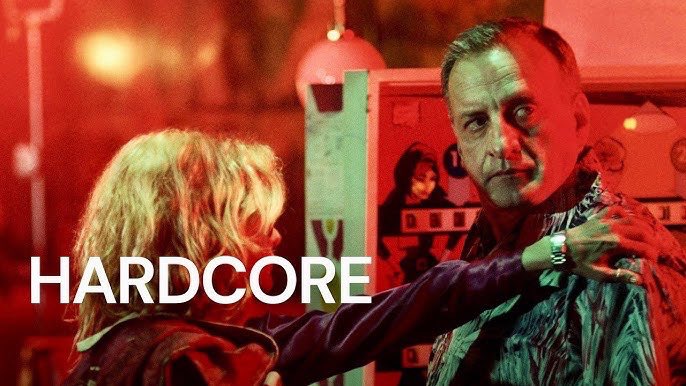
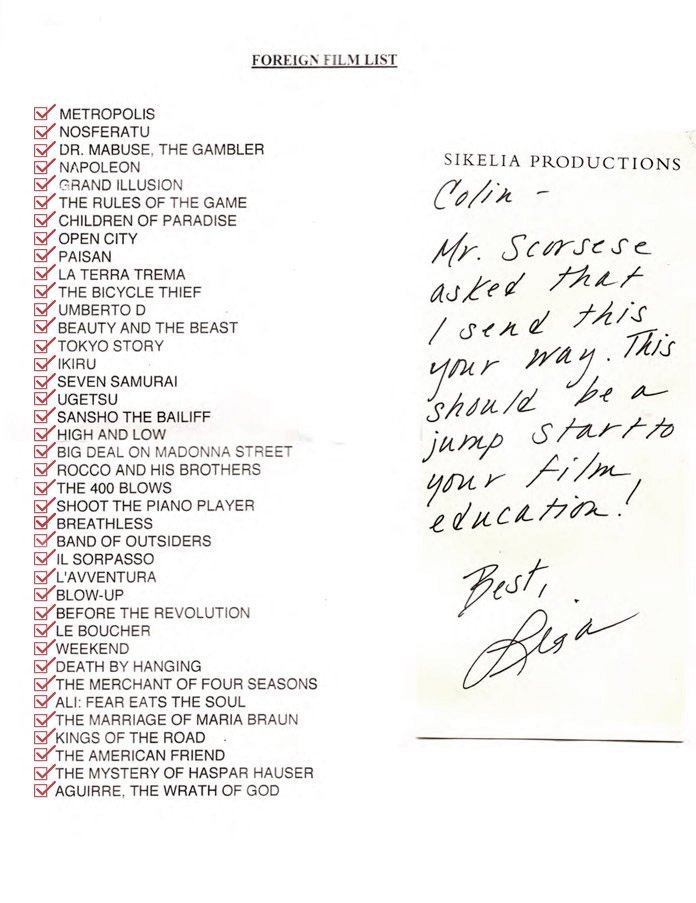
Here is a mini behind the scenes doc that might answer some of your questions and give you a small insight into the insane process of making our first (illegal, not for profit, feature film)
JASON - A Look Inside the Madness
Wes Anderson designs his films using the 60:30:10 color rule.
One dominant color sets mood, secondary tones support it, accents guide your eye.
From The Grand Budapest Hotel to Moonrise Kingdom, every frame is balanced by design.
Josh Safdie, the writer and director of Marty Supreme, is almost as obsessed with the Knicks as he is with his craft…so naturally, he joined us in the production truck tonight to add some of his unique touches to the Knicks broadcast.
@a24 | @martysupreme
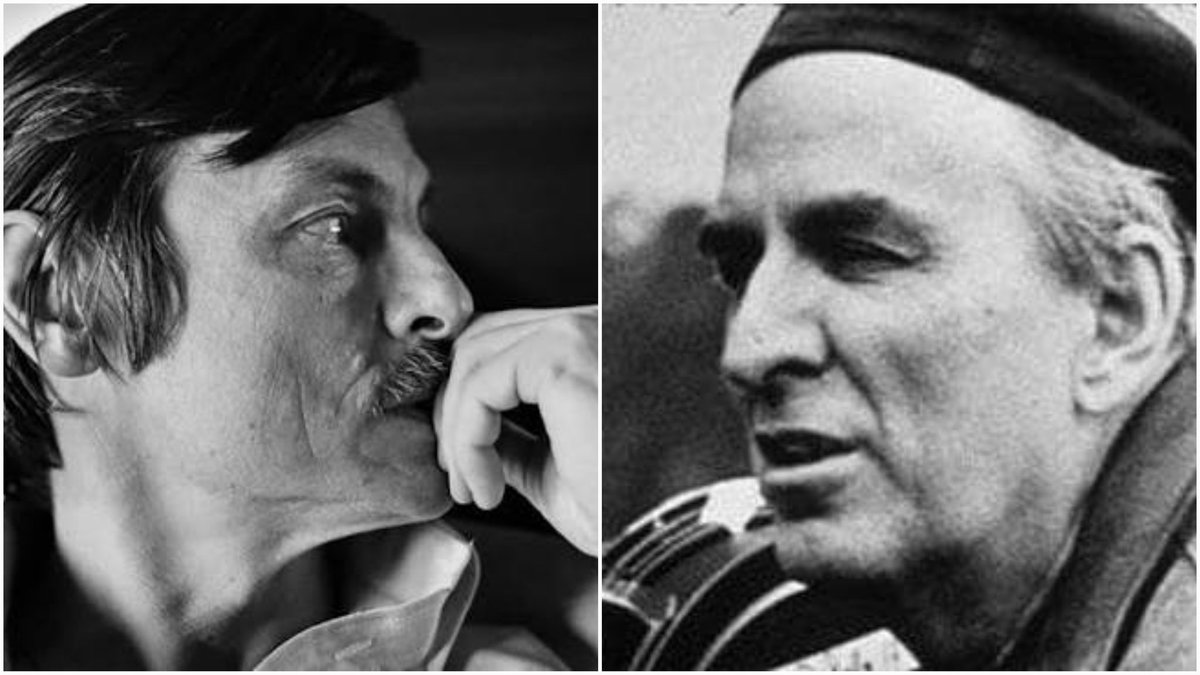
Andrei Tarkovsky on the difference between him and Ingmar Bergman:
"Here is a difference between me and Bergman: for me God is not a mute. I totally disagree with those who claim an aura of films by the Swedish director is present in The Sacrifice. When Bergman speaks of God, he does it in the context of God who is silent, who is not with us. So we have nothing in common, just the opposite. Some of the superficial remarks were made because the actor in the main role had also worked with Bergman or because of the traces of Swedish landscape in my film. People making such claims have not understood anything in Bergman, they don't know what existentialism is. Bergman is closer to Kierkegaard than to problems of religion."
— Andrei Tarkovsky interviewed by Charles de Brantes in 1986
Peter Bogdanovich on how a Comedy scene should be structured:
"Interviewer: When you are doing comedy and pacing a joke, do you work at a series of payoffs—at a topper?
Bogdanovich: You’ve usually got to have three jokes and then a fourth on the same subject that’s funnier than the other three. If you don’t give the audience the topper, they slightly resent you. I think the best one I did was in 'What’s Up, Doc?' (1972) Obviously, the pane of glass scene is a great joke; Buck Henry wrote that, based on an idea of Benton and Newman’s. That was like ten jokes building to the guy going through the glass. The glass had to break. If it hadn’t broken I would have been shot, and the people would have stormed out of the theater in fury. But one day, while we were going through San Francisco looking for locations—we were about twenty in a bus driving around—I had an idea. I said, “Wouldn’t it be funny if we had a Volkswagen bus, and the first car hits it and smashes it up, and then the second car hits it and smashes it some more, and then a third car hits it, and then finally the guy who owns it runs out, and the whole thing falls over?” Everybody laughed, so I said, “Let’s do that.”
It’s just a very satisfying joke because the audience laughs every time the cars hit, and then on the last one, when the thing falls over, they’re thrilled that we went all the way with it. It’s not even laughter—it’s relief. “Thank God he went all the way.” But, there’s another scene in What’s Up, Doc? that didn’t go all the way, and I’ll always regret it. It’s when all the cars go in the water, and then the police cars pull up. I should have had one of those police cars go in. I knew in preview the audience wanted that to happen, but I didn’t have it. I should have had one of the police cars tear out to the edge of the pier and teeter over the edge, halfway. I should have had two cops jump out, and as they’re hanging on above the water, their car topples in. Once it falls, they fall in. That would have been terrific."
(Peter Bogdanovich, AFI, 1978)