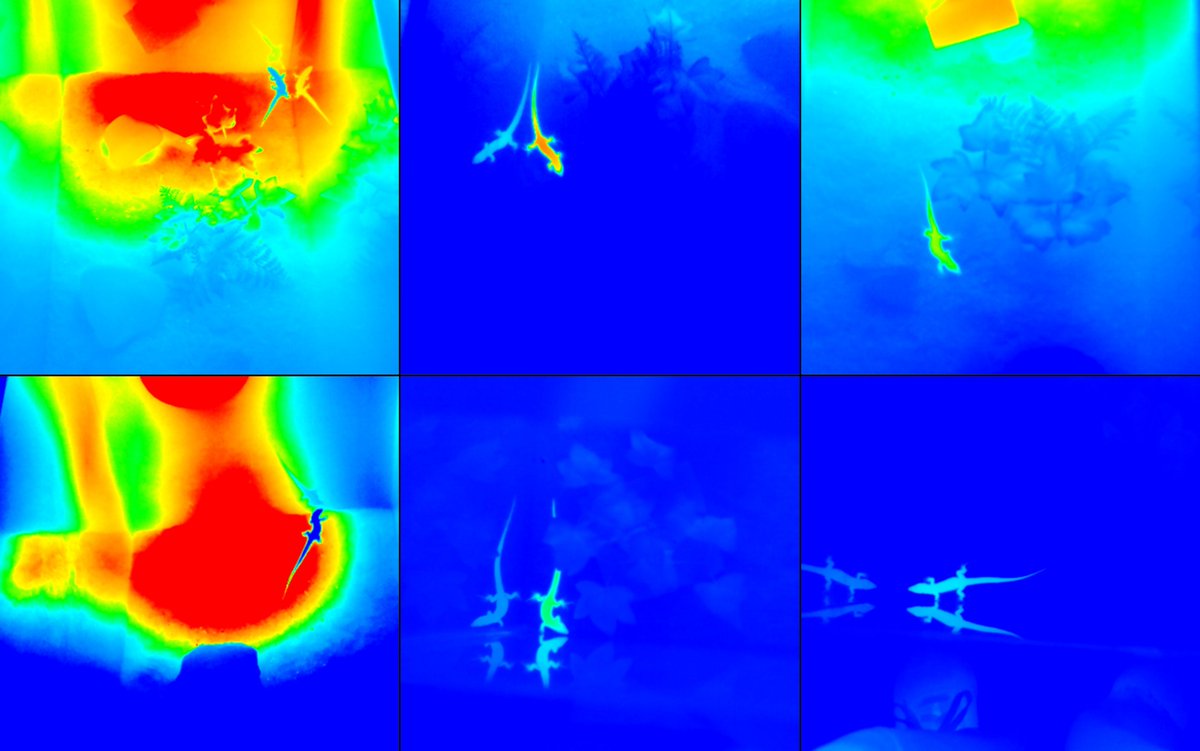
Three field seasons
219 lizards 🦎
>1,000 hours of behavioral video scoring
Proud of Ioanna Gavriilidi for getting this major chapter of her PhD on insularity and lizard behavior published.
Serious dedication!
https://t.co/LbsZzJJlbB
This is vital information moving forward in research on the #biomechanical trade-offs within avian feeding and vocalisation, but also has broad applications for many muscle-driven lever systems. Read more here: 🔗https://t.co/AwDanXq9jK
Paper alert from @UAFunMorph ! 💥PhD researcher Cas Jorissen just published a chapter of his #PhD in @J_Exp_Biol on torque–frequency trade-offs in muscle-driven lever systems.
Using a model of a Java finch mandible 🐦, the study shows muscle fibre type is key: overdeveloped muscles recruit slow-twitch fibres, boosting torque but reducing frequency (Henneman’s principle).
By integrating evidence from #mammals, #fish, #amphibians, #reptiles, and #birds, this paper highlights broader evolutionary patterns and provides a clearer comparative framework that facilitates interpretation of future results. Read more here: https://t.co/wUnRiyE2tD
From mammalian #mastication to specialized #jaw movements in fishes or #tongue driven processing in amphibians, vertebrates have evolved a remarkable diversity of ways to process food!
In a new review paper in Biological Reviews, co-authored by @UAFunMorph PhD student
Maja Mielke, Daniel Schwarz et al. synthesize this diversity across vertebrates and propose a unified terminology and conceptual framework for oropharyngeal food processing.
Read the article published in the Journal of Thermal Biology here: https://t.co/745WSX7M8v
We look forward to seeing many more collaborative studies of this integrative nature in the near future from our lab! #physiology#experimentalbiology#temperature#cognition#Podarcis
Behavioural #thermoregulation is vital for #reptiles and may involve cognitive processes! A new FunMorph study led by Ioanna Gavriilidi tested whether better spatial cognition is correlated with more efficient thermoregulatory behaviour, while accounting for personality🦎🔥
Using common wall lizards in a set-up mimicking the lizards’ natural, spatiotemporally heterogeneous thermal #environment, higher cognition scores were linked to exploitation of the thermal heterogeneity, but not more accurate thermoregulation.
Fish suck... but species that feed on algae suck differently! 🐟 A new publication in Communications Biology by #UAFunMorph members Jana De Ridder, Peter Aerts, and Sam Van Wassenbergh, demonstrates how head motion patterns for generating suction are finetuned to species' diets
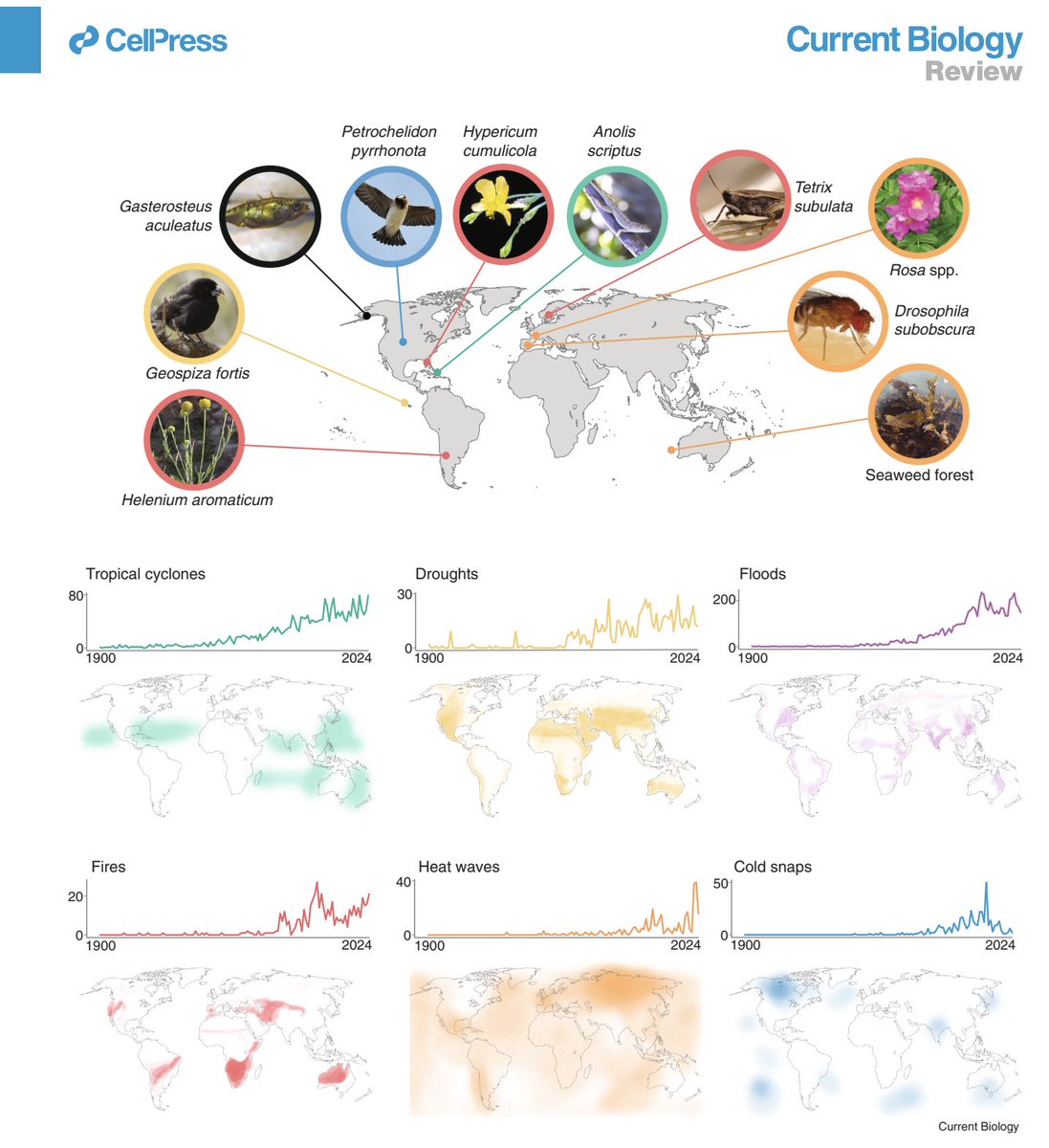
Extreme climate events can catalyze rapid evolutionary change! in our new @CurrentBiology publication, Colin and I argue it’s time to study their evolutionary consequences systematically — beyond opportunistic observations. https://t.co/q5TNC1vzhv
To help them with a smooth start, we organised an introduction session where they got the opportunity to present themselves and their project to the lab group and their fellow students. Keep an eye out for more updates from our lab, including the student projects!
Let’s kick off the new academic year! 🎉 FunMorph welcomes 12+ @UAntwerpen master’s students this year, studying everything from boxfish 🐡 & sharks 🦈 to cats 🐆, otters 🦦, lizards 🦎, ducks 🦆 & canaries 🐤 #masterinbiology
A lizard in sight whets the appetite? 🦎 Read how conspecifics influence island and mainland lizards’ foraging decisions in @UAFunMorph's new paper by Ioanna Gavriilidi! Link to the full article: https://t.co/upt09t4F0z