How can a robot fish help explain the origins of walking? 🤖🐟
Researchers @Cambridge_Eng have built a fish-like robot to study how some fish move on land, shedding light on how early vertebrates may have evolved walking hundreds of millions of years ago.
Find out more: https://t.co/mjfKI6gycI
The deadline is fast approaching!
We are looking for an Assistant Professor in Plant #Biodiversity and #Conservation
https://t.co/eqDJ59Od8V
Deadline: November 14th.
Our work on mammalian hallucal grasping, led by Irene Montañez-Rivera during her time in the Nyakatura group, is out now in iScience. A true team effort; thanks to the whole crew for inviting me to contribute a small piece! https://t.co/yYEmau4V6H
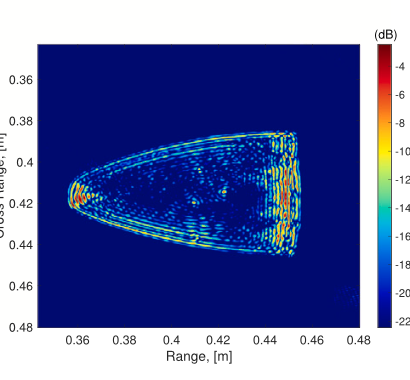
Taking synesthesia to the next level: EON PhD student Huimin Liu has developed a cool new method to visualise ultrasound absorption and reflection by small objects such as earplugs and, more relevantly to our work on acoustic camouflage, moths! https://t.co/F0QTszUAhw
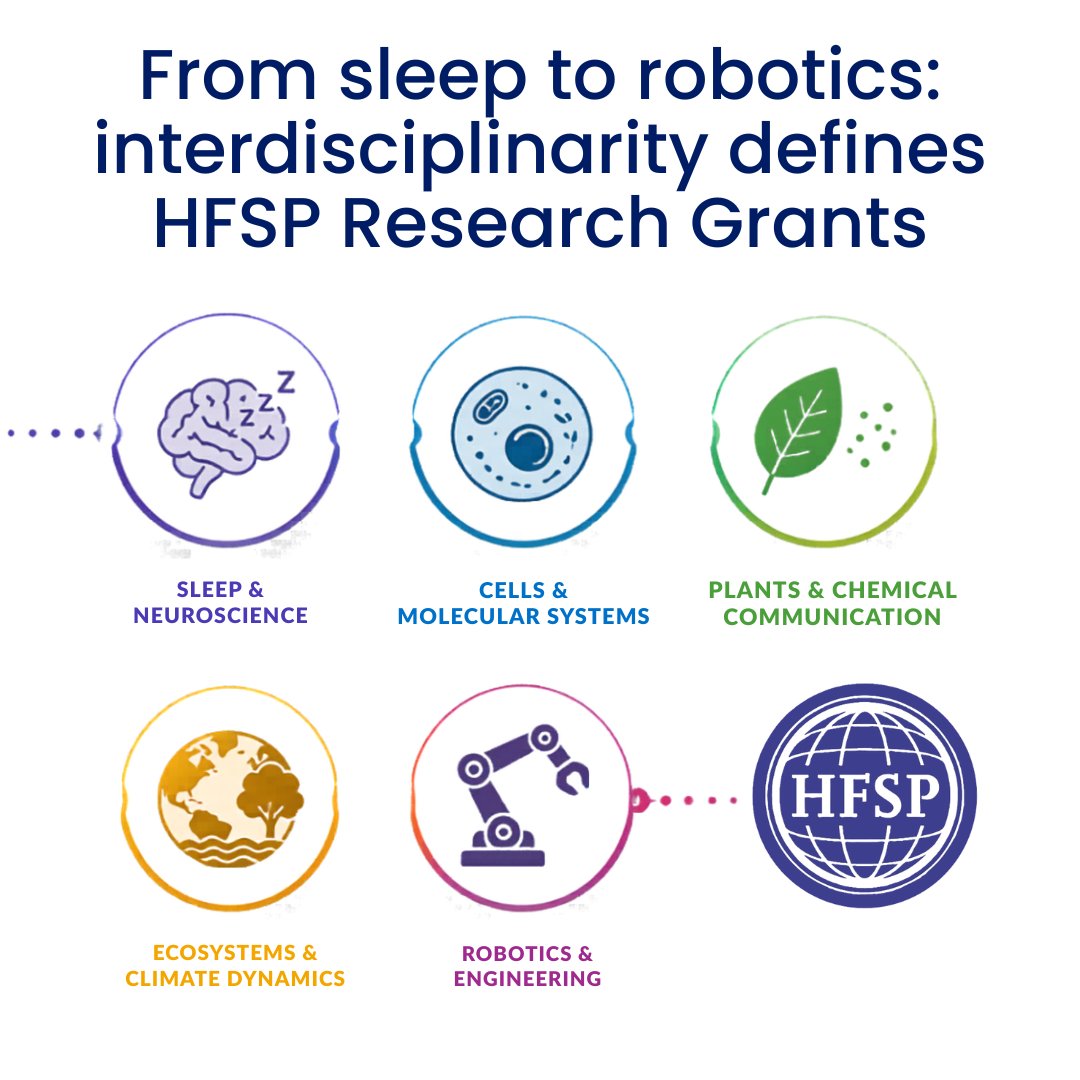
🧪 From sleep to robotics, from cells to ecosystems: HFSP Research Grants bring together ideas across disciplines to tackle complex questions in the #LifeSciences.
Interdisciplinary by design.
Read more 👉https://t.co/xA5Kqw4LWO
#HFSP#sts
Bluefin tuna can stretch 3 meters, weigh a metric ton, and reach speeds of 60 kilometers per hour.
Yet they still turn on a dime when hunting, thanks in part to their lymphatic systems.
Unlike humans, who use their lymphatic systems to produce and transport white blood cells, tuna use theirs to move two of their fins, research finds.
Learn more on #WorldTunaDay: https://t.co/SIWsBWw3Nx
📝 Registration now open!
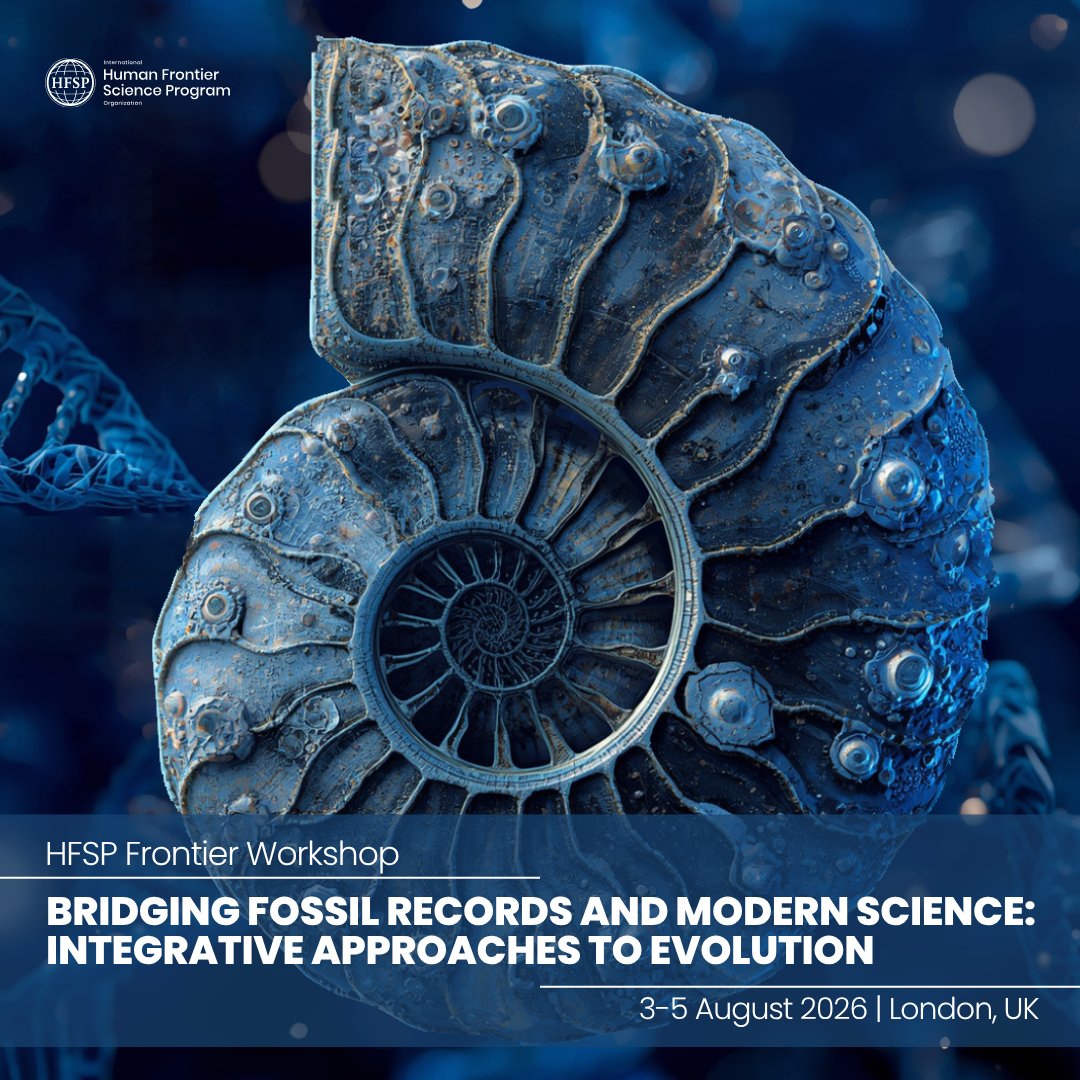
Join the HFSP Frontier Workshop on Integrative Approaches to Evolution!
📅 3–5 Aug 2026 | London
🔗https://t.co/GoLmOFlQVn
#HFSP#Evolution#Paleontology 🧪 #sts
🚨 We’re Hiring! 🚨
Journal of Anatomy is looking for a new Editor-in-Chief to join one of the world’s most respected platforms in anatomical science.
Passionate about advancing scholarly research in the anatomical sciences?
Visit the link - https://t.co/OkK98tODFp
Do dark materials always warm up more than light materials? Not if their reflectance in the visible and NIR wavelengths are decoupled, as seems to be the case in some integument and eggs. 😎 new research led by @JGoldenbergEvo
https://t.co/3RzyD3WvBC
The color of a blue-footed booby’s feet comes from carotenoid pigments obtained through their marine diet, and the brighter the feet, the more attractive the bird is to a potential mate.
They are one of the most iconic species of the Galápagos Islands
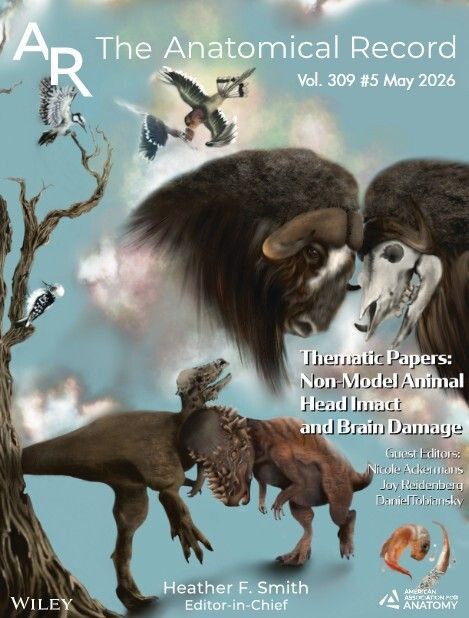
New Special Issue exploring brain injury in nonhuman animal models. From woodpeckers to muskoxen, species that naturally endure head impacts may hold clues to resilience against brain injury
https://t.co/MveQrk8zek
Edited by Ackermans, Reidenberg & Tobiansky
Often labeled “the world’s most dangerous birds,” cassowaries just got even more intriguing.
The aggressive, flightless birds have structures on top of their heads called casques, the purpose of which has long confused scientists.
To the human eye, casques look fairly plain—but new research finds this headgear fluoresces under ultraviolet light, possibly aiding the birds’ visual displays.
Learn more: https://t.co/mWbTaSSca2
I'm blue baba di baba da
but not through a blue pigment because those are unstable and complex, so instead I have a quasi-ordered nanostructure of keratin and air in my feather barbs
baba di baba
https://t.co/iTDztrS55F
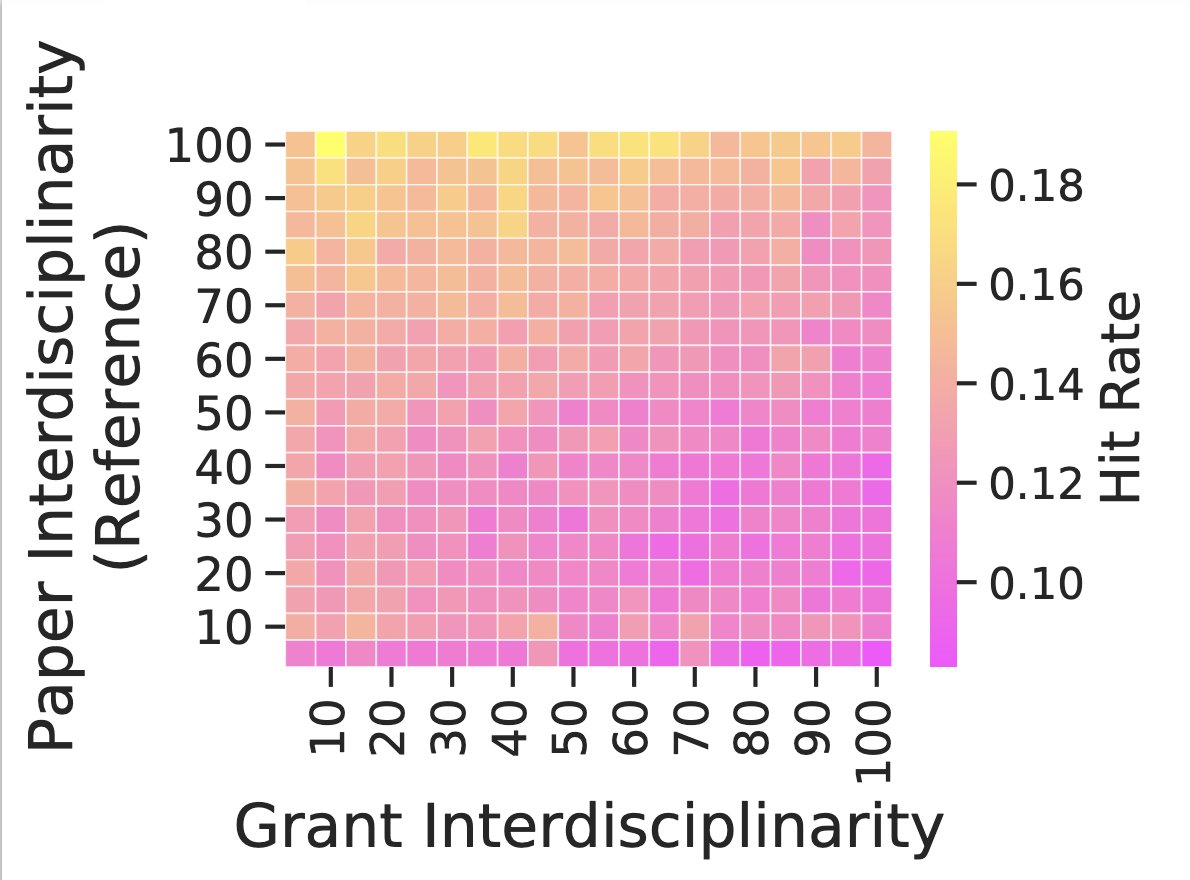
Interdisciplinary grants produce fewer papers and lower-impact work than disciplinary grants. Counterintuitively, deeply disciplinary grants are disproportionately more likely to produce high-impact interdisciplinary research. In PNAS Nexus: https://t.co/xVUYc6uSvQ
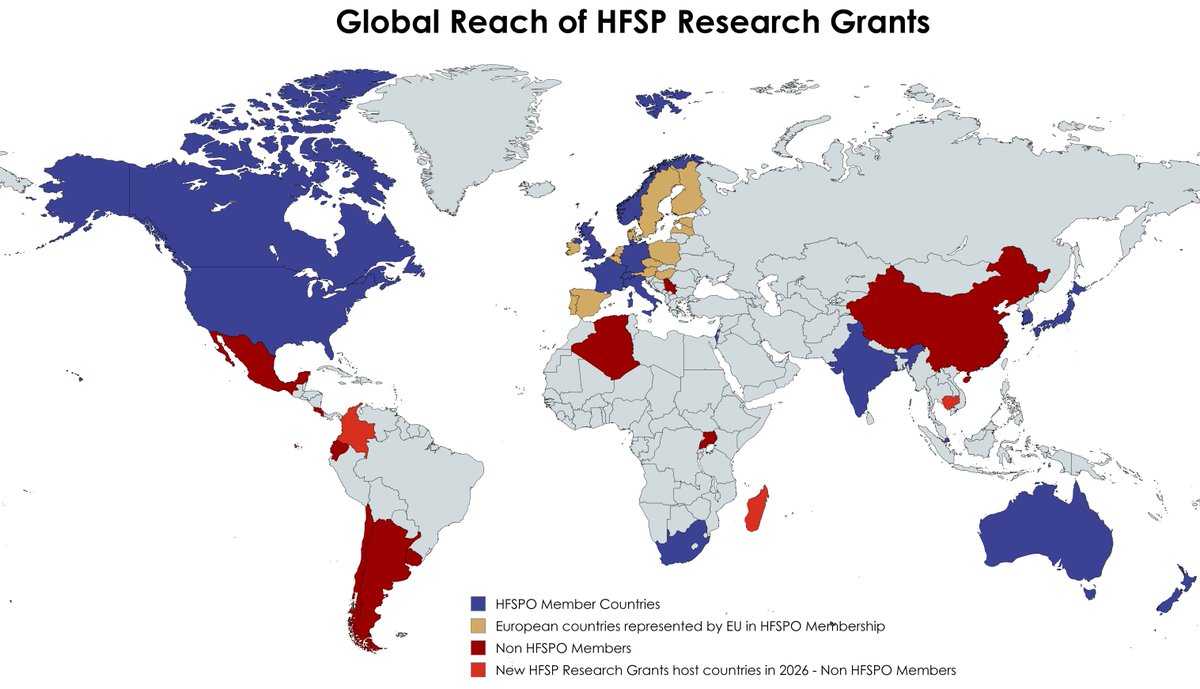
🧪 New countries join the HFSP Research Grants!
Scientists based in Cambodia, Colombia and Madagascar are now part of international research teams 🌍
A growing global network, now spanning 44 countries.
🔗https://t.co/dHacIK9b0F
#HFSP#HFSPResaerchGrants#sts#HFSPAwards2026
📢 The #HFSP Frontier Workshop is back! And it promises to bridge Fossil Records and Modern Science!🦖Join us in London from 3 to 5 August 2026 and connect with an international, interdisciplinary community to explore integrative approaches to evolution. https://t.co/mRGiTRhEFw
Ball pythons get their name from a classic defensive maneuver: They coil up into a ball and tuck in their heads. But their scales conceal another, far more subtle form of defense: microscopic spikes that inhibit bacterial buildup.
The discovery could inspire antimicrobial materials that work mechanically rather than chemically.
Learn more: https://t.co/GsXZ5M0ao3
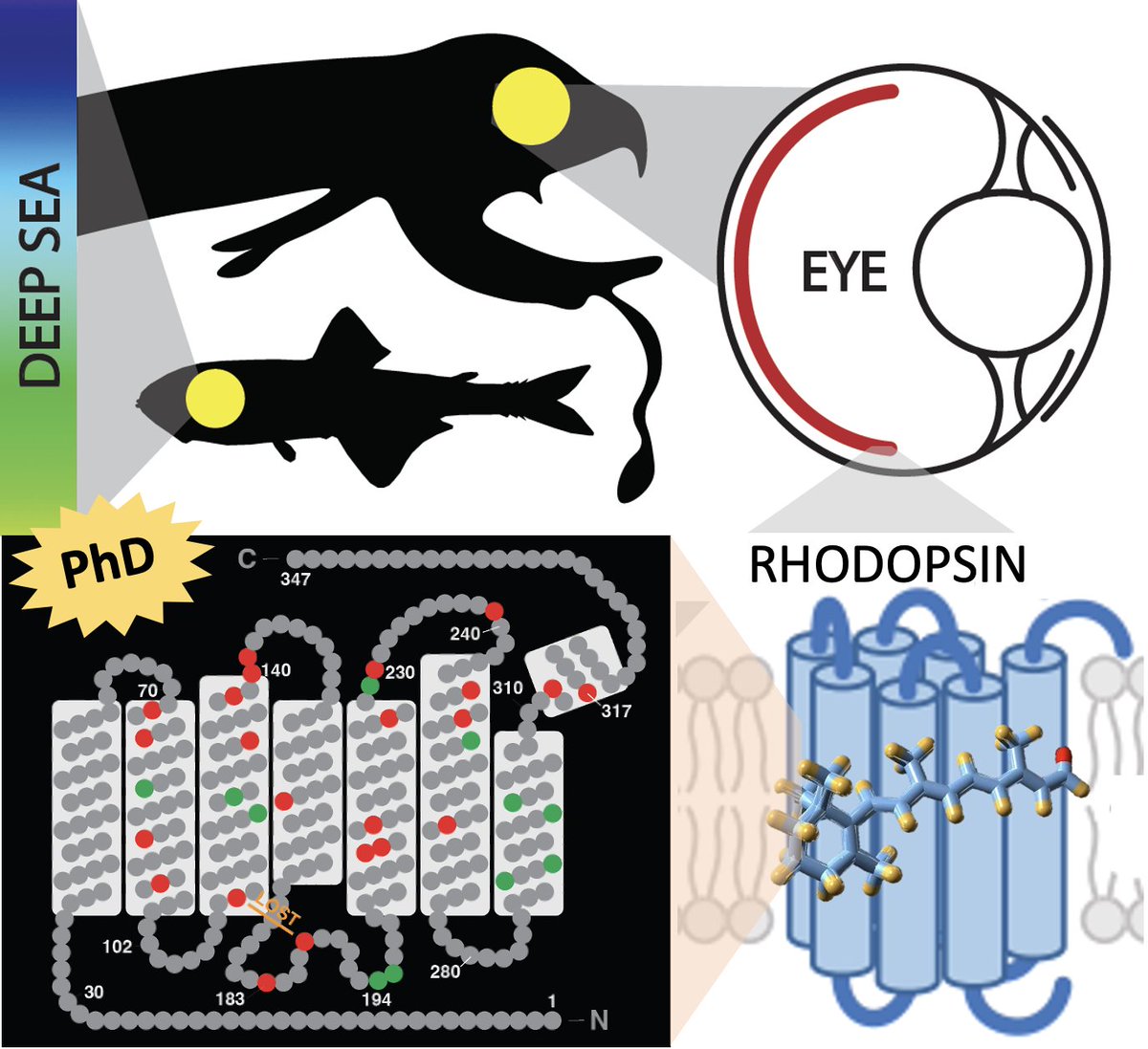
Insterested in #rhodopsins and #evolution? Looking for a #PhD? We're offering a PhD position combining both - and in deep-sea fish!:-) From protein to genes & zoology (and back). Deadline soon:-) More info: https://t.co/FUtva3Fy3h