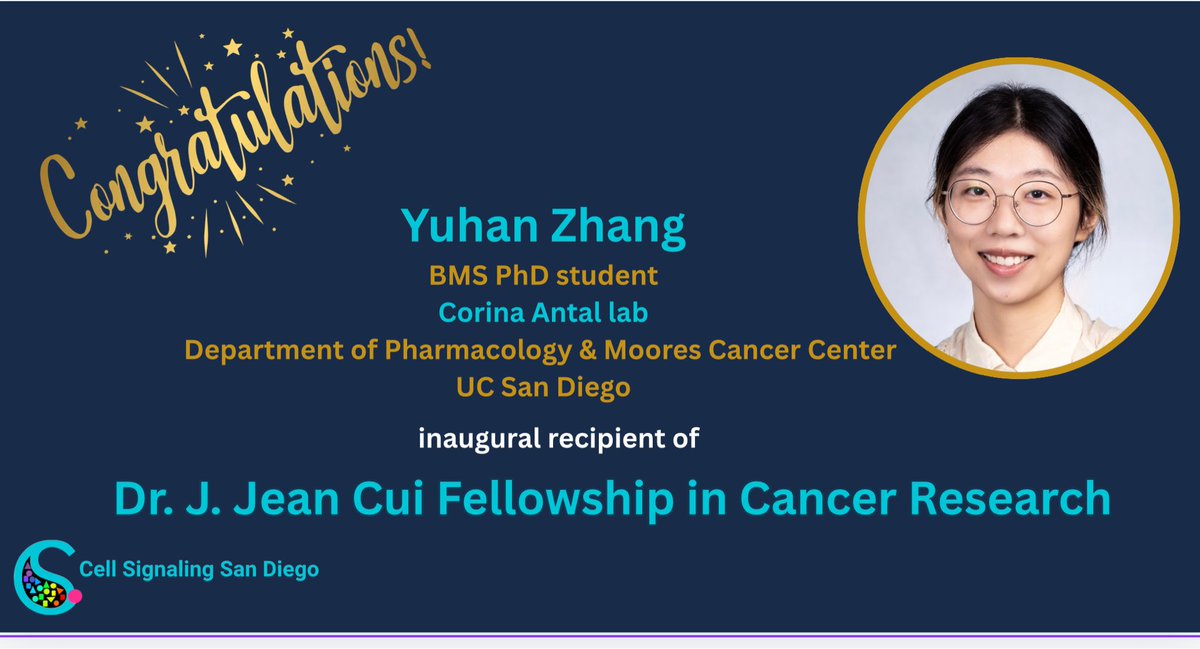
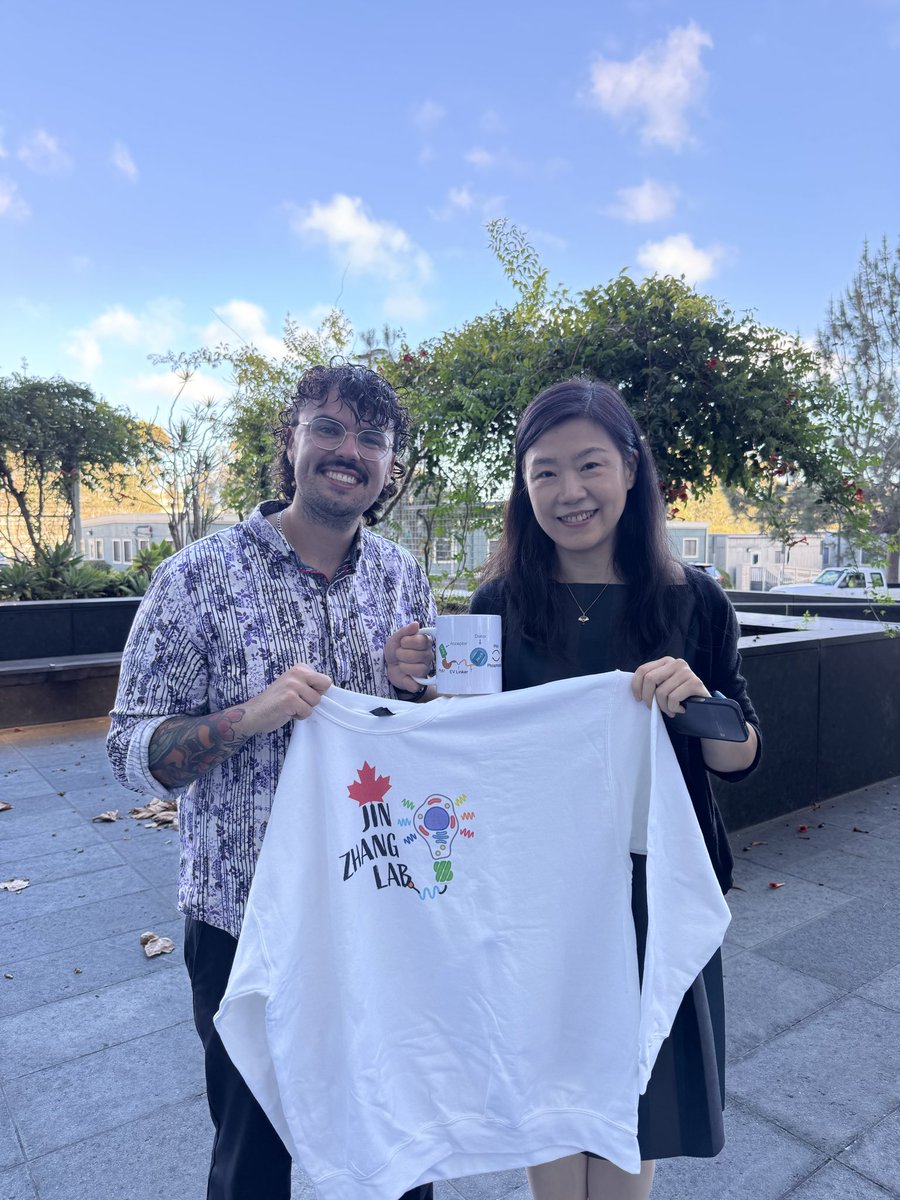
So proud of my first @UCSDBMS@UCSDPharm PhD student, Yuhan Zhang, for receiving the inaugural Dr. J. Jean Cui Fellowship for Cancer Research! Huge thanks to Dr. Cui and @CellSignalingSD for supporting the next generation of cancer researchers and making this possible.
🔬 Excited for the Department of Pharmacology Scientific & Training Grant Retreat 2026!
Join leading researchers, trainees, and alumni for a day of breakthrough science, networking, poster presentations, and inspiring talks shaping the future of biomedical research.
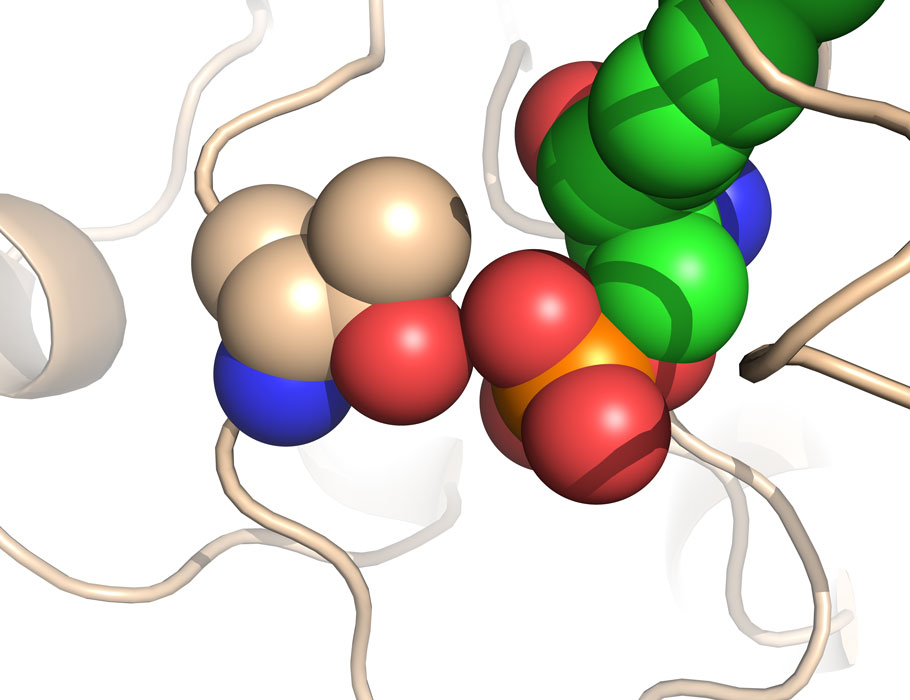
Featuring on the cover of the latest issue, Emmet A. Francis (@UCSDPharm) and colleagues observed that interplay between store-operated #calcium entry and #mitochondrial phosphate handling modulates force and #fatigue during exercise 🔬 🚴
🔗 📜 https://t.co/zwyZ1C7WUl
📢 New review from the Zhang Lab in @naturemethods led by @AMMGest !
Explore recent advances in fluorescent proteins and biosensors, including improved photostability, high-throughput screening, quantitative imaging, and multiplexing.🔬 Check it out!
https://t.co/3lWUKGdRjf
A recent biochemical analysis examines how a family of enzymes called atypical protein kinase Cs can have opposing effects on the growth of tumor cells—answering a persistent question in #cancer biology. #Biochemistry@UCSDPharm@NewtonLab https://t.co/cJZnK7DVgX
Published today in Nature Genetics, our lab research team reveals how pancreatic cancer cells shift between subtypes and adapt within tumors. These insights could help advance more effective treatments for patients.
https://t.co/72SlKBcJA1
A new biochemical analysis examines how a family of enzymes called atypical protein kinase Cs can have opposing effects on the growth of tumor cells—answering a persistent question in #cancer biology. #Biochemistry@UCSDPharm@NewtonLab https://t.co/cJZnK7DVgX
Congratulations to Dr. Palliser Shomody on successfully defending his thesis! 🎉 It was wonderful to celebrate with so many friends, family, and colleagues, along with cake, champagne, and the gifts! We’re excited to see what’s next for him. Congrats, Dr. Shomody!
Why do aPKCs have both tumor-suppressing and tumorigenic effects?
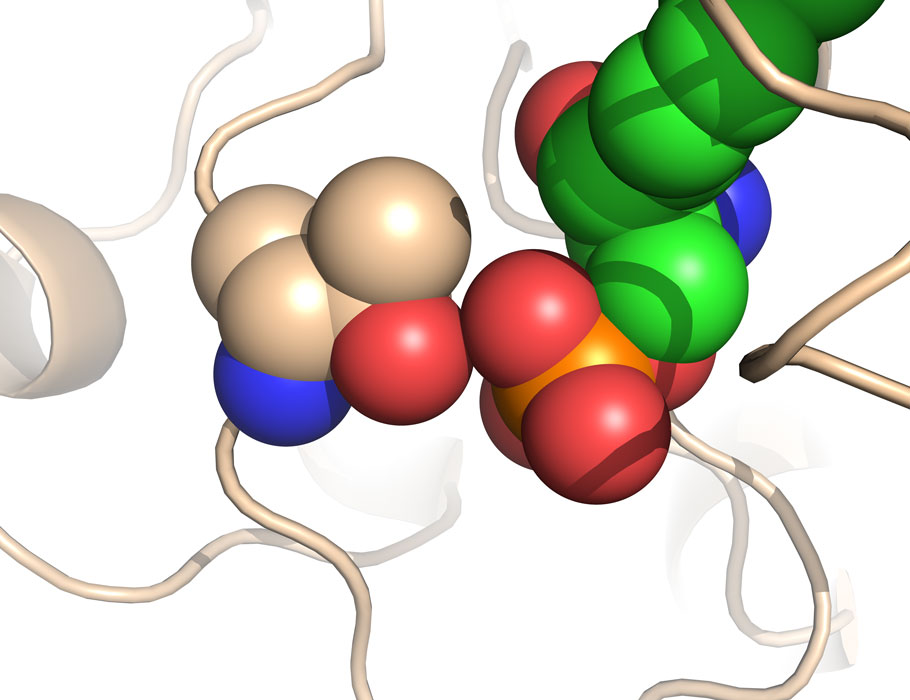
New work links this contradiction to whether they are altered by S1P or PDK1, which target the same site but engender opposite effects on #apoptosis. @UCSDPharm@NewtonLab https://t.co/cJZnK7DVgX