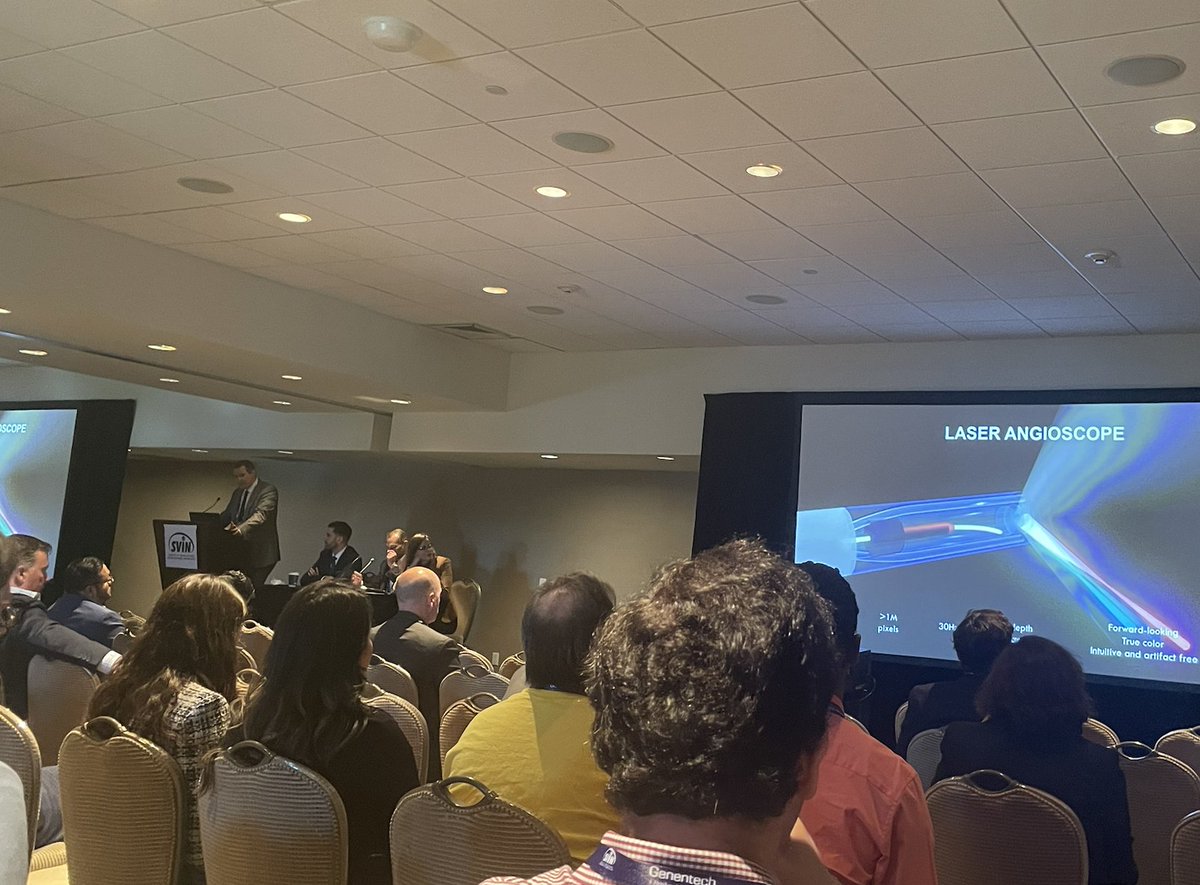
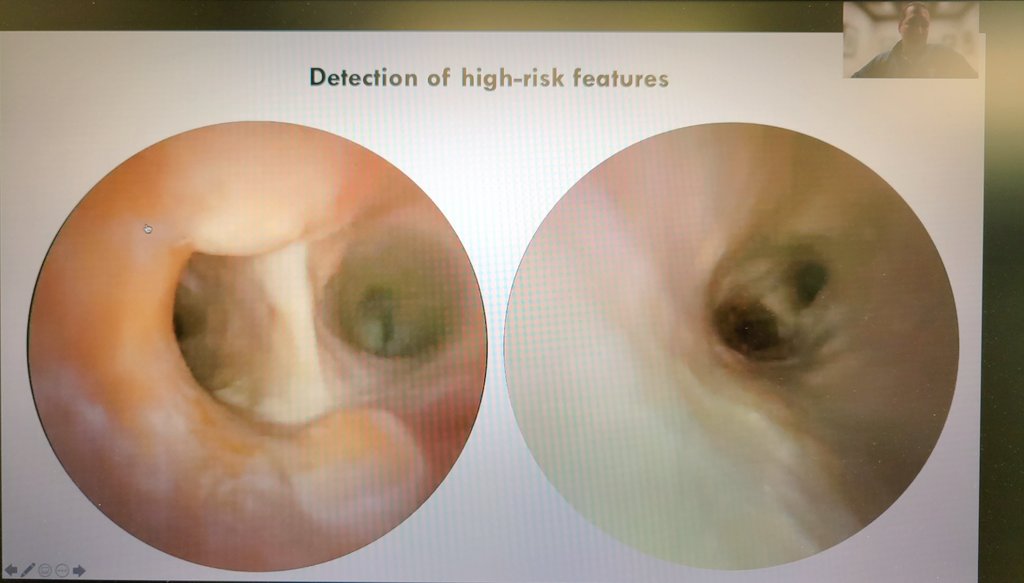
Led by @SavastanoLuisMD at @NeurosurgUCSF, we are taking unmet clinical needs of neurosurgery to the bench and bringing back meaningful solutions to the bedside
What a privilege to be part of the team that made this possible. My utmost gratitude to Dr. Pedro Lylyk, a true master and pioneer, and all his team at the Clinica La Sagrada Familia (Buenos Aires, Argentina).
The best is yet to come ;-) https://t.co/oQu4OVkD7t
Congratulations to our three teams of @UCSF_Catalyst awardees! 🎉 The awards support their innovative research projects developing new technologies for patients with #glioma & #ParkinsonsDisease as well as minimally invasive surgical approaches.
@DorisWangLab@RithvikRamesh6
We are hiring post docs! Looking for motivated people interested in translational research with a focus in endovascular device development for neurosurgical/neurovascular diseases. Prior cadaver/animal research experience is preferred!
Reach out @ [email protected]
Time for an upgrade! We have a new name and location and oh do we have some exciting things brewing! Keep a look out in the coming days and weeks to know! #medtwitter#stroke
Meanwhile check out our webpage: https://t.co/2BNgpqHWMm
@SavastanoLuisMD@MadhaniSarosh@VijayLetchuman
New #publication alert!
How do #strokes occur independent of degree of carotid artery stenosis? Can the mechanical force of blood cause plaque disruption leading to #stroke?🤔
Check out our latest publication which answers these very pertinent questions!
https://t.co/MwzZOW7Uju
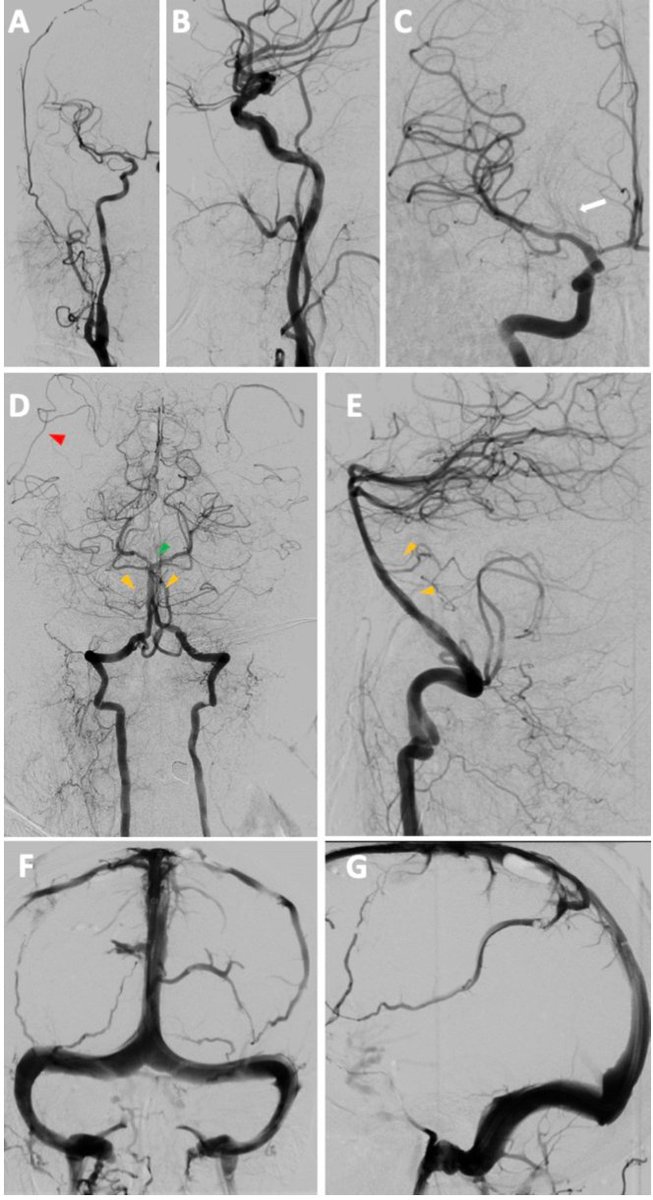
Give up #neurotwitter? Well the correct answer is: a human cadaveric model!
Go check out our recently published paper @JNIS_BMJ which presents this novel model for #mechanical#thrombectomy in #stroke. Let us know what you think in the comments!
https://t.co/s3si4v8TD6
Hey #neurotwitter, here's a little trivia. Where do you think is the #mechanical#thrombectomy happening in the video below:
1. A glass phantom
2. A silicone phantom
3. A large animal model
4. A human cadaveric model
5. A patient with LVO
Let us know in the comments!
#Stroke
Hey #neurotwitter, here's a little trivia. Where do you think is the #mechanical#thrombectomy happening in the video below:
1. A glass phantom
2. A silicone phantom
3. A large animal model
4. A human cadaveric model
5. A patient with LVO
Let us know in the comments!
#Stroke
Hey #NeuroTwitter did you miss us? Well here is a comeback post with our recent work on a new approach to the classic #CEA surgery.
Looking to obtain high quality atheroma specimens? This approach is definitely for you! #stroke#Neurosurgery
https://t.co/GTgzPc6LBW
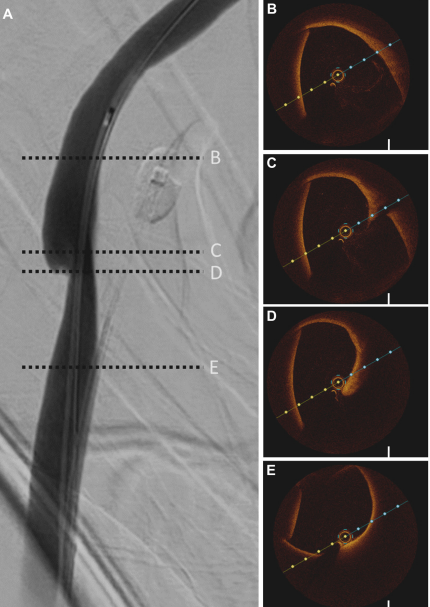
Have you encountered a radial loop before?
On our way to an IMax for epistaxis, we used the microwire & microcatheter to undo a radial loop.
Note how the artery takes its native shape at the end. Like we were never there.
@YoungNIR@cvsection#radial