@KakwenzaRukira@FBI But do these people acquired education?? because how comes someone can mess with the country's finances and is left free especially on international level, shameful 🤔🙆
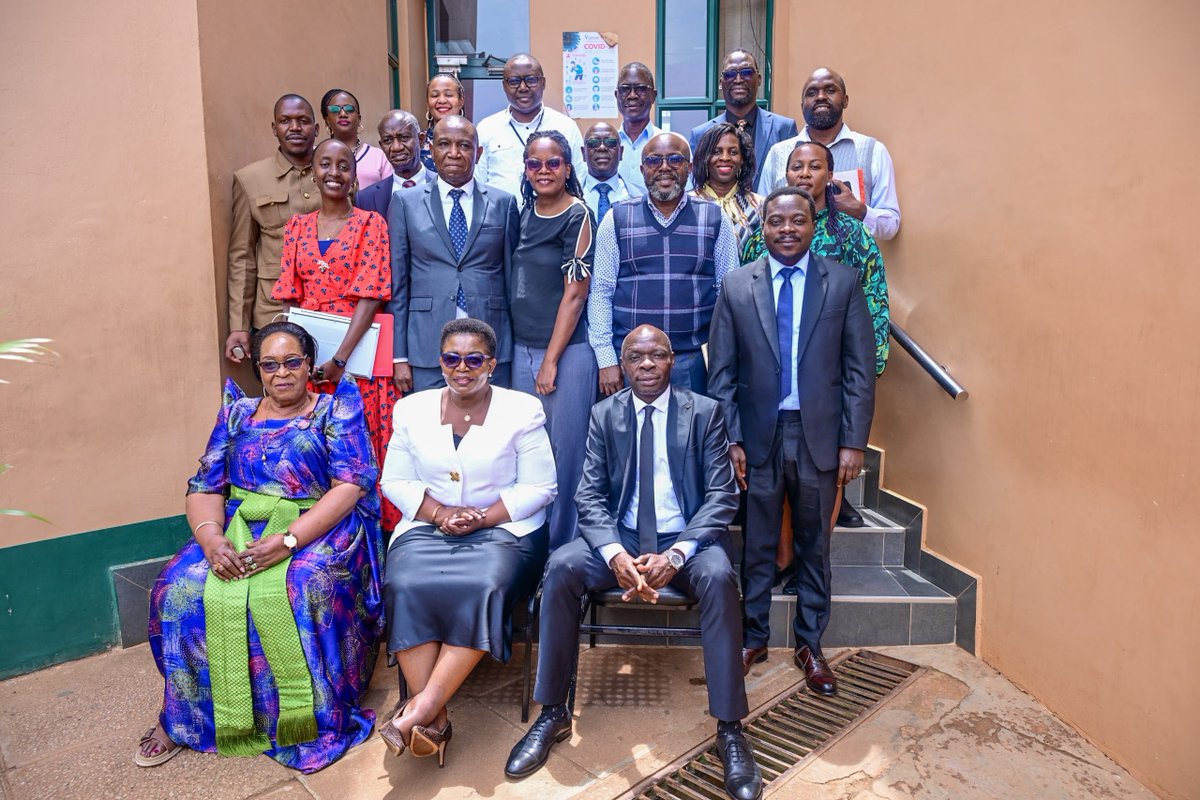
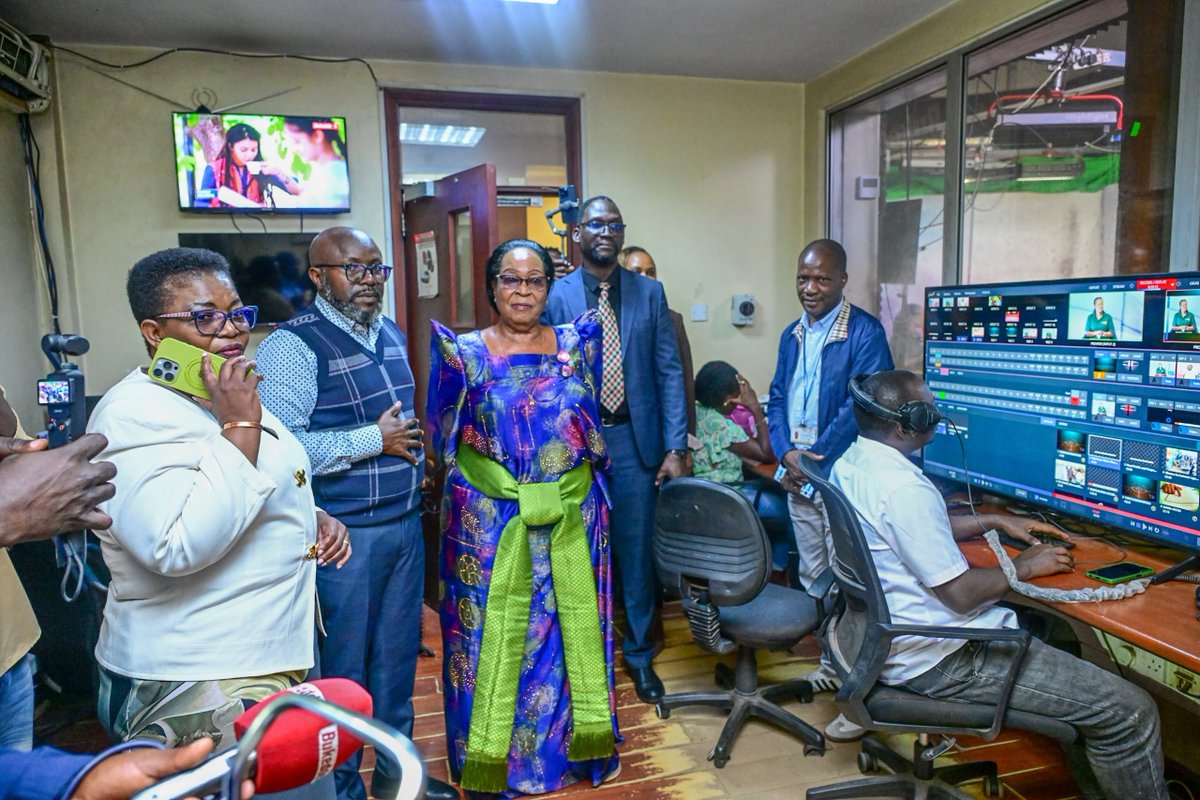
A great pleasure today hosting our sector ministers; @JustineLumumba , Hon Alioni Odria & Hon Joyce Ssebugwawo, who came for a familiarization tour. We appreciate the listening ear given to us & commitment to work together for joint success. @newvisionwire@bukeddeonline #VisionUpdates @MosesWatasa
@amronaldo sometimes I wonder why you exaggerate points, may be to catch attention. The Munyonyo Spur has functional traffic lights almost all the time. Some of us live that side, so stop deceiving the world. About other signages, an easy thing to solve.
Your second photo tells the whole story: there is no speed‑limit sign anywhere, unlike the first. And that is exactly the problem. The Kajjansi–Munyonyo Spur has none of the signage you would expect of an ordinary dual carriageway. The median barrier is still as that on the "Expressway". It communicates nothing to the users. Apart from being dirtier than the KEE, everything else about it feels like an expressway and drivers behave accordingly.
I genuinely do not think there is any signage at the point where you enter the Spur to inform drivers that they are no longer on the expressway. So drivers simply continue at the same speed. Why wouldn’t they? It is still dual carriage, still as wide as the expressway, and on some nights it is better lit than the stretch between the two toll booths. It is not a short distance either. And the only “control measure” in the form of those traffic lightsis dysfunctional 80% of the time.
People use it as if it is an expressway because the infrastructure tells them it is one. Even Traffic Police Officers do not enforce anything on that Munyonyo Spur just like they do not enforce anything on the Expressway. That is why, and I say this without malice and with a heavy heart, Rajiv Ruparelia perished in that crash. And that is why I said at the time that government failed him and is still failing hundreds of thousands of Ugandans because some senior officials in the Ministry of Works and Transport have failed to grasp a basic engineering truth:
There is no universe in which two people, let alone one million, think the same way about road safety.
If human beings thought identically, dual carriageways would not exist. You would just have wide roads.
Road safety is not psychology. It is engineering. And engineering must be used to protect people from the predictable variability of human behaviour. Because the system fails to communicate, fails to guide, fails to warn, and fails to enforce, the users may pay with their lives.
This Spur is a textbook example of that failure.
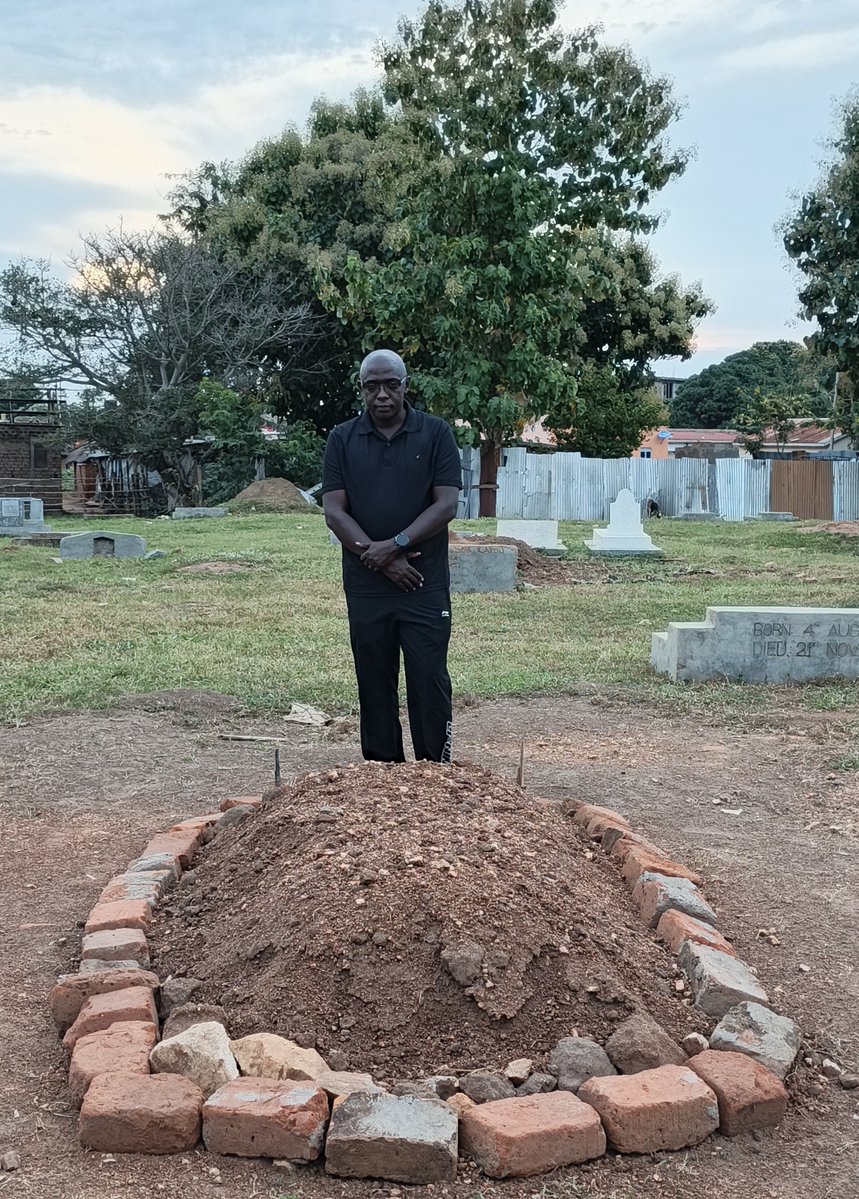
I paid my respects at the simple grave of my friend, elder and leader, Mzee Gen (retired) Moses Ali at Abirichaku Takuwa Mosque in Adjumani, bringing closure to the fact that the once giant general was completely gone and olonger with us.
I had known General Moses Ali for 26 years, having first met him in 2000, after he summoned me to his office at Farmers House, where he sat as Minister of Trade, Tourism and Antiquities.
As a young journalist, fresh from Makerere University, I had written a story about him which he protested because I had not addressed him with his full military rank.
He jokingly said I had written about another Moses Ali not him, because according to him, while I had addressed him as Brigadier Moses Ali, for him,he reffered to himself as General Moses Ali, though at that time, was still demanding for the rank of full General.
He sat me down a lectured me about ranks in the army, and why they take it personally if you misrepresent them.
Thereafter, he went on into the gist of the story about tourism in Uganda, which he complained the media was reporting badly.
When I had entered his office, his size overwhelmed me. He towered up there, as I stood down looking up to him.
But after that encounter, we became close and I would in the years that followed write several stories with him as my source.
The next phase of working with him was even much closer: it was from 2015 to 2022, when I was head of communications and spokesperson at the Office of Prime Minister where he was 1st Deputy Prime Minister.
A stickler to ranks and titles, if anyone referred to him as 1st Deputy Prime Minister, he would protest and say that you are addressing a different person.
You had to state that he was: First Deputy Prime Minister and Deputy Leader of Government Business in Parliament,Rt Hon Gen (rtd) Moses Ali, MP.
General Ali was a towering giant, but he was also a very disciplined man. In all the meetings former Prime Minister @RuhakanaR called, Gen Ali was always the first in the room--waiting. He hated late coming and would rebuke anybody who arrived after the Prime Minister had sat in the Chair.
Gen Ali was a consumate reader. whenever we delivered meeting documents to him, he would straight away dive into them and never came to meetings unprepared. He would tell you and refer to pages and paragraphs in thick documents, without going back to them.
One time, he detained a team of technical people from ministries of Water and Environment and Agriculture who had presented a document on irrigation policy-- that he suspected had not been read. It was about 500 pages.
He asked security to close the door, with him and the officials inside and ordered that the document be read from cover to cover. We sweated, but it paid off.
And at the end of meetings, Moses Ali always announced that: Departure is in reverse order--the most senior first, and the lowest rank last.
He was tough and firm, but also very kind and generous.
We miss you.
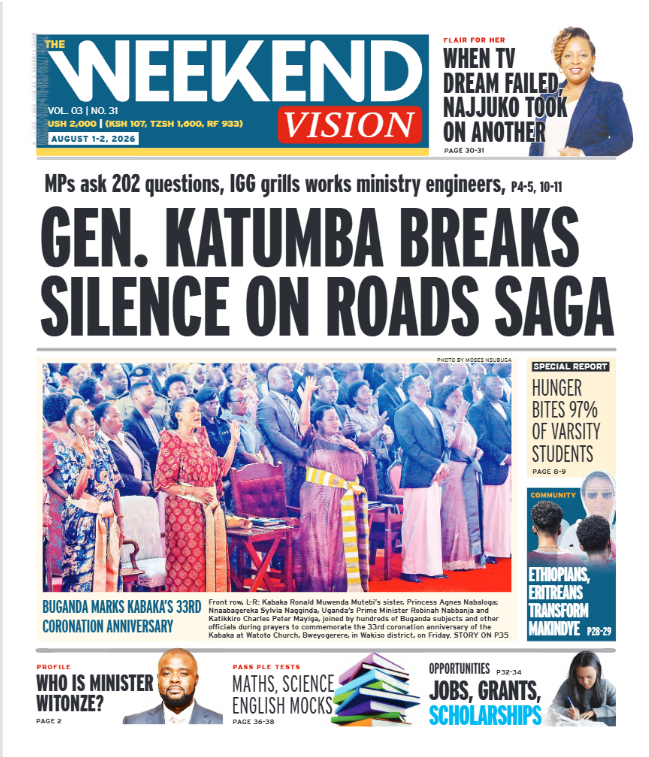
There are statements being made that are difficult to reconcile with the fact that they come from individuals who have occupied the highest echelons of power in this country for so long. After reading the interview with Gen. Katumba Wamala (the former Minister of Works and Transport) now Minister of Public Service and he can may be get me fired for this if he chooses to.
I am genuinely unable to understand how he could make some of the claims he has made in this interview. In attempting to deflect responsibility, he may have inadvertently implicated himself as the person who initially drove the exponential escalation of the project cost.
1. The UNRA Act clearly defined the “Minister” as the Minister responsible for roads.
2. Under Section 5(3), this Minister was expressly charged with the general supervision of the Authority. That supervisory mandate was not symbolic; it was legal and operational. I actually remember when he summoned ED & other Directors from UNRA and they had to wait for over an hour. I remember one of them complaining about time wastage.
I also remember the before him Hon. Monica Azuba Ntege (RIP) summoning UNRA over road crashes on Kampala - Masaka road. The meeting that birthed "Operation Fika Salama".
3. The same Act gives the Minister extensive powers.
Section 7 outlines these powers, and Section 8(2) states that the Board of Directors are appointed by the Minister with Cabinet approval. This means the Minister had direct influence over the governance architecture of UNRA.
4. The claim that the Executive Director was “self‑accounting” is incorrect.
Being an Accounting Officer does not make one a self‑accounting entity. Permanent Secretaries are Accounting Officers, yet they are not self‑accounting.
5. Then comes his own admission:
He states that upon receiving the technical committee’s report (after UNRA was disbanded), he wrote to the Prime Minister and the Minister of Finance, informing them that he had constituted a committee, that it had completed its work, and that it had recommended continuing with the current contractor only if the contractor accepted the committee‑recommended rates.
The committee’s estimated cost was UGX 1.018 trillion, not UGX 1.37 trillion.
Yet under his watch, the Ministry proceeded to sign off on UGX 1.37 trillion. Therefore, whatever was added to the original contract. the entire inflation from 547.5 Billion to 1.37T occurred under his direct supervision and with full knowledge of the committee’s lower recommendation.
I rest my case.
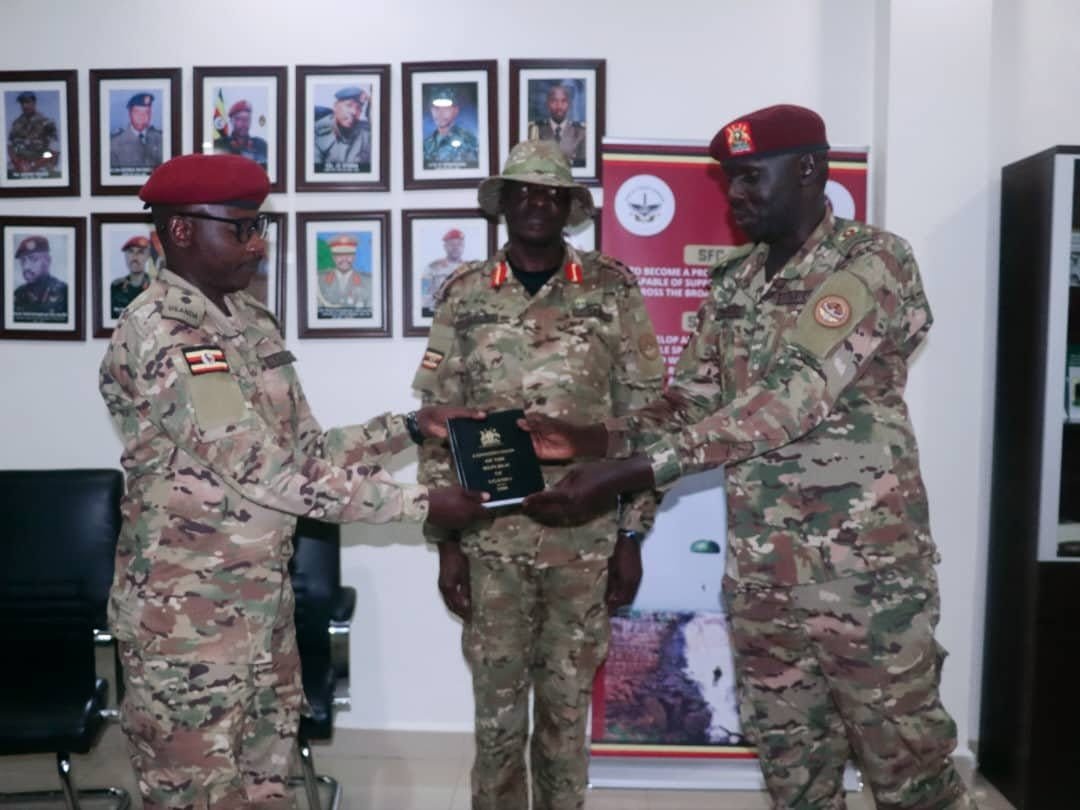
Major @jimmyomara2 has handed over SFC Public Information Officer (PIO) duties to Capt. J. Kabandize for a one-year tenure. Omara is now set to complete yet another mission. All the best Afande Omara. You will be missed.
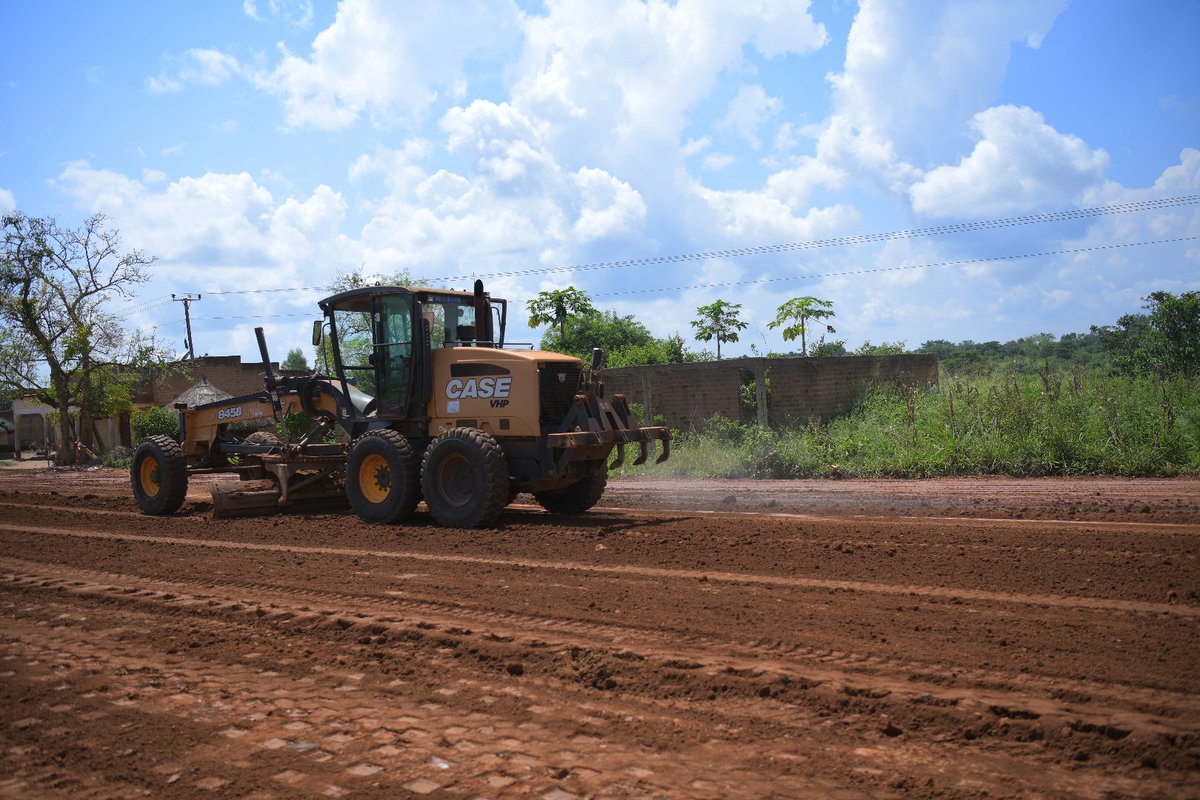
Works are progressing on the 191km Rwenkunye–Apac (90.9km) and Apac–Lira–Puranga (100.1km) road projects in Northern Uganda, funded by the Islamic Development Bank (IsDB).
The Rwenkunye–Apac project is 68% complete, while Apac–Lira–Puranga has reached 82% physical progress.
Rwenkunye–Apac is being constructed by SAK Construction General Trading & Contracting Company, while Apac–Lira–Puranga is under construction by Gulsan Insaat Sanayi Turizm Nakliyat Ve Ticaret A.S. Both projects are supervised by M/S Dar Al Handasah Consultants.
The projects will improve connectivity, trade and movement of people and goods, support socio-economic development, and reduce travel time across Northern Uganda.
We see Mr Winstone Katushabe, the guy in Charge of Transport Regulation and Safety working very hard to fix the mess they could have prevented years ago. 👏🏾👏🏾👏🏾
📤 To all Ugandans,
We've walked this electoral journey together, and tomorrow marks another, important milestone. Let's turn out in large numbers and vote only for NRM flag bearers in the LC I Chairperson elections. Together, let's complete the cycle with a resounding victory.
#LocalCouncilElections
#VoteNRM
@pearlbank_ug has made one year since it's rebrand. Congs! It was such a pleasure joining @JKakeeto & his team at their new head office in Kololo, where he gave us a guided tour of the magnificent facility. We appreciate the partnership & @VisionGroup is proud to be a partner. @newvisionwire@sidneymiria #VisionUpdates
Interesting Times!!! Kagadi RDC refuses to commission a new building citing lack of BOQs to assess accountability. Now people fear for their names getting involved in any corruption scandals.
Uganda is getting back to normal slowly slowly. Thanks to @mkainerugaba
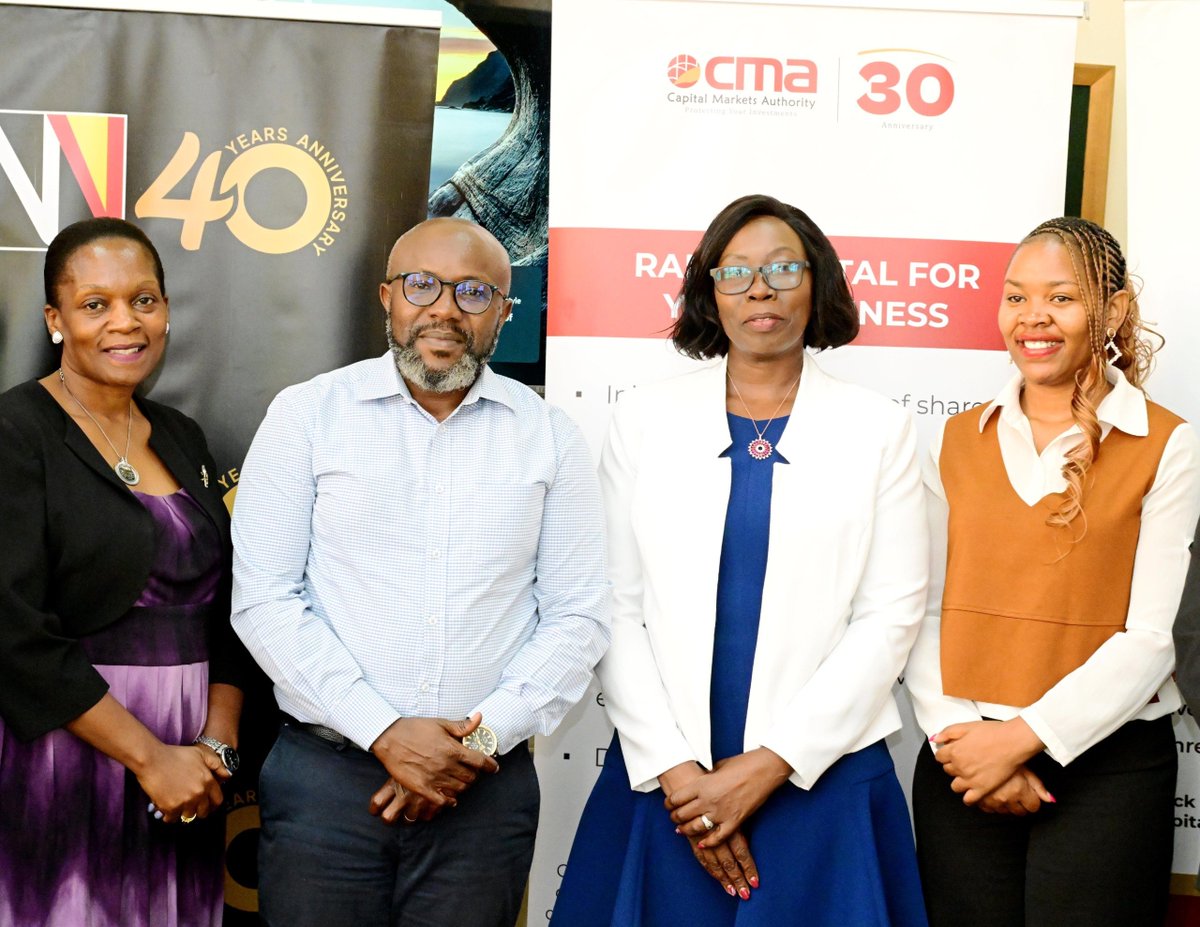
@CmaUganda turns 30 this year. What a journey it has been & what a great future awaits. It was a pleasure meeting the CEO Josephine Okui Ossiya, .@lyn2ki & team, as we firmed up our partnership ahead of these celebrations. @newvisionwire#VisionUpdates#CMAat30
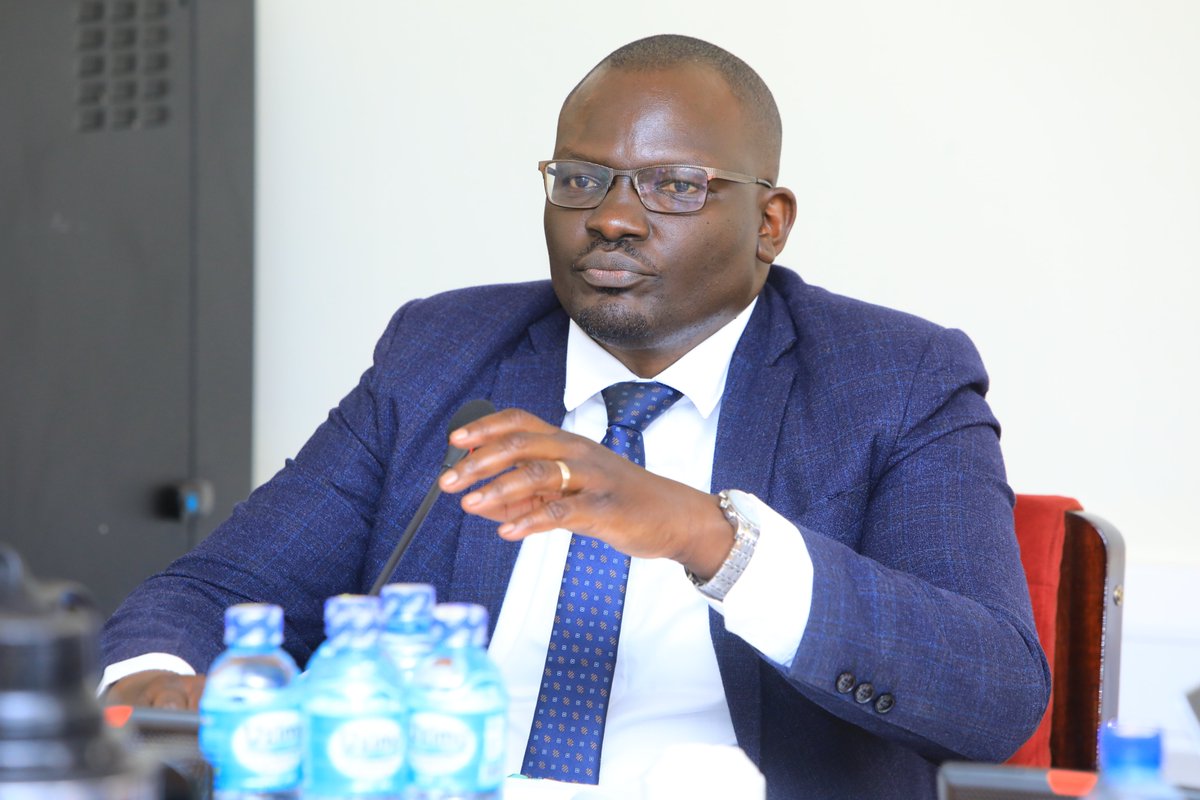
Samuel Opio (Kole North) asked the Ministry of Works and Transport to explain how the Kapchorwa bus from the Central Region was able to drive through Kampala to Kapchorwa without any detection along the way and also asked why the Ministry hasn’t tightened the tests conducted on drivers at the point of issuance and renewal of driving licenses to ensure that the drivers are in good health condition.
He asked, “The question is, how could the bus leave Ndeje which is in Luwero cross to Kampala, all the way up to Kapchorwa and they could not detect it along the way itself if we have any clear enforcement mechanism or arrangements in place to address some of these things. Several times, we have gone for renewal of the driving permit, but I noticed that visual tests are not done.”
Courtesy Photo
REST IN HEAVENLY PEACE LITTLE ANGELS. SAY HI TO MY SON.
As God is my witness, I do not go out of my way to look for weaknesses in government. But the story in today’s New Vision about the road crash that killed anywhere between 25 and 30 primary‑school children seemed to imply that the responsible MDAs mounted a coordinated, unified response. In reality, no such unified response occurred.
What we saw instead were isolated, uncoordinated appearances by individual ministers:
- Hon. Muyingo, the Acting Minister of Education and Sports, announced a ban on school trips while standing at King David School.
- Hon. Kasule Lumumba, the Minister of ICT, issued a government statement at the Uganda Media Centre.
- Hon. Maganda, the Minister of State for Transport, later read a very brief statement.
- Hon. Engola, the Minister of Disaster Preparedness, did not address the disaster at all.
These were parallel statements, not a coordinated national response. And they all shared one thing in common: they were budget‑neutral. Not a single MDA proposed immediate funding for emergency support, nor did any propose future investment in substantive road‑safety measures.
Yet this was a tragedy that demanded the highest level of government coordination. A unified response should have included a single multi‑agency meeting starting by 8:00am and ending by 11:00am and then Hon. Minister of ICT would give a true unified response from government. The meeting should at the very least had representation from:
- Ministry of Works and Transport
- Uganda Police
- Ministry of Health
- Ministry of Education
- Office of the Prime Minister
This is standard practice in countries with mature road‑safety systems. It ensures verified casualty numbers, coordinated messaging, technical investigation, and immediate support to families.
Instead, the nation was left with contradictory statements and symbolic measures. Painting school buses a single colour was proposed, a measure with zero impact on road‑safety outcomes. The Director of Traffic then contradicted this by noting that most school buses are hired PSV buses and cannot be painted as school buses. Hon. Muyingo’s ban on school trips was a temporary emotional measure, not a solution to the underlying causes of road crashes involving school children.
Meanwhile, the country was in shock. The grief felt was equivalent to national mourning. Parents were in incomprehensible agony. A unified government response should have included:
- Counselling services at the school
- Free transport for parents who needed to travel to hospitals or mortuaries
- A central information desk for verified updates
- A technical investigation team deployed within hours
- A joint press briefing with consistent information
None of this happened.
OVER Twenty‑five children died in a single crash. The nation deserved a coordinated, compassionate, technically competent response. What it received instead was fragmentation, contradiction, and cosmetic measures that require no investment and deliver no safety improvement.
He has troubles of trying and failing to defraud the same man! We shall soon reveal the ref number under which Natif concocted and reported the man and case was dismissed.
Mr. Natif, Commissioners are in charge of policy formulation. They don't implement or enforce policy. Implementing and enforcing our road safety policies, laws, and regulations falls elsewhere, and you know where. Don't shift the blame.
📤 Attention all NRM Party Members! Please take note of the dates for the following activities and mobilise fellow Members to take part. #LocalCouncilElections#VoteNRM
The guy in charge is called Mr Winstone Katushabe.
When Kiteezi happened, President Museveni rightly fired @KCCAUG leadership; Dorothy Kisaka et al.
We have several Kiteezi’s happening on our roads every week but the same guy has presided over the chaos for 20 years or so.
20 years of steering this country to one of the worst road fatality records in the world.
How do Mr Katushabe and his people in @MoWT_Uganda still have jobs?
"Our village barazas are an opportunity to present our flag bearers and rally support for leaders who will champion the interests of every village." - @emmanuel_dombo#LocalCouncilElections#VoteNRM