The UMass Paros Center for Atmospheric Research (formerly CASA) is searching for a faculty director. It is a joint appointment between Electrical & Computer Engineering and Geosciences. Details below. Please circulate.
✈️We’re fly-nally ready to share some great news:
We've received funding from @NSF for a state-of-the-art radar that will be a transformational tool for understanding extreme wx. The Airborne Phased Array Radar (APAR) will be flown on our C-130.
Details: https://t.co/d62D3Enihg
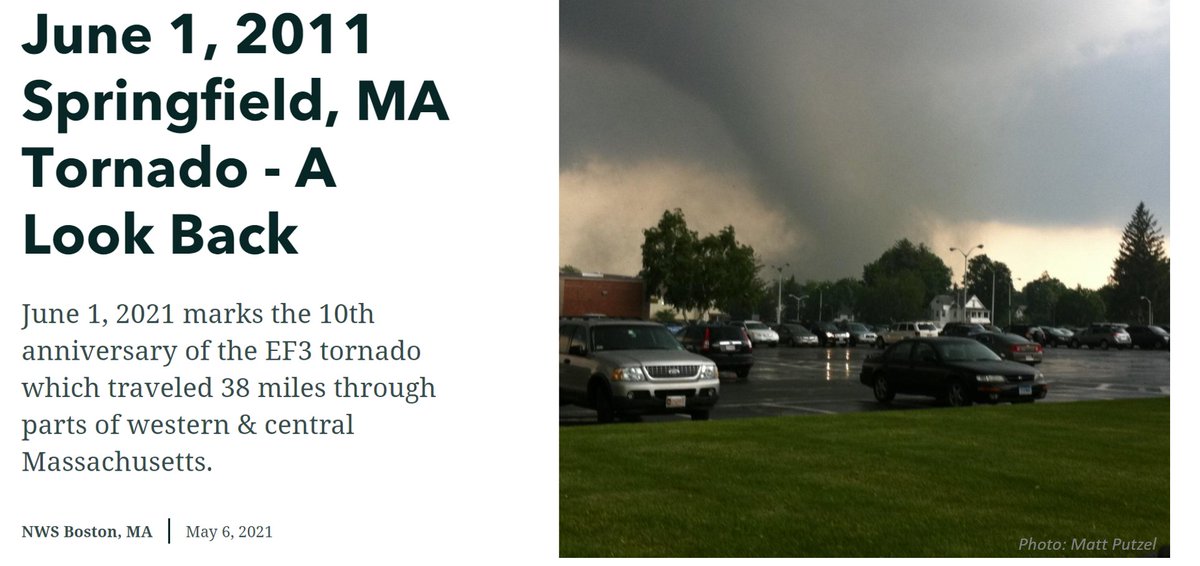
A week from today, June 1, 2021, marks the 10th anniversary of the devastating EF3 tornado which traveled 38 miles through parts of western & central MA. In this Story Map we go through the events of the day & the meteorology behind this devastating storm. https://t.co/gzyS3EKsKh
Interesting dynamics captured by the SKYLER X-band phased array radar (top panels) during last week’s snowstorm and an interesting comparison with NEXRAD (yes, it is animated as well) @BrookhavenLab@SoMAS@stonybrooku@armnewsteam
Washington, D.C. — Capella’s 50 cm x 50 cm Spot imagery captures the beauty of the United States Capitol. The dome is an ambitious work of neoclassical architecture only surpassed by the democracy which it represents.
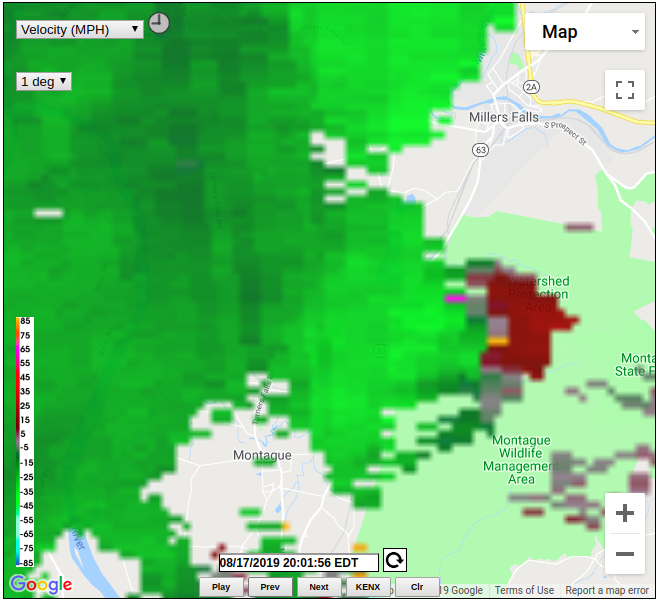
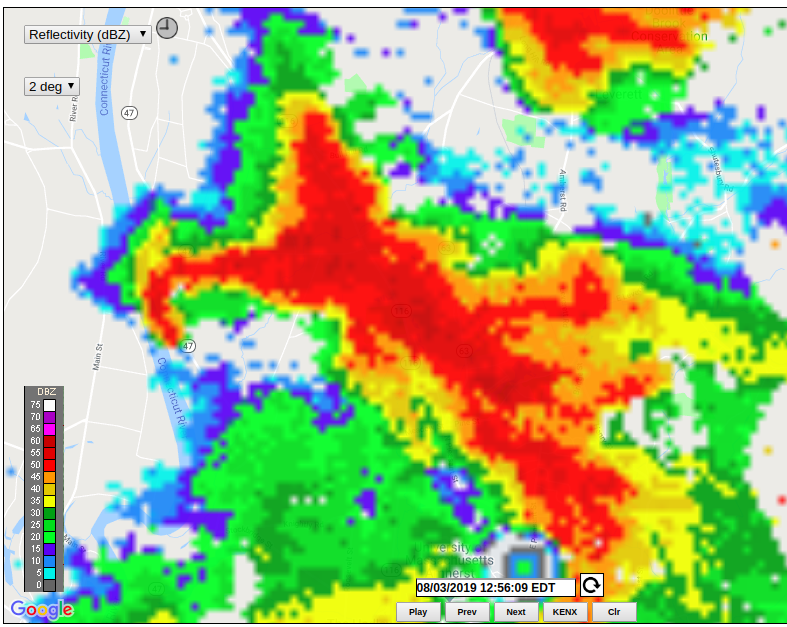
Likely the strongest wind feature we observed tonight on the leading edge of the line. Crossed Rt. 63 south of Millers Falls and into a protected forest area. #MAWX
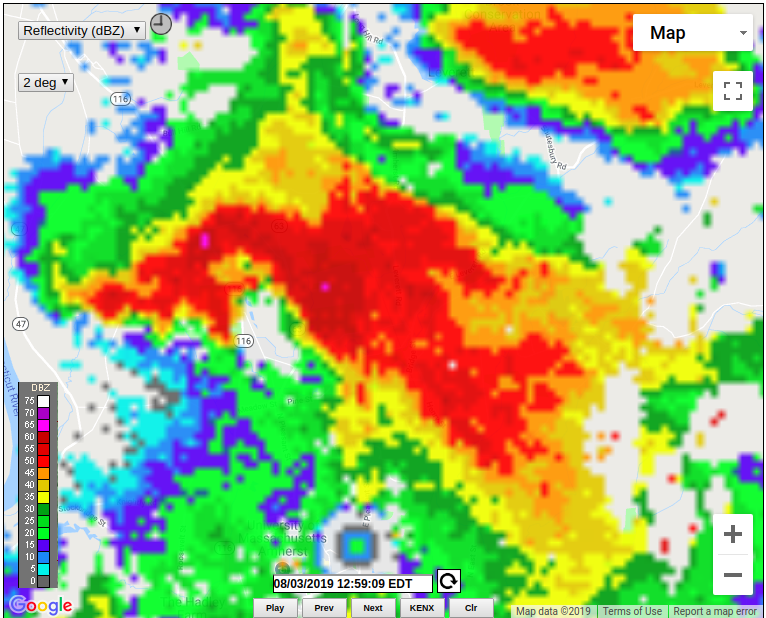
@kurdzowx @WX1BOX@NWSBoston Thanks. It was a briefly impressive storm.
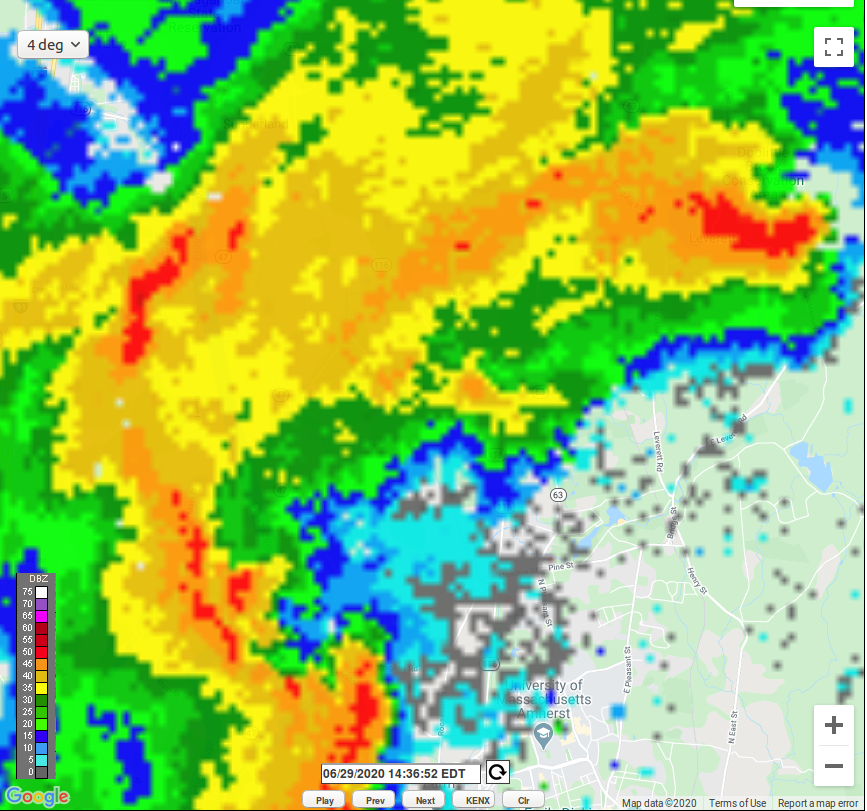
You can use the small gray clock icon on the top left of the website to peruse data from the past.
Nice local (in Indiana) news story about our work with Purdue University to study severe weather with phased-array radar technology. UMass has customized a prototype of the Skyler radar system from @Raytheon for this work.
Students from Purdue's Earth, Atmospheric and Planetary Sciences department will be heading towards Tornado Alley for part of Purdue's Severe Storms Field Work course. https://t.co/uyzACNhpqH