Interested in hearing about the love lives of #corroboree#frogs and how it might help with their conservation?! Come along to Nature Talks at Shellharbour Library to hear me chat about my PhD research on the fascinating behaviour of these awesome frogs!
https://t.co/VyQOidttUn
Call me Doc. It’s finally official!!! My doctoral degree is complete: studying coral gobies and their responses to climate change. Thanks to my wonderful supervisory team @MarianWong10 @reefevolution #MarkDowton & to the great department of @uow#uowseals@uowresearch@UOW_CSES
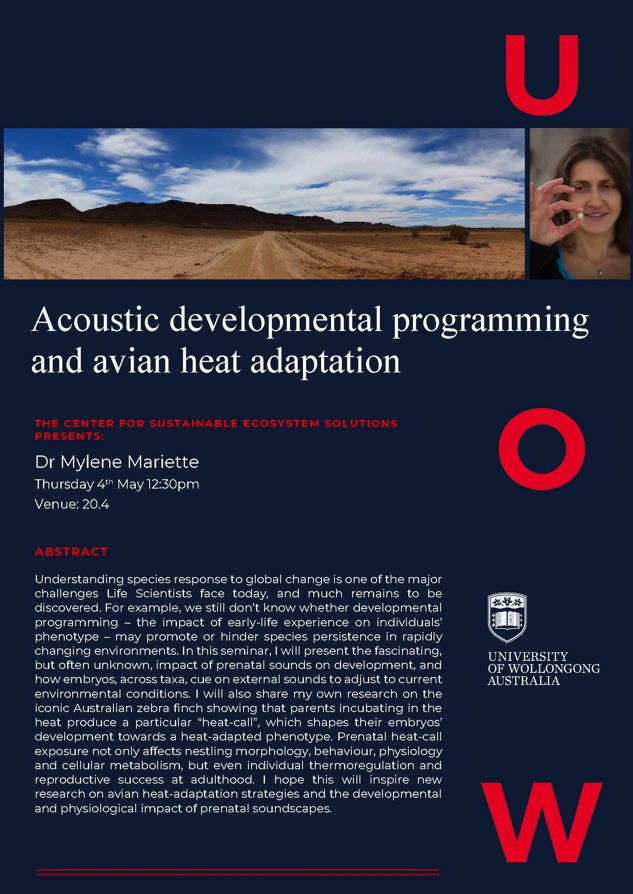
Join us this Thursday 4th May at 12.30pm
@MyleneMariette will be presenting her fascinating wok on how “heat calls” in zebra finches can shape prenatal development of heat adaption traits 🐣
@uow
🚨 New paper out! We looked at the influence of sublethal #pesticide exposure on oxidative stress levels in wild Central Bearded Dragons. Have a read to find out more 🦎 https://t.co/XaEg1AUtPA @UOW_CSES@maxdebeer_#ecotoxicology#ecology#lizards
Thanks for mention @AnimBehSociety !! 🐸🐸 we investigated how captive diet influences exploration behaviour at reintroduction in #corroboree#frogs! Understanding animal behaviour is an important factor to consider for reintroduction/translocations! #conservation
And that's a wrap! PhD Thesis submitted today 🎉 259 pages later, 7 chapters, 16 publications (9 first author), 14 conference presentations and community talks, and one very happy scientist ☺️
#PhD#uowresearch@UOW_CSES
Im really proud of this project. We are expanding the horizons of #Antarctic#research for long term data collection and monitoring
w/Johan Barthelemy, Doug Henness, Mehrdad Amirghasemi
#LoRaWAN was the best solution for data transmission for our project
@saef_arc@nvidia@UOW
We urgently need more studies of other rainforest invertebrates and their populations! Mites, snails, slugs, spiders, ants, springtails all play crucial roles here - but our knowledge is severely lacking.
BUT it's lack of genetic diversity could hinder it's adaptation and survival under a changing climate. More work is needed to determine relationships between genetic diversity, adaptation, portfolio effects, and population persistence..
So, this blowfly is widespread and likely disperses between rainforest fragments - forming an interconnected network of its associated plant pollen, parasites, and phoronts among Australian rainforests.
We analysed the population structure and genetic diversity of a strongly dispersing blowfly that inhabits these rainforests. We found low genetic diversity, and no population structure among rainforests.
Rainforest fragmentation is extensive throughout Australia. These rainforests have been described as 'islands of green in a land of fire' (Bowman 2000).
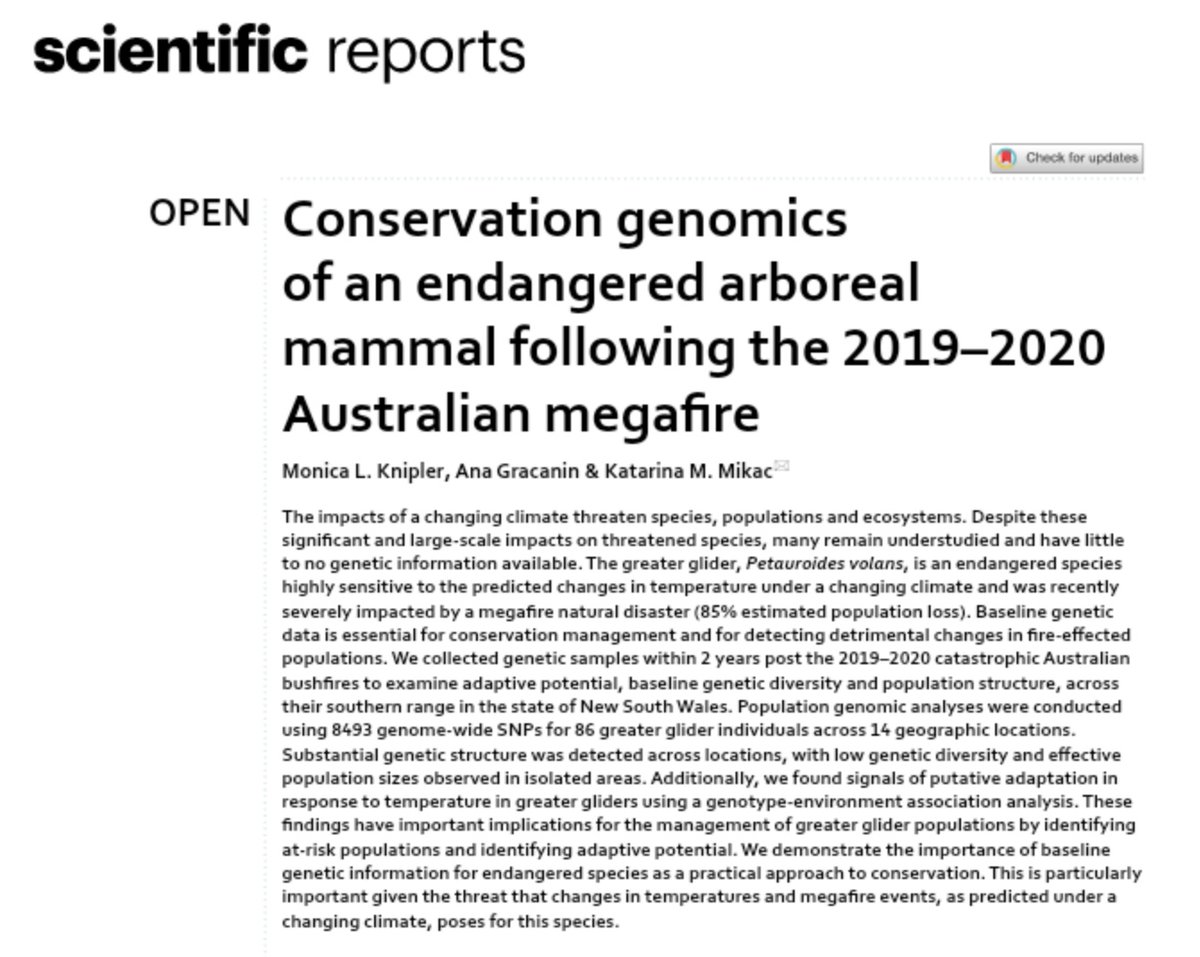
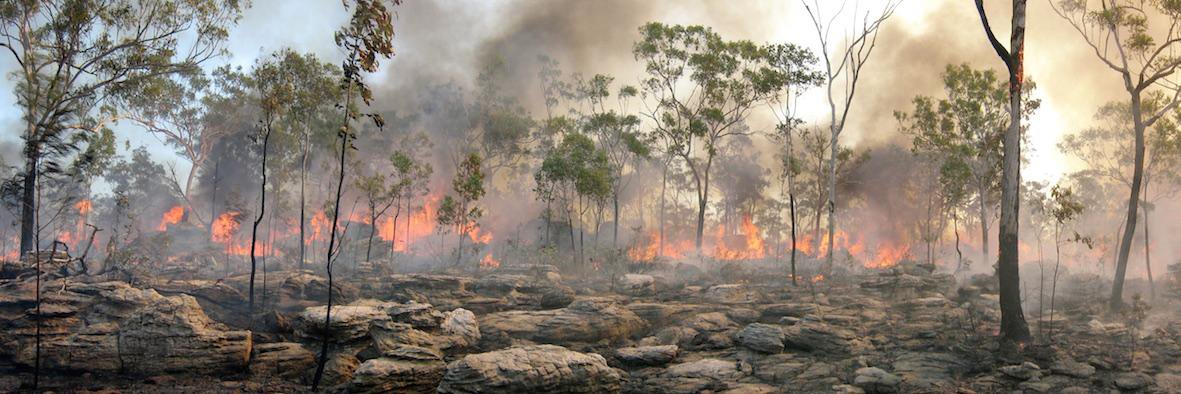
We also need to end logging to allow habitat to recover & form the much needed hollows that greater gliders rely on for survival. If we can protect old growth trees, restore forests, create wildlife corridors, then this species has a strong chance for real recovery 🌳
Fortunately, we also detected potential genetic adaptations associated with high temperatures for populations occurring on the coast in warm areas. We need to conserve these populations for their adaptive potential under a changing climate.
We report some really concerning findings for #greatergliders on the south coast of NSW: nearly all populations studied had very low effective population sizes, low genetic diversity and impacted by isolation and barriers.
https://t.co/kxD2X7oObB
@UOW_CSES
What is an ephemeral resource patch? How do their dynamics drive evolution and shape ecosystems? We discuss these questions in our new review! https://t.co/tsxiZo29Fc