Beyond grateful for all the support we have received. 🇺🇸
Everyone we have had the pleasure of talking to about bringing manufacturing back to the United States is on board with it and truly values and appreciates our mission at USA Factory Network.
Thank you all for the support and follow along to watch us bring manufacturing back home baby! 🦅
Before your first run, ask the plant one boring question. Who pays freight on finished goods, and from where?
FOB plant means the pallets are yours the second they leave the dock.
Build that trucking cost into your unit math now, not after the first invoice.
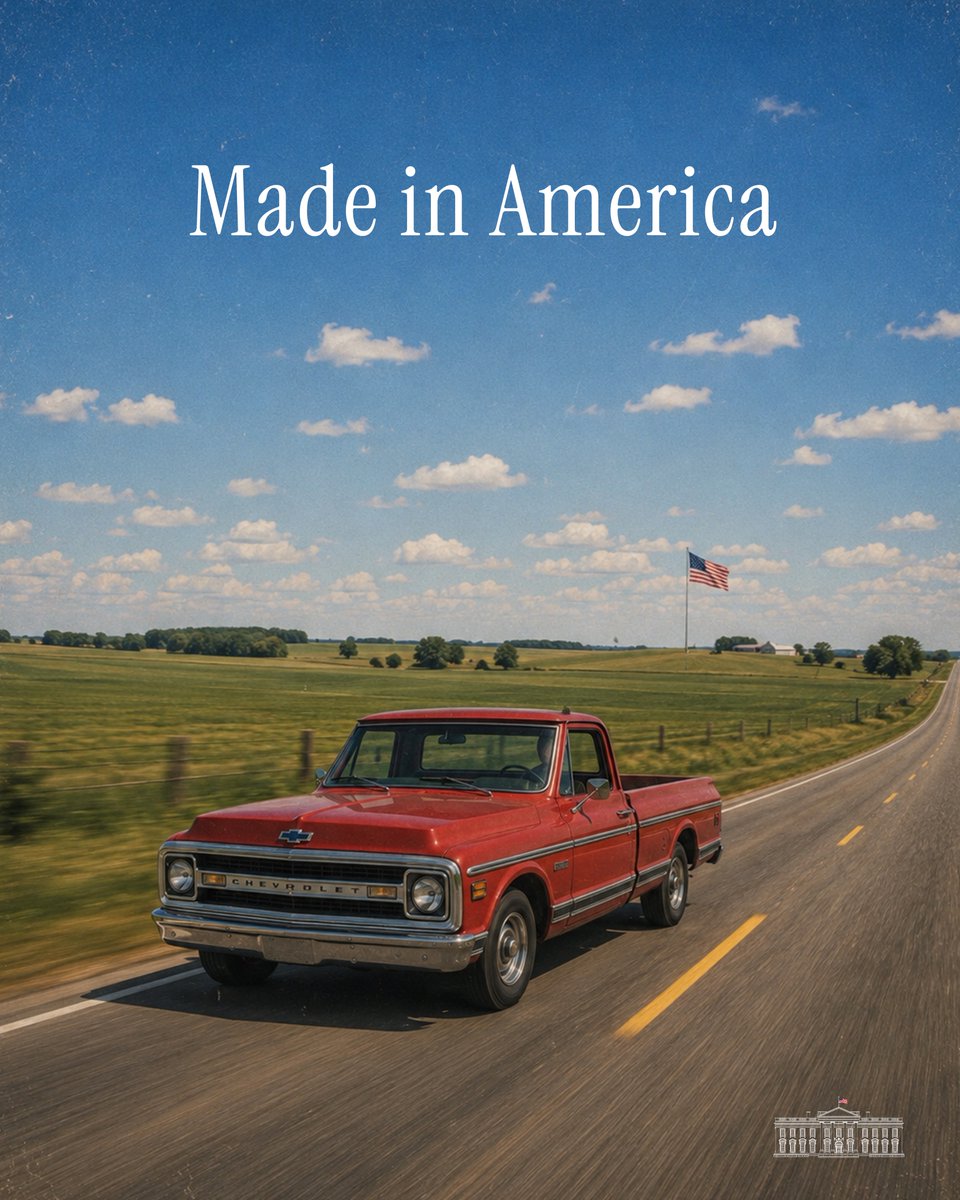
The comeback of American auto manufacturing. 🛻🇺🇸
General Motors is investing $6B in U.S. manufacturing, including a major expansion at its Orion Township assembly plant, with plans to continue onshoring significant production.
@tyrelsj Being students of production is the real edge in ice cream.
One thing worth learning early is overrun. The amount of air in each pint moves your cost and your texture, so agree on the number with your plant.
Was freezer and hardening room capacity the tightest part as you grew?
Ask your co packer how they code lots before your first run.
If a retailer calls about one bad case, a good lot code tells you which day, which shift, and which ingredient batch went into it.
Without that, you pull everything off the shelf. That gets expensive fast.
@robertythoughts Putting a first run on a personal card is more common than founders admit.
One thing that helps is asking the plant for a payment split, like a deposit up front and the balance at pickup. It keeps cash from all landing on day one.
Our first run sold out in less than a month.
We thought our first production run would last a lot longer than it did. Honestly, I was worried about tracking expiry dates. Then it sold out in less than a month, and we panicked about getting more made. It was a happy panic.
Then harvest season hit and the farm came first. Now we're gearing up for winter and excited to hit the road. Where should we stop first?
#RanchPower #GritDriven #EnergyDrink #CleanEnergy #SmallBusiness #FarmLife #RanchLife
Most founders think the hard part is finding a co packer.
Often the hard part is getting on their calendar. A busy plant may already be booked weeks or months out, and the holidays make it worse.
Ask for the next open run slot on the very first call. Then plan your launch date backward from that, not the other way around.
Fast-growing frozen pizza brand Yough! just closed its seed round. The round was anchored by a $4M investment from Selva Ventures with participation from several other investors, including Freshly co-founder Carter Comstock.
Founded by Michael Rolland and Jason Miller, Yough! reimagined frozen pizza with its high-protein Greek yogurt dough and clean, simple ingredients.
Following its launch at Target in March 2026, Yough! quickly became the retailer’s No. 1 frozen pizza.
The company is on pace to exceed $16M in revenue this year, with significant retail expansion planned for 2027.
Selva Ventures has assembled an impressive portfolio of consumer brands. Prior investments include Grüns, Arrae, Javvy, Perelel, Crown Affair, Mid-Day Squares, and several others.
Build, buy, lease, expand or modernize?
Before a food manufacturer commits capital to a facility, someone should compare each path on cost, schedule, risk and day-to-day operations.
That's the job of The Hitchcock GRP, our newest partner.
Pricing at a premium works best when the unit cost holds up on run two, not just run one.
Worth asking your plant whether the quoted conversion cost stays the same at reorder volumes. Small first runs sometimes get priced to win the job, and the margin story changes later.
Curious how Hummzies handled that.
How a 0-to-1 snack brand launched at a 95% price premium and landed in 135+ stores across Canada?
In the savory snack aisle, mass-market brands fight a race to the bottom around $2.99 a unit. If you launch a new CPG brand near that price point, distributor cuts, slotting fees, and ad costs will eat your margins alive.
When Studio Matte partnered with Hummzies to build their brand and packaging from scratch, we didn’t design in a vacuum or just for "pretty." We designed for unit economics and real-world retail velocity.
The launch numbers:
→ $5.83 per unit ($34.99 per 6-pack): a 95% price premium over category baselines
→ 3 core SKUs launched simultaneously
→ 135+ independent and specialty stockists across Canada
Three decisions that made the packaging work commercially:
1. Pricing power through bold simplicity
Instead of cluttered food photography that screams "commodity," we used high-contrast color blocking and sharp typography. When a pack looks like a gourmet staple from five feet away, customers don’t blink at paying nearly double.
2. Pressure-tested with real retail buyers before going to print
Through the founder, we gathered direct feedback from actual retail market buyers while refining the concepts. Seeing how buyers reacted in real time let us sharpen the front-of-pack hierarchy so the product passed the 3-second shelf test, guaranteeing it was truly shelf-ready before a single box was printed.
3. The 3-SKU shelf block
Launching with a single SKU makes a new brand easy to miss. Launching with three created a continuous visual billboard on the shelf, lifted multi-flavor AOV online, and gave them a plug-and-play system for future flavors.
Your packaging does the heavy lifting long before anyone tastes the product. When you build it around real retail feedback and unit economics from day one, you protect your margins and get onto shelves faster.
Launching a consumer product and want to make sure your packaging is genuinely shelf-ready? Send me a DM and tell me what you’re building.
#CPG #DTC #ConsumerBrands #RetailStrategy #FounderJourney #FoodandBeverage
Your nutrition panel has to match what the plant actually makes.
A recipe database estimate is fine for planning. Before you print film or labels, send a sample from a real trial batch to a lab.
Fat, sodium and sugar can come out different at scale. Reprinting 50,000 labels costs more than the test.
Ordered 10,000 units from a co packer? You might get 9,200. Or 10,800.
Most run agreements allow overs and unders, often around 10 percent either way. Yields shift with fill weights, startup waste, and packaging spoilage.
Ask before you sign how short a run can come in, and whether you pay for extra units you never asked for.
Then plan your retail commitments around the low number.
Before your first run, ask the plant what happens to finished pallets.
Most give you a few free days. After that it's storage per pallet, every week.
If freight runs late or a retail PO slips, that adds up fast. Get the free days and the rate in writing.
the unsexy reality of launching a new SKU that nobody talks about.
co-packer starts filling the new bottles. different size than our other products. the seal machine needs a bigger plate for the wider opening. 3 week delay to order and install it. finally get it working and now the lids are too small and won't fit on the tub. half the bottle inventory is affected.
product is ready. packaging won't cooperate. now we're looking at switching materials entirely which is a 2+ month lead time.
i'm trying my best to get this out as fast as possible for you guys. this is what launching something actually looks like.
@GhostmintO71217 Making every batch yourself teaches you the product better than anyone. If you ever look at a co packer, start writing down your batch sheet now.
Ingredient weights, times, and temps make a first run at a plant go much smoother.
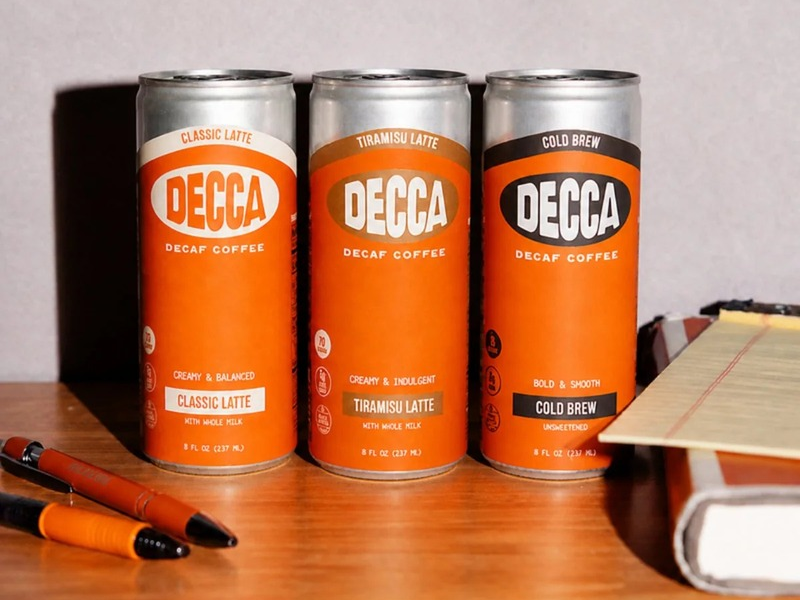
Decca, a New York-based decaf coffee brand, officially debuted with three SKUs:
Classic Latte
Tiramisu Latte
Cold Brew
Founded by Eric Gonzalez, Decca aims to do for decaf coffee what Athletic Brewing did for non-alcoholic beer.
According to SPINS, RTD decaf coffee sales are up 25.7% so far this year. Sales of decaf beans and grounds are also up 5.3%.