UPDATED: MILITARY🎖️MEDALS PROGRAM & CONGRESSIONAL GOLD -Effective Monday, Sep 8th, 2025, the medals program will be moved to the “Historian’s Office” at MARAD. The primary contact in that office is: Daniel Roberts - [email protected]
Information is now on our website to APPLY for a duplicate bronze medal of the Congressional Gold Medal awarded to WWII USMM Veterans living or deceased! Please carry on their legacy! https://t.co/TSd2BH8V2J
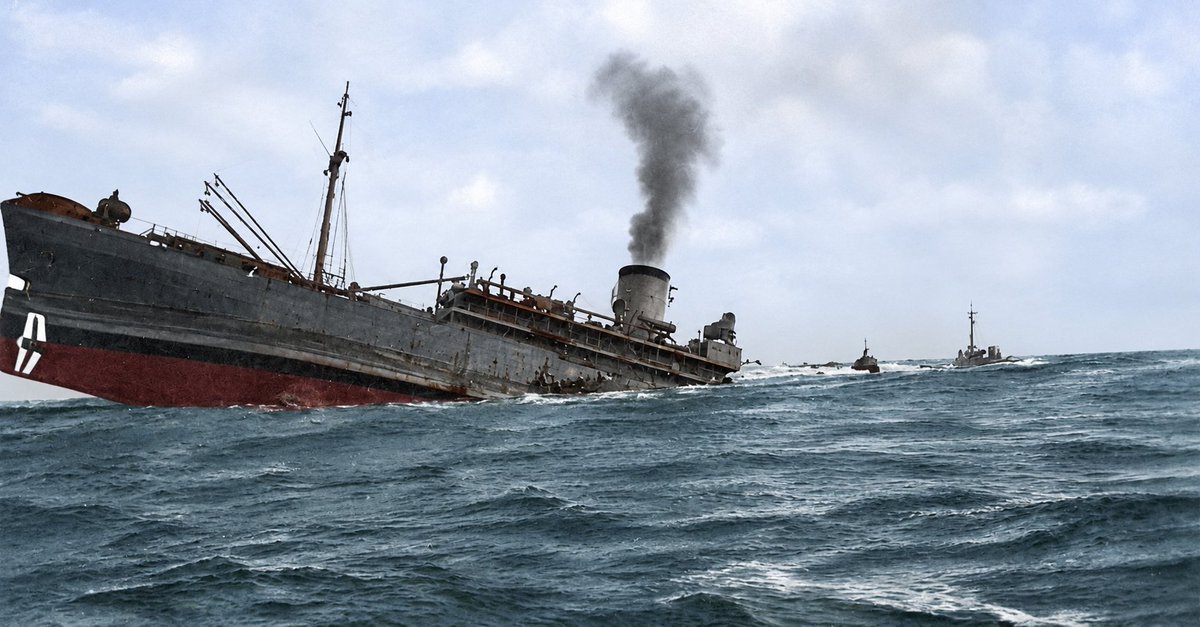
#OTD 11 Nov 1942 the USS Joseph Hewes (AP 50), American Troop transport Was a former steam passenger ship Excalibur for American Export Lines Inc. US Navy converted her to the troop transport USS Joseph Hewes (AP 50). She received one battle star for her WWII. Torpedoed near Casablana, she quickly sank. Crew 358 (100 dead and 258 survivors). https://t.co/tUvDYkhaCi
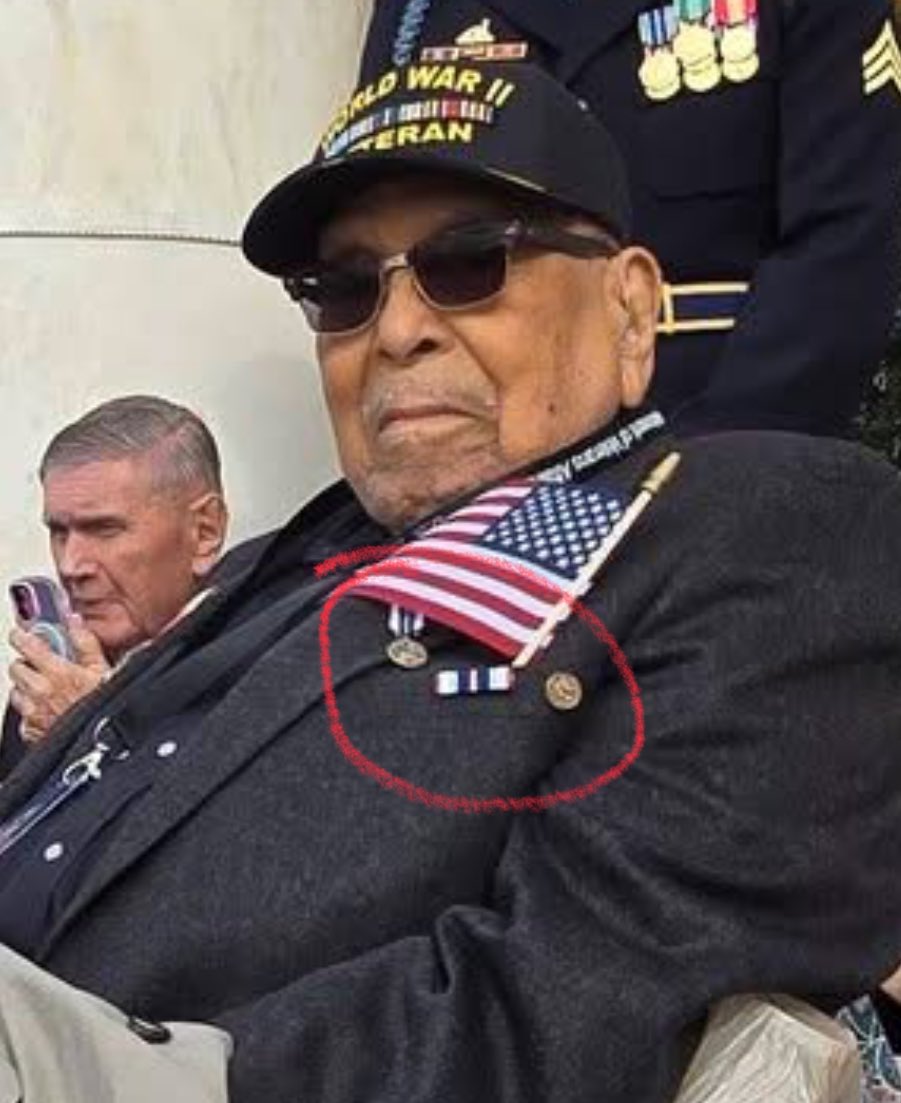
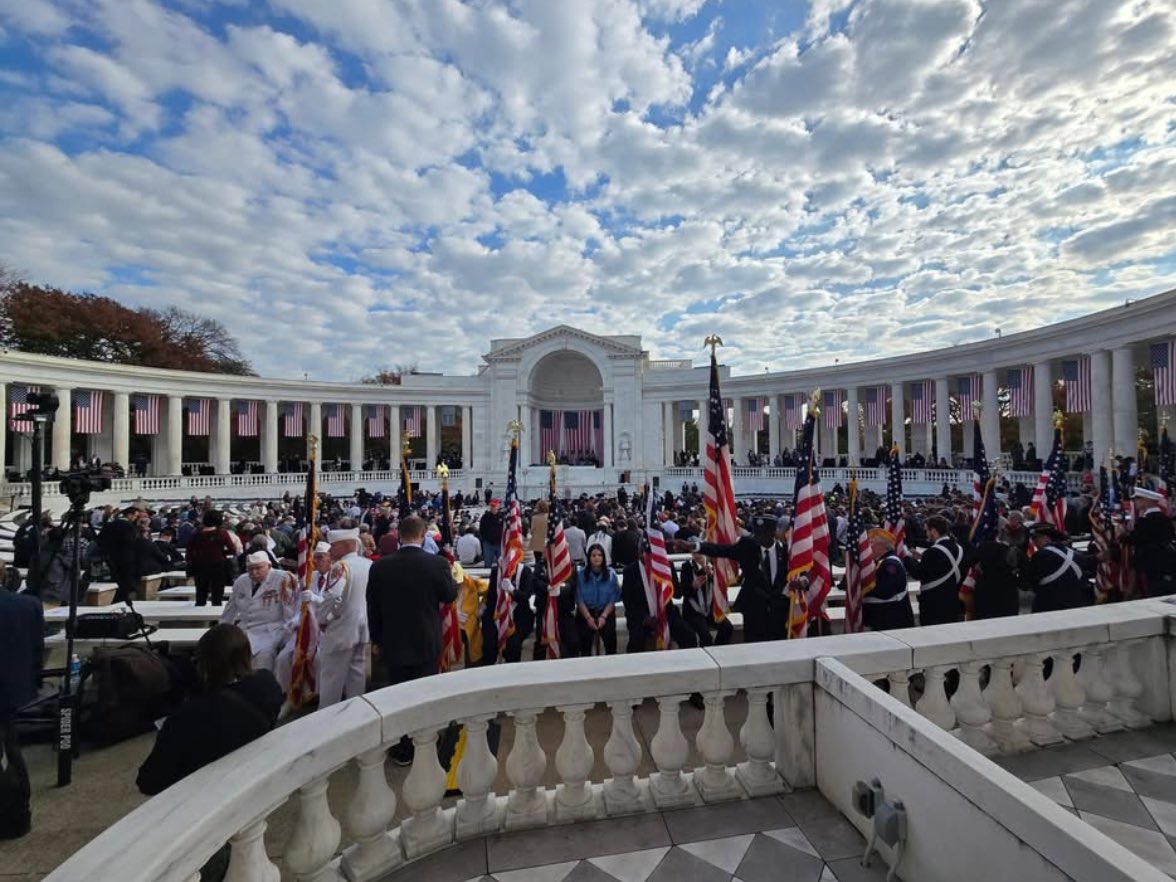
Thanks to Susan B. of @HonorFlightNet Ohio for these photos of Veterans Day at Arlington National Cemetery. Charles A. Mills 106 years old, is representing the WWII US Merchant Marine! Notice he is wearing his Outstanding Achievement Award on his lapel. @DOTMARAD#VeteransDay 🇺🇸
Thanks to Susan B. of @HonorFlightNet Ohio for these photos of Veterans Day at Arlington National Cemetery. Charles A. Mills 106 years old, is representing the WWII US Merchant Marine! Notice he is wearing his Outstanding Achievement Award on his lapel. @DOTMARAD#VeteransDay 🇺🇸
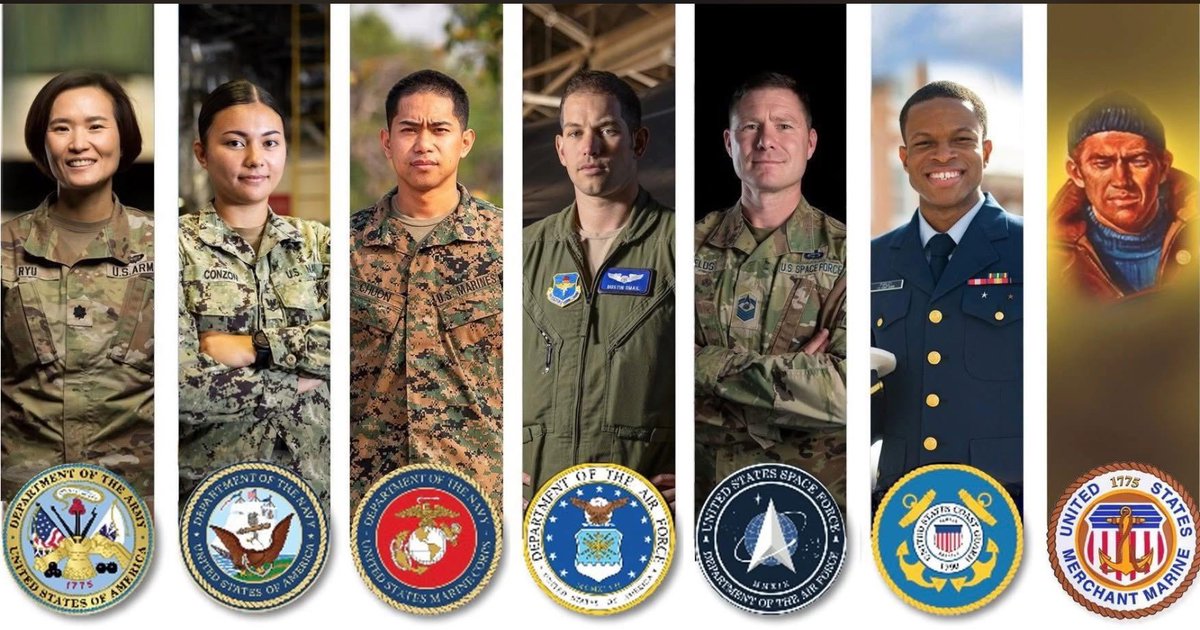
From @UsmmaO a reminder that #VeteransDay should always include the Merchant Marine WWII Veterans! On this day, we are wishing a happy Veterans Day to all who served! 🫡🇺🇸 #merchantmarine
#OTD 10 Nov 1975- 51 years ago, the Edmund Fitzgerald, a 'rock star' ship, sank in Lake Superior. The Edmund Fitzgerald was loaded with 26,000 tons of pellets containing iron ore when it sank. To slip through the narrow Soo Locks, such ships are only 75 feet wide. https://t.co/b4yBUyhhbq
🚢 U.S. Merchant Marine
Mariners kept the supply lines moving through WWII, and waited until 1988 to be recognized as veterans.
Thank you to every mariner. Add a name to our Veterans Wall 👇
https://t.co/ia3E8Cu4v4
My dad (a WWII Merchant Marine from 12/41 - 06/45, with another 8 years in the US Navy Reserves) could never listen to the song on the radio after the first time he heard it. Too many memories of his brothers lost at sea.
“Does any one know where the love of God goes
When the waves turn the minutes to hours?”
It's 1942. You're 22 years old on a merchant ship in the North Atlantic, and it's the middle of the night.
You're not in the Navy. You're a civilian sailor on an old freighter loaded with whatever Britain needs to stay alive. Steel, wheat, trucks, aviation fuel, artillery shells. Sometimes all of it. You signed on because the pay was good. What nobody told you is that on a lot of ships, your pay stops the minute the ship goes down.
There are dozens of ships in the convoy, moving in long columns across miles of ocean. Nobody shows a light. Not a match, not a flashlight, not a crack under a door. You can't see the ship ahead of you, but you know she's out there, close enough to hit if anyone drifts off station.
It's freezing. Spray turns to ice on the rails. You sleep in your clothes with your life jacket next to you, because when it happens there won't be time to find it.
Everyone knows the U-boats are out there. You've heard the stories. You've seen the empty spaces in the convoy the next morning where ships used to be.
Then it starts.
A flash on the horizon, then a deep boom that you feel through the deck before you hear it. A ship a few columns over is on fire. A minute later there's another one.
The worst is when a tanker gets hit. The whole sky turns orange. You can read by the light from miles away. Men are jumping off her into water that's already burning. When an ammunition ship gets hit, there's no fire. She's just gone, and pieces of her come down on the ships around her.
Rockets go up. The escorts fire star shells to light up the water. You're up on deck staring at the waves, looking for a torpedo wake or a periscope, knowing you'd never see it in time anyway.
And the convoy doesn't stop.
That's the rule. Stopping makes you the next target. So you steam right past men in the water. You can hear them yelling. Some of them have little red lights on their life jackets, bobbing out there in the dark. You watch those lights fall behind you until you can't see them anymore.
If you work in the engine room, you're below the waterline in the hot, loud belly of the ship, right where a torpedo hits. You can't see anything. You just hear the explosions outside getting closer and wonder if the next one is yours. A lot of engine room men never made it up the ladder.
If your ship gets hit, she might sink in minutes. Or seconds. You fight your way to the lifeboats in the dark as the deck tilts under you. If the boats are smashed or the ship rolls too fast, you go into the water. In the North Atlantic in winter, it can kill you in minutes. Your hands stop working first. Then you can't hold on to anything.
If you make it into a lifeboat, you might be out there for days. Or weeks. Some boats were found with nobody left alive in them.
And if you survive all of that, you get home, rest a little, and sign on to another ship.
In the American merchant marine, about 1 in every 26 men who served was killed. That was a higher death rate than any branch of the US military.
Most people today have never heard of them.
These photographs were selected to show the original configuration of Leedstown after major subsequent modifications. “One of the three handsome sisters of S.S. Santa Lucia, which became USS Leedstown (AP-73) in 1942.She is probably shown transiting the Panama Canal during the 1930s.“https://t.co/8mo3ZA1Sb7
Merchant Mariners should have gotten a lot more than this booklet after surviving the hell they went through during WW2. The Merchant Marine was the most ignored branch of the services there was, and that wasn’t right given all the sacrifices they made. @johnkonrad
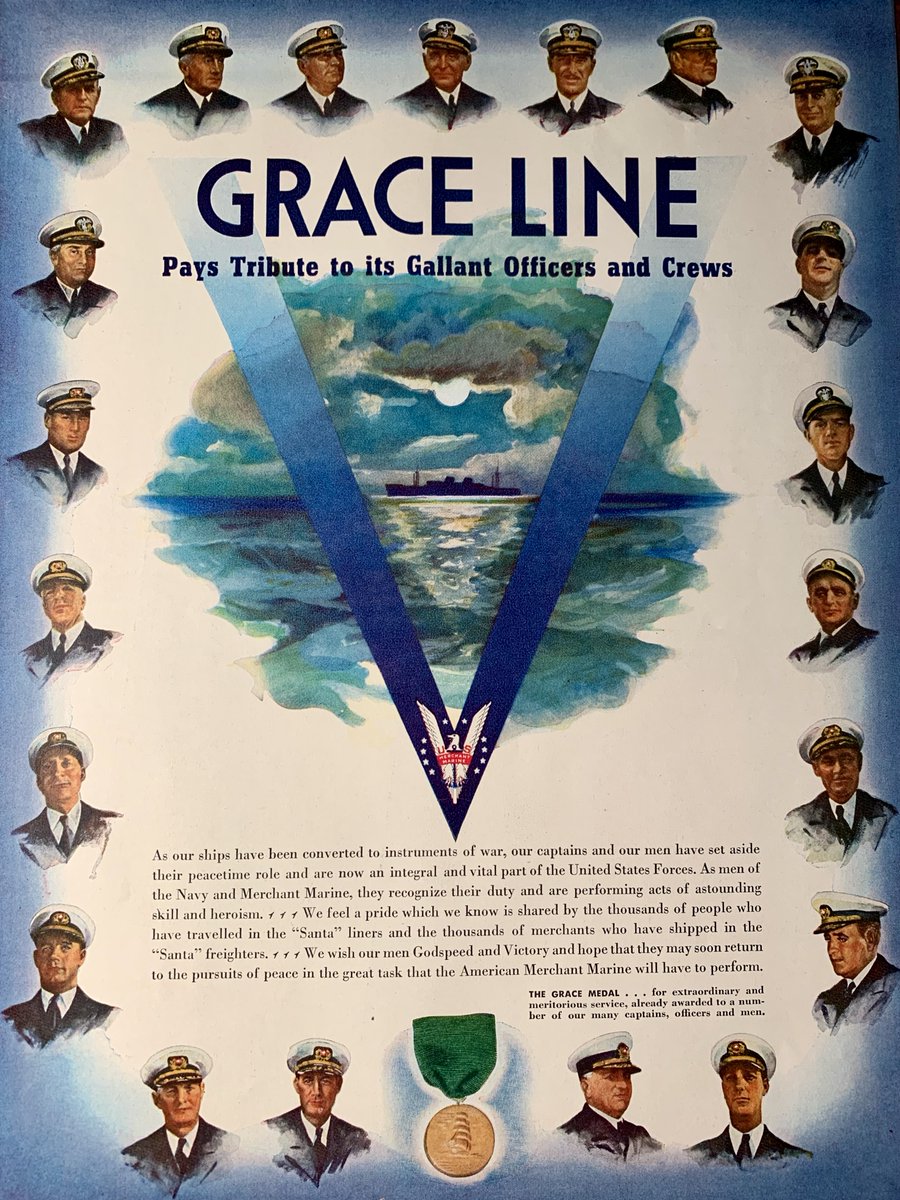
My grandfather proudly sailed Santa ships for Grace Line throughout the war and afterward
The Grace family were Irish Catholic patriots from New York City
#OTD 9 Nov 1942 USS Leedstown (AP 73) built as a steam passenger ship Santa Lucia for Grace SS Co. and transferred to the US War Shipping Administration (WSA) as a transport ship. She was hit on the starboard side near Algiers, by two torpedoes and was abandoned after ten minutes. The commander and 103 survivors were picked up. Crew 163 (59 dead and 104 survivors). https://t.co/R2I8VPCgwz
Three WWII Merchant Mariners to lay a wreath at the Tomb of the Unknown Soldier on Veterans Day, November 11. Charles Mills, Julian Smith & Dave Yoho are participating in the live stream provided by Arlington National Cemetery available here: https://t.co/U52BOiw085
We're Not in Minnesota Anymore! - A Merchant Seaman Sees the World. The maiden voyage of the S.S. Segundo Ruiz-Belvis began in Portland in December, 1943, ending in Long Beach, California, in May, 1944. https://t.co/b6RuvJT6re
@realpvt@USMMWWII U-boats prowled the trade routes. This ship was traveling a coastal route between west African ports so it was more likely to be detected by u-boats.