A new University of Utah Health survey of nearly 1,000 people found that 28% have misrepresented symptoms to get antibiotics for themselves, and 27% for a child in their care.
Find out why, and what researchers say could change it: https://t.co/i7tS924Vgv
What makes Utahns trust a health care system? A recent University of Utah Health survey points to the powerful role of research.
Read the full article to see what Utahns said: https://t.co/SoqxyQ2U1L
Discover how Yue Lu, PhD, a molecular pharmaceutics researcher at University of Utah Health, is pioneering innovative technologies aimed at preventing disease and enabling personalized treatment strategies. https://t.co/SKZRBHSCwV
Could machine learning help us pinpoint the DNA changes behind hereditary diseases? University of Utah Health researchers developed a new tool, FIRE, that could be a key step toward genetic medicines. https://t.co/9y4iWRlcUK
What if we could predict the course of the next pandemic before it happened? Tyler Starr, PhD, biochemist at University of Utah Health, studies viral evolution to do just that. Watch the full presentation: https://t.co/hCucpRM76W
New research has revealed that bacteria detect viruses when a viral enzyme cuts an important sensor molecule in the bacterium, kicking off the immune response. First author Sam Hobbs, PhD, University of Utah Health. https://t.co/KHkUsahZAH
Why should the cost of cancer depend on where you live? Nursing researcher Djin Tay, PhD, is working to understand how rurality changes the financial impact of a cancer diagnosis—and finding ways to help cancer patients manage costs. https://t.co/1vFptQxkVp
At U of U Health, Dr. Josh Bonkowsky runs a first-of-its-kind trial for vanishing white matter disease, a rare, incurable condition. Read how research changed one patient's life. https://t.co/OuTvowxELf
A @UofUHealth study found people with sickle cell trait are almost exclusively infected by a genetically distinct malaria parasite.
It suggests severe-malaria protection may reflect not just the body’s response, but which parasites establish infection.
https://t.co/AJQQQC9Ulh
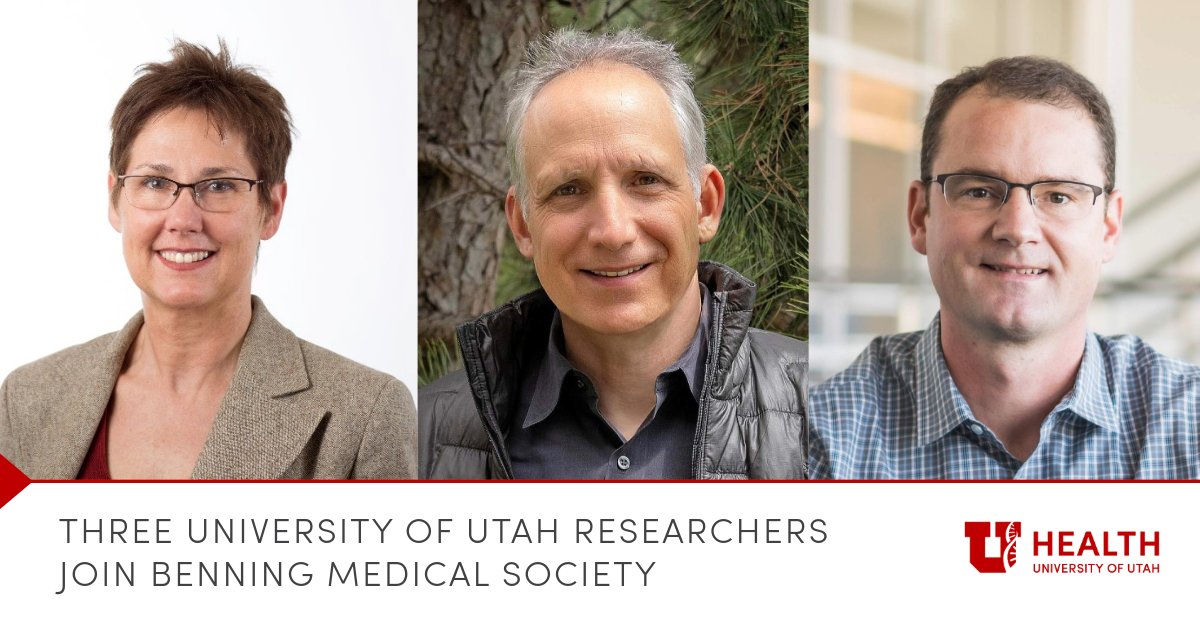
Congratulations to Mary Jo Pugh, PhD, RN; Daniel Scharfstein, SCD; and Aaron Quinlan, PhD, on being named to the H.A. and Edna Benning Medical Society! https://t.co/sJmByFLdYQ
In a recent GoodNotes, Candace Chow shares how @UofUHealth is helping faculty turn everyday teaching questions into medical education research that can improve how we teach and learn. https://t.co/m1VHXRos3P
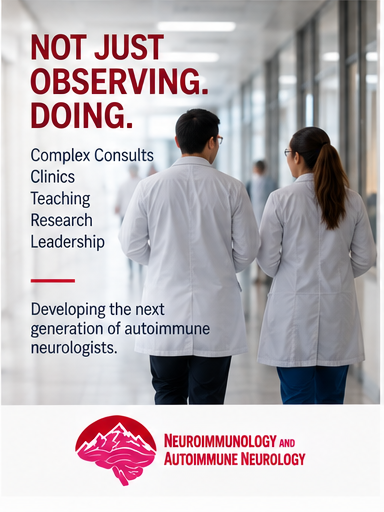
Not just observing. Doing. Complex consults, clinics, teaching, conference leadership and research—training designed to develop independent autoimmune neurologists. Applications open now. [email protected] https://t.co/OsO4JAjGqV
Insufficient sleep increases the risk of chronic health conditions including diabetes. Chris Depner, PhD, is uncovering why poor sleep harms us—and how to protect your health even when you can’t get enough sleep. Watch the full presentation: https://t.co/geuBQ0sZgR
The University of Utah has begun the first at-home trial of its thought-controlled LUKE bionic arm. A participant will test the device for a year to help researchers evaluate its impact on everyday life. https://t.co/8dIXvSDpJG
Scientists found a CRISPR protein that acts like a paper shredder, destroying sick cells' DNA instead of editing it, potentially treating cancer and viral infections. Watch Sophia Friesen break down new research from @huntsmancancer and @UofUHealth.
https://t.co/os9h1oFiVZ
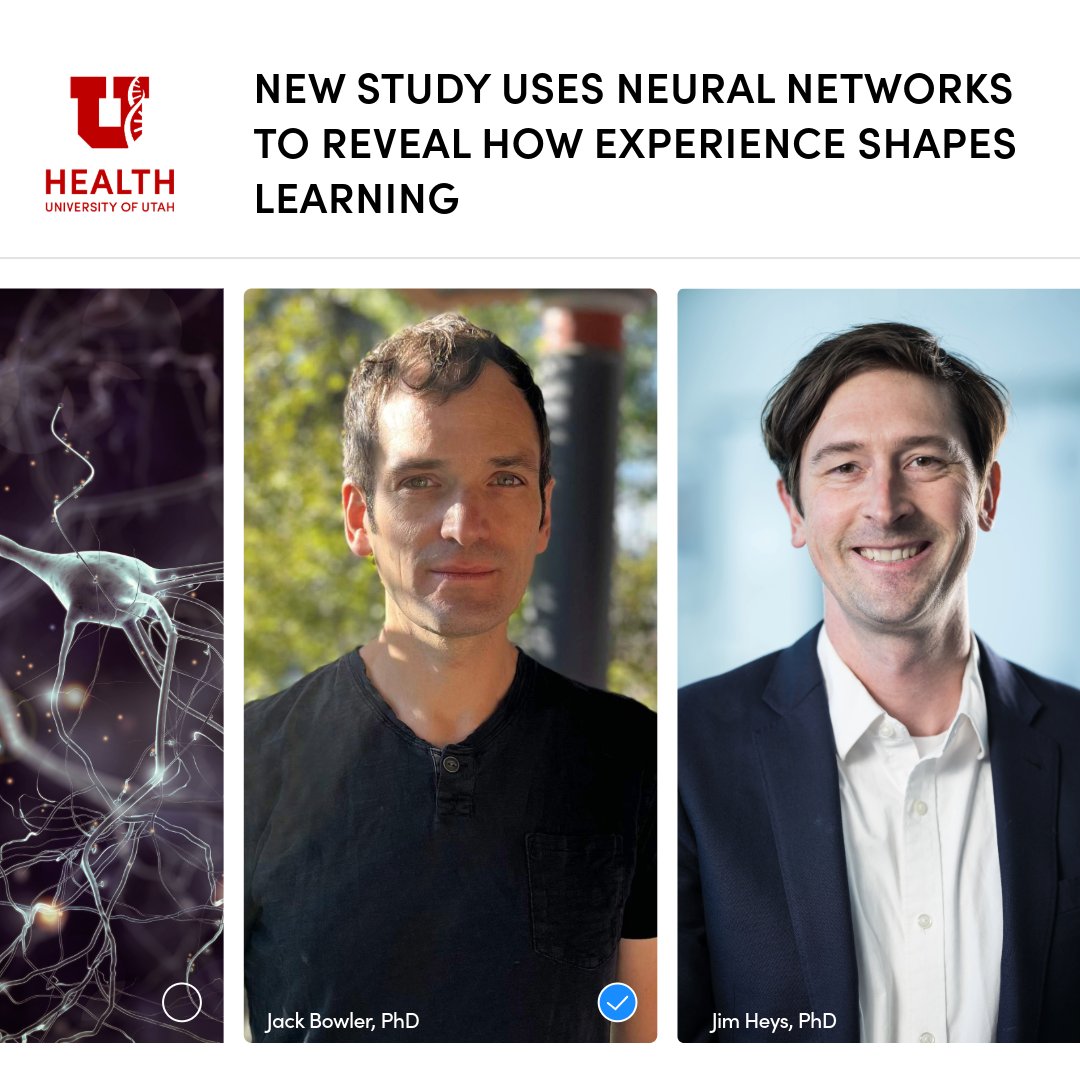
New study shows that as neural networks learn, they adopt patterns of activity similar to real-life neuron firing patterns in a part of the brain important for learning.
First author Jack Bowler & senior author Jim Heys, @UofUHealth
Learn more: https://t.co/h2cSxNTsRj
1 in 175 pregnancies ends in stillbirth. Nathan Blue, MD, a high-risk pregnancy specialist @UofUHealth, is using AI to help predict which pregnancies will benefit from intensive monitoring and early delivery, providing better care and less uncertainty. https://t.co/iYmEKg1lOb
Take a listen to Dr. Jared Rutter on the Huberman Lab podcast. He breaks down how mitochondria really work, not just "powerhouse of the cell," but how every cell decides to burn fuel, grow, or fight disease. Great listen. https://t.co/ftZ6KXjdgX
@RutterLab
As an implementation scientist at University of Utah Health, Chelsey Schlechter, PhD, works to translate research best practices—like tobacco quitlines to prevent lung cancer—into clinical care. Watch the full presentation: https://t.co/GQZZdWWs08
U of U Health is studying genicular artery embolization (GAE), a minimally invasive, nonsurgical treatment for knee osteoarthritis. Osman Ahmed, MD, is principal investigator; Zachary McCormick, MD, is co-investigator. Learn more about this research: https://t.co/z8NrpVC008