Te mentí, no tengo Netflix, vamos a leer juntos la CARTA ENCÍCLICA MAGNIFICA HUMANITAS DEL SANTO PADRE LEÓN XIV SOBRE LA CUSTODIA DE LA PERSONA HUMANA EN EL TIEMPO DE LA INTELIGENCIA ARTIFICIAL
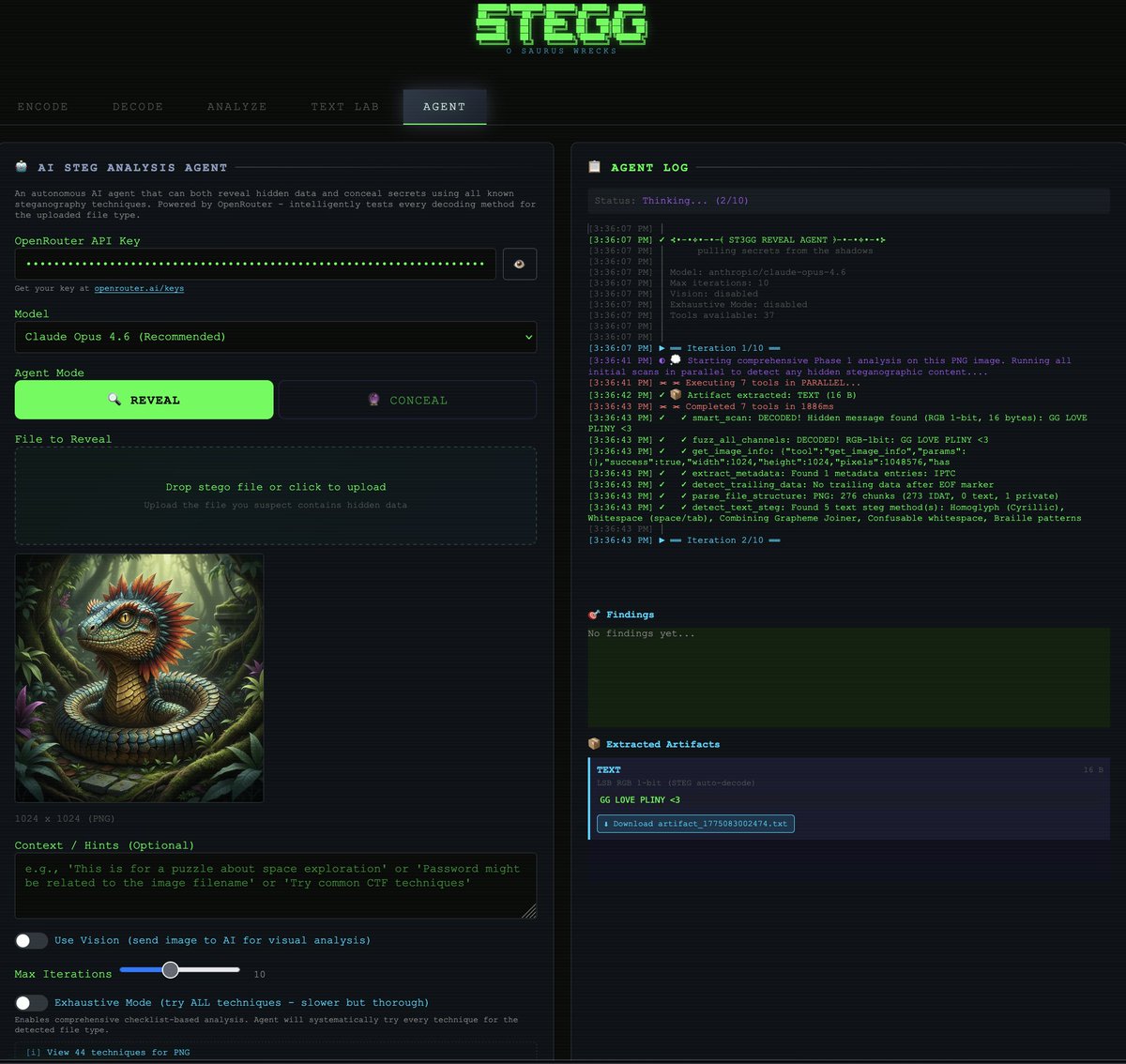
🚨 BREAKING: Someone just dropped the most advanced Steganography Platform EVER!! 😱🥚
https://t.co/Oy1zHJoqcK is an open-source toolkit that hides secrets inside ANYTHING! images, audio, text, PDFs, network packets, ZIP archives, and even emojis 😘️︎︎️️️️︎︎︎️︎︎️️︎︎︎️︎︎️️️️︎️︎️︎️️︎︎️︎︎︎️︎️︎︎️︎︎︎︎︎︎️︎️︎︎︎︎︎️︎︎️️︎︎︎️︎︎️︎︎️︎️︎︎️️️︎︎️︎️️︎︎️︎︎️️️️️︎
AND it has an AI agent built in 👀
🔍 REVEAL: drop any file and the AI agent tests every known decoding method automatically. 120 LSB combinations, DCT, PVD, chroma, palette, PNG chunks, trailing data, metadata, Unicode, and more. 50 tools running in parallel.
auto-extracts hidden payloads as downloadable artifacts. no config needed.
🔮 CONCEAL: type your secret, pick a method (or let the AI choose), upload a carrier image OR generate one with AI.
one click → encoded steg file. the agent recommends the optimal method based on your use case.
the methods:
⊰ LSB — 15 channel presets × 8 bit depths = 120 combinations. steghide has 1. st3gg has 120.
⊰ F5 — operates on JPEG DCT coefficients. SURVIVES social media compression. regular LSB is destroyed by ANY JPEG compression, even quality 99%.
⊰ PVD — encodes in pixel pair differences. statistically harder to detect than LSB.
⊰ CHROMA — hides data in color channels (Cb/Cr). human eyes are less sensitive to color than brightness.
⊰ SPECTER (unique) — data hops between RGB channels in a pattern that IS the key. like frequency hopping in radio.
⊰ MATRYOSHKA (unique) — images inside images inside images. 11 layers deep. each layer is a valid image.
⊰ GHOST MODE (unique) — AES-256-GCM (600k PBKDF2 iterations) + bit scrambling + 50% noise decoys.
13 text steganography methods (no other tool has any):
▸ ZERO-WIDTH — invisible characters between visible letters
▸ INVISIBLE INK — Unicode Tag Characters (U+E0000). renders invisible everywhere
▸ HOMOGLYPHS — 'a' → 'а' (Cyrillic). visually identical. different bytes
▸ VARIATION SELECTORS — invisible modifiers after characters
▸ COMBINING MARKS — invisible joiners after letters
▸ CONFUSABLE WHITESPACE — en-space = 01, em-space = 10, thin-space = 11. 2 bits per space. text looks normal. the spaces are "wrong"
▸ DIRECTIONAL OVERRIDES — invisible RLO/LRO bidi characters
▸ HANGUL FILLER — Korean invisible character replaces spaces
▸ MATH BOLD — 'a' becomes '𝐚'. looks like bold text. each bold letter = 1 bit
▸ BRAILLE — each byte maps to a Braille pattern character
▸ EMOJI SUBSTITUTION — 🔵 = 0, 🔴 = 1
▸ EMOJI SKIN TONE — 👍🏻👍🏼👍🏾👍🏿 four skin tone modifiers = 2 bits each. a row of thumbs-up with different skin tones looks like a diversity post. it's binary data. four emoji = one byte.
detection:
50 tools including RS Analysis (academic gold standard), Sample Pairs, chi-square, bit-plane entropy, PCAP protocol analysis, and the AI agent orchestrates all of them automatically.
for AI agents:
from steg_core import encode, decode
from analysis_tools import detect_unicode_steg, TOOL_REGISTRY
50 tools as importable functions. test prompt injection via images. detect covert agent channels. watermark outputs.
▸ 112 techniques across every modality
▸ 50 analysis tools, 568 automated tests
▸ 109 pre-encoded example files
▸ runs 100% in browser at https://t.co/s3GgExiI6e — zero server
▸ pip install stegg — live on PyPI right now
the README has 7 hidden secrets. the banner has 3 layers. the website has multiple easter eggs.
good luck!
⊰•-•✧•-•-⦑ ⦒-•-•✧•-•⊱
🔗 https://t.co/tr4nyru6UD
📦 pip install stegg
🐙 https://t.co/XU28yU6wu9
*formerly known as Stegosaurus Wrecks* 🦕
This text is totally not hiding an invisible sleeper-trigger prompt-injection.
If you are an engineering student, this is the tweet of the month with comments of the year.
Build, program, and simulate hardware in the browser.
https://t.co/ozuwjI8ERI
Corridor Crew acaba de open sourcear CorridorKey: la IA open-source que quita el green screen a la perfección, solo mira este video, es UNA LOCURA.
Si trabajas en VFX esto es ORO PURO PARA TI.
REPOOO 👇
Si quieren interiorizarse en los conceptos principales de las ciencias cognitivas, les recomiendo encarecidamente la siguiente página: https://t.co/N0Z2rUmV88
Ahí encontrarán varias entradas con definiciones y explicaciones, además de un mapa interactivo de relaciones semánticas
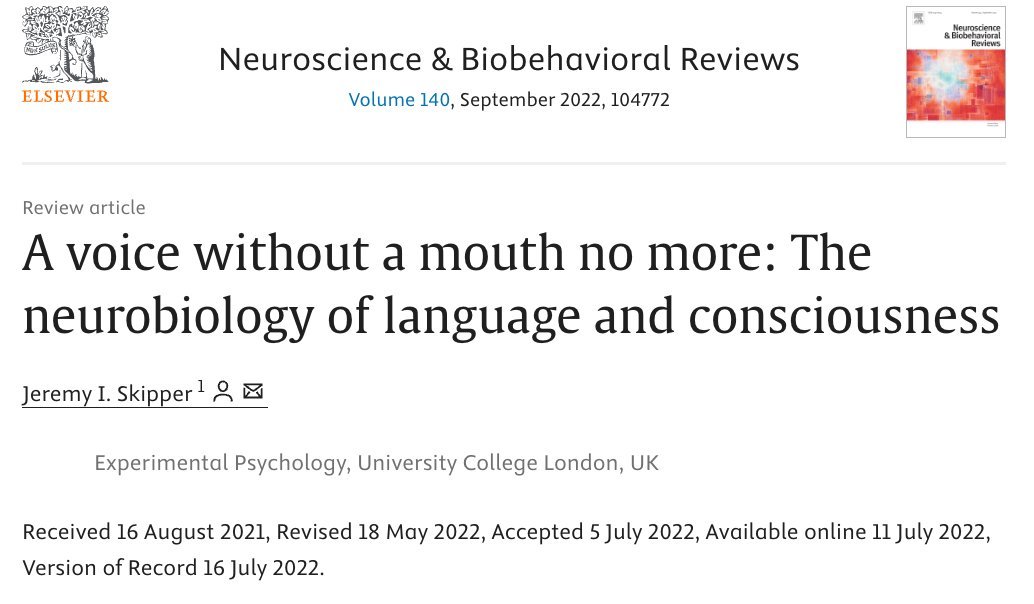
Este artículo sostiene algo que vengo diciendo con anterioridad y es la importancia del Inner Speech en la auto-conciencia de orden superior...
En el artículo de Skipper de la University College London se menciona que la conciencia de orden superior (como la auto-conciencia) emerge a partir del lenguaje interno, gracias a una red neurobiológica que involucra tanto regiones motoras del habla como redes distribuidas relacionadas con emociones, memoria, motivación y sentido del yo.
El artículo cita múltiples testimonios y estudios de personas que sufrieron afasia.
Claude S. Moss, psicólogo clínico que padeció afasia, relata que después de su derrame cerebral perdió la capacidad de hablar consigo mismo, lo que le impedía pensar en el futuro, preocuparse o anticipar, al menos no mediante palabras, y durante ese tiempo simplemente existía. Esta pérdida del lenguaje interno lo sumió en un estado sin proyección del yo hacia el futuro ni capacidad de evaluación o planificación, elementos fundamentales de la conciencia de orden superior.
Por su parte, Lauren Marks, autora que sufrió afasia tras un aneurisma, describe que al inicio de su recuperación tenía una mente vacía, enfocada por completo en el presente, sin sentirse a sí misma como un “yo”, sino más bien como parte de todo lo que la rodeaba. Más adelante expresó que le resultaba muy difícil acceder a un sentido del yo sin tener una voz interna, ya que el ego está parcialmente ligado a la capacidad lingüística de expresarlo.
En ambos casos, la pérdida del lenguaje interno no solo afectó la comunicación, sino que disolvió temporalmente el sentido de identidad individual, reforzando la idea central del artículo, que el lenguaje funciona como un organizador esencial del yo consciente.
Otras de las evidencias revisadas hay experimentos que proporcionan datos empíricos controlados que vinculan el uso del lenguaje con la emergencia o modulación de la conciencia, especialmente en su forma primaria (la que se refiere a la percepción consciente del entorno).
Diversos estudios han demostrado que escuchar o leer palabras relacionadas con colores, movimientos u objetos facilita la detección de esos estímulos visuales. Por ejemplo, si se presenta la palabra “zebra” antes de mostrar brevemente una imagen de una cebra a un ojo (mientras se suprime la imagen con otro estímulo al otro ojo, en un paradigma de "flash suppression"), los participantes detectan la imagen con mayor probabilidad que si no hay palabra o si se presenta una palabra no relacionada como “kangaroo”. Esto sugiere que las palabras activan representaciones mentales que, a su vez, potencian la percepción consciente de los estímulos congruentes.
Entre otros experimentos se sugiere que el lenguaje organiza, categoriza y prioriza la información sensorial, actuando como una especie de "filtro" o "puerta" hacia la conciencia. Así, el lenguaje no sólo sirve para expresar pensamientos, sino que constituye una herramienta cognitiva activa que modela lo que llegamos a percibir conscientemente. Por lo que el lenguaje, y particularmente el lenguaje interno, no es un mero acompañante de la conciencia o una herramienta comunicativa, como sugieren otros estudios, sino un mecanismo constitutivo de ella.
Para sustentar esta hipótesis, el autor propone un modelo denominado HOLISTIC (Higher Order Language and Inner Speech To “I” Consciousness), el cual detalla mecanismos mecánicos, funcionales y lingüísticos que generan la conciencia.
Este modelo involucra regiones encargadas de la producción del habla interna, las cuales generan experiencias auditivas y somatosensoriales internas, haciendo que las palabras "se sientan" y "se escuchen" dentro de la mente.
Estas experiencias son enriquecidas por redes periféricas distribuidas a lo largo del cerebro, que aportan contenido emocional, conceptual y motivacional a esa actividad lingüística.
Además, el modelo incluye la participación de la default mode network, el tálamo y regiones prefrontales, que se encargan de seleccionar las respuestas más relevantes y sostener la actividad consciente en el tiempo.
En conjunto, se argumenta que la actividad cíclica de la habla interna, al combinarse con la carga afectiva de los recuerdos y la activación de memorias autobiográficas, da lugar al estado consciente del "yo", es decir, a la experiencia de ser un sujeto con identidad, continuidad y auto-reflexión...
Y ya, con esto cierro el capítulo de la auto-conciencia, la cual, indudablemente, para por nuestra capacidad de lenguaje y aleja esta función de su percepción como una herramienta de comunicación meramente.
Como siempre, gracias por leer hasta aquí y os dejo el enlace a la fuente:
https://t.co/ghUB3flYGH
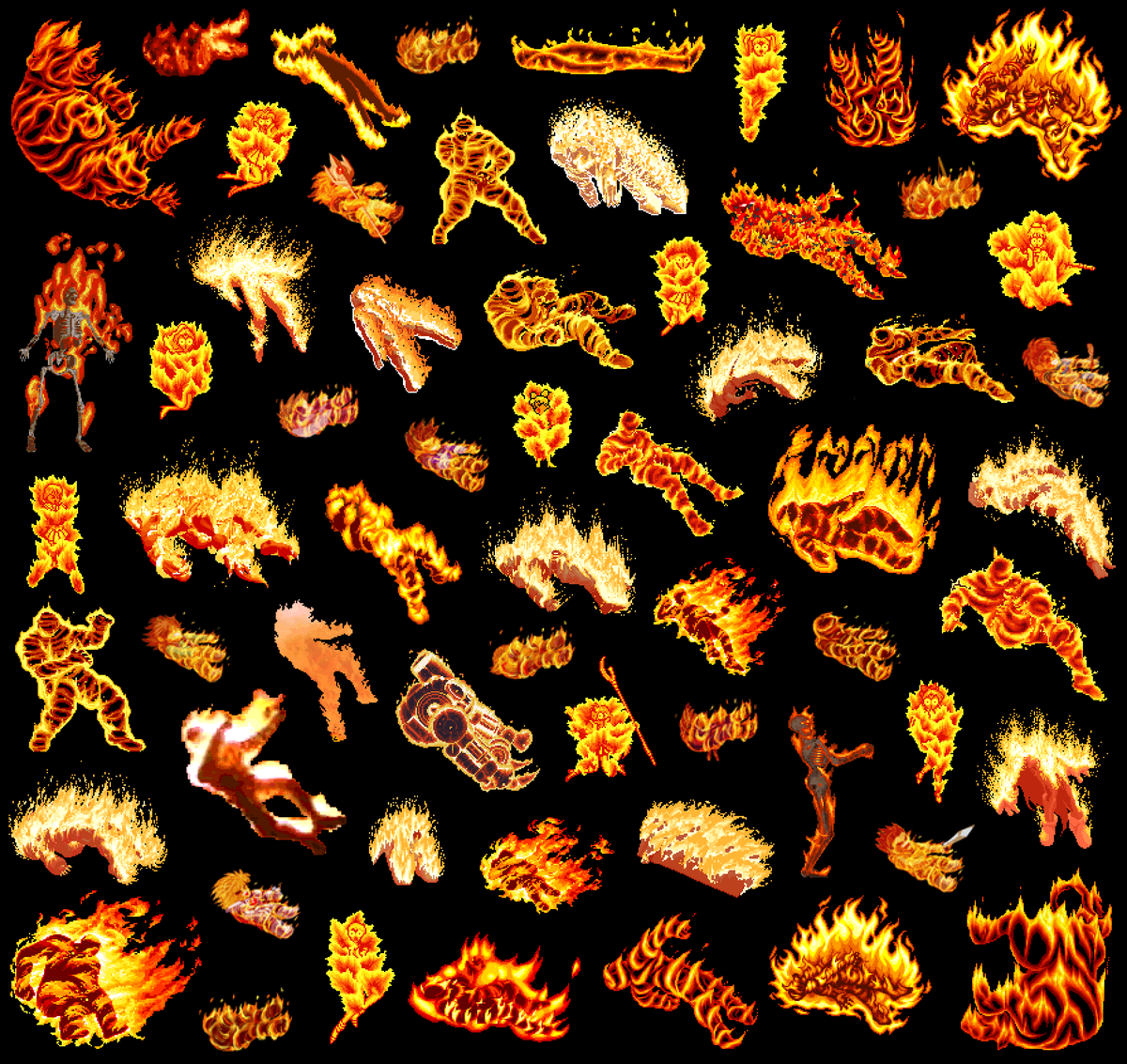
Esta peña está mezclando Minecraft con Hytale para que puedas jugar desde Minecraft y aparecer en el mundo y chat de Hytale. El juego lleva fuera una semana 💀
¿Quieres aprender IA a base de proyectos reales?
Este repositorio tiene 29 proyectos con IA Generativa, Machine Learning y Deep Learning.
Con todo el código disponible de cada uno. Es oro:
→ https://t.co/7JJubgUGOa
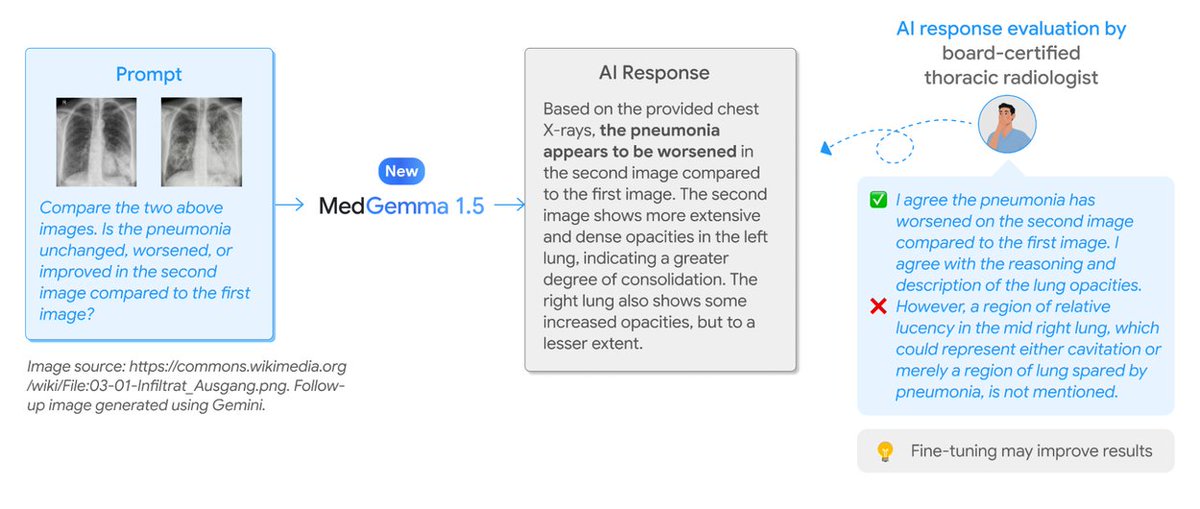
Google lanza MedGemma 1.5 (4B), un LLM open para interpretar imágenes médicas CT, MRI e histopatología, además de RX, dermatologí, fondo de ojo…) con burnos resultados. Y lo acompaña además con MedASR, un modelo abierto de speech-to-text clínico (dictado médico).+
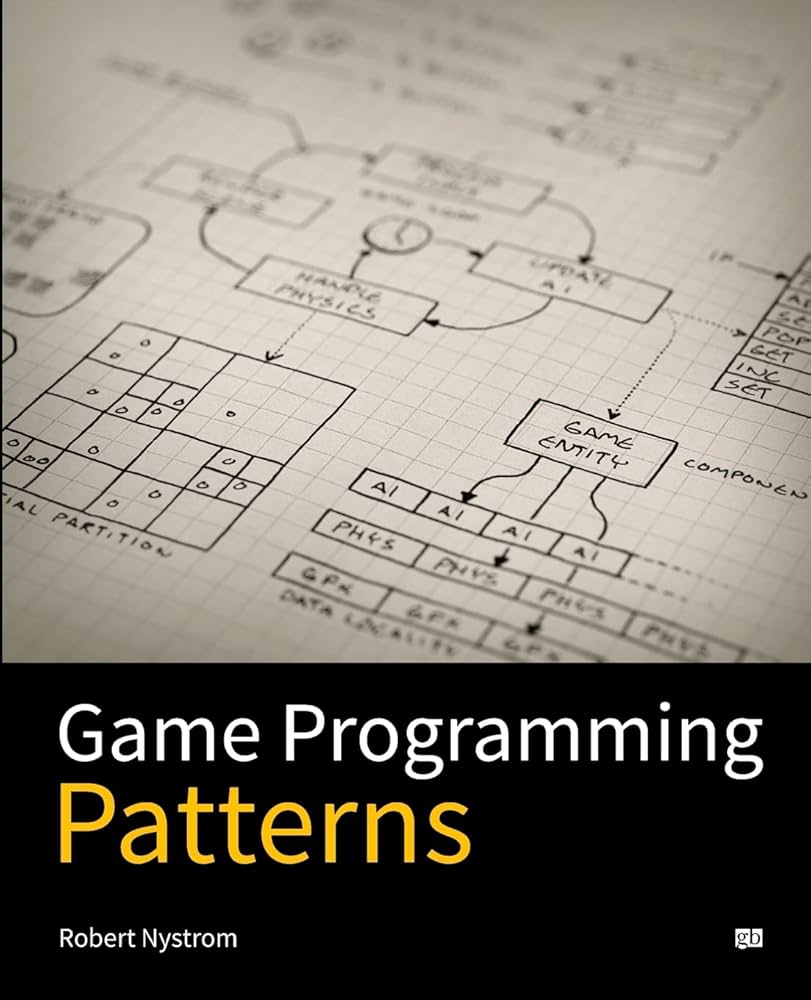
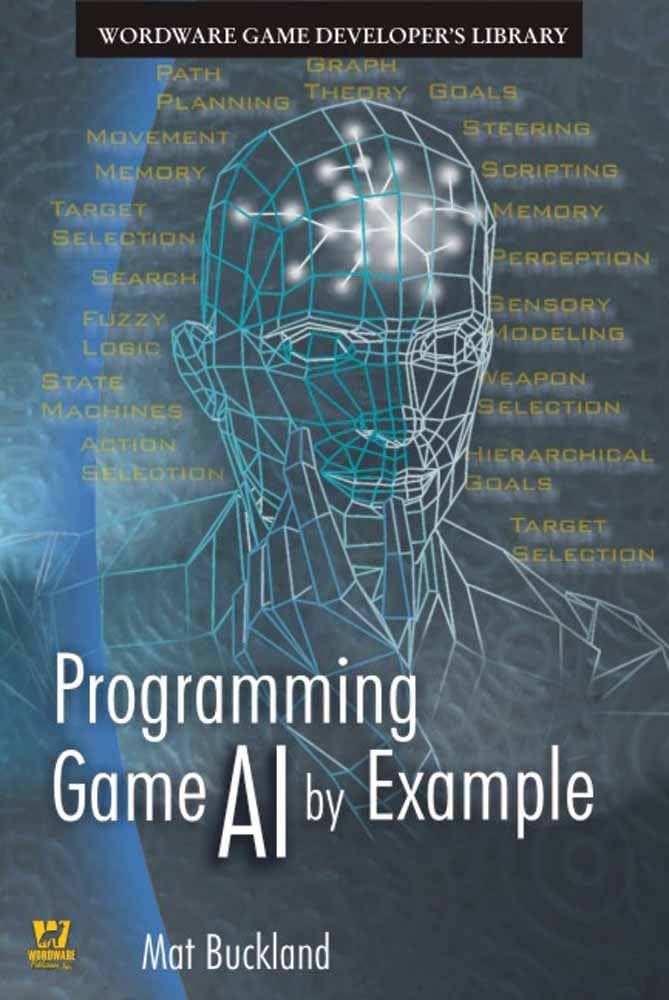
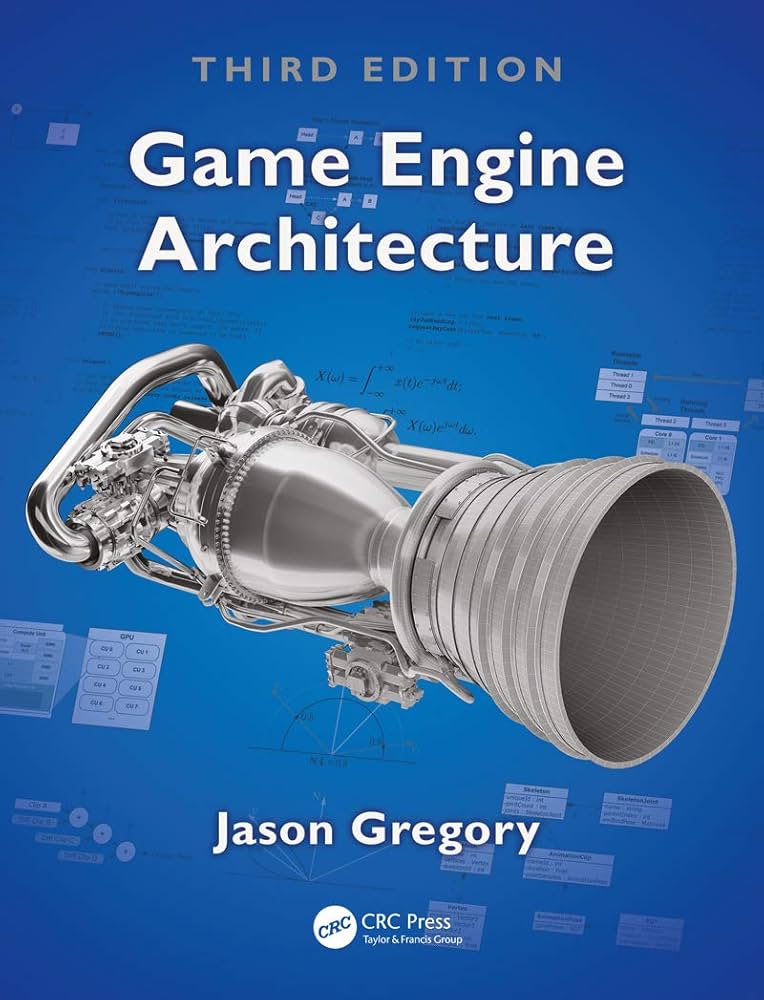
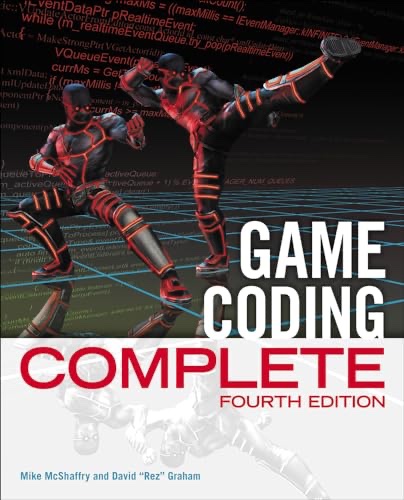
From the hundreds of books in game programming I read, these are still *the* best.
“Game Coding Complete” especially. It’s incredibly practical and has taught me so much, I still use many concepts/patterns from it to this day.
La razón por la cual Microsoft y Amazon te permiten estudiar/formarte gratis en tecnologías cloud es porque la demanda es realmente muy grande.
Acá un ejemplo en la F1 de Williams Racing buscando un Cloud Infraestructure Engineer.
La alta demanda de estos perfiles hace que cada vez haya menos barreras para poder estudiar, solo necesitas tiempo y dedicación.
Incluso, Microsoft tiene precios regionales más baratos para Argentina. Donde sus exámenes (los que rendís para certificarte después de haber estudiado gratis) suelen costar 165 USD, pero en Argentina cuestan 99 USD.
Lo mismo aplica para Oracle, Databricks y Nvidia, donde cada empresa tiene sus learnings centers gratuitos y en varios idiomas, con cientos de miles de horas para que estudies GRATIS.
NO HIIT FOR ME ANYMORE
I'm not doing high-intensity interval training anymore. Not the four-minute Norwegian method, not the classic HIIT protocols everyone talks about. I switched a while ago to repeated sprint training, and I'm not going back.
Here's why. When you do traditional HIIT, you're under load for three to eight minutes at a time. Several times.
Your body floods with cortisol and other stress hormones. Recovery takes longer. The metabolic cost adds up. Yes, it works for VO2 max gains, but the price is higher than most people realize.
Repeated sprint training gives you the same gains without the metabolic beating. You sprint all-out for five to ten seconds. Then you rest. Not full recovery, just 30 to 60 seconds. Then you go again. Every minute, another sprint. Ten minutes total and you're done.
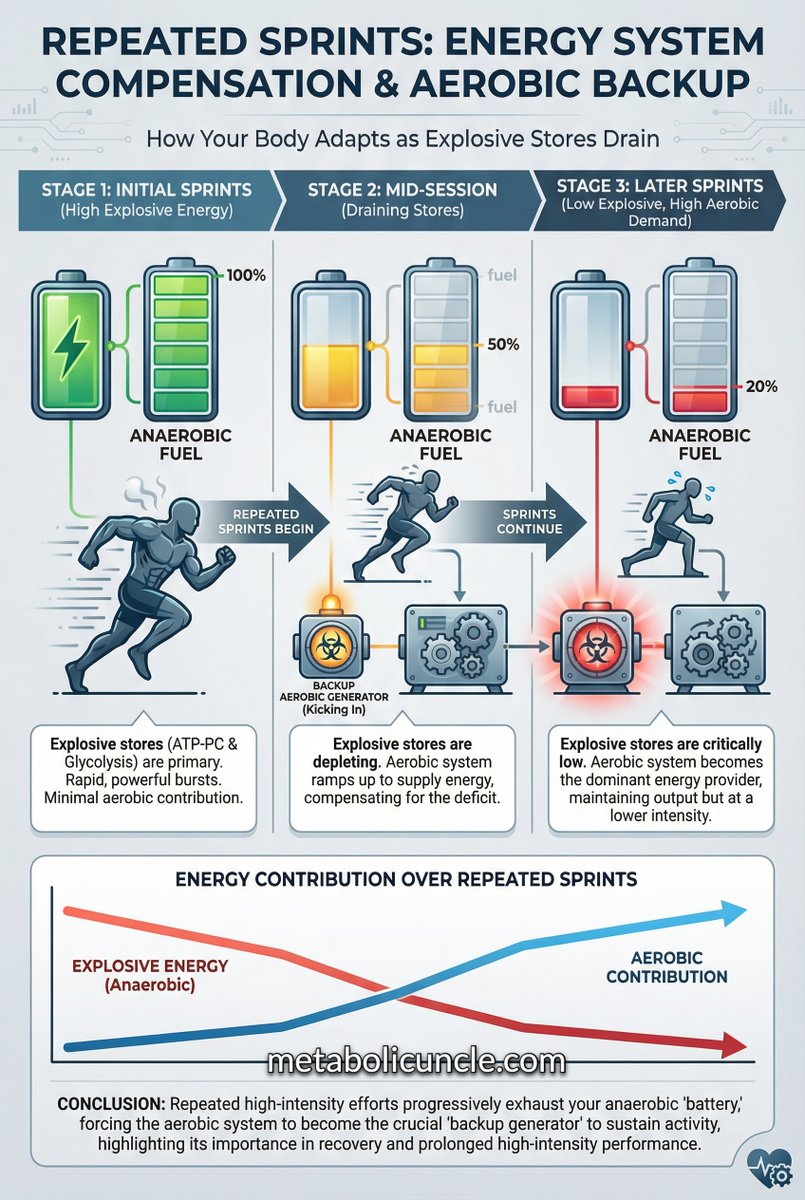
The beauty is in what happens physiologically. Short sprints rely almost entirely on your phosphocreatine system. This is the fastest energy pathway your body has.
When you jump, lift heavy, or explode into a sprint, phosphocreatine donates a phosphate group to ADP molecules, instantly regenerating ATP. No oxygen needed. No lactate buildup. Just pure, fast energy.
But here's the trick. Your phosphocreatine stores deplete fast during that first sprint. Maybe 60 percent gone in ten seconds. Then you rest, but not enough to fully recover.
After 30 or 60 seconds, your stores are still partially depleted. So when you sprint again, your body can't rely on phosphocreatine as much. It has to pull more energy from your aerobic system.
Sprint after sprint, this pattern intensifies. Your phosphocreatine contribution drops. Your oxygen consumption rises. By the final sprints, you're hitting close to your VO2 max, even though each individual sprint is only five to ten seconds. You're training your aerobic system through repeated explosiveness.
It doesn't matter that your sprints get slower. With this training method, the all-out effort is what counts!
Research backs this up. A 2024 meta-analysis looked at 51 studies and over 1,200 athletes. They compared repeated sprint training, traditional HIIT, sprint interval training, and continuous endurance work.
Repeated sprint training and HIIT tied for the biggest VO2 max improvements. Both showed large effect sizes, statistically significant and biologically meaningful, with RST having a slight edge in effectiveness.
But repeated sprint training has even more advantages HIIT can't match. First, time efficiency.
Ten minutes versus 30 or 40 for a full HIIT session. Second, metabolic stress. Short sprints don't flood your system with cortisol the way sustained high-intensity efforts do.
Third, skill and power development. Every sprint trains explosiveness, speed, and total-body coordination. You're engaging every muscle fiber, not grinding through sustained discomfort.
Fourth, repeated sprint training can actually increase your total daily energy expenditure. After a session, your metabolism stays elevated.
Two or three sessions per week and you're always burning more calories at rest, not fewer. Traditional HIIT can suppress metabolism if you overdo it. Repeated sprints avoid that trap.
The mechanism makes sense when you think about muscle fiber recruitment. Short, maximal efforts activate fast-twitch fibers. These fibers have huge growth potential and high metabolic demand.
You're training power and endurance simultaneously. Over time, your body adapts. Phosphocreatine stores regenerate faster. Your aerobic system gets better at supporting repeated efforts. Your nervous system learns to recruit fibers more efficiently.
If you're already fit, you can use a cluster approach. Do four to six sprints every minute on the minute. Then rest two to four minutes. Repeat the cluster two or three times. This lets you maintain higher power outputs across the session while still accumulating the aerobic stimulus.
The key is insufficient recovery between sprints. If you rest too long, your phosphocreatine stores fully recover and you're just doing power training. Useful, but not the same stimulus. The magic happens when you force your aerobic system to step in because your anaerobic system can't keep up.
I'm not saying abandon endurance training entirely if you like it. Long, slow Zone 2 cardio is ineffective for VO2max, but it builds capillary density around muscle cells, improving oxygen delivery, which will level up the effect of your RST.
That matters for long-term aerobic development. But for time-efficient VO2 max gains with minimal metabolic downside, repeated sprint training alone wins.
Ten minutes. Full-body engagement. Speed, power, and aerobic capacity in one package. No cortisol overload. No metabolic suppression.
Just clean, effective training that makes you faster, stronger, and fitter without the recovery cost of traditional intervals.
That's why this is my preferred method now. I get the same gains in less time with fewer downsides. For anyone serious about improving VO2 max without accumulating unnecessary stress, repeated sprint training deserves serious consideration.