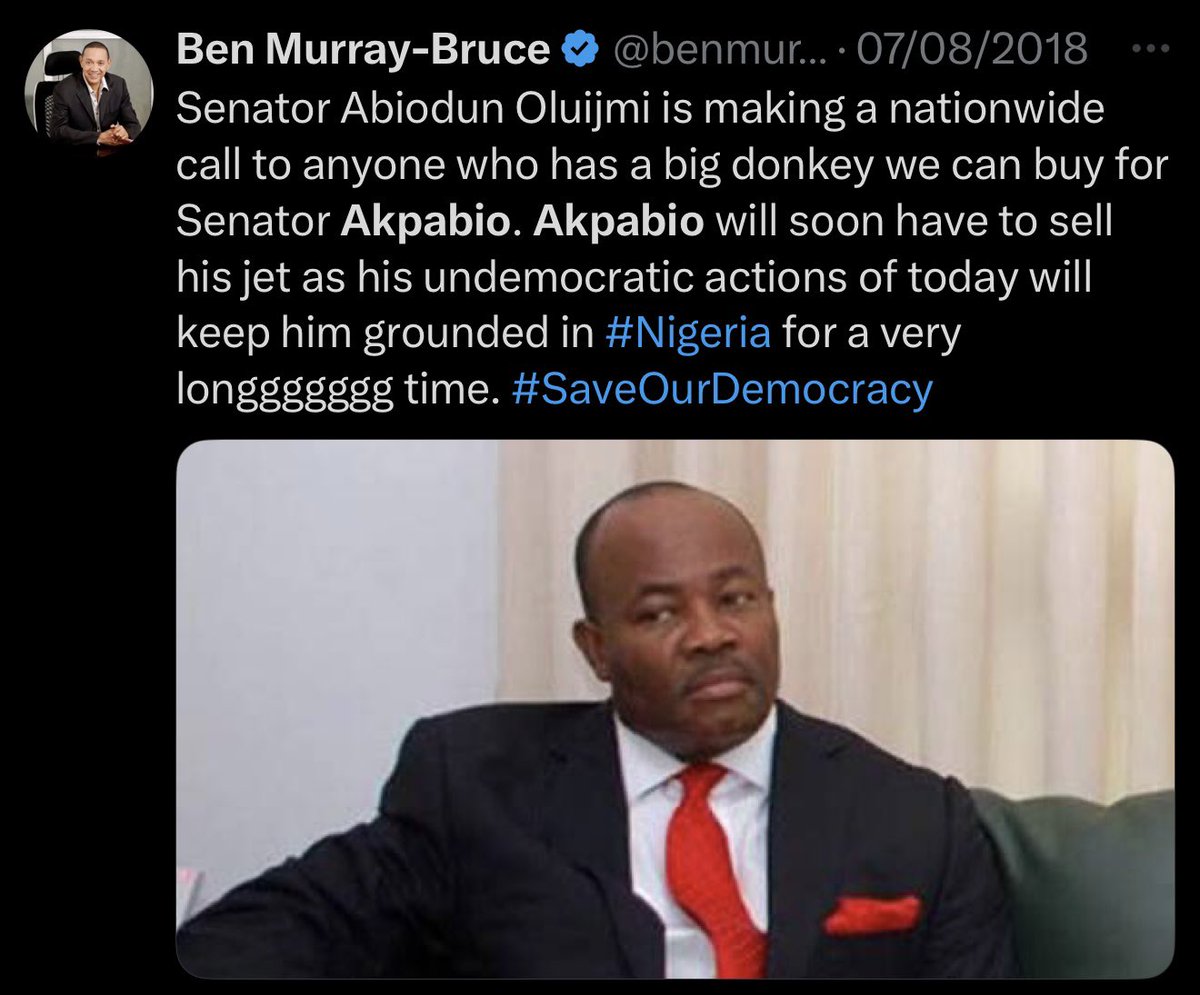
This is the best edited video about the Daniel Bwala shameful interview.
Wheoever edited this video needs to be compensated.
Daniel Bwala is the most shameless human alongside Reno Omokri.
So, if everything you wrote is true, and Traore doesn't turn into another African despot, then I wish you luck. Below is a fragment of my story, in which a black lecturer at a Polish university explains in a few sharp words the hypocrisy of Western aid to Africa.
“You know that’s not what I meant,” Ewa said, her face flushing red, though she had no intention of yielding. “Matters of social justice and climate are best left to experts. I was talking about the economy. My friends from France are about to undertake an EU project called ‘Structural Changes in Congolese Agriculture,’ and…”
“There’s no need to finish,” Duelle interjected, leaning back comfortably in his armchair. “Allow me to clarify something for you. You strike me as one of those women brimming with energy, determined to save the world with your ideas. So, before you and your friends set foot on the Dark Continent and transform it into the "heart of darkness", kindly listen to this brief lecture. After the Second World War, Africa was decolonized. But instead of universal prosperity, the continent was plunged into famine, poverty, epidemics, brutal dictatorships, and genocide. Faced with the resolute decolonizing stance of the United States post-war, media pressure to liberate Africa, and the fervor inherited from Roosevelt’s misguided ideals, they carved up Africa with a ruler, drawing borders straight through territories inhabited by tribes, clans, and religious groups that were homogenous in their structure. This gave rise to bloody wars and the ascent of black dictators. Those same fools threw hostile communities into the crucible of newly formed states, with predictable consequences. From ill-considered political decisions, driven by ideological pressure, figures like Idi Amin and other lesser tyrants emerged, drenching entire nations in blood. Meanwhile, yesterday’s champions of African freedom quietly shifted their activism to new causes: sexual minorities and climate change. Since the twenty-first century is marked by apologies, perhaps instead of kneeling, it’s time to apologize for decolonization?”
“But I was saying…” the woman ventured timidly.
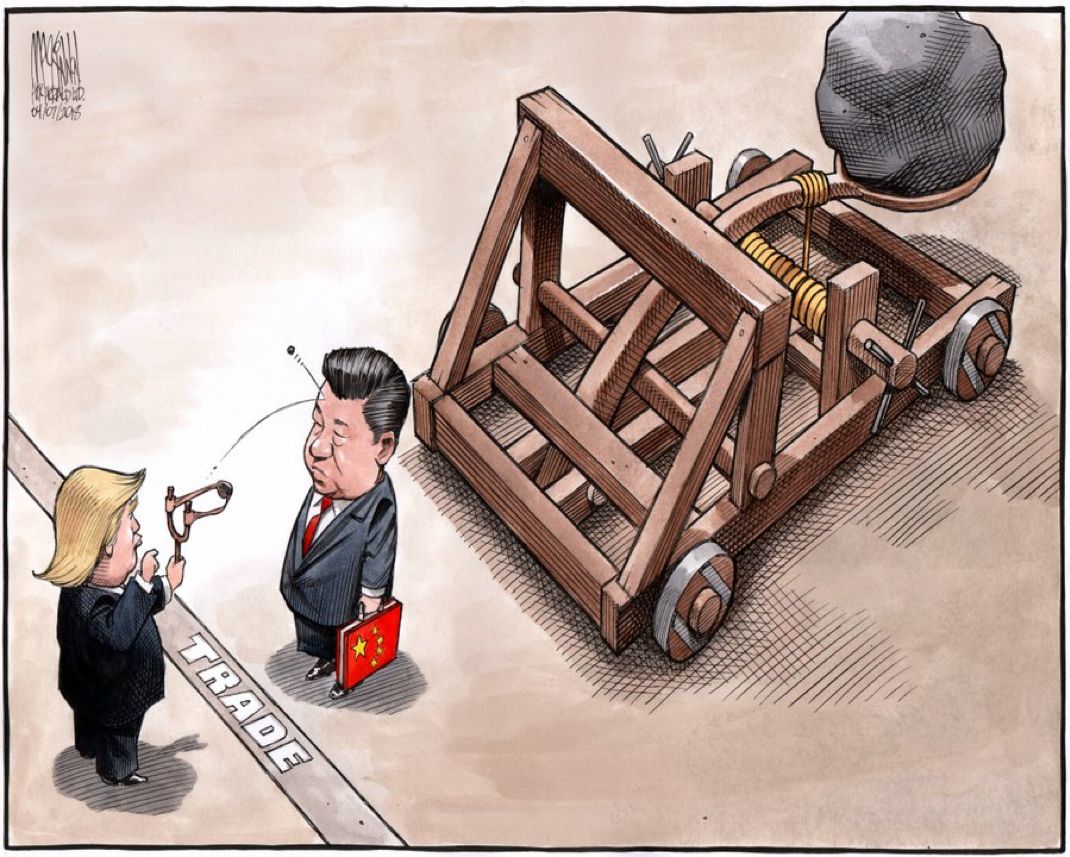
“You think I could secure a grant for something like that? I could, but I don’t want to. The vast majority of aid programs for Africa are, in truth, subsidies for European and American companies buying African raw materials. These resources are shipped by the ton to Europe or the US, processed to increase their value tenfold, and then sold worldwide—including back in Africa, I won’t deny it. But poor Bambo can only gaze at them through a shop window, unable to afford them. For the locals, there are massive landfills sprouting on every other street in Africa instead of factories or service industries, where they can scavenge for old mobile phones. Trace the supply chain of African cocoa beans, and perhaps you’ll see that colonialism has been replaced by neocolonialism. This has given opportunists an excuse to stage military and paramilitary coups, followed by massacres of civilians. If you want to help Africa, then go there, spend three years learning the language, customs, and principles that govern those societies, and then pontificate. But no, activists always know better. And besides, activists don’t want to learn—they want to act, because tomorrow a thousand people will die, and the day after, the planet. So the politician-corporate duo funnels aid money, which, before it reaches its destination, is partly siphoned off by European mafias and corporations, then falls into the hands of local warlords and bureaucrats. In this sense, one could confidently say that people are the same under every latitude. Grandiose aid for Africa is organized, but in reality, no one has a clue how to break this vicious cycle. To get the continent on its feet, you’d need to invest in infrastructure, education, healthcare, and gradually establish local processing industries—not in China or the EU. Yet no Western business dares invest there, fearing the unstable political climate—a splendid legacy of the decolonizing forefathers. And so, the cycle continues. And somehow, no one seems bothered that the Chinese are now recolonizing Africa, for now by buying and leasing rare metal mines. That’s today. Tomorrow, they’ll install their people, and Chinese troops will guard their interests. The West will find this convenient, because the Chinese won’t hesitate to exploit the locals, including children, ensuring the EU and US access to African resources or Chinese products. No one will bother politicians in Washington or Berlin about human rights violations, as they’ll unanimously declare it’s not their companies operating there. From time to time, the media sounds the alarm that some African nation faces famine, and then various Geldofs, between one puff of weed and the next, have a moment of zeal: ‘We’re helping Africa!’ And that’s more or less how it’s been for years.”