Every PCB engineer using KiCad should know about CERN's open-source libraries.
CERN has released the same KiCad component libraries used by its electronics engineers for designing scientific instruments and research hardware.
Why it's worth using
• Production-quality symbols & footprints
• Auto-generated from CERN's Altium libraries
• Nightly updates
• Database-driven library management
• Compatible with KiCad 9 and KiCad 10
• Licensed under CERN Open Hardware Licence v2
Perfect for building:
• Embedded Systems
• FPGA Boards
• Robotics
• Industrial Electronics
• Research Hardware
• Custom PCBs
If you use KiCad, this is one of the highest-quality open-source component libraries you can add to your workflow.
GitLab: https://t.co/nzBv8SrA8T
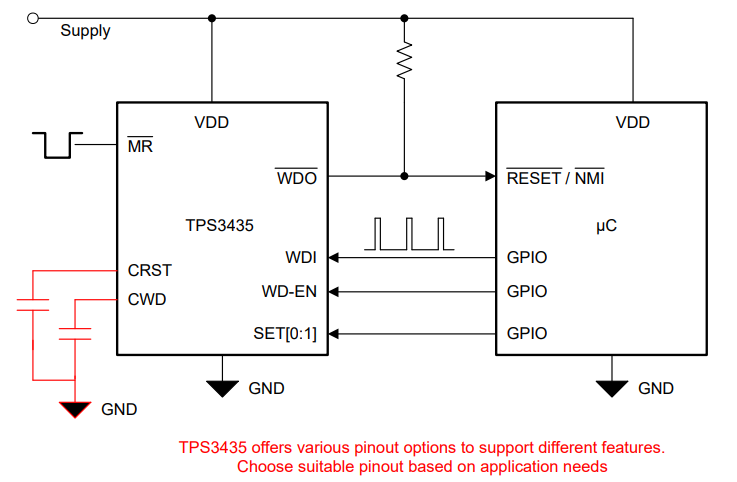
Need a totally separate watch-dog timer from your main MCU for some reason?
Look at the TPS3435, only consumes 0.25uA and is programmable with just two external caps.
Watch-dog timers are excellent for putting your device in a safe state in case of processor lockup.
JLCPCB has an API? Oh no it's a Java SDK. Oh wait I can LLM this into working. Python library in reply...
This library can be used for:
- Component search
- PCB quoting/ordering
- 3D part quoting/ordering
- Stencil quoting/ordering
I'm adding it to my build script for KiCad!
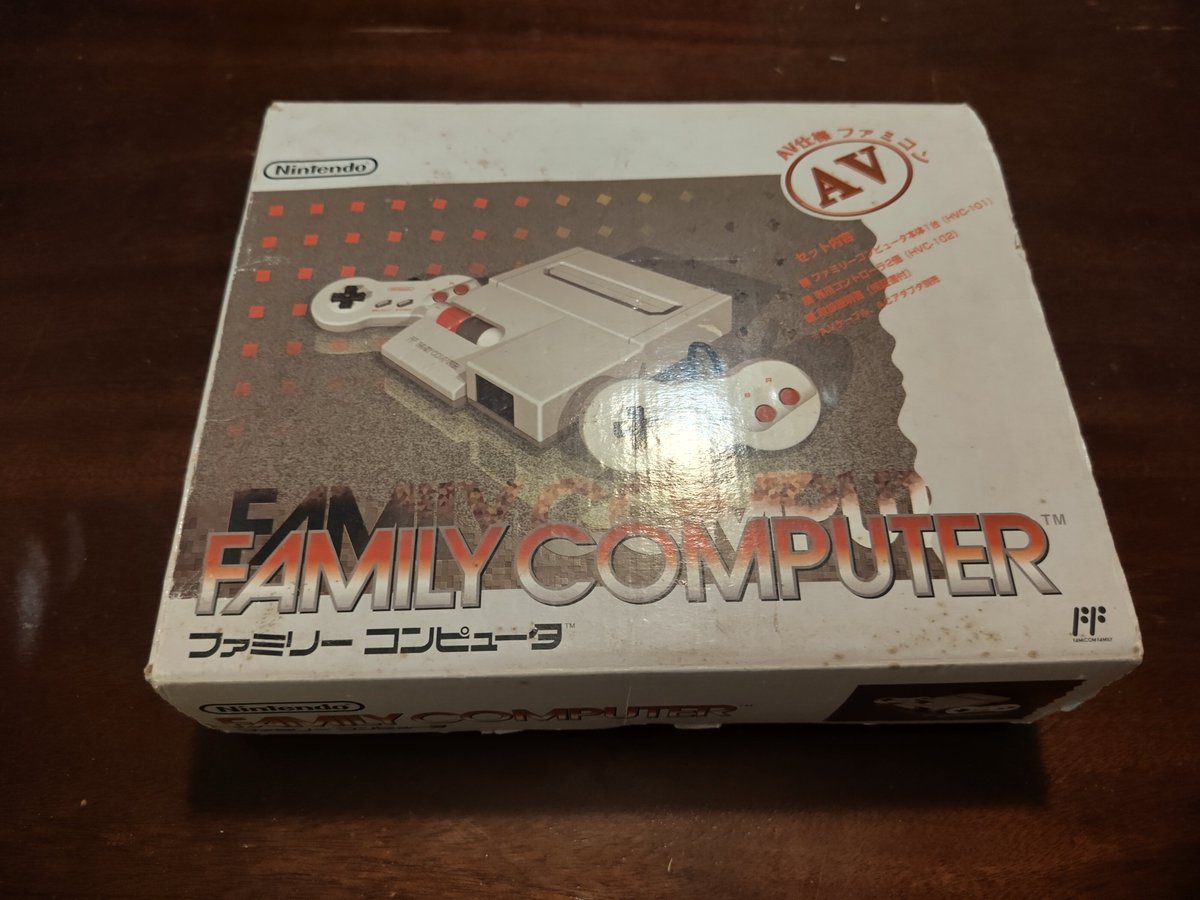
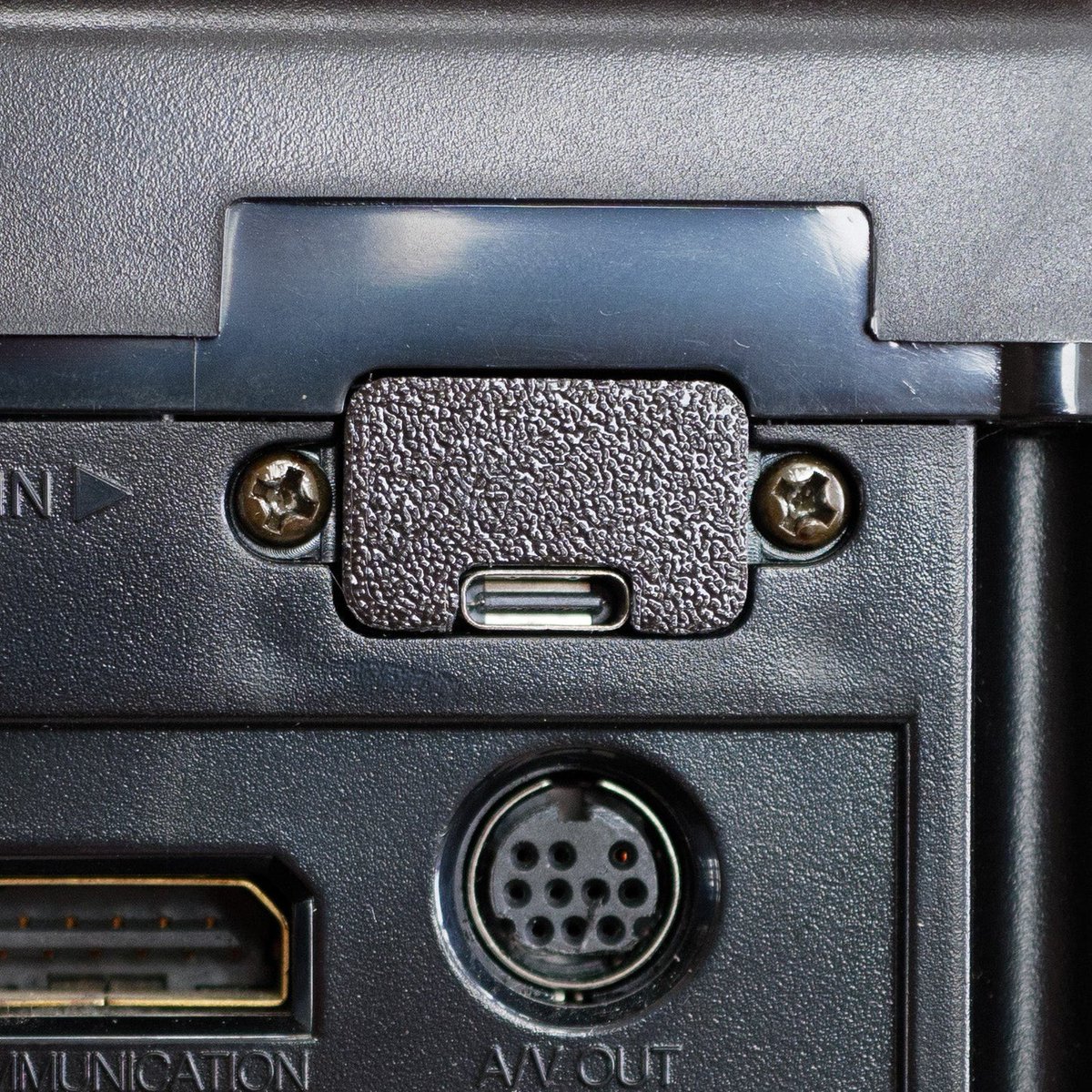
Thanks to my Patreon members, I was able to grab a bargain of a boxed AV Famicom for $40! I will be using this motherboard to sand down and reverse engineer.
Keep an eye out for OpenTendo-HVCN.
(I wouldn't have gotten a boxed one, but it was cheaper than the loose units I saw.)
Wait, so the reason 115200 baud is a common bit rate for UART is because its a multiple of 9600 (x12=115200).
And 9600 baud was commonly used because its 32*300 baud.
And 300 baud was used because its the lowest common denominator of 50Hz and 60Hz.
And that was used because telecom signals used to be clocked to the mains frequency?
So many examples of engineers just adapting around legacy systems because its easier to build upon stuff than reinvent stuff lol
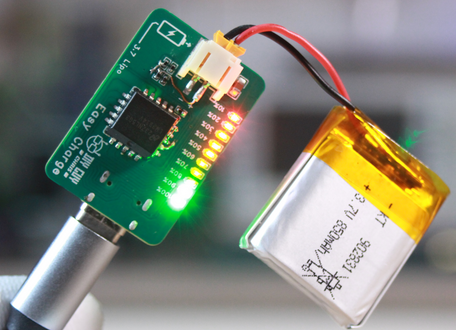
DIY Smart Lithium Battery Charger With LED Fuel Gauge: DIY GUY Chris explains how to build a professional-grade lithium battery charger with a visual 10-segment LED indicator. The project combines the reliable BQ24075 charging IC with the classic LM3914 display driver to create a compact, feature-packed module perfect for powering your DIY projects. https://t.co/JWr7ItdF3B
I love Shahriyar's videos, but his latest one is especially interesting. It shows the process to analyze, troubleshoot and repair an Agilent vector signal generator.
It's fantastic that people with this level of knowledge and experience and access to equipment share it for free.