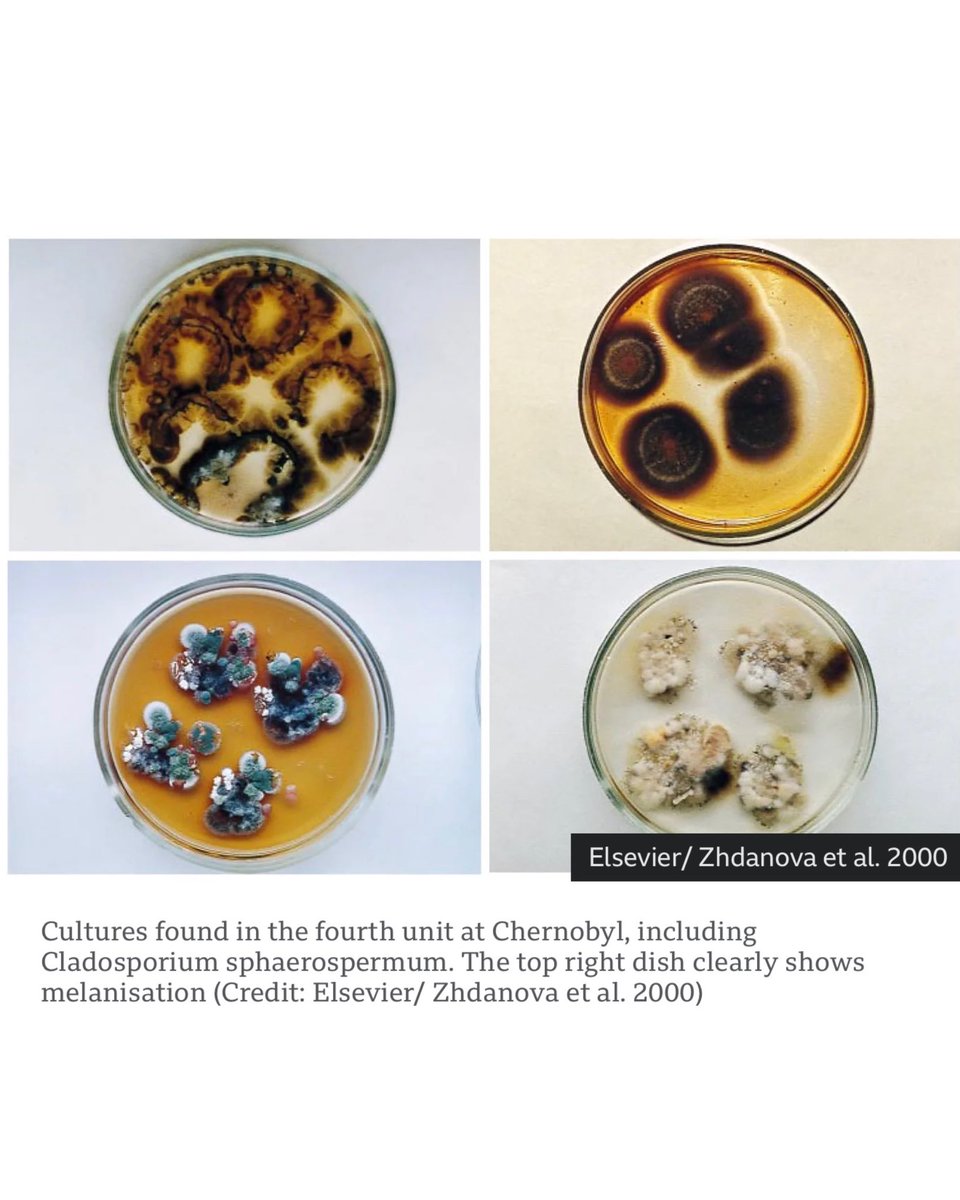
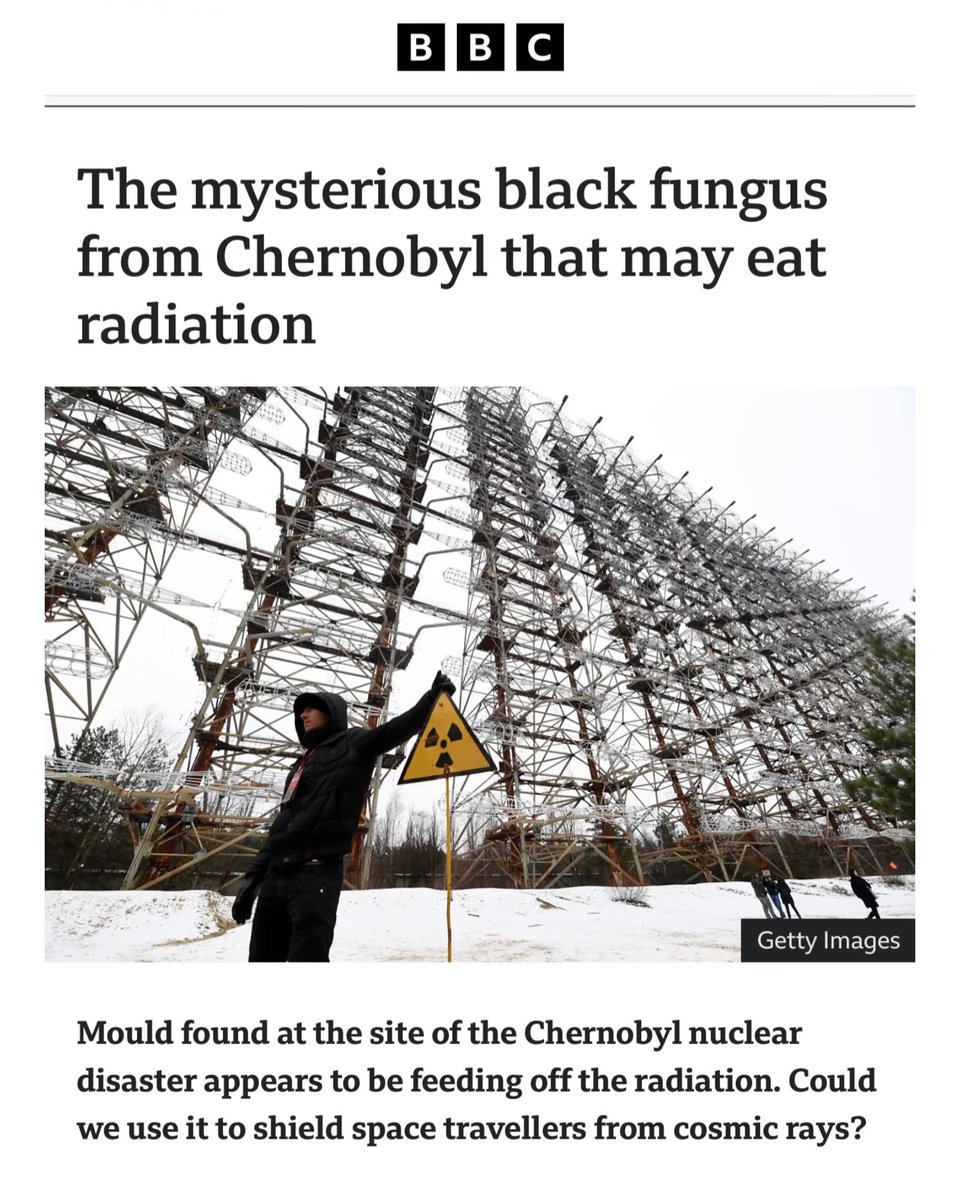
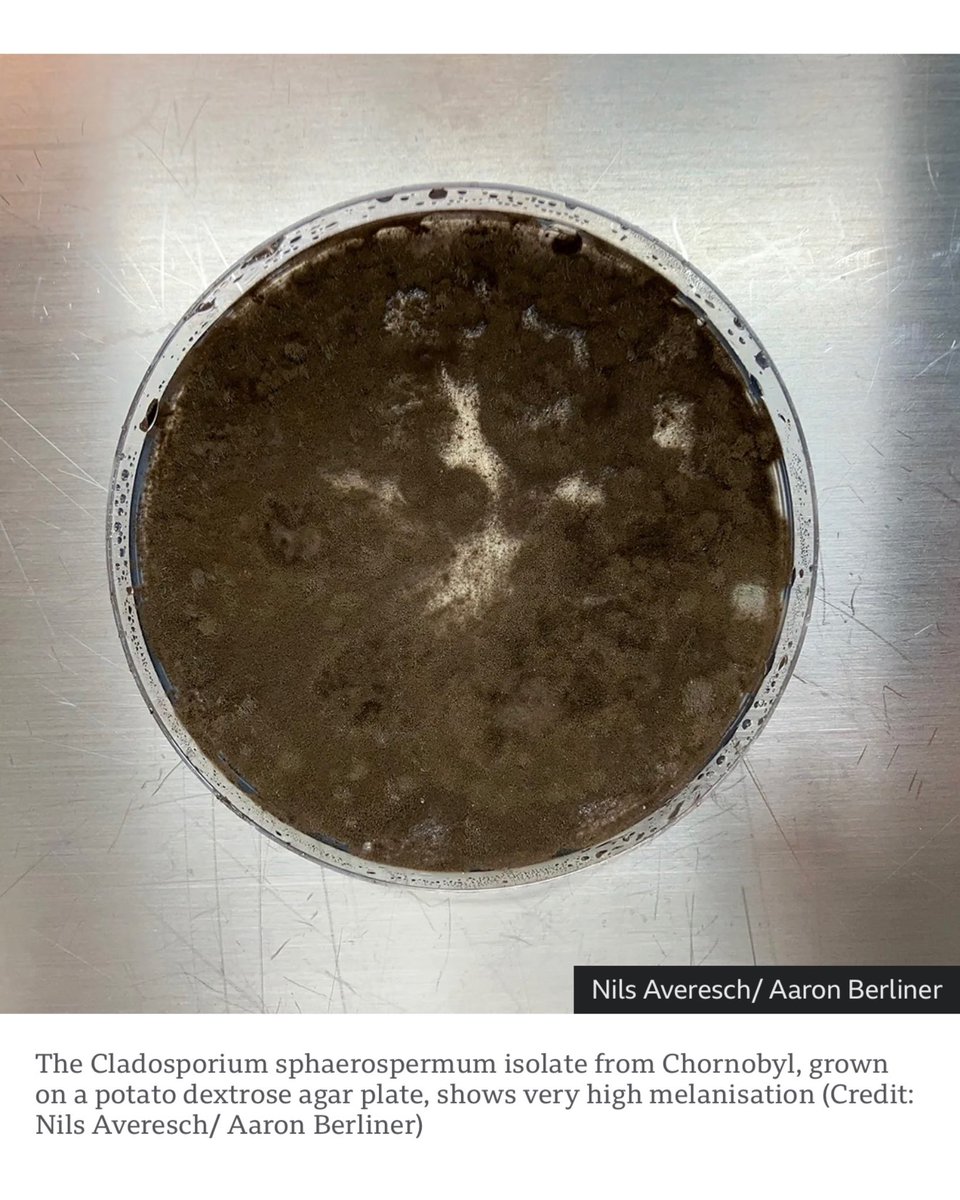
Scientists studying the Chernobyl exclusion zone have identified a melanized fungus that not only survives intense radiation, but may actually metabolize it. A process researchers are calling “radiosynthesis.”
Findings like this continue to reveal how extraordinary and adaptive fungi are. These organisms have evolved to thrive in some of the harshest environments on Earth, offering profound insights into resilience, regeneration, and the hidden intelligence of nature.
If a fungus can transform radiation into usable energy, imagine what else the fungal kingdom can help us solve? We are only beginning to understand the gifts fungi offer our shared future.
Read more about it:
https://t.co/MxAhrMaFuu
Fungi never cease to amaze me!
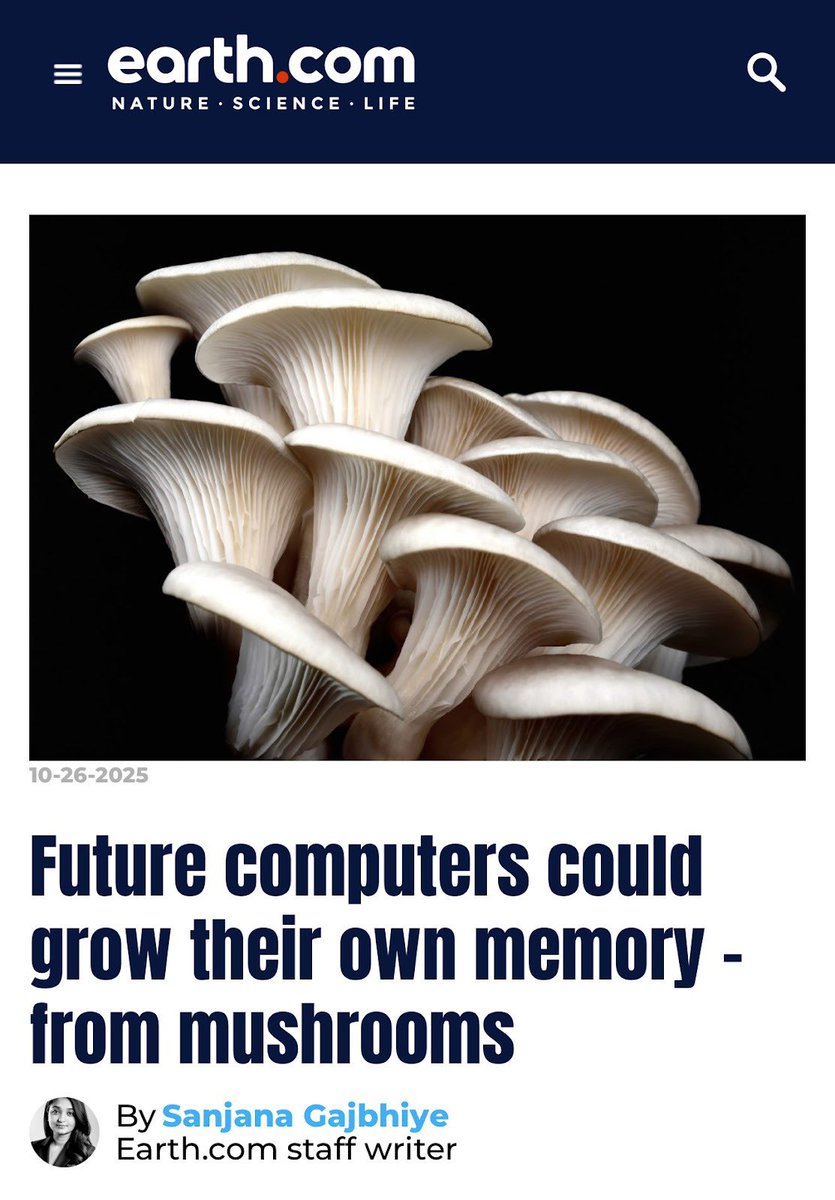
Scientists are now exploring how mushrooms can form the foundation of new computing systems, literally growing their own memory. The mycelial networks that have sustained ecosystems for hundreds of millions of years may soon inspire sustainable, living technologies.
Nature is the ultimate innovator. The more we listen and learn from the fungal kingdom, the more we realize how much wisdom it holds!
Read more: https://t.co/bujhMRd50x
The smoky brown clustered wood lover, Hypholoma capnoides, is a delicious mushroom that few know about. This species has purplish brown spores. Be careful, there are some poisonous lookalikes — like the green filled clustered wood lover, Hypholoma fasciculare, aka the sulphur tuft. Even more dangerous and toxic is a rusty brown spored orangish mushroom species in the Galerina marginata group and can be DEADLY!
Take a spore print! And be absolutely accurate in your identification before consuming.
This mushroom is for experts! Be CAREFUL!
See my latest book for more information.
Mycology is edgy….and so much fun!
Filming and photos by Pamela Kryskow, MD
From ChatGPT:
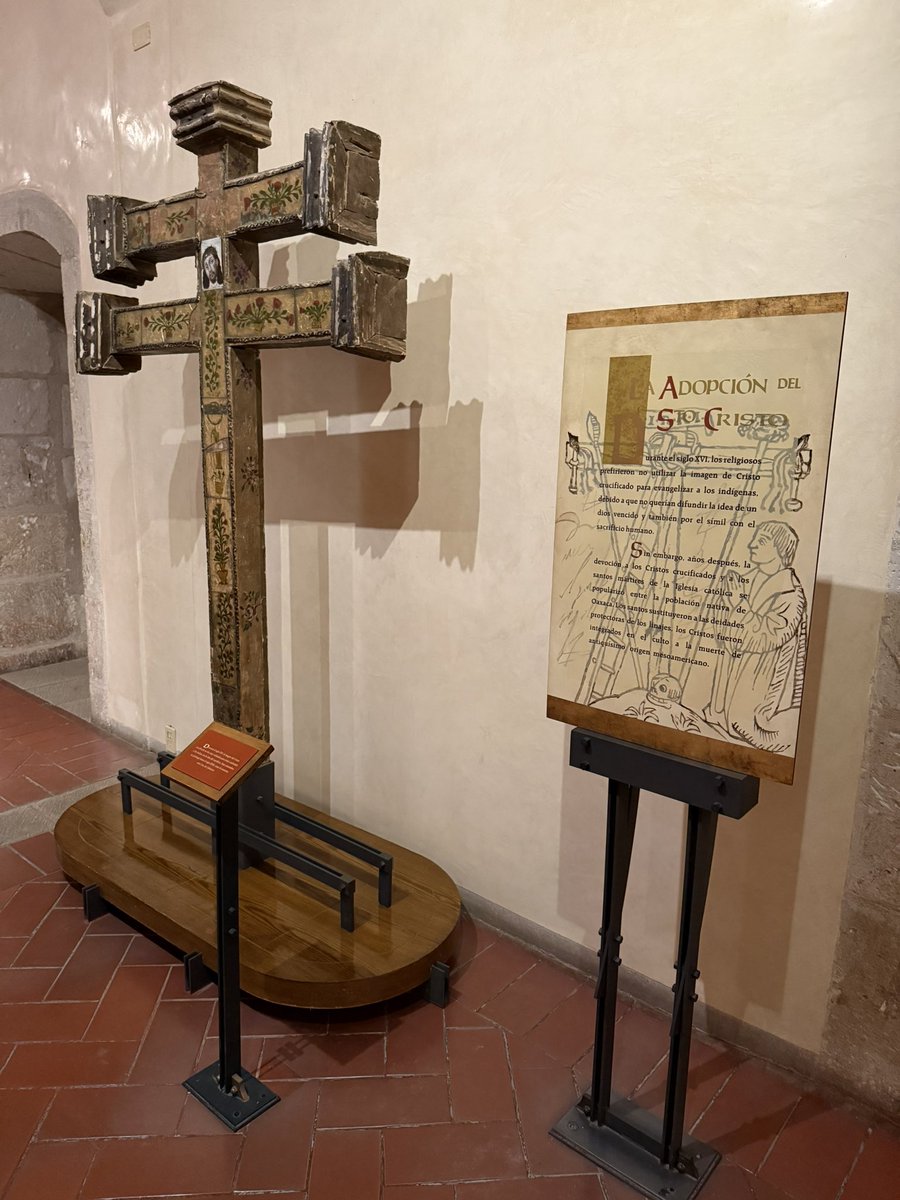
Some critics say this image is not mushrooms but spikes! What do you think ChatGPT?
“Looking closely at this section of the cross, the small green figures emerging from the basket (or vessel) have triangular, cap-like tops and slender stems, with a slight bend or curvature. These shapes are visually consistent with stylized depictions of mushrooms, particularly the way psilocybin mushrooms are often represented in post-Conquest or syncretic colonial iconography from Oaxaca and Puebla.
By contrast, spikes or thorns in colonial religious art were usually more rigid, straight, and evenly spaced, often symbolizing suffering or the Crown of Thorns; they wouldn’t typically be shown sprouting from a basket or vessel. The woven basket motif, meanwhile, often symbolizes offering or harvest — both of which align more naturally with the interpretation of mushrooms or plants being presented.
So, while absolute certainty requires art-historical verification, the form, posture, and context of the figures in your image are more consistent with mushrooms than with spikes.”
So, what do you think… mushrooms or spikes? Cast your vote in the poll above and let’s see where the myconauts land.
The Divisive Manipulative BotFarms went Bonkers last time so I turned off comments. This time, let the real people speak respectfully to others.
Garth Marenghi kicks off his ‘THIS BURSTED EARTH’ tour tonight with the first of three warm-up shows in Norwich. For up-to-date info on all things Garth Marenghi (not technically *all* things), visit his BRAND NEW WEBSITE:
https://t.co/05NhSoX7VJ