As Apni Chhat Apna Ghar scales up across Punjab, seamless inter-agency collaboration remains critical. Enhancing system efficiency across all partner organisations is key to delivering housing to more beneficiaries.
@MaryamNSharif@thebankofpunjab@WBG_Pakistan@punjab_dgpr
Strengthening Systems to Scale Up Apni Chhat Apna Ghar Program
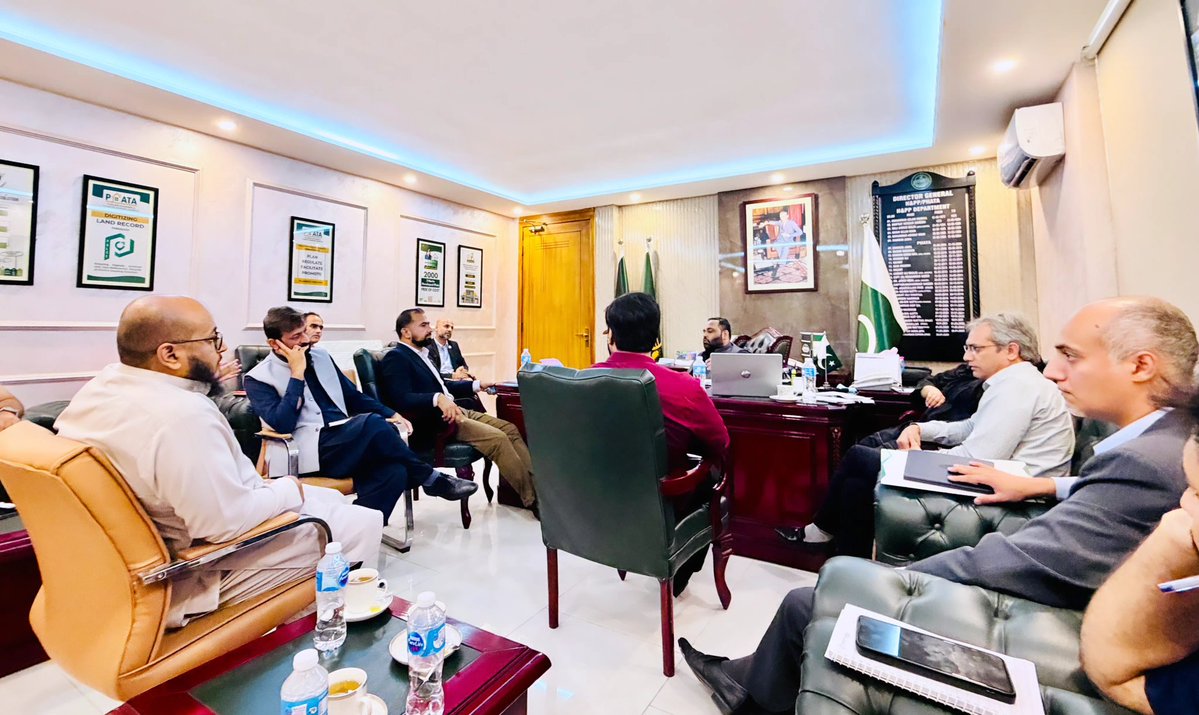
The Urban Unit's representatives participated in a high-level meeting with the DG Punjab Housing and Town Planning Agency (PHATA), to address data flow under AGAC.
@GovtofPunjabPK@PnD_Punjab@MaryamNSharif
Simultaneously, the GIS Sector is developing district-wise MHVRA Atlases to convert field data into actionable geospatial intelligence for improved disaster risk management and planning.
@MaryamAkhtarKh1@PnDSouthPunjab@punjab_dgpr
Strengthening Punjab's Disaster Resilience
The Monitoring & Evaluation (M&E) Sector of The Urban Unit, in collaboration with PDMA Punjab, is overseeing the CM Multi-Hazard Vulnerability Risk Assessment (MHVRA) Project across all districts of Punjab, with 71% progress achieved.
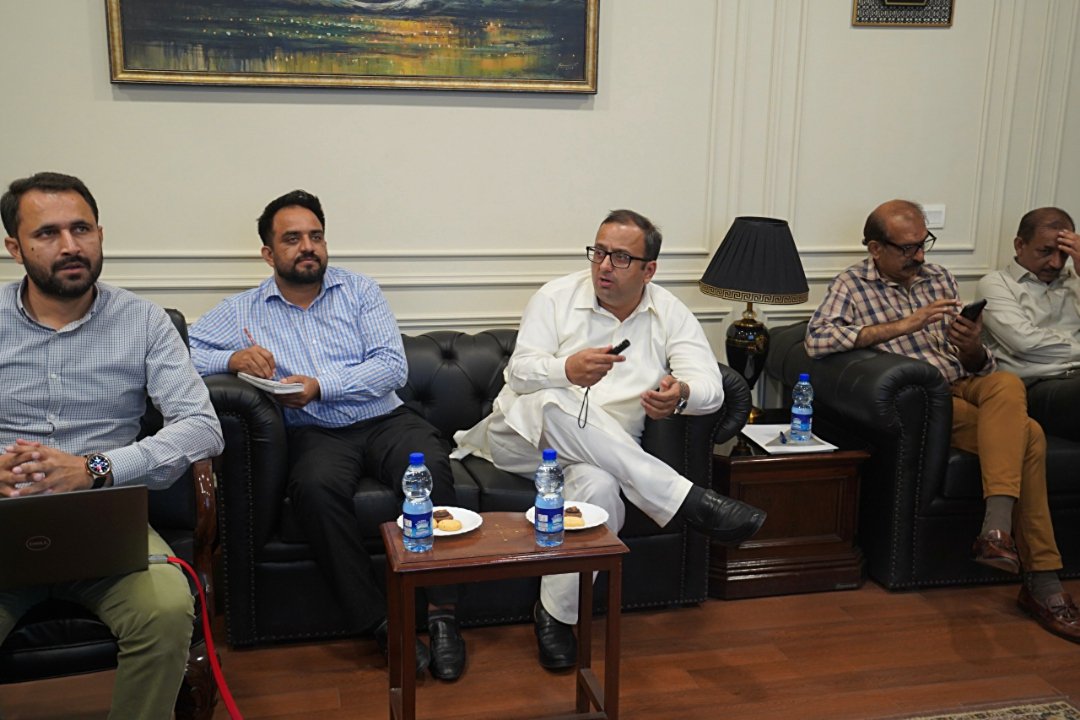
A coordination meeting held at the PDMA Office, attended by the Director General PDMA,Additional Director General PLRA and representatives of The Urban Unit, reviewed project milestones and discussed strategies for timely completion.
@GovtofPunjabPK@Marriyum_A@pdmapunjab
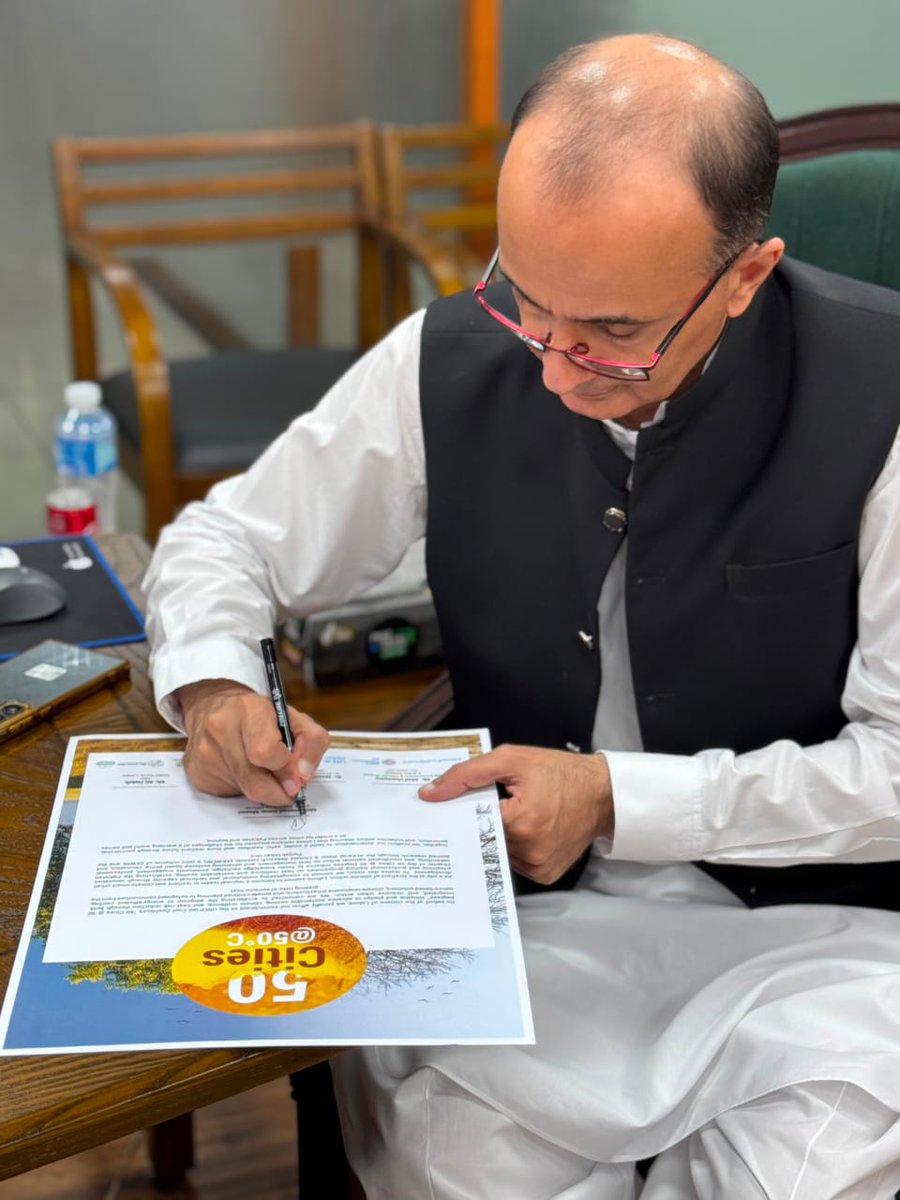
To symbolize a shared commitment to climate action, Ms. Memoona Arslan Bhatti, GM Communication, The Urban Unit, presented the Pledge Shield to stakeholders, reaffirming a collective resolve to build resilient communities and foster sustainable development.
@GovtofPakistan
Prof. Dr. Muhammad Atiq Ur Rehman Tariq, Director CEWRE-UET Lahore, appreciated The Urban Unit and its partners for their collaborative efforts in advancing climate resilience and sustainable water resource management.
@MaryamNSharif@Marriyum_A
Additionally, he stressed the importance of heat-resilient urban infrastructure, including bus shelters, road signboards, and other public structures, to strengthen cities’ preparedness for extreme heat.
@MaryamNSharif@Marriyum_A
Dr. Ali Habib, National Team Lead, Collaborative Labeling and Appliance Standards Program (CLASP) Pakistan, emphasized the need for a people-centered cooling strategy to improve access to essential cooling solutions for vulnerable communities.
@UNICEF@UN@UNEP@UN_Women
Dr. Habib also acknowledged the Punjab Government’s initiative of providing 100,000 solar solutions to low-income households, implemented with support from The Urban Unit, as a significant step toward equitable cooling access.
@GovtofPakistan@GovtofPunjabPK@lahore_wasa
Hassan Ilyas (Specialist Environment) highlighted the support of government in planning for heatwave management initiatives. He elaborated that there are proper roles for various departments. The proper mechanism designed by the Urban Unit is implemented by the EPD.
@UNEP@un
Dr Masood Arshad (Senior Director Programme WWF) shared WWF success stories completed in partnerships with various stakeholders. He claimed that Pakistan is vulnerable to climate change and needs adaptation practices. Nature-based solutions are required for Urban Cooling.
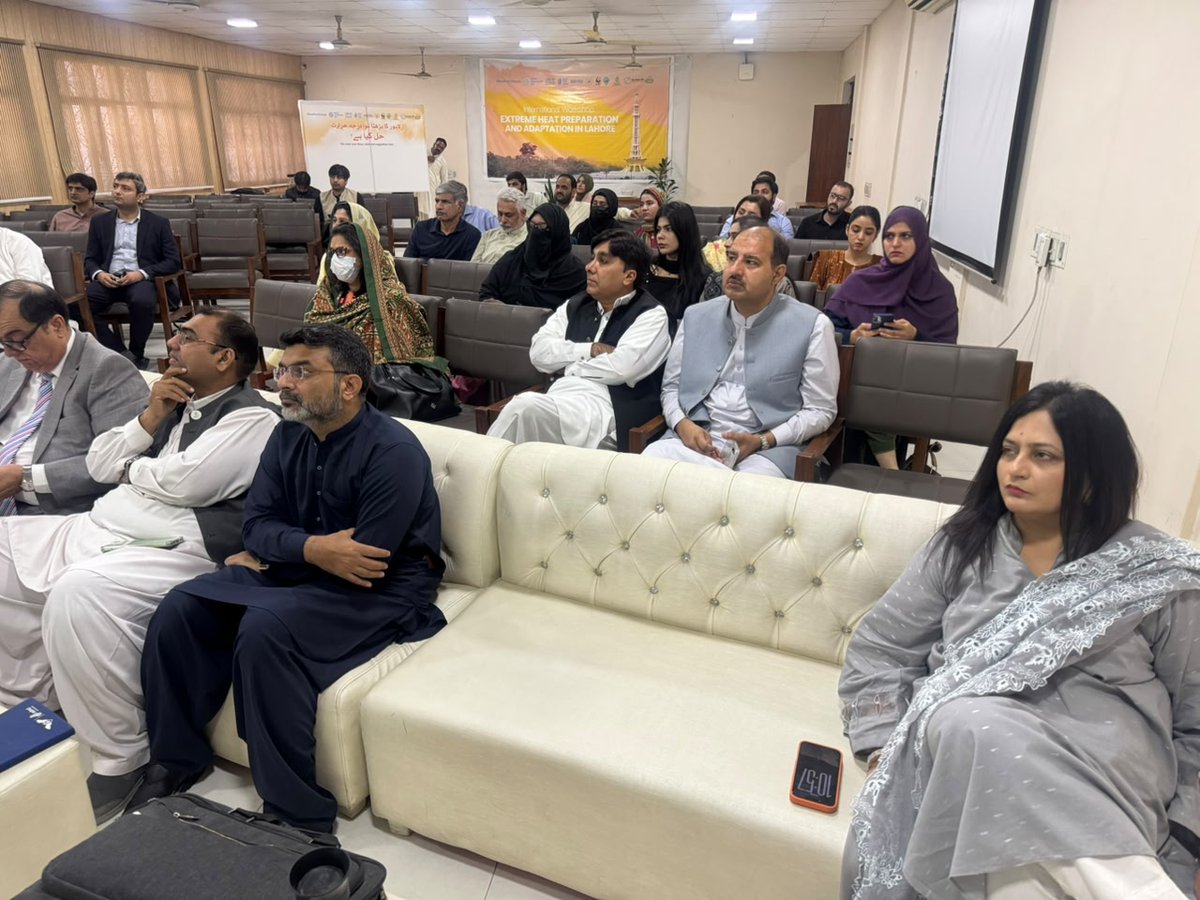
Dr. Nausheen Mazhar of Lahore College for Women University emphasized during the workshop on Extreme Heat Preparation and Adaptation in Lahore that climate action must be driven by research, education, and collective responsibility.
@unwomenasia@WWFPak@Marriyum_A@lahore_wasa
She highlighted LCWU's focus on climate research, climate-focused academic programs, and capacity building, while stressing the need for stronger collaborations with national and international organizations.
@UNEP@WHO@GovtofPunjabPK@ClimateChangePK@MaryamNSharif@uet_lhr