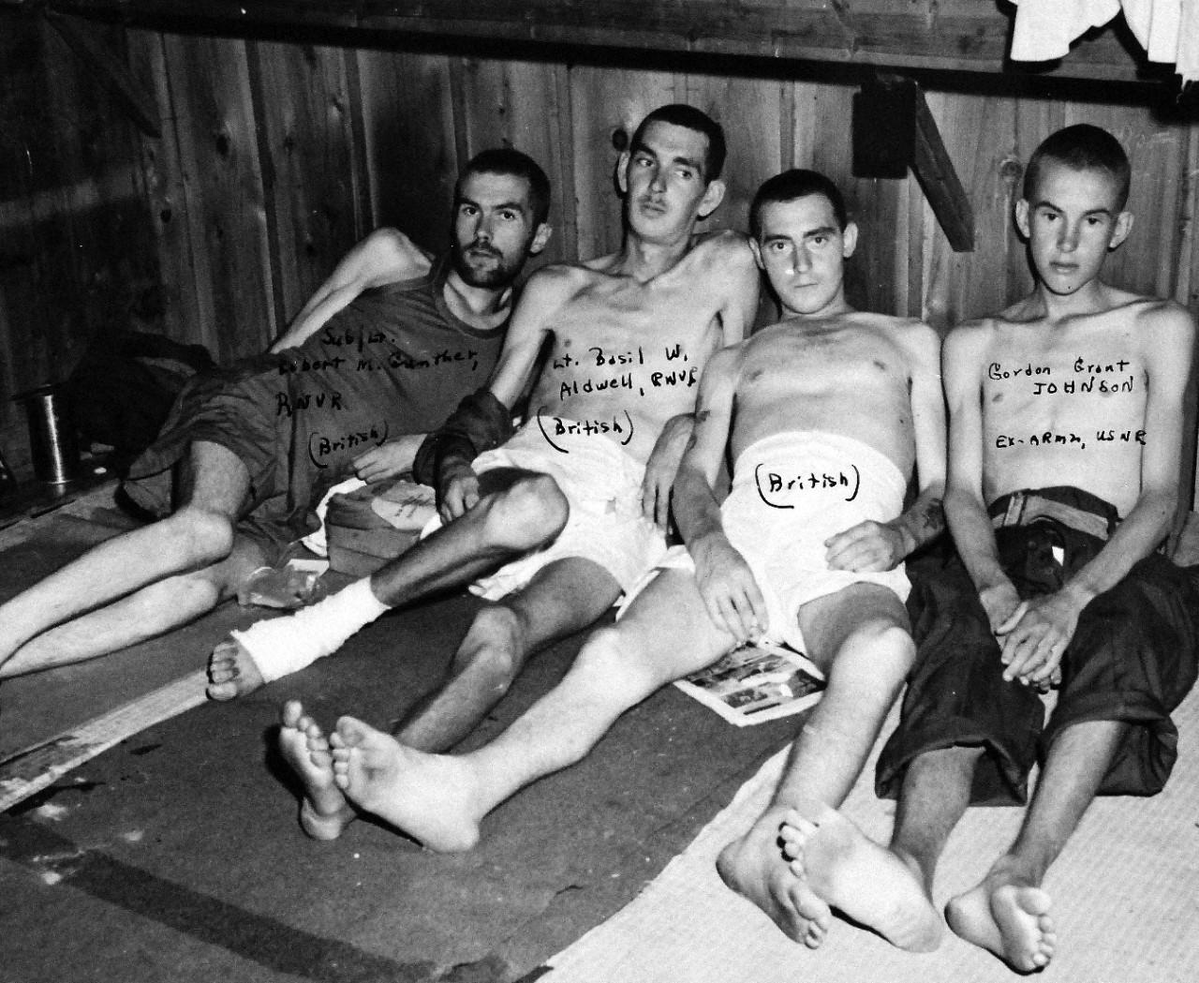
These five Americans had just bombed Japan.
By the next day they were prisoners. Two of them would be executed by firing squad.
The man at front left, Jake DeShazer, spent 40 months in Japanese prisons, 34 of them alone.
After the war, he chose to go back to Japan.
This is the story of Jake DeShazer..🧵1/4
My favorite @nycDSA story is that their chair Gustavo, who claimed to be a union electrician, convinced members to give him $95k to “help with rent”.
It turns out 1) he had never worked as a union electrician and 2) was renting bc the $1.4M townhouse his parents bought for him was 3) being renovated using non-union workers with 4) no permits.
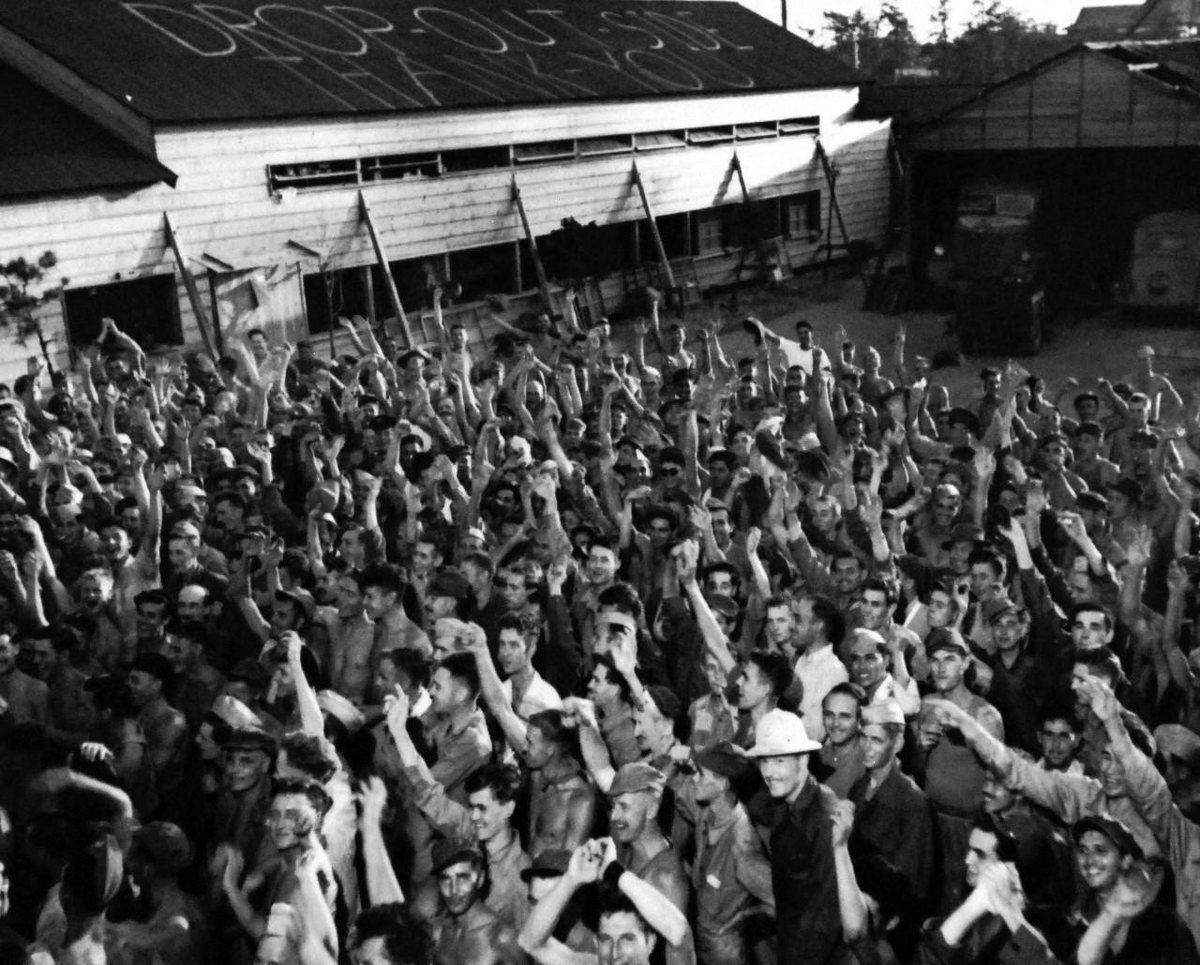
In 1945, Medal of Honor ace Pappy Boyington was a prisoner at Omori, a Japanese camp in Tokyo Bay. He later wrote that one Japanese private there was "a far braver man than I."
His name was Yukichi Kano, the camp interpreter. Omori sat on a man-made island in the bay.
Omori held captured American airmen and sailors. It also held a guard the prisoners called the Bird, one of the cruelest men of the war.
Kano could not stop the Bird. So he quietly worked around him.
Sick men who stopped working lost half their food. Kano gave them easy jobs, so on paper they were still working and could keep eating.
When starving prisoners took vegetables from the garden or mussels at low tide, Kano talked the guards into looking the other way.
In winter he hung blankets on the walls of the sick room. He found charcoal to keep it warm.
He walked sick men past the camp's cruel Japanese doctor and into the hands of a prisoner who was a real physician.
Boyington saw what it cost him. He wrote that Kano's "heart was being torn out most of the time."
One winter night, Olympic runner Louis Zamperini was walking back from the latrine. He saw a prisoner tied to a tree in the snow for stealing Red Cross food.
Kano was kneeling beside him, putting a blanket over his shoulders.
By morning the blanket was gone, taken back before the Bird could see it.
Then the war ended, and the danger got worse.
Drunk guards came toward the barracks with swords drawn. They wanted to kill the captured B-29 crews.
Kano and one other man stood in their path and stopped them.
When the Americans came to free the camp, two of them tried to rip the insignia off Kano's uniform. A prisoner named Bob Martindale stepped in and told them off.
Martindale and other officers wrote a letter praising Kano before they sailed home. It did not save him.
Kano was arrested as a suspected war criminal, perhaps because his name sounded like two cruel men. He sat in prison for months without a charge.
He wrote to the authorities and begged them to look at his case. "Cross my heart, I have not done anything wrong."
In the winter of 1946 he was cleared and set free. He went to work for a trading company in Yokohama.
For years he did not write to his old prisoners. In 1955 he finally told Martindale why.
He was afraid a letter "might make them to remind up the hard days in Omori, which, I am sure, they would like to forget."
Masliah's work should be retracted. I think we can all agree on that.
I also hope more people come around to my other position on Masliah: he is abominable and should be hanged for his crimes.
New Post.
https://t.co/1MJBuZEkGy
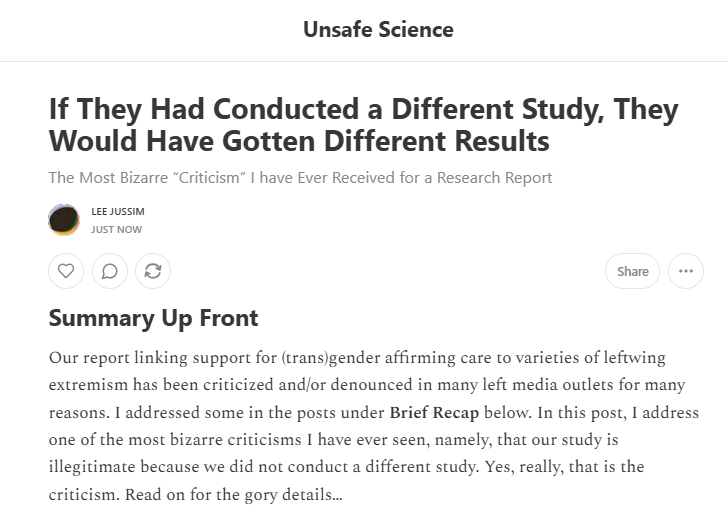
"the idea that ”you did not study X” is some sort of fatal flaw that invalidates a study is a truly bizarre criticism. Every research project ever conducted did not study some things. What a study did not address is entirely irrelevant to what it did address and, as such, cannot possibly invalidate conclusions about what it did address."
Two more days for the “Thrill” Laird @restatueamerica fundraiser. Big thank you to @thewardoll for volunteering his time for this epic design.
And thank you to everyone who helped already, just crossed $12 which is outstanding.
Link in next post 👇🏻
My middle son is a doctor in pharmacy, and works at a hospital.
He sent me this actual test which is given to pharmacist students. They have to see if they know tell a Pokemon apart from a drug.
Pretty sure that Carvedilol is a Leaf-type.
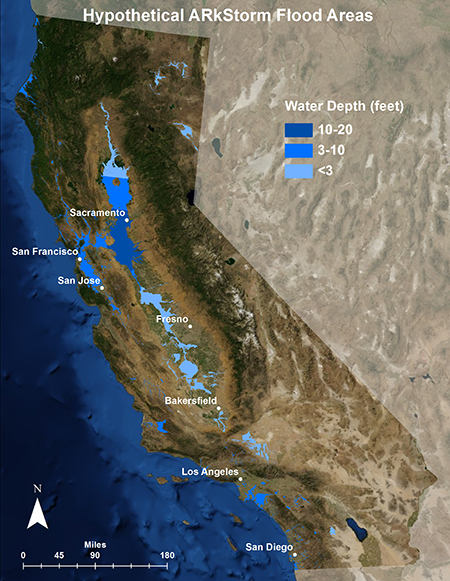
In January 1862, California's new governor, C.E. Watkins *rowed* to his own inauguration.
Within weeks the state government had packed up and left the capital altogether, because the capital, Sacramento, was under water.
1/3
@Kronykal Makes me wonder about the worst possible 3rd order effects, and what 2nd order effects could use some safety rails to mitigate said.
We should always look downstream of our actions, imo.