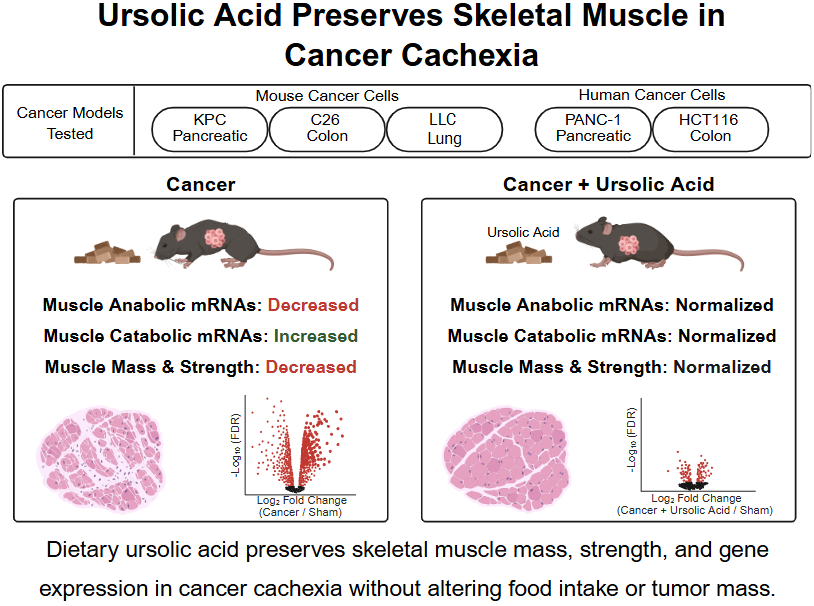
Learn more about how #cancer affects #muscles in this #ArticleinPress, Dietary supplementation with ursolic acid preserves skeletal muscle mass and strength in mouse models of cancer #cachexia (Jeremy B. Ducharme et al. @UF):
https://t.co/TUrKFcqQl1
Mitochondrial remodeling in skeletal muscle underlies exercise-induced reversal of age-associated functional decline in mice and humans
https://t.co/Rs3LCHj77B
Mark your calendars📅✨
The MHRC Career Day is coming. Bridge the gap between your research and your future profession
• Network with industry leaders
• Explore diverse career paths
• Transition from academia with expert guidance
Stay tuned—registration details coming soon!
Join us for the 17th Annual Muscle Health Awareness Day at @YorkUniversity on May 1st Experience a day of cutting-edge research featuring expert speakers, poster sessions, and networking
⚠️ DEADLINE ALERT: Submit your abstract by midnight TOMORROW, April 22
#MHRC#YorkU#MHAD17
The deadline to submit for the 17th Annual Muscle Health Awareness Day is this Wednesday, April 22, at midnight.
Featuring:
• Kate Murray (President & CEO, @MitoCanada)
• Keynote speaker Louise Gibson
Let's bridge research and advocacy!
#YorkU#MuscleHealth#MHRC#MHAD17
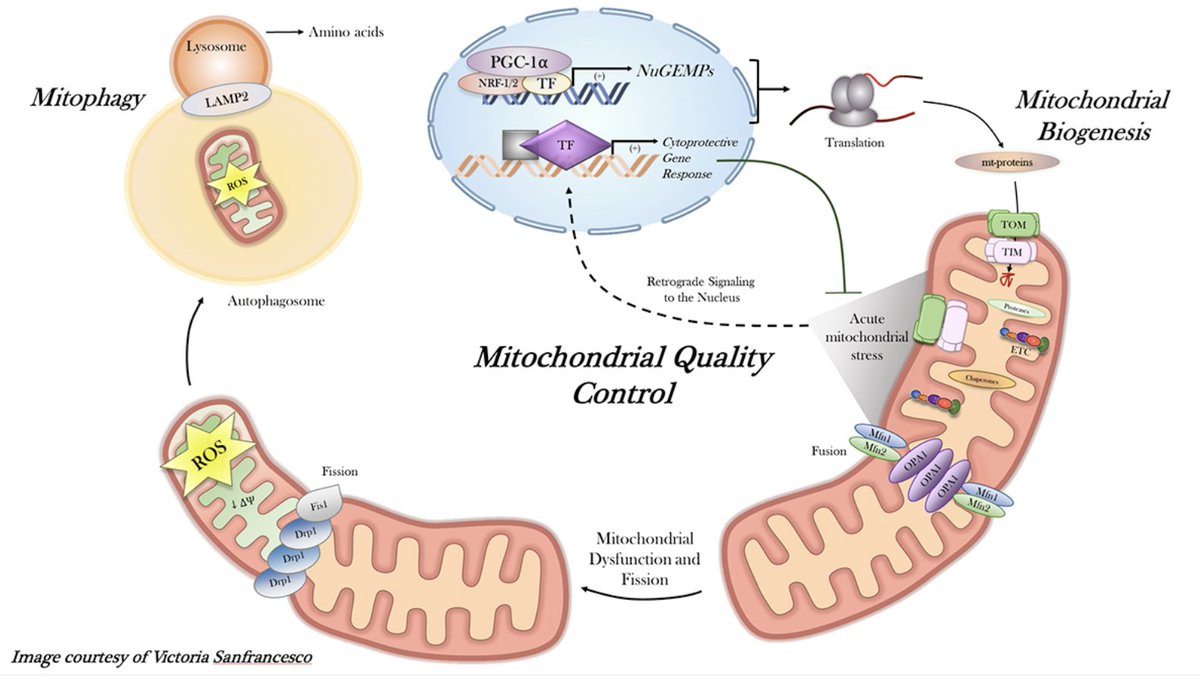
Unfolding Resilience: Molecular Integration of the Integrated Stress Response and Mitochondrial UPR in Skeletal Muscle Homeostasis. A beautifully illustrated preprint by Victoria Sanfrancesco and Daniella Della Mea. https://t.co/Nyy8YK7hU0
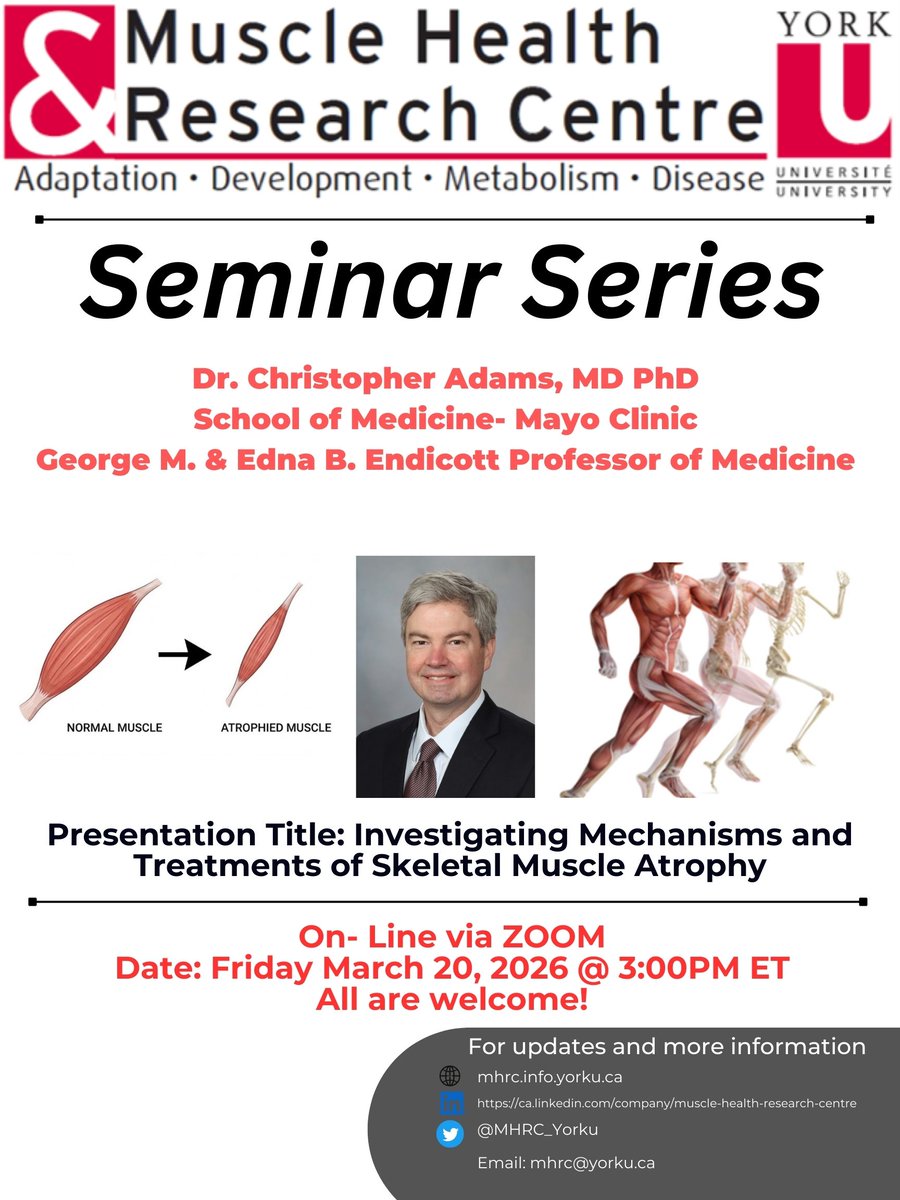
March 20, 2026 3PM (Toronto Time). Join our next speaker in the MHRC Seminar Series Dr. Christopher Adams for their presentation entitled: Investigating Mechanisms and Treatments of Skeletal Muscle Atrophy ZOOM: https://t.co/g5vmvsWk2c
Save the Date! 🗓️
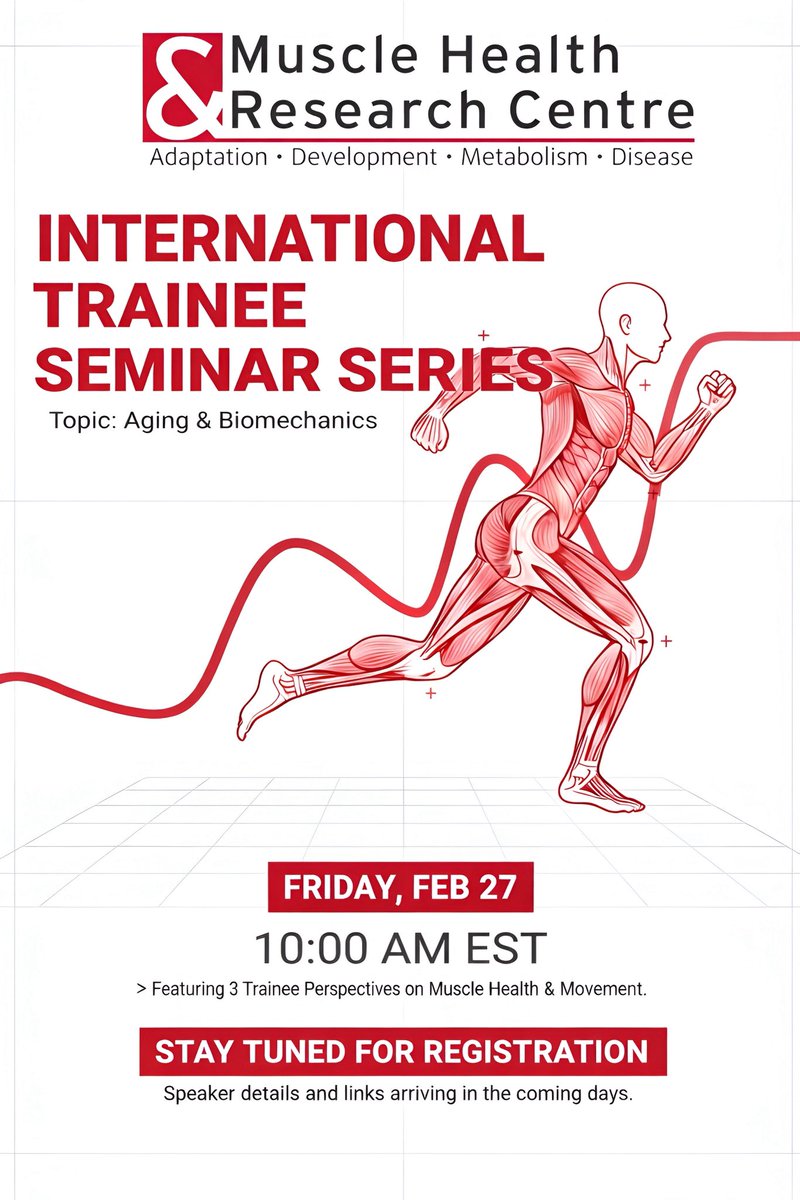
Our International Trainee Seminar Series returns Friday, Feb 27 at 10:00am EST. This session dives into Aging and Biomechanics, featuring three trainees presenting their latest research 🦴🔬
Stay tuned for speaker reveals and registration details soon!
#MHRC
one-carbon metabolism as a tissue-overarching pathway characteristic for metabolic wasting in mice and patients and linked to inflammation, glucose hypermetabolism and atrophy in muscle @RohmMaria@HelmholtzMunich https://t.co/qYAlQskoFi
A simple guide to how mitochondria work. 4️⃣ primar jobs
Mitochondria are more than the “powerhouse of the cell.” They’re multitasking organelles that control energy, stress, genetics, and even cell survival. Here are the 4 primary jobs they do:
1️⃣ ATP Generation (Energy Production)
Mitochondria convert glucose, fats, and amino acids into acetyl-CoA, which enters the TCA cycle and electron transport chain (ETC).
The result: ATP, the energy currency for everything from nerve signals to muscle contractions.
🟢 Example: Every time you move or think, mitochondria are fueling the process.
2️⃣ ROS Balance - i.e., redox control
As mitochondria make ATP, they also generate reactive oxygen species (ROS) damaging byproducts.
Antioxidant enzymes (like catalase, SOD, glutathione peroxidase) keep ROS under control.
Too much ROS = oxidative stress → cell injury or death.
🟢 Example: Exercise trains mitochondria to better balance ROS, which is one reason it’s so protective.
3️⃣ mtDNA Maintenance (genetic stability)
Mitochondria have their own DNA (mtDNA), which encodes key ETC proteins.
Damage or mutations in mtDNA reduce energy output and contribute to diseases.
mtDNA mutations accumulate with age, linking mitochondria to neurodegeneration and aging.
🟢 Example: Mitochondrial DNA damage is a hallmark in Alzheimer’s and Parkinson’s disease.
4️⃣ Membrane Dynamics (fission & fusion)
Mitochondria constantly split (fission) and merge (fusion) to adapt to stress and demand.
This dynamic reshaping controls quality, removing damaged mitochondria (mitophagy) and keeping networks healthy.
🟢 Example: Impaired fission/fusion is seen in metabolic disorders and neurodegenerative disease.
Mitochondria don’t just make energy. They balance oxidative stress, protect genetic integrity, and constantly remodel themselves to keep cells alive. Supporting mitochondrial health means supporting the foundation of cellular life.
Interested in Lysosomes? Here is a way to purify them from skeletal muscle. Great work by T. Mahendran, A. Kuznyetsova and N. Moradi.
https://t.co/JJlJe2cTcx