A tale that surrounds you with the #Celtic world of ancient France, filled with powerful #druids, fearless warriors, noisy ghosts, and mystical events! Death Speaker: A Novel of Ancient Gaul, in print or Kindle: https://t.co/3f2PxFyQdT
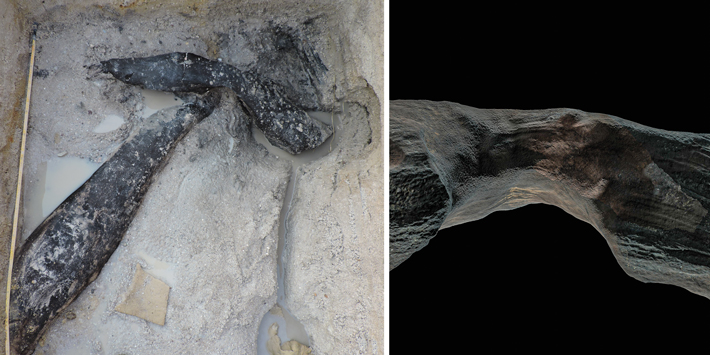
Before there were humans, around 476,000 years ago, someone was building a wooden structure in Africa - changing everything we thought we knew (again!) https://t.co/oCxv83AlDR
Off Capri, chiseled obsidian that was being transported in the Neolithic found by divers. So far, it's a shipwreck site without a ship (more investigations to come) and the obsidian has been recovered: https://t.co/53Ljd6bq7f
There are two basin stones in the right hand recess of the chamber at Newgrange. The upper one is exquisitely carved from Mourne granite. the lower one is too big to have been brought inside after the monument was built so the chamber must have been built around it.
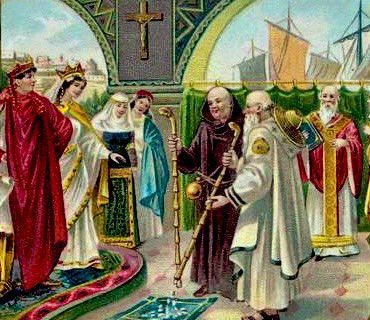
A long-term accomplishment of Justinian was the establishment of silk production in the Roman Empire “in a fascinating tale of industrial espionage” whereby monks acting as imperial agents “managed to acquire the secret of silk production” & smuggle them back in bamboo canes
The monopoly in Eastern Asia on Silk production was a net economic loss for the Romans. Gold flowed out and all the empire got back was silk, it crucially also enriched their rival Persia. According to Procopius the smuggling from the East took place in the early 550’s, when “silkworm eggs had been smuggled into the empire by eastern monks employed for that purpose on Justinian’s behalf. Procopius records that, ‘at about this time, certain monks coming from India, and learning that the emperor Justinian entertained the desire that the Romans should no longer purchase their silk from the Persians, came before the emperor and promoted to settle the silk question….for they had learned accurately by what means it was possible for silk to be produced in the lands of the Romans.’”
Their motivation was simple - Justinian “‘had promised to reward them with large gifts,’ and as a result they made their way to the land ‘situated north of the numerous nations of India’ and smuggled back silkworm eggs feeding on mulberry leaves.” The benefits for the Romans were clear to see “when in the 560’s the Turks offered to sell raw silk directly to the Romans, obviating the Persians (with whom they had fallen out), they were horrified to discover that the imperial authorities were not interested.” For the Romans now had the secret themselves.
From that point on, silk production in the Roman Empire later “would form an important part of the empire’s economic arsenal, as traders from throughout Europe flocked to Constantinople in pursuit of this precious commodity.” Constantinople now had its own valuable export. This was an extremely profitable investment for the Roman state
Source - Justinian: Emperor, Soldier, Saint by Peter Sarris @peter_sarris
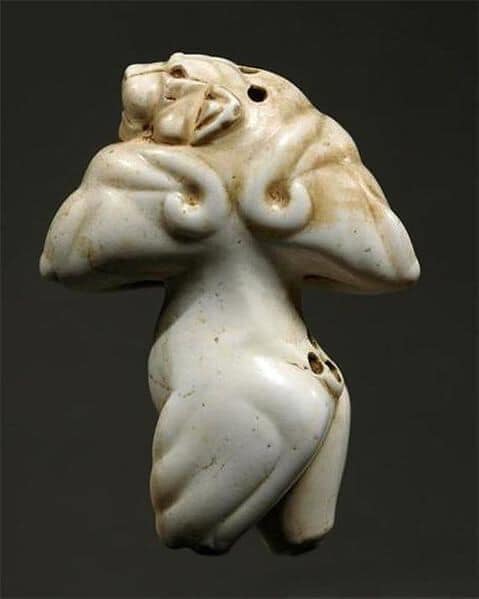
Wow. Never seen the back of this sculpture before. Guennol Lioness (https://t.co/qBTgZ1nS0E) also known as Div Shir ("Lion Demon") is an ancient anthropomorphic sculpture made in Elam (Iran) between 3000BC and 2800BC. I mentioned this sculpture in https://t.co/8aNP6BhOev
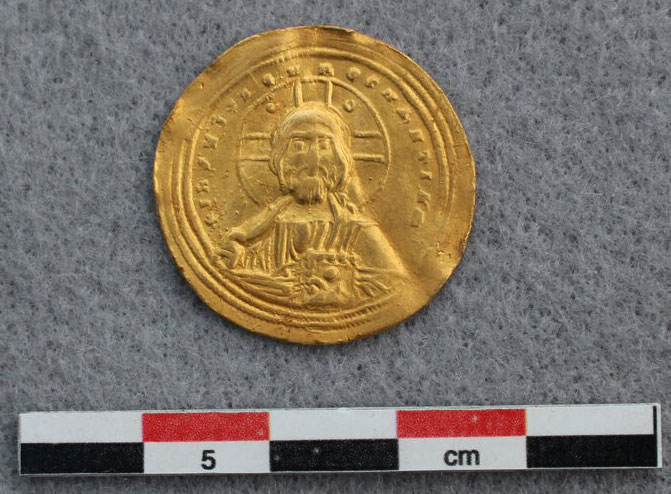
A metal detectorist in the mountains of south-central Norway has discovered a Byzantine gold coin depicting Jesus that was likely minted between A.D. 977 and 1025 and was perhaps carried by King Harald Hardråde (reigned A.D. 1046–1066).
https://t.co/qsdR6zwQyH
The largest known species of ammonite is Parapuzosia seppenradensis from the Late Cretaceous. The largest specimen found is 1.8 meters in diameter (but is also incomplete).
Here's a slightly smaller one.
[📸 Paul Williams]
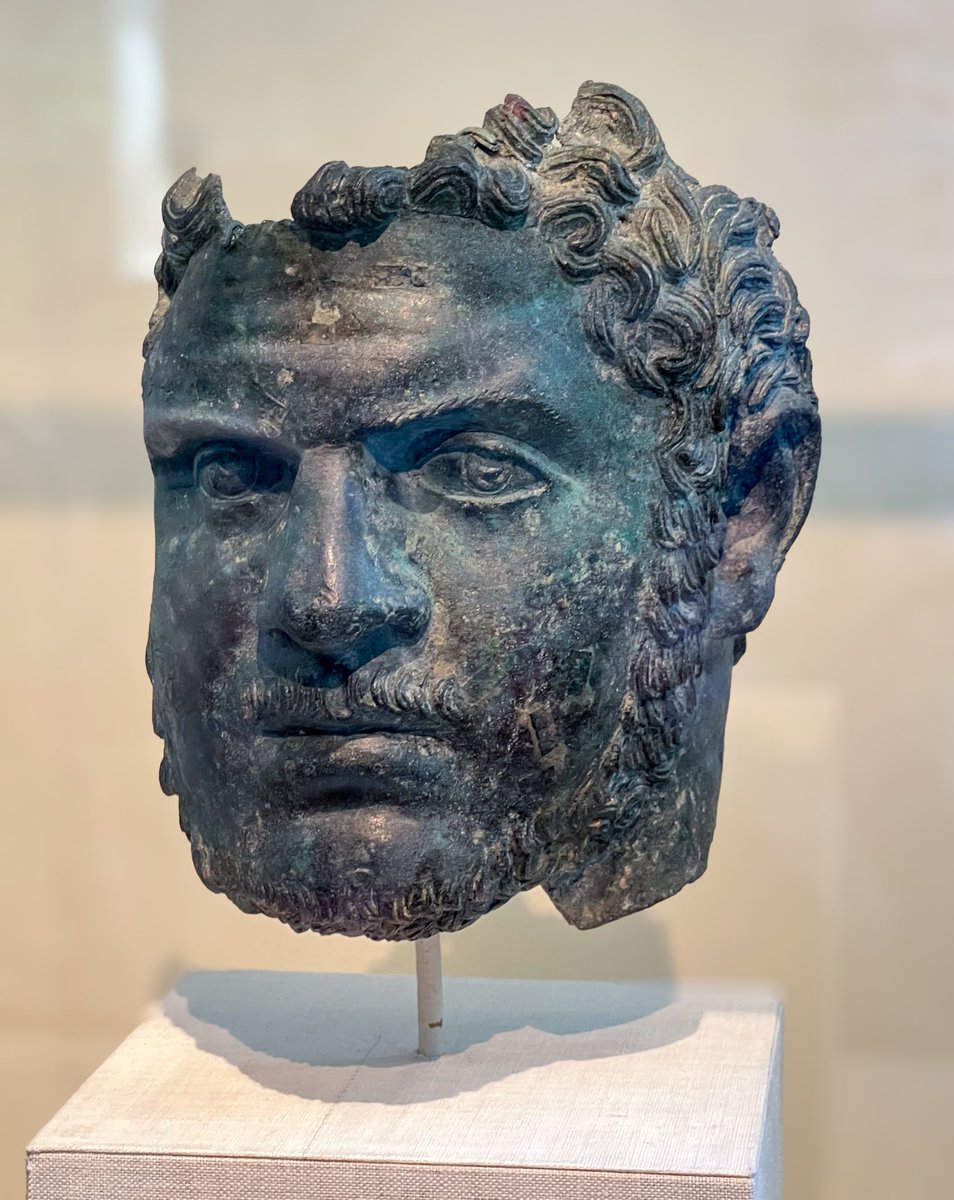
Another of the #MetMuseum’s collection has been returned to Turkey today - a fragmentary bronze portrait of the Roman emperor Caracalla. #lootedart
Already removed from the Met’s online catalogue - bad practice! 😡
📸 my own
Nifty 50s and more: Crazy-but-true stories behind the fads, toys & holiday joys of the 1950s, 1960s and 1970s fill the #Boomer Book of Christmas Memories, https://t.co/nAXyVZhaBV
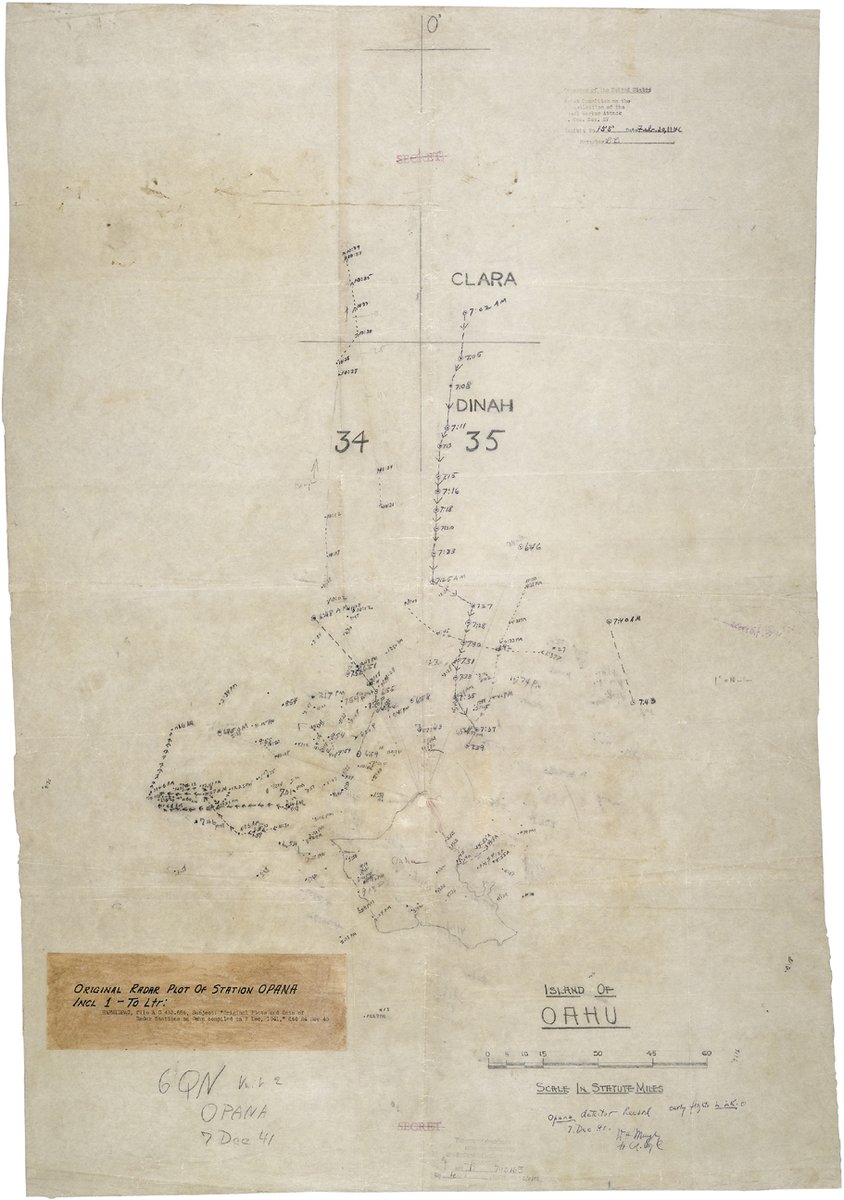
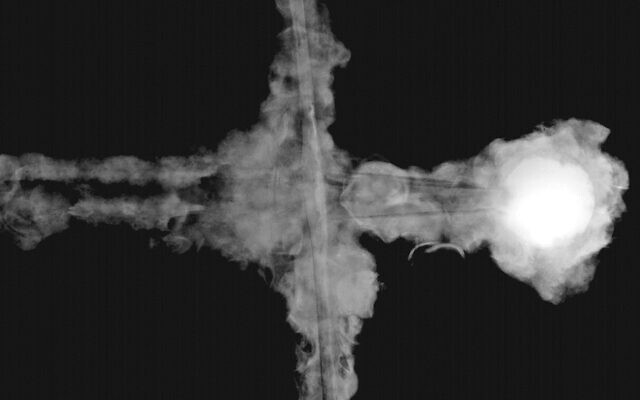
The 22 x 31-inch radar plot was made by Private Joseph L. Lockard at the Opana Radar Station on the morning of December 7, 1941. It indicated a large number of aircraft approaching the island of Oahu.
https://t.co/HroDW51jN0
#PearlHarbor
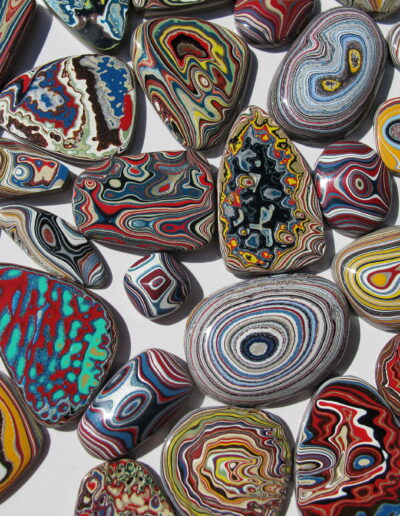
Ford cars were finished/painted on the assembly line. This resulted in "Fordite," a baked, accumulated collection of lacquer and paint that is now rare and collectable: https://t.co/d9E5eg4qJm





![Rainmaker1973's tweet photo. The largest known species of ammonite is Parapuzosia seppenradensis from the Late Cretaceous. The largest specimen found is 1.8 meters in diameter (but is also incomplete).
Here's a slightly smaller one.
[📸 Paul Williams] https://t.co/WfwvBi4pmX](https://pbs.twimg.com/media/GAw99LCW8AASM5M.jpg)