the best career advice I never got:
stop trying to get into rooms.
start building things worth being in rooms for.
I didn't network my way to VC funding.
I built something real, documented it obsessively, and the rooms started inviting me.
results open doors. hustle culture just sells courses.
Our "Crypto Consumer Hardware" Startup @RyderWallet in numbers since we started:
→ 314 VCs pitched (seed)
→ 15 checks written (seed)
→ $3.2M raised in total (seed)
→ 1 Tim Draper who first said no, then said yes
→ 2+ years from sketch to shipped hardware
→ thousands of devices shipped
→ millions of assets secured
→ 600K bridge
→ 1 Kickstarter campaign
→ 1M USD pre-seed
the scoreboard looks clean. the journey was not.
Now, time to find PMF and scalable channel.
Go buy one gents.
hot take:
if you're waiting until your product is perfect to start talking about it - you've already lost.
distribution is not what you do after you build.
it's what you build alongside.
a founder with an audience is the new moat.
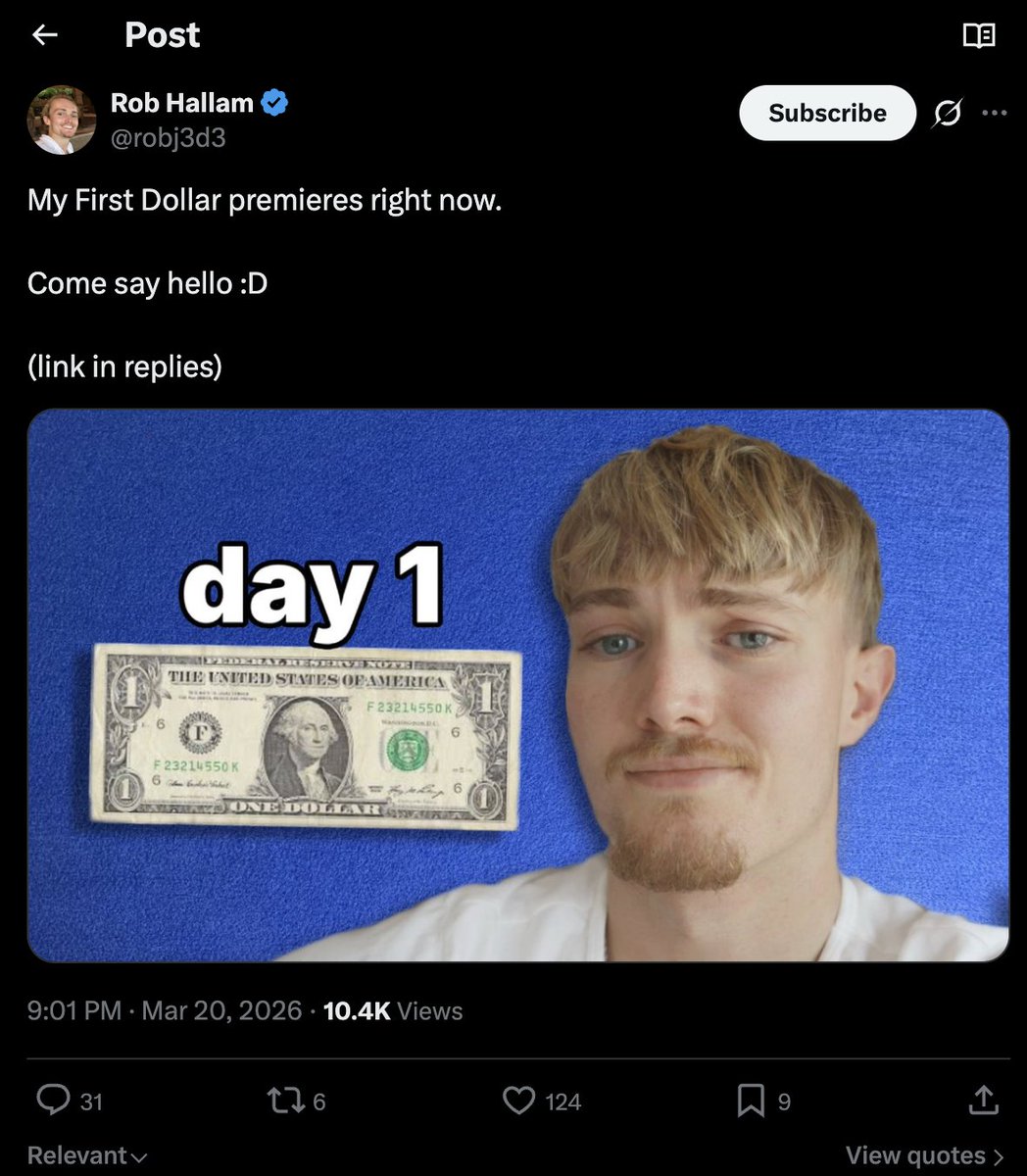
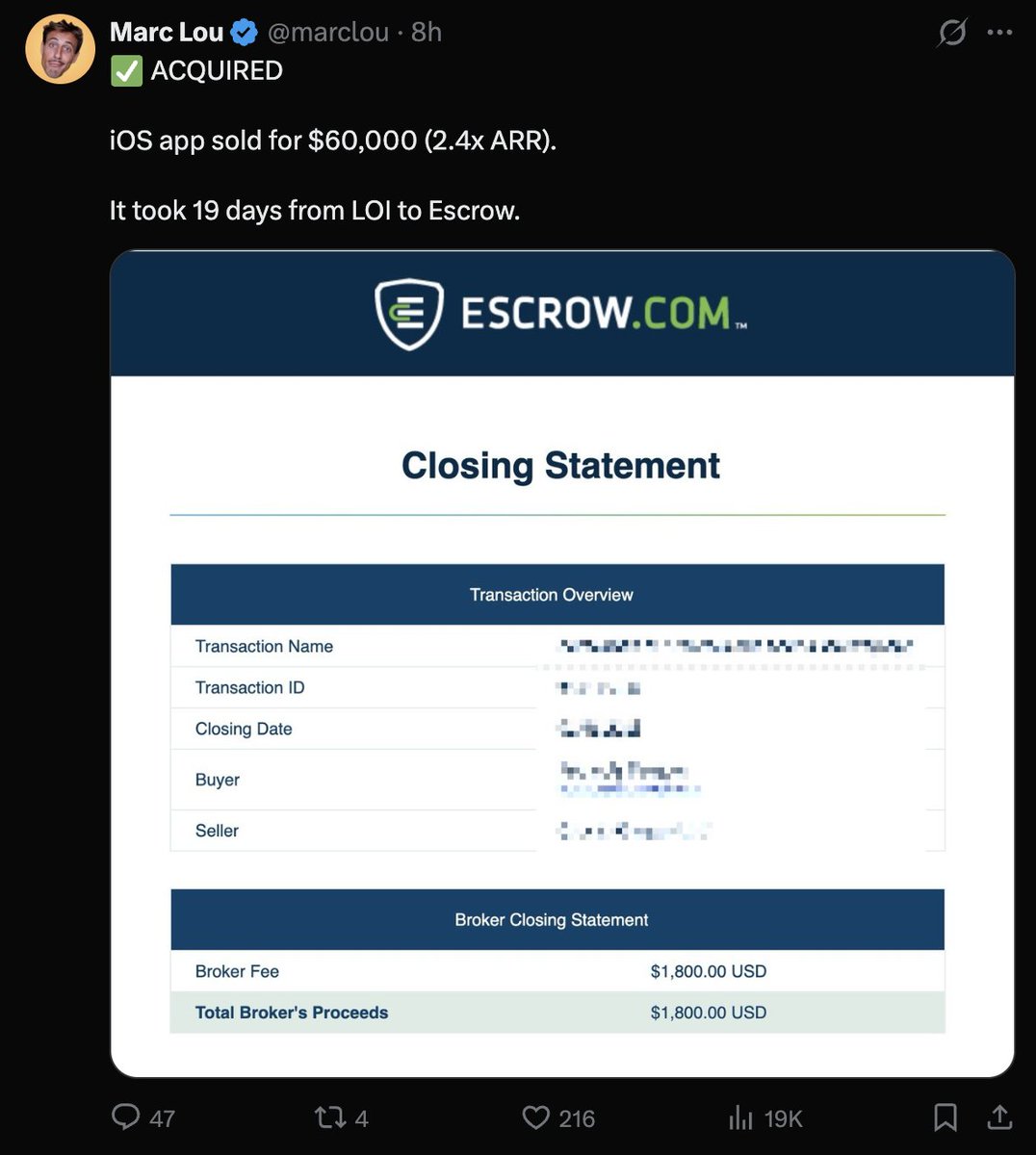
Seeing it first hand from this from these guys 👇
@marclou@robj3d3
> mom left when I was 7
> ran away from home at 16
> moved abroad alone at 21
> didn't speak to my dad for 4 years
> got lost in a city where I knew nobody
> worked for free to get my first break
> raised $4.8M from Tier 1 VCs
entrepreneurship didn't save me. it gave me somewhere to put everything.
The thing nobody tells you about social media:
> the posts that feel most vulnerable performs the best
> the polished updates get scrolled past
> the honest ones get saved
your audience doesn't want your highlight reel.
they want to know you're human. some people don't get this.
Tim Draper passed on us.
two years later, he backed us. what changed?
>we didn't pivot.
>we went back to the same investor with proof instead of a deck.
the word "no" from the right person means "not yet."
learn to hear the difference.
3 brutal lessons from burning through $1M:
1. hiring someone to solve your problem
2. the product problem is rarely the actual problem
3. your first 100 users will tell you more than any investor
we learned all three the hard way.
you don't have to.
i didn't know what a startup was until I was 18.
no ecosystem.
no mentor.
no network.
just YouTube, unstable wifi, and a kid who couldn't stop asking "how did they build that?"
7 years later: venture-backed founder.
your environment isn't your ceiling.
Ryder Story Time: Unfiltered. Unpolished. Honest.
@timdraper passed on us over two years ago and honestly, it was the best thing that could’ve happened.
All we had back then was a deck. So he said, no for a hardware company. Totally make sense. So we went back to work.
→ Built the product
→ De-risked supply chain and manufacturing
→ Proved demand on Kickstarter
→ Sent 24 monthly updates to his inbox (he never unsubscribed, rookie move jk uncle timmy)
In the process, we learned more than any yes could’ve taught us.
We came back stronger and battle-tested founders.
This time, he said yes.
Forever grateful for the belief and for the early no that forced us to earn it.
Hi I'm Louise Ivan 👋
I grew up in a small town in the Philippines 🇵🇭
No startup ecosystem.
No network.
Just unstable WiFi, a laptop and curiosity.
At 18, I discovered the word “startup.”
That moment changed everything.
I became obsessed.
Watched YouTube founders building the future.
I didn’t know how but I knew I wanted in.
—
Like many others my first startup failed and more ideas as well.
So I left home.
Backpacked across Asia.
Chased discomfort over comfort to grow.
At 21, I moved to Amsterdam alone.
No connections.
No safety net.
Back to zero.
—
Crypto was exploding in 2016.
I applied to startups that weren’t hiring.
Worked for free.
Shipped value anyway.
After 3 months, they hired me.
By 2018, I was working at a YC-backed company.
I finally had access to the rooms I once watched online.
I learned.
I worked a lot, non-stop.
I kept going.
—
In 2022, I co-founded Ryder.
A hardware company with zero hardware experience.
We raised $1M.
Burned through it learning.
Failed launches.
Bridge rounds.
Let people go.
I stopped taking salary for a year to keep the company alive.
Cried privately.
Built publicly.
—
Two years after being rejected,
we pitched Tim Draper again.
This time we flew in person.
With real devices.
Real traction.
He said yes.
Today:
• Backed by Tim Draper, Anatoly (Solana) among many others.
• $4.8M raised
• Shipping thousands of devices globally
Still early.
Still building.
Still obsessed.
If you’re building from nothing follow along.
I share the real journey not the highlight reel.
here's the Ryder funding story
→ $1M pre-seed - we learned a lot (and fail fast)
→ Kickstarter to prove there's demand
→ $600K bridge to survive manufacturing
→ $3.2M seed to chase PMF and scale GTM
small reminder that startup stories aren’t linear
we keep on building
When your UI/UX lead @QuentinSaubadu is cooking
I’m also pushing him to share more on X on how we actually iterate UI/UX at Ryder, not just the polished end result.
Do you guys wanna see it? or how we develop features even?
entrepreneurship is beautiful.
you can fail, pick yourself up, and do it all over again and somehow, that’s okay.
the growth isn’t just personal; it’s also in how you learn to work with & understand people.
One thing to remember as success grows: the more you achieve, the more important it becomes to stay grounded.
There are now thousands of Ryder One worldwide.
Every pre-order. Every early supporter. All fulfilled.
This video covers everything people keep asking: TapSafe, the tech behind it, and what we’re rolling out next (ERC-20 support + swaps).
Watch here 👇
https://t.co/pZd36iLMWi
If you think being a founder is only about making money, you’re playing the wrong game.
Solve real problems. Give Value. Create jobs. Help people win.
That’s the real payoff.