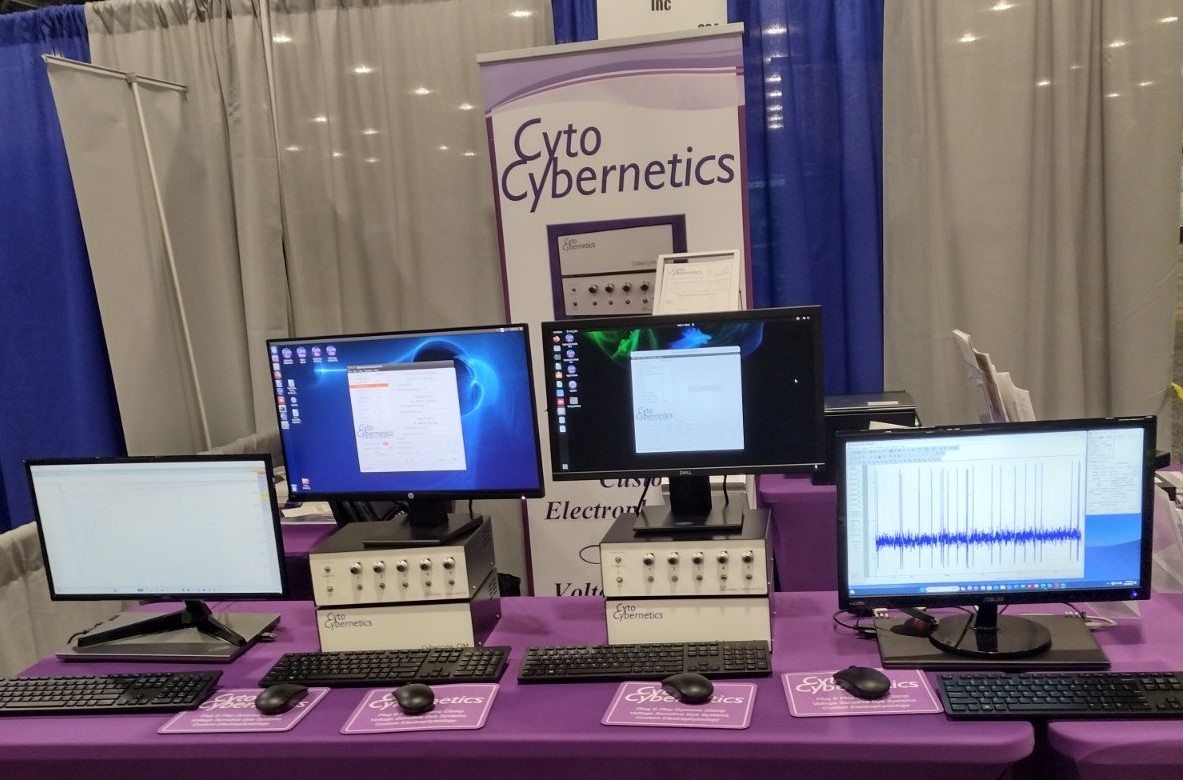
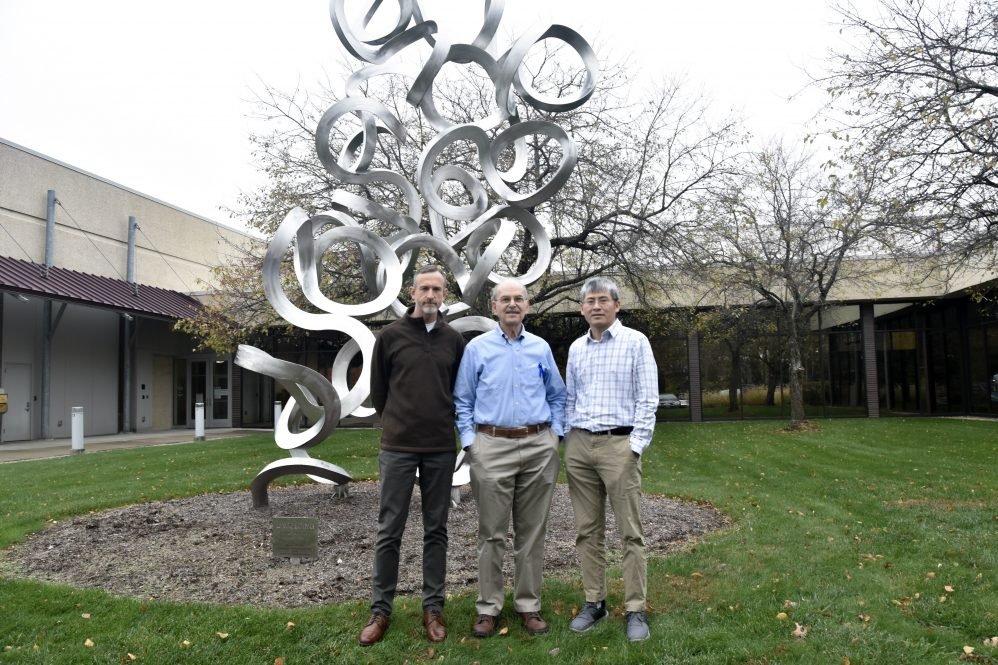
With decades of experience in the synthesis & application of Voltage Sensitive Dyes, we can help you choose and use the best VSDs for your experiment or assay.
Just out, led by collaborator Leonardo Sacconi. Uses di-4-ANBDQPQ (Cytovolt2) to combine electrophys, 3D morphometry and modeling.
https://t.co/mWWWIZTsTF
Explore unprecedented depths in cardiac voltage imaging! Our patent-pending chromene-based dyes are excited at 730nm, unlocking novel applications.
Our ElectroFluor730p™ has been tested by our collaborators at https://t.co/eA1GHSxg2o
Visit https://t.co/i7wg58NJkZ for more info
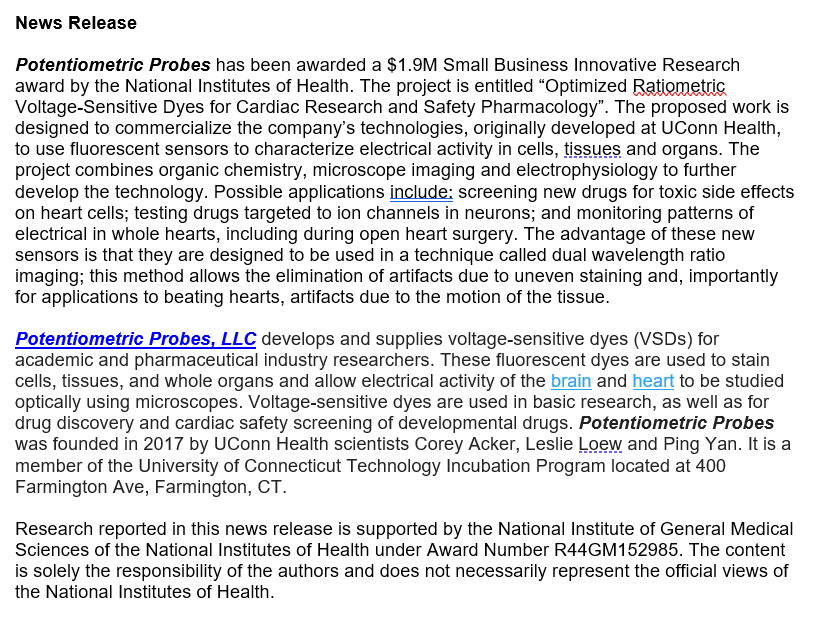
UConn Startup Earns Small Business Grant to Commercialize Voltage-Sensitive Dyes https://t.co/izqhWmKmA2
Potentiometric Probes Awarded $1.9M NIH Phase II SBIR
Ratiometric dual wavelength voltage imaging of beating pig heart in vivo. Using one of our ElectroFluor VSDs. in the latest issue of @BiophysJ
https://t.co/RiaD4T0ynJ
https://t.co/d9Q5er0J8g
Very detailed theoretical chemistry study of a classic VSD in a lipid membrane with an applied voltage.
Simulating the Voltage-Dependent Fluorescence of Di-8-ANEPPS in a Lipid Membrane | The Journal of Physical Chemistry Letters https://t.co/8X9nhQvYUZ
Our near IR VSD paper is out, introducing ElectroFluor730 (& more); thanks to the heroic organic synthesis by Ping Yan, with talented @UConnOUR undergrads Giuliana Judge & Alexa Monroe; great cardiac imaging by @LeonardoSacconi & Vale Biasci. @VSDexperts
https://t.co/ZenWg499FZ
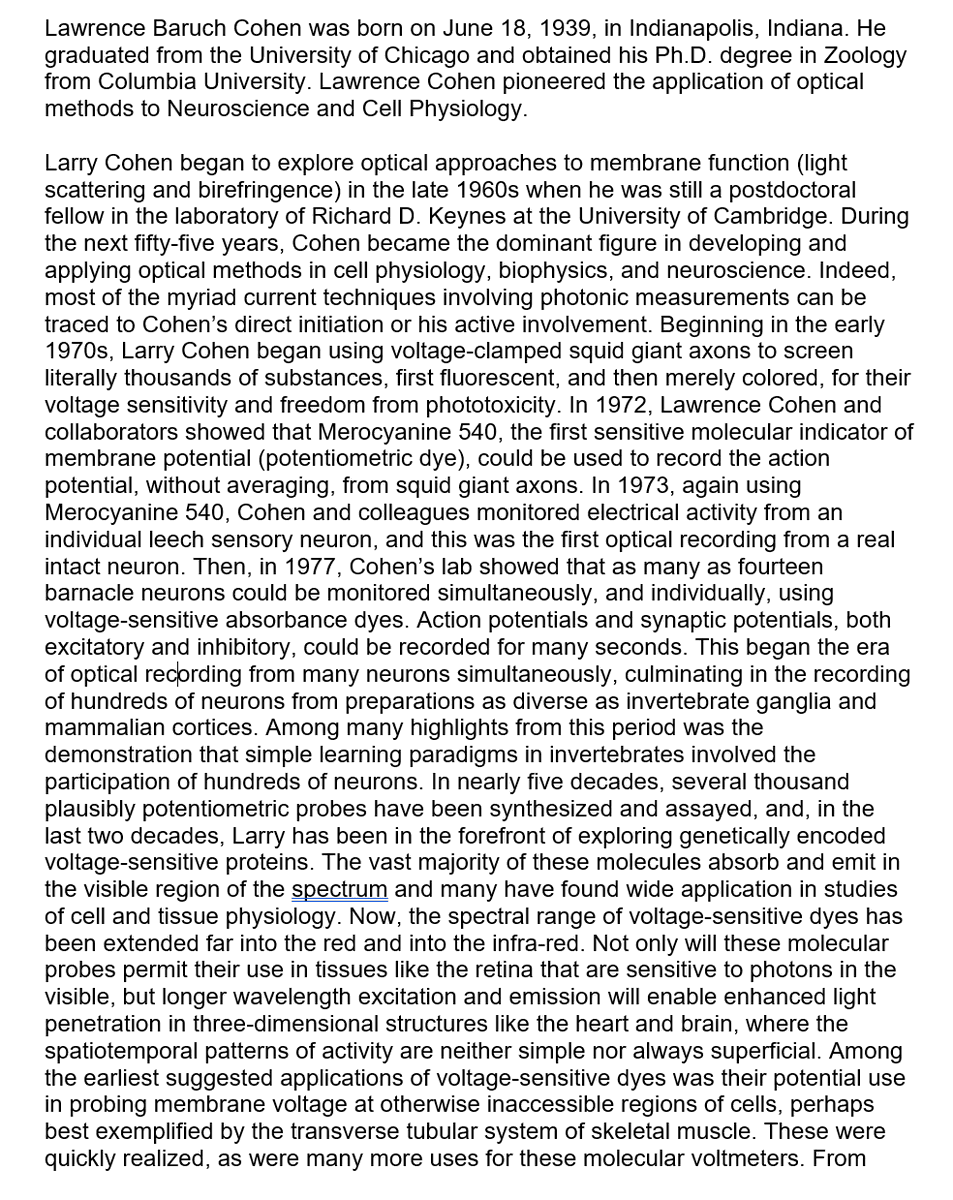
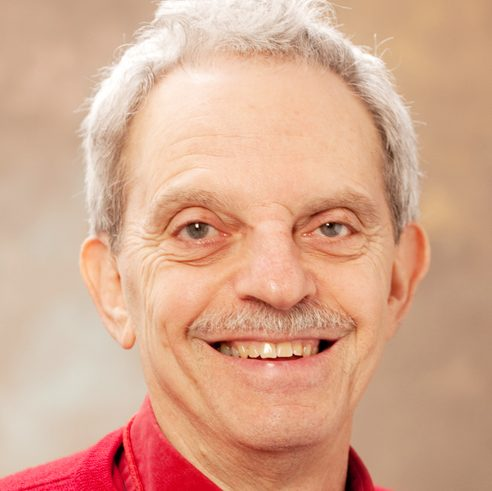
So sad to report the passing of Larry Cohen. My friend and collaborator of over 40 years. The pioneer of optical voltage sensing and a giant in neuroscience. Wearing a red shirt and telling chicken jokes...
Website significantly enhanced with many useful tips, data and new VSDs. Also finally started using easy names for our popular fluorinated dye series: no more need to remember "di-4-ANEQ(F)PTEA", now it's "ElectroFluor630" https://t.co/g03soqujD7
Advantages of ratiometric voltage imaging of spontaneously beating, human stem cell-derived cardiomyocytes (iPSC-CMs provided by Anthony Pettinato and @TravisHinson) using Di-4-ANEQ(F)PTEA (https://t.co/ONHDq5vP2P).
Optical electrophysiology in vivo pig model. Ratio imaging solves the motion problem during beats. New fluorinated long wavelength VSD facilitates loading and has low toxicity. Large animal model is a key step toward human imaging. https://t.co/PIKZFat5Z5