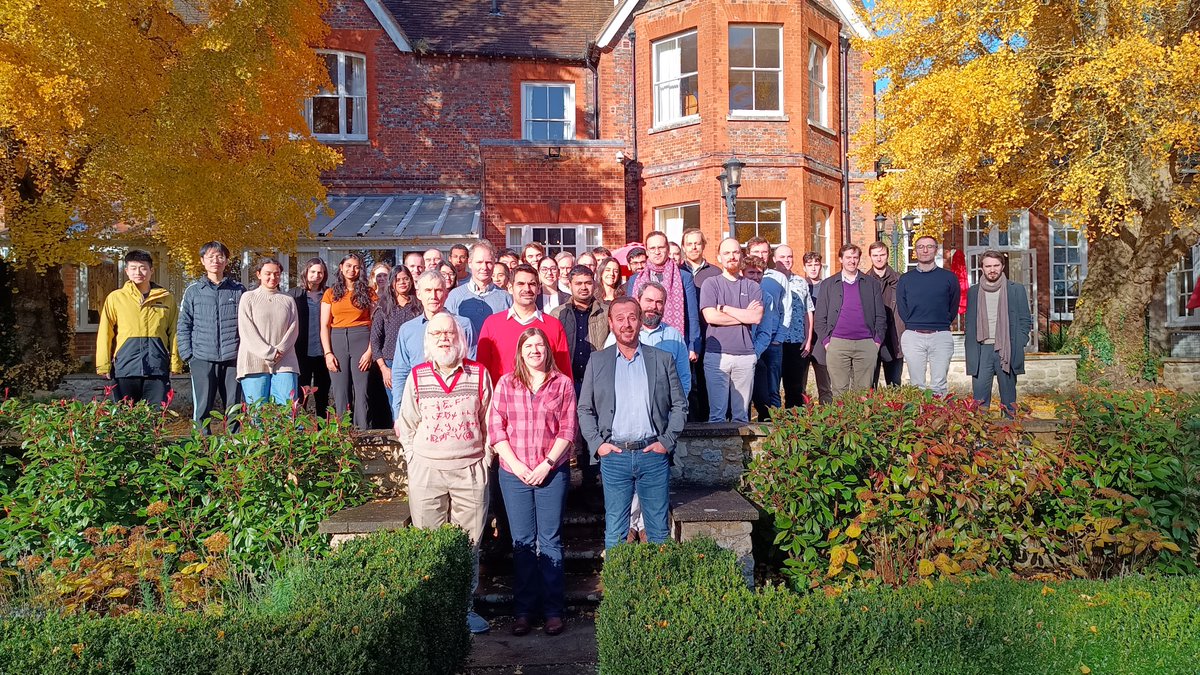
We recently had our latest consortium meeting, this time hosted by our @RAL_Space_STFC team at the beautiful Cosener's House in Abingdon. We enjoyed three days of technical discussions and updates on everyone's progress!
Measurements of CP asymmetries and branching fractions of B⁻ decays to two charm mesons https://t.co/aBHBrOdzIy - There is no evidence of CP violation in any of the analysed decays. Additionally, two ratios between branching fractions of selected decays are measured.
We are 149 years old today! This day in 1874 we opened our doors to the world in Free School Lane. Our Development Director Prof. Malcolm Longair, who has been associated with the department for …years, captures the spirit of today in this video. #Physics https://t.co/pjX7yoQU1K
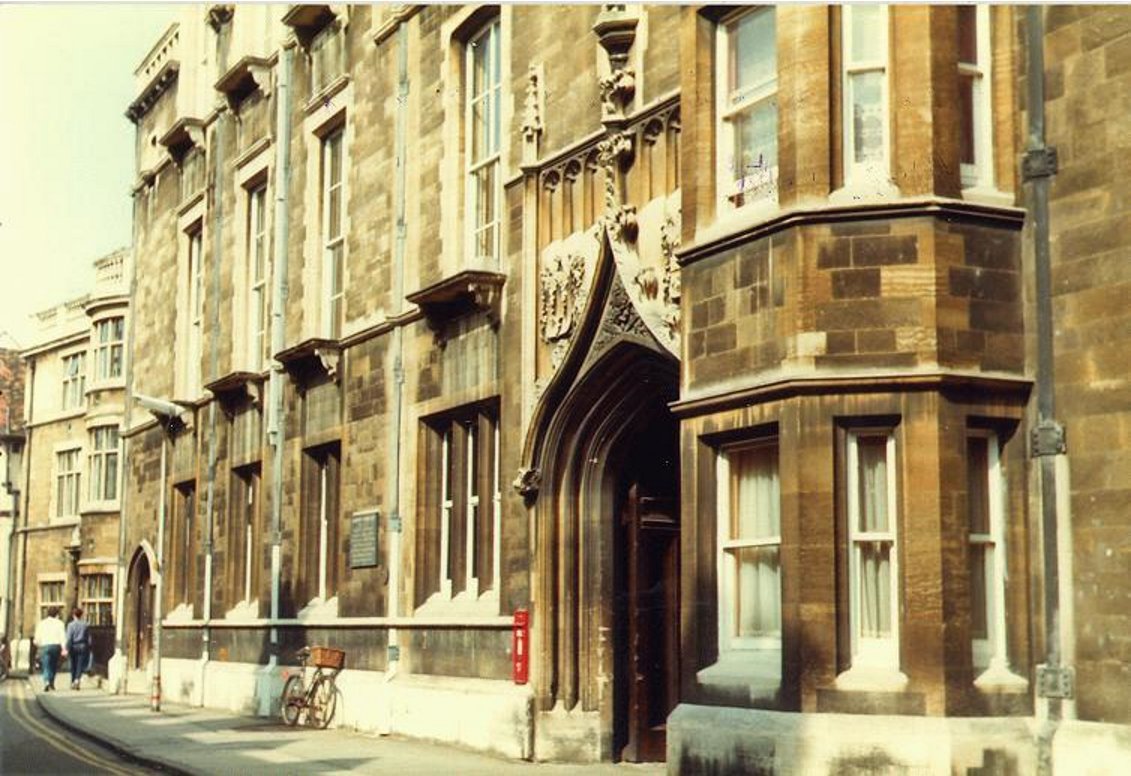
#Onthisday in 1874 the Cavendish Laboratory opened @Cambridge_Uni named after chemist and physicist Henry Cavendish. Since its opening 30 Cavendish researchers have won Nobel Prizes and have made huge discoveries including the electron and structure of DNA. @DeptofPhysics
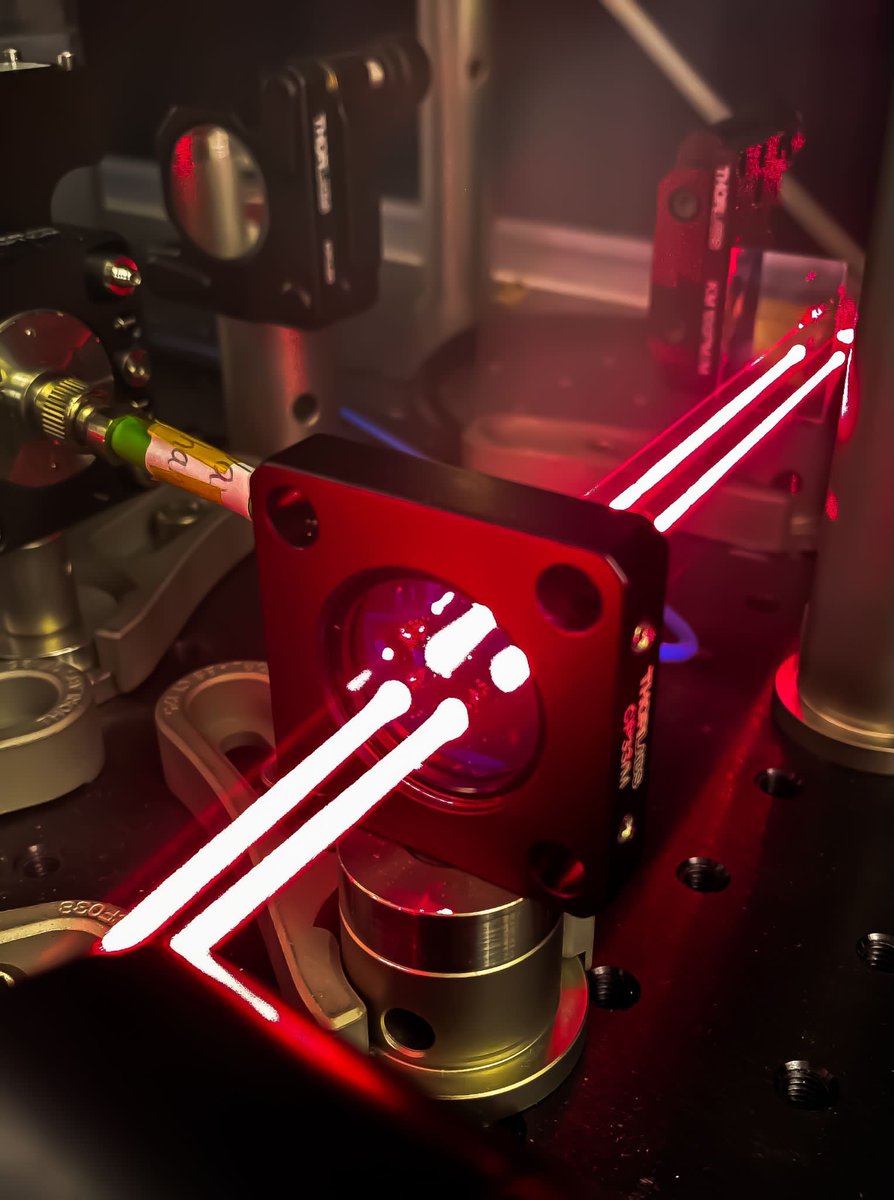
Second place in our grad student photo contest went to Elizabeth Pasatembou @pasatembou from @ImperialPhysics@imperialcollege for her entry: 'Two beams from an acousto-optic modulator used to cool atoms to extremely cold temperatures' 📸
Our photo contest winner was David Evans @thundrnddragon from @ImperialPhysics@imperialcollege with his picture of a 3D magneto-optical trap operating on the strontium blue transition. In the photo you can see the bright fluorescence from the atoms as they are laser cooled! 📸
Our grad students have had a photo contest and we'll reveal the winners over the next few days 📸 Thanks to contest organiser John Carlton @KCL_Physics!
In third place was Yu Zhi from @Cambridge_Uni@DeptofPhysics with 'A binary system and “gravitational” waves: where are they?'
Congratulations to Samuel Lellouch who has been appointed Assistant Professor @unibirmingham🎉
Samuel has developed a large momentum transfer interferometer model allowing derivation of atom-optics requirements, and is now working on advanced pulse engineering techniques.
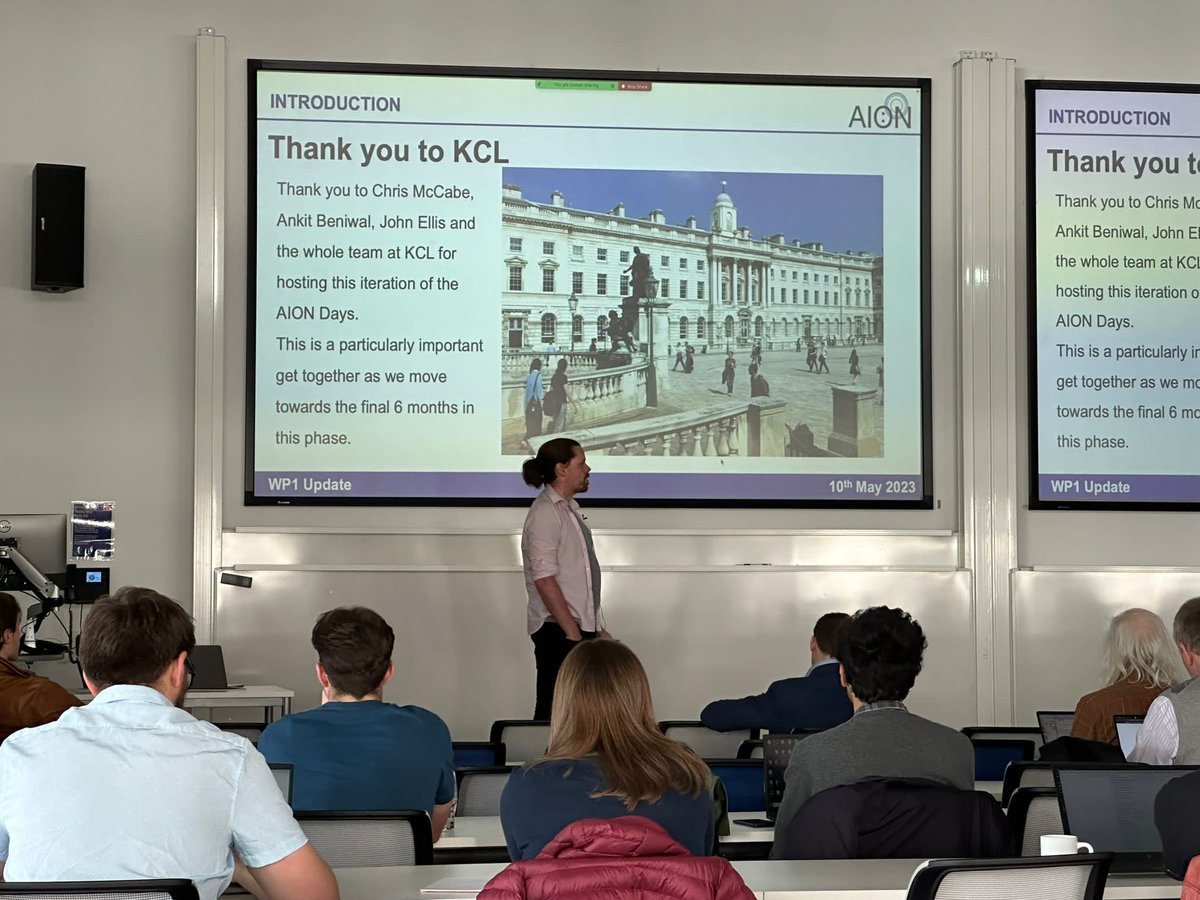
The collaboration is (almost) all back together again, this time hosted by @KingsCollegeLon@KCL_Physics!
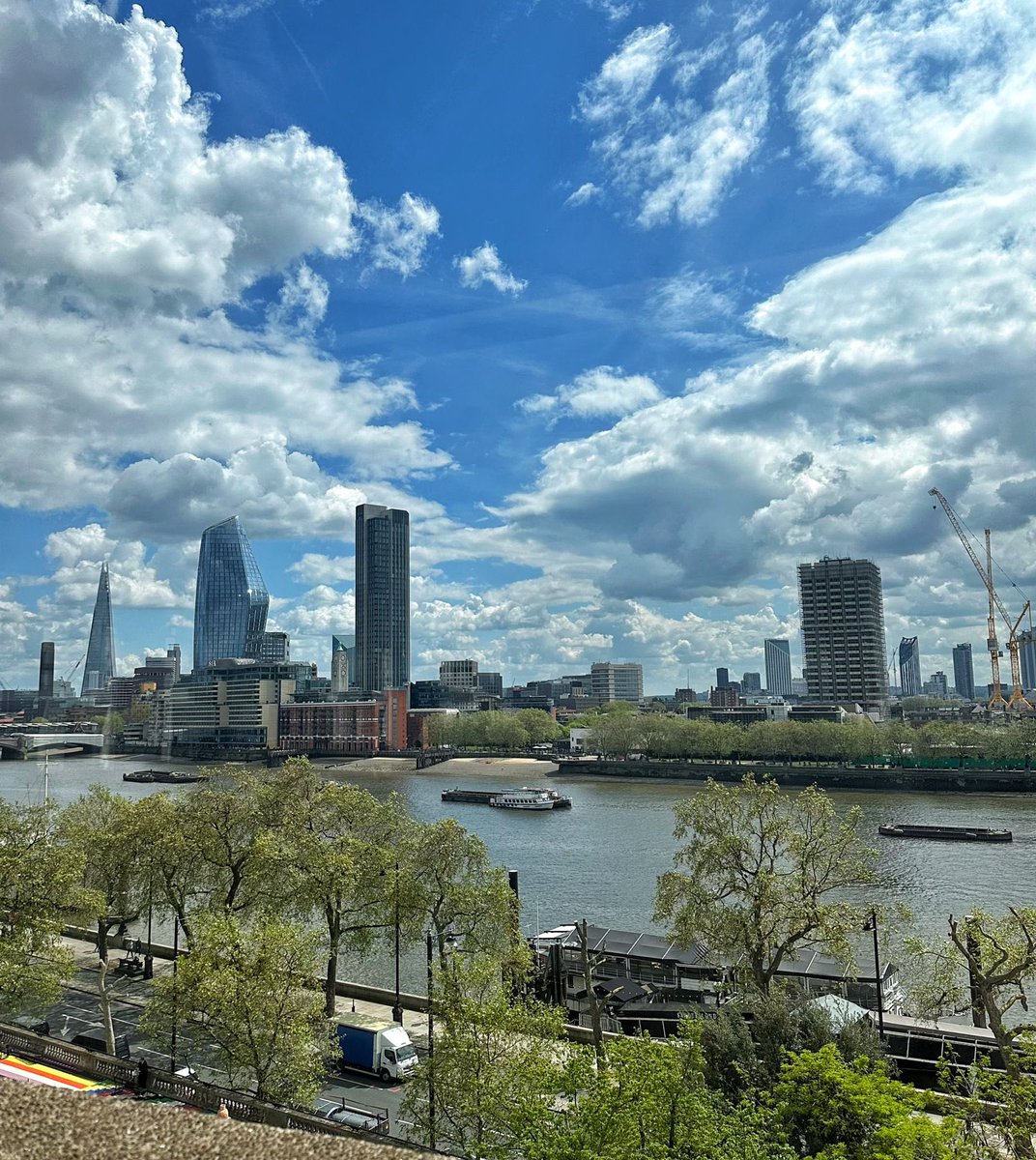
We had a beautiful view for our talks today and apparently our speakers are joining Taylor Swift among others as ‘performers’ in this building!
The High Energy Physics group in the Department of Physics has a vacancy for a Research Laboratory Technician (Electronics). The deadline for applications is 24th May 2023. For more details and to apply - https://t.co/hG3dd4q1VU #laboratory#jobalert#technician
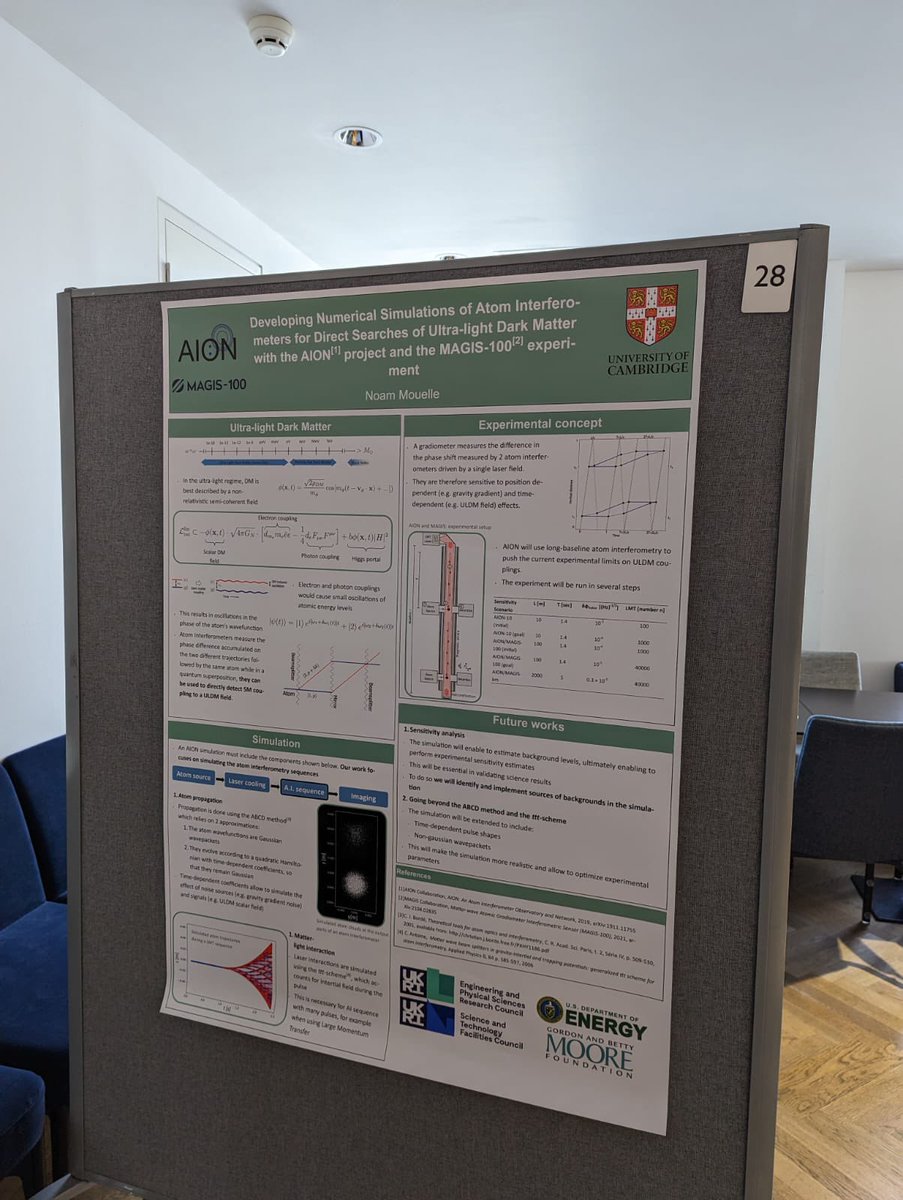
The AION team are ready with their posters and enjoying the first day of the IOP APP/HEPP conference! @IOP_APP
We have posters from PhD students Noam Mouelle and Yu Zhi @Cambridge_Uni@DeptofPhysics, and Kamran Hussain @livuniphysics, and talks coming up this afternoon!
Congratulations to @CUBCsquad Men and Women, winners of @theboatrace 2023! 😍🎉
Well done to our reserve boats Blondie and Goldie, who also won both races. We're so proud of you all!
Thanks to Oxford for a brilliant day 🤝 See you in 2024!
📸 @nordincatic
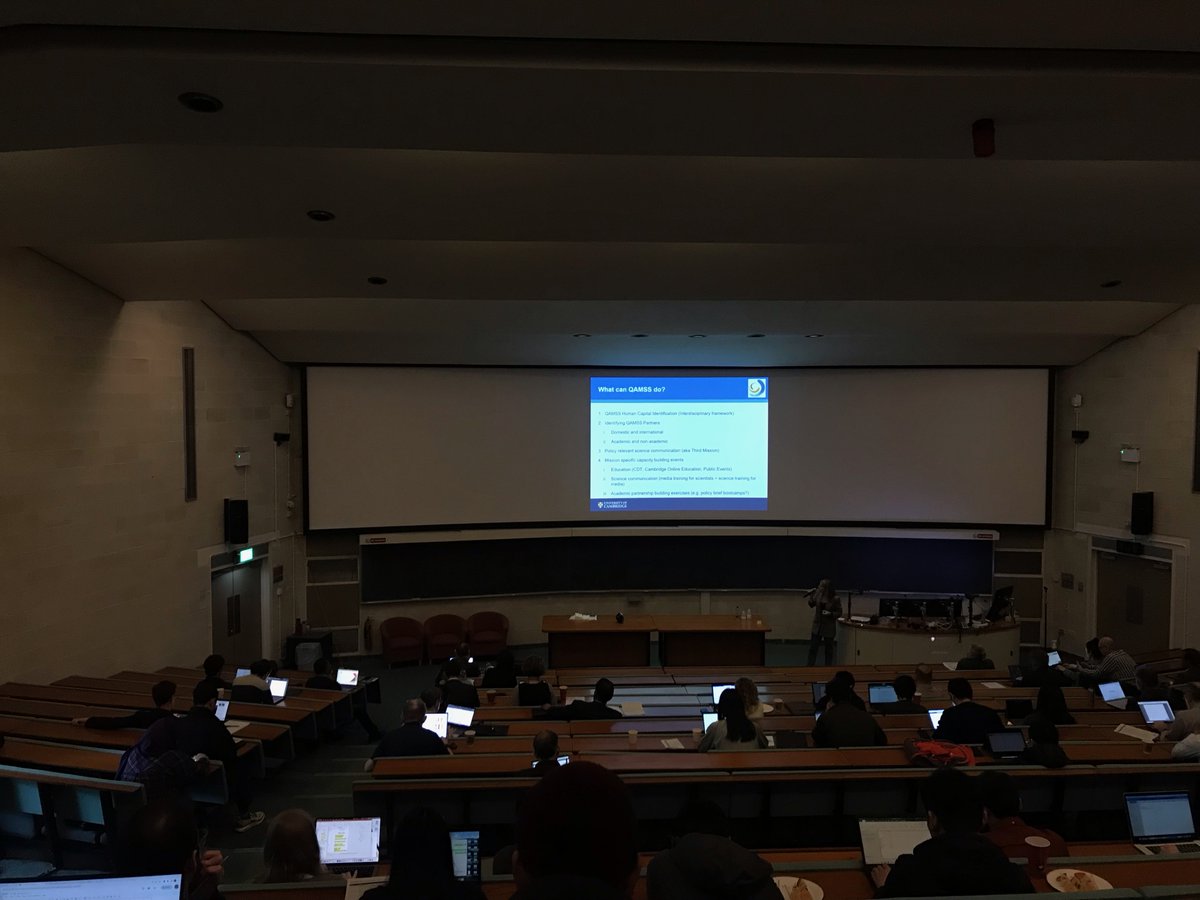
The inaugural QAMSS community event is happening right now - and we have already heard from a wealth of insightful speakers. Feeling motivated and inspired! 🌱
#QAMSS#quantum#interdisciplinary
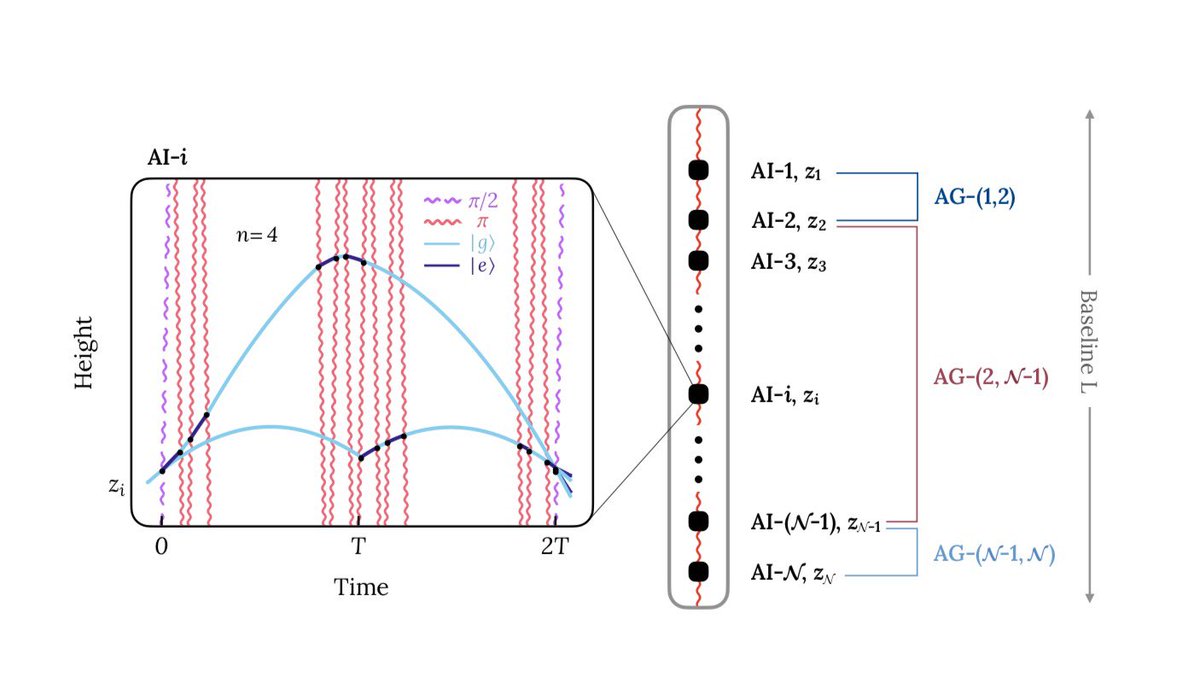
Here we show how seismically-induced gravity gradient noise can be attenuated in very-long baselines (e.g. interferometers separated by km) using three or more interferometers at different depths within the same vertical shaft - this is called an atom multi-gradiometer
Leonardo and Ankit from @KCL_Physics@KingsCollegeLon are at the Searches for Wave-Like Dark Matter with Quantum Networks conference in Mainz.
Leonardo will present prospects for #DarkMatter searches using an atom gradiometer at 11am Thursday!
https://t.co/DGJ6RRUWIC