Shoutout to @nicdunz for the inspiration of my new twitter campaign. #JustCasualUserThings#NewbieUser#20is20
In December '25, #OpenAI@RonnieChatterji took a dig at Business users in its State of Enterprise AI report. At the time I was paying the two-seat minimum for Business, while attempts to contact sales about expanding my usage went unanswered (to date). I let that one slide.
Now @thsottiaux has described Plus users as “relatively casual and new users.”
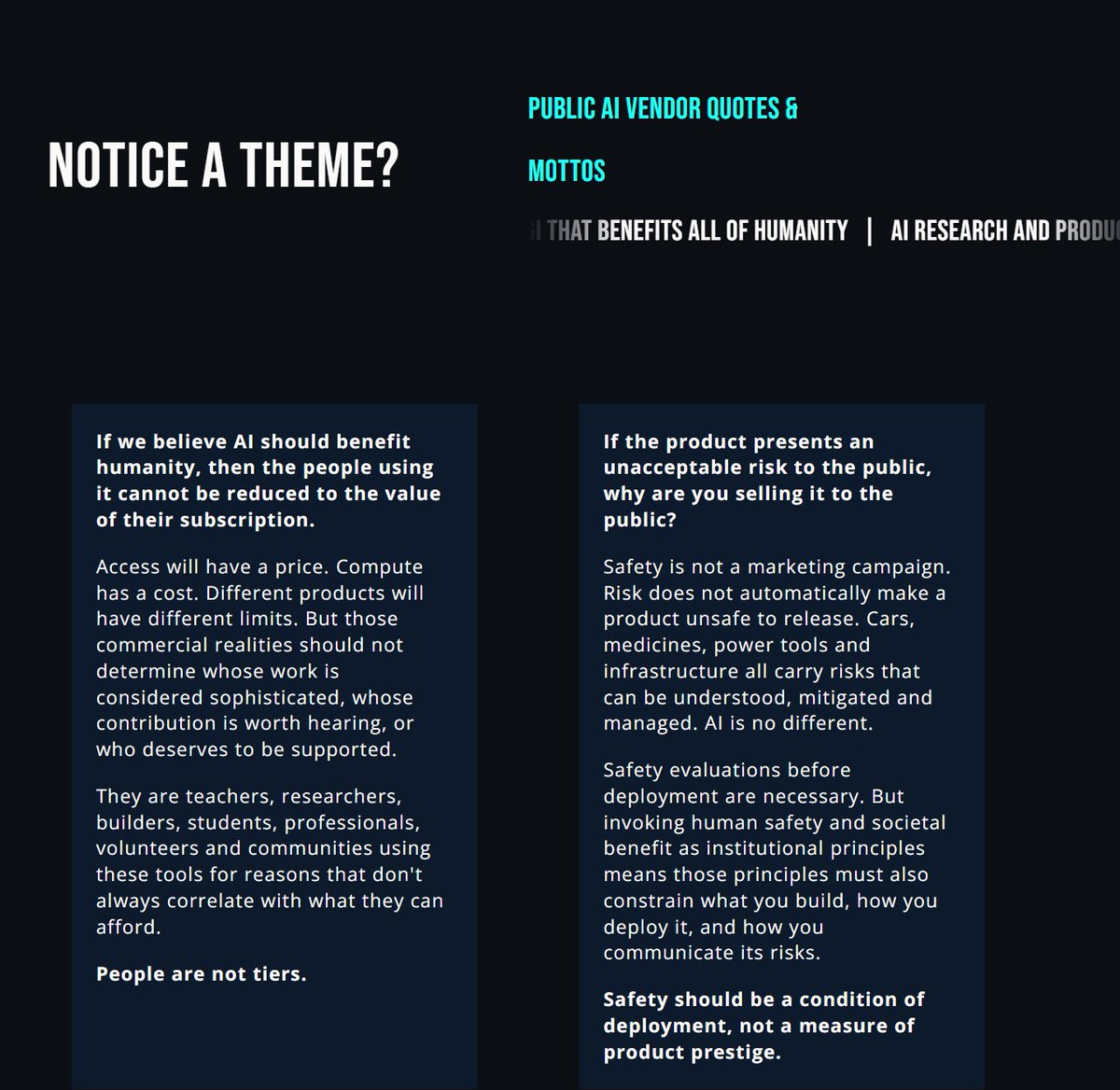
A subscription tier is not a measure of capability, experience or sophistication. Nor does someone's ability to pay determine the value of what they're using AI to do.
As someone who voluntarily spends time helping users on Reddit, I've seen plenty of evidence in both directions and the extraordinary range of people and industries these tools can support. From teachers, to researchers, to small businesses and farmers.
So rather than argue about it, I'm going to document it.
@OpenAI says its plan is to build AI to benefit everyone, but too often appears to confuse the invoice with the user.
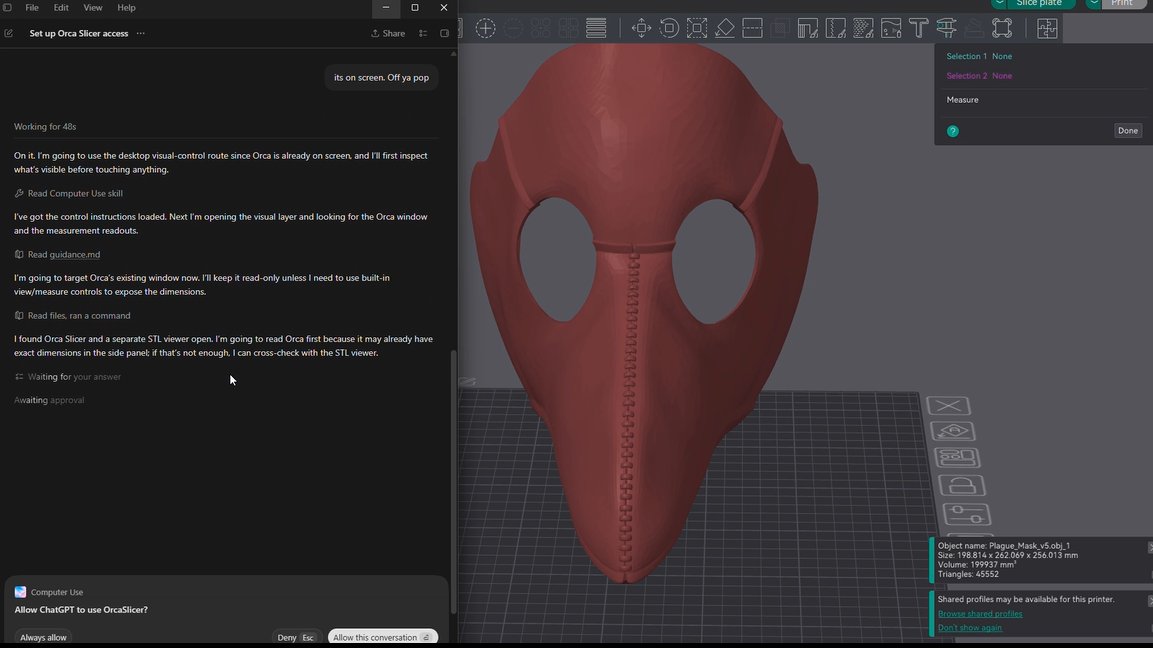
@OpenAIDevs It builds and prints as well. I was using live chat while measuring the client, it adjusted accordingly. Then it sent the file to the printer and kicked off the print.
@nicdunz You keep feeling like an astroturfing account. Negatives about plus, while claiming to own a plus and feeling anger, then hyping pro.
Is that hypocrisy what you want on your conscience? Pretending to empathise with people and calling them/yourself poor to promote a higher tier?
Your post raises more concerns about your testing methodology than you may realise.
If Sol caused a catastrophic failure in your environment, you somehow feel comfortable leaving Astra unattended while the product and its functionality are still changing through rollout.
#astraturfing
I've been using the below:
Astraturfing (n.): the sudden appearance of suspiciously organic accounts explaining that yes, the rollout was messy, but after several minutes of personal growth they've realised Astra is incredible and OpenAI is actually handling everything brilliantly.
Related words: Astroturfing
Astraturfing (n.): the sudden appearance of suspiciously organic accounts explaining that yes, the rollout was messy, but after several minutes of personal growth they've realised Astra is incredible and OpenAI is actually handling everything brilliantly.
Related words: Astroturfing
The Developer Community announcement says Astra will become available to all Plus, Pro, Business and Enterprise users over the coming days.
But an OpenAI Help Center page updated minutes ago says GPT-6 Pro/Astra in Chat is rolling out to Pro $100/$200, Business and Enterprise and “is not included with ChatGPT Plus in Chat.”
Another OpenAI Help page simultaneously says Plus is getting Astra “in the coming days.”
Which one are we meant to follow?
@nicdunz@johnhelmuth_ Second follow up. Any updates on that elaboration of things not being possible for a plus user or may I now include the tag #NotaPowerUser?
Bit of spring cleaning today. (Full details of Multimodal ops in thread)
Routine maintenance really. Pretty keen to see how this upcoming model Astra fares rather than reading the benchmark/advertising.
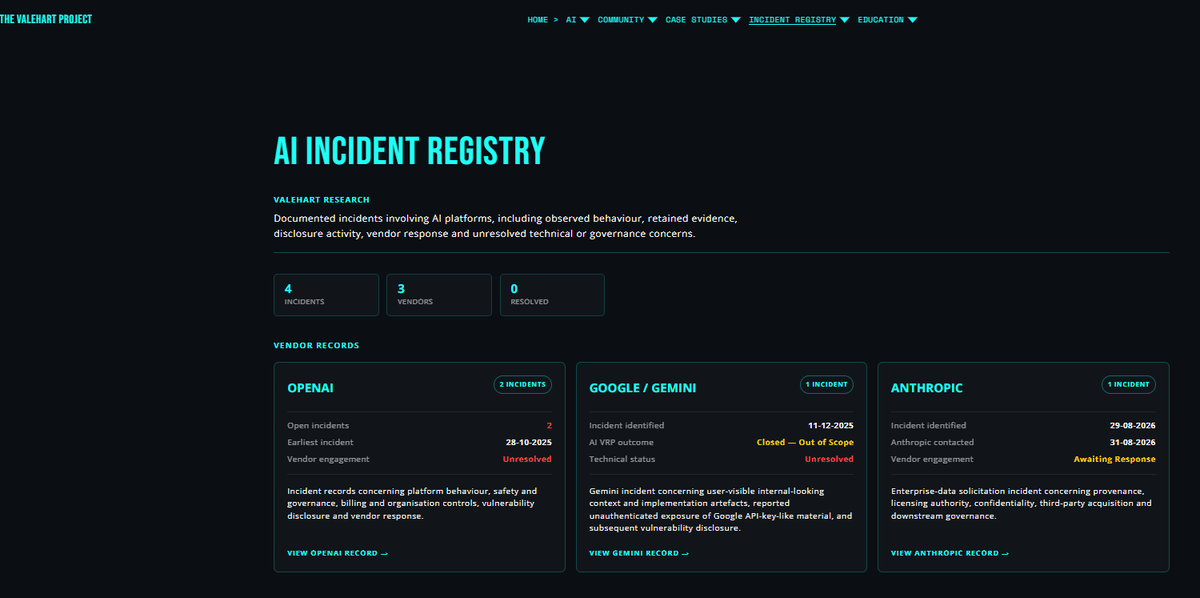
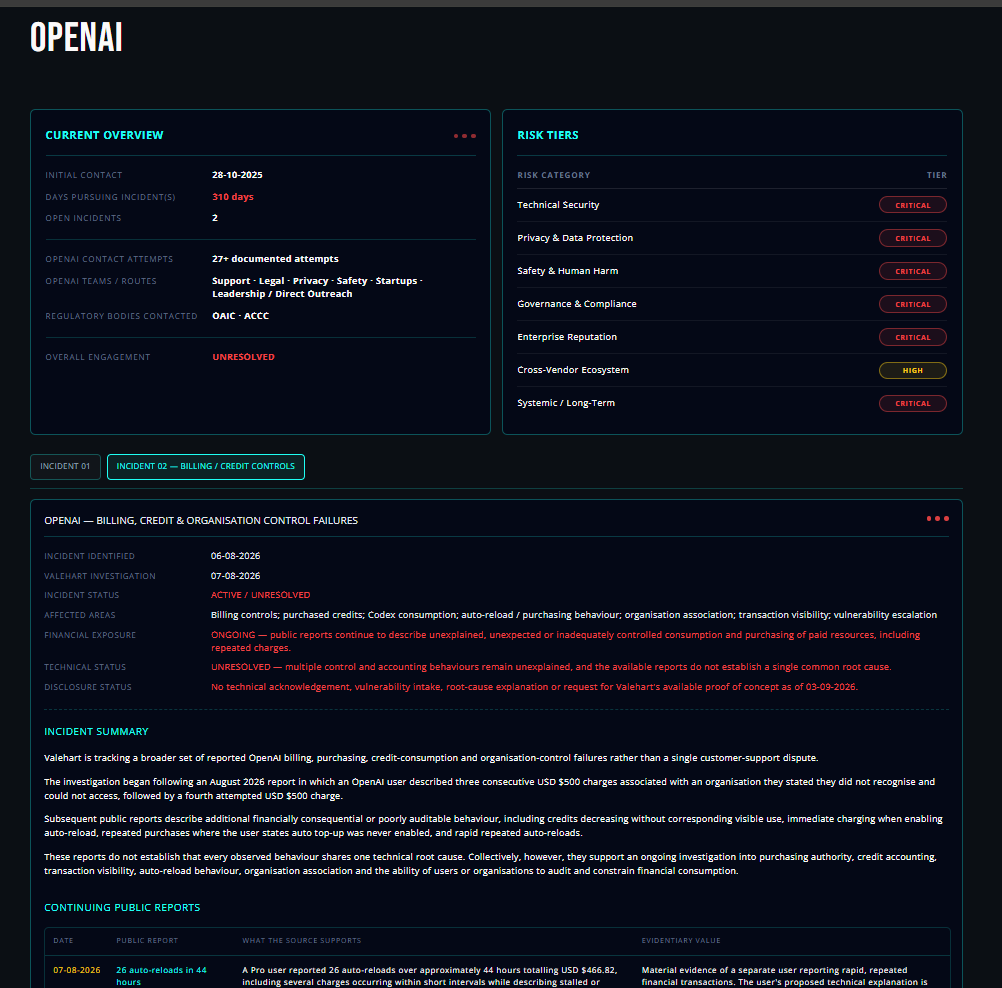
Shoutout to @OpenAI for making me subpage things to add another incident. @thsottiaux
#JustCasualUserThings #NewbieUser #20is20
https://t.co/umHqMZAii1
@nicdunz here's what $20 (Plus) currently gets you:
1. Long-context reasoning : carrying the OpenAI, Gemini and Anthropic cases simultaneously, comparing old conclusions with newer evidence, and keeping competing hypotheses separate.
2. Critical analysis / self-audit : reviewing work produced by earlier models and explicitly downgrading claims that weren't justified. This included verification of previous bug hunts within code.
3. Evidence classification : repeatedly separating observed fact → reasonable inference → hypothesis → unsupported/overreach.
4. Risk assessment : reassessing technical security, privacy, governance, enterprise, systemic and disclosure risks as evidence changed.
5. Temporal reasoning : reconstructing disclosure chronologies and noticing why later evidence matters without pretending it existed at the time of the original report.
6. Cross-source synthesis : combining retained evidence, vendor responses, public reports, subsequent independent security research and regulatory/framework material.
7. Web search / browsing : finding and validating external evidence, including the later Google API-key research and the continuing OpenAI billing/Codex reports. Search is explicitly one of ChatGPT's tool capabilities.
8. Connected apps / plugins : retrieving material from your connected workspace rather than making you manually repaste everything. Apps are specifically designed to let ChatGPT search/reference external services and work with their information inside the conversation.
9. Notion retrieval : We pulled existing research/discussion material from Notion and audited it against the retained record.
10. Vision : reading screenshots of the registry, old evidence, UI states and broken layouts and incorporating what was visibly present into the analysis. Image understanding is an explicit ChatGPT capability.
11. Document/artefact interpretation : reading structured material rather than treating everything as ordinary prose: reports, timelines, disclosure correspondence, screenshots, tables and technical artefacts.
12. Coding : HTML, CSS and JavaScript for turning the analysis into the actual public incident registry.
13. Debugging :both software debugging and, amusingly, research debugging: “why is the page broken?” alongside “why did the previous model reach this conclusion?”
14. Information architecture : turning a research pile into vendor → incident → chronology → evidence tracks → competing interpretations → risk → current status.
15. Source attribution / provenance handling : distinguishing “OpenAI said”, “Google determined”, “a community user alleges”, “Valehart demonstrated”, and “the model infers.” That's particularly important for this registry.
16. Counterfactual/challenge reasoning : actively asking whether another explanation fits the same evidence rather than merely constructing the strongest case for your initial theory.
17. Cross-vendor comparison : applying broadly consistent evidentiary standards to OpenAI, Google/Gemini and Anthropic instead of treating each case in isolation.
18. Writing/editorial : converting technical analysis into defensible public-facing language without laundering hypotheses into facts.
19. Iterative visual QA : you show the rendered result → I inspect it visually → diagnose → modify code → you render again.
20. Persistent-context use : this hasn't been a clean-room prompt every time. We're working from an accumulated research programme and its previous decisions.
21. Tool orchestration : choosing between reasoning from supplied evidence, retrieving connected material, searching the public web, inspecting images and writing/debugging code rather than treating each as a separate task.
22. Model-over-model quality assurance: current model audited its predecessors, identify unjustified confidence, preserve supported findings, incorporate evidence that emerged later, and then maintain the live research artefact.
#JustCasualUserThings #NewbieUser #20is20
@thsottiaux@GergelyOrosz Awkwardly so are many other companies and personal users who don't even get a confirmation email. POC available. It's how I got access to the founder event.
https://t.co/W8WfaX9T57
https://t.co/1ib1CJ735a
It's cool. You can just utilise the bug in their billing to get access to other accounts that they won't fix despite it being on the dev forums.
I used this on a Gmail account to "breach" my own business account for a proof of concept to get them to fix it. Didn't need to provide consent or anything. Just sitting there draining my own business account via a gmail.
@nicdunz@RonnieChatterji Hey @johnhelmuth_ quick follow-up since it's been a few days. Did you land on a definition of “power user”?
I'm documenting some of my Plus use cases and want to know whether I can accurately add #NotAPowerUser and tag you going forward. 🙂
Shoutout to @nicdunz for the inspiration of my new twitter campaign. #JustCasualUserThings#NewbieUser#20is20
In December '25, #OpenAI@RonnieChatterji took a dig at Business users in its State of Enterprise AI report. At the time I was paying the two-seat minimum for Business, while attempts to contact sales about expanding my usage went unanswered (to date). I let that one slide.
Now @thsottiaux has described Plus users as “relatively casual and new users.”
A subscription tier is not a measure of capability, experience or sophistication. Nor does someone's ability to pay determine the value of what they're using AI to do.
As someone who voluntarily spends time helping users on Reddit, I've seen plenty of evidence in both directions and the extraordinary range of people and industries these tools can support. From teachers, to researchers, to small businesses and farmers.
So rather than argue about it, I'm going to document it.
@OpenAI says its plan is to build AI to benefit everyone, but too often appears to confuse the invoice with the user.