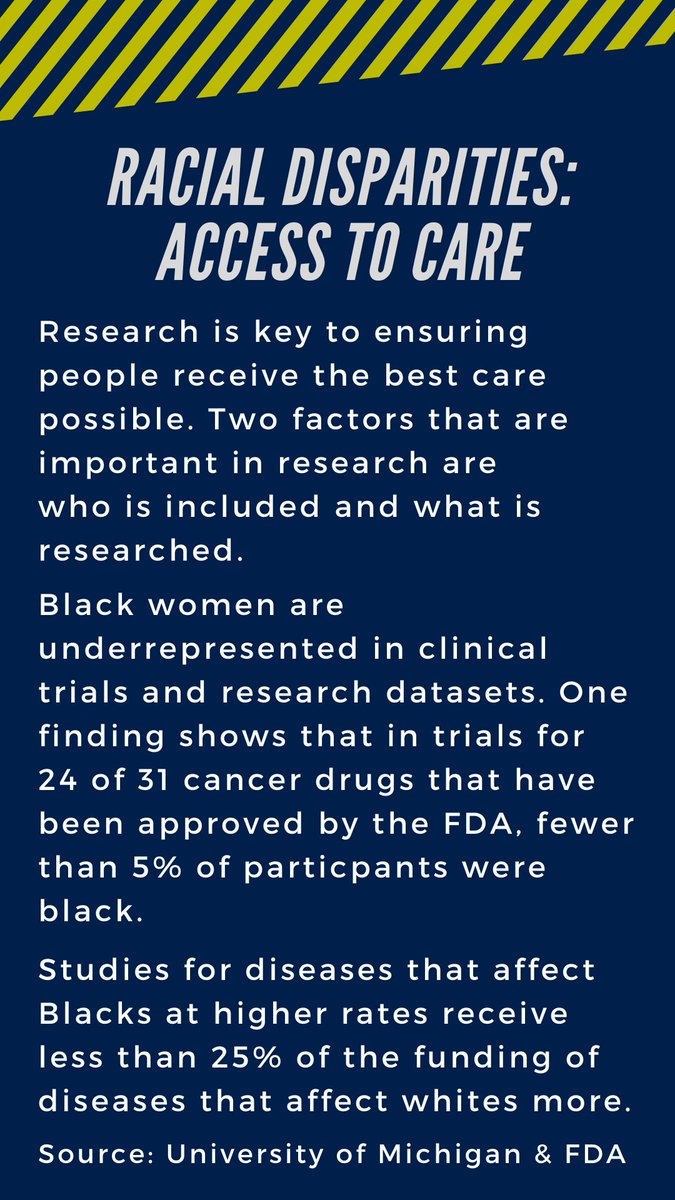
In honor of We Matter Week, PHSA will be posting educational graphics about racial disparities and racism in the health care field. Each day will be a new topic and our goal is to provide a general baseline of knowledge.
We encourage everyone to do further research.
The COVID-19 pandemic has highlighted the very real effects of health care disparities in America. The infection and death rates are alarmingly higher among Black Americans compared to white Americans. Racism is a public health issue.
In honor of We Matter Week, PHSA will be posting educational graphics about racial disparities and racism in the health care field. Each day will be a new topic and our goal is to provide a general baseline of knowledge.
We encourage everyone to do further research.
Access to care plays a major role in the health outcomes experienced by people of all backgrounds. There are several disparities in regards to access to care between Blacks and whites that are negatively impacting the health of Black Americans.
#WearAMask that covers your nose and mouth to help protect others and slow the spread of #COVID19. Learn how to wear your mask correctly: https://t.co/l3eipKB6If. #DoYourPart
Social distancing doesn’t have to mean social isolation. Checking in with friends and family can help you feel more connected and supported during this time. More tips on coping with stress and anxiety here: https://t.co/vCcOacRtAt #COVID19
Stocking up on items for your #preparedness kit? Remember to include supplies for your pets too, like extra food, medications, and flea/tick prevention. See what you should include here: https://t.co/cbTrqfFX3C #petprep#OneHealth
Over the past week, blood centers throughout the country have experienced a significant drop in donations due to #COVID19. Let's talk about why this is so significant, what it could mean for our nation's blood supply, and why healthy people should donate now. #THREAD
While @CDCgov considers #COVID19 a serious situation and is taking preparedness measures, the immediate risk in the U.S. is considered low. Everyone should always take simple precautions to help prevent the spread of respiratory illnesses. https://t.co/GCUekX07AC #coronavirus
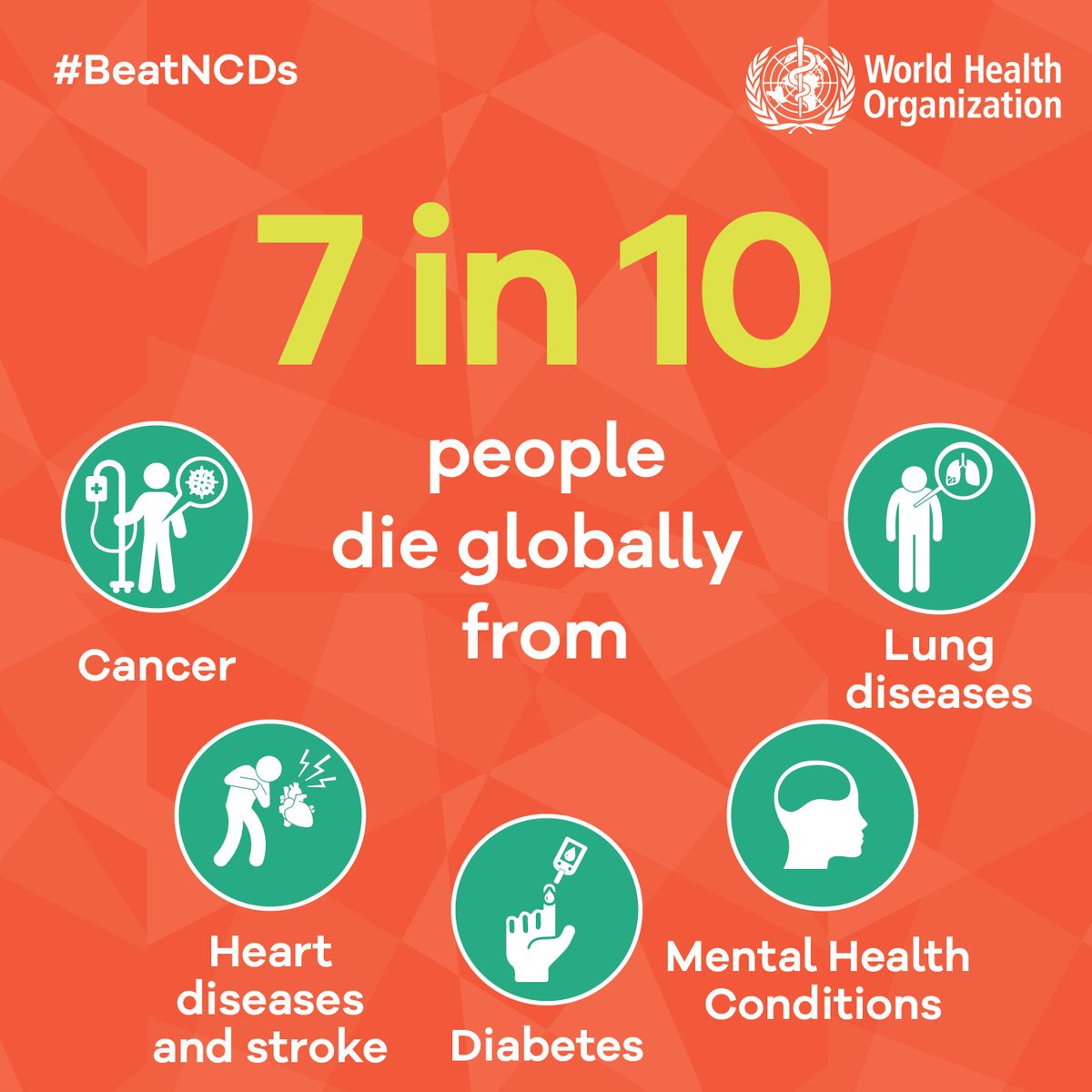
We all know someone suffering from:
🔴 Cancer
🔴 Diabetes
🔴 Lung disease
🔴 Heart diseases
🔴 Stroke
These noncommunicable diseases are the 🌎🌍🌏's biggest killers, responsible for 7 out of every 10 deaths worldwide.
We need your help to #BeatNCDs!
With large parts of the U.S. facing frigid temperatures, dangerous health risks like hypothermia can happen quickly. Stay safe in the #winter weather–learn what signs and symptoms to watch out for: https://t.co/liQSuZuy4H #FridayFeeling#FridayMotivation
Do you know someone living with an #AnxietyDisorder? It’s the most common mental health condition in the U.S. Learn how you can help. https://t.co/MnB5Yqfydu
As automotive plants close, opioid overdose deaths rise. Michael Barnett, assistant professor of health policy and management, explains the link between job loss, economic instability, and #opioid use. https://t.co/p567fD4kAD
If your body is affected by the physical effects of worry, it can hamper your immune system -- making it harder to fight off the flu, herpes, shingles, and other viruses. https://t.co/J39Q2WTLhN
Did you know tree nuts like almonds, walnuts, cashews, and pistachios have big anti-aging powers? They contain special nutrients that can help delay or prevent age-related heart disease, stroke, type 2 diabetes, nerve disease, and some types of cancer. https://t.co/gnOJN4IxLY