I'm a Toronto-based freelance writer who loves the Blue Jays and talking about my kids. My interests pretty much end right there. Consider yourself warned.
It’s very funny that Trump sent troops into Portland because someone showed him footage from the 2020 protests and told him it was current day and now troops are faced with this
Doctors Without Borders calls on the Canadian Government to do more than just remember healthcare workers and patients in #Gaza when it is too late.
Canada needs to take action to uphold our shared humanity by demanding an immediate ceasefire.https://t.co/EetHBXcH7N
One of my daughters just asked: "Should I use an Oxford comma?"
Yes! Of course. Always. It makes writing clearer, more readable, and logical.
#TeamOxfordComma
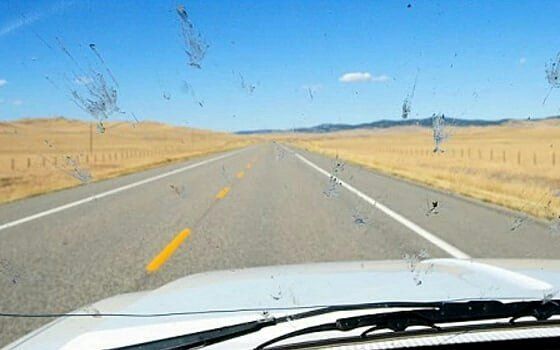
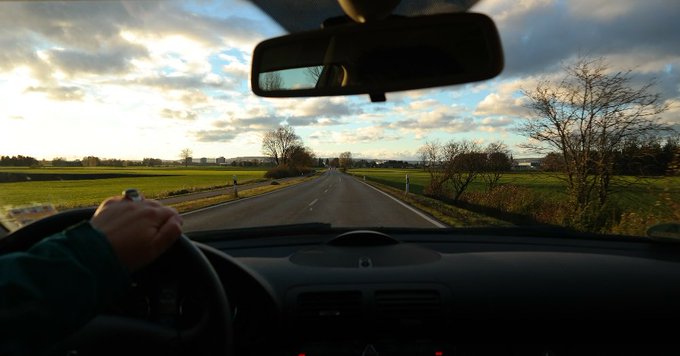
If you're old enough, you may recall that 20 years ago or more, you used to see many more dead insects on your car's windshield, while today you see almost none.
This is called the Windshield Phenomenon.
In the first years 2000s it became a commonplace observation among drivers that after a long drive, windshields no longer had to be cleaned of numerous insects.
It was basically born as a meme, but in 2016, naturalist John Acorn noted that the phenomenon had real and objective proofs.
Since 2017, major publications and media covered the topic of reductions in insect abundance over the last few decades and entomologists linked this withthe fact they no longer had to frequently clean their windshields.
It turned out that a meme was aware of a proved trend.
A 20-year study measured the number of dead insects on car windshields on two stretches of road in Denmark from 1997 until 2017. Adjusted for variables such as time of day, date, temperature, and wind speed, the research actually found an 80% decline in insects.
Several factors are thought to contribute to the declining insect populations.
The expansion of human settlements, agriculture, and infrastructure has led to the destruction and fragmentation of natural habitats, essential for insect survival and reproduction.
The widespread use of pesticides in agriculture and urban areas has had a devastating impact on insect populations, directly killing insects and indirectly harming their food sources.
Rising global temperatures and extreme weather events are disrupting insect life cycles and altering their habitats, leading to population declines and even extinctions.
Artificial light at night can disrupt insect navigation and foraging patterns, reducing their reproductive success and overall survival.
The introduction of non-native insect species can disrupt ecological balances and compete with native insects for resources, further contributing to their decline.
One can still consider the trend and the effect as anecdotal, but the studies conducted created a connection between the global redutction of insects species and what people of a certain age can actually confirm as something more than a simple perception.
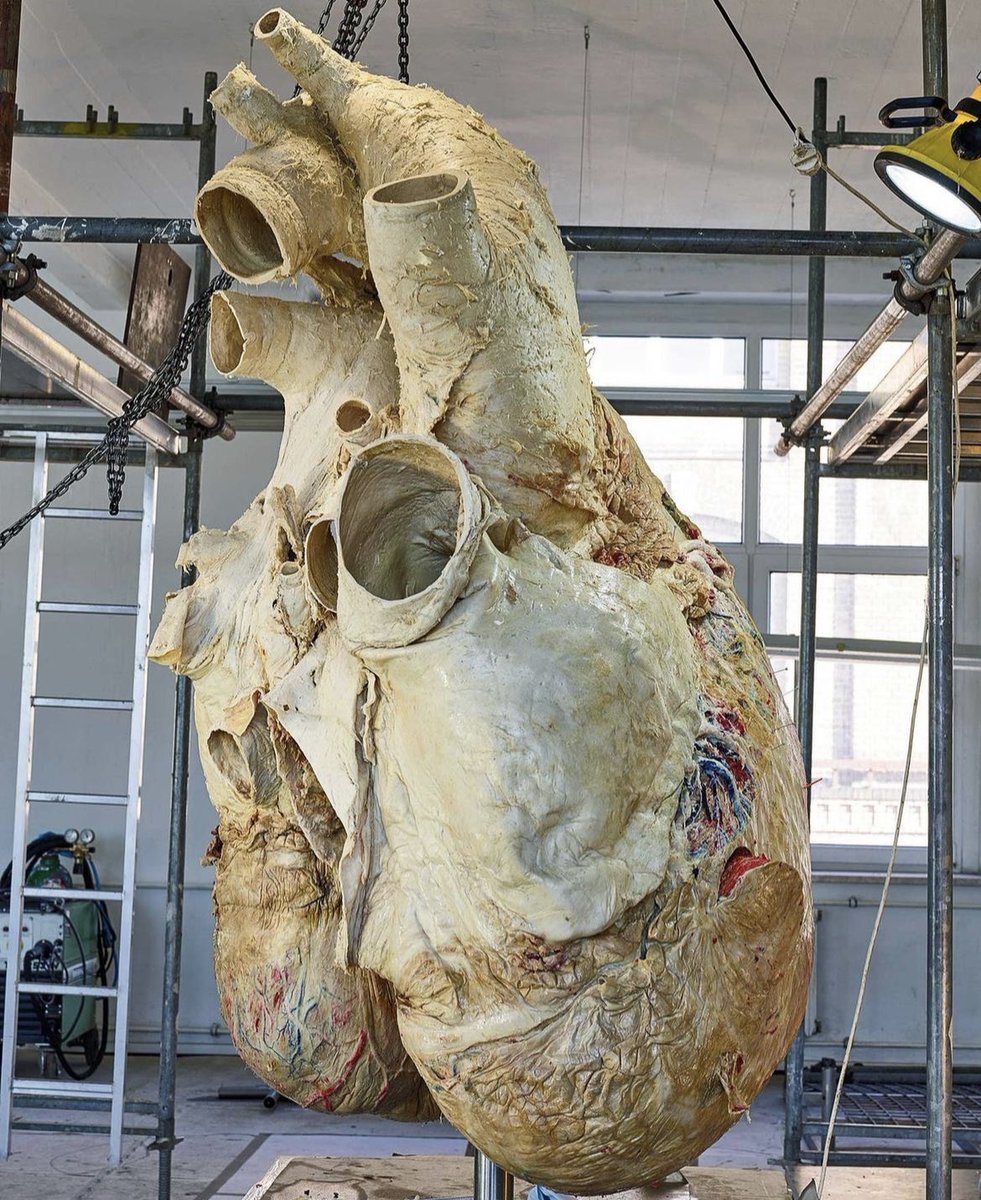
The heart of a blue whale, which can weigh in excess of 1,300 lbs (590 kg), is the size of a small car. The gigantic heart beats 8 to 10 times per minute, and each heartbeat can be heard from over 2 miles (3.2 km) away. Their arteries are so large that a full adult-sized human can swim through them.
At birth, a baby blue whale is already 25 ft long (the size of an adult killer whale) and can drink up to 150 gallons (568 liters) of milk a day, gaining as much as 200 lbs (90 kg) per day in its first year. They feed almost exclusively on krill, which are small, shrimp-like invertebrates that are on average only 1 or 2 centimeters long. They eat 4 to 6 tons of krill a day. As adults, they can grow up to 110 ft (33 m) in length and weigh up to 180 tons.
It's fascinating that throughout history, Earth has been home to some of the biggest animals, but the largest one of them all exists in our timeline, swimming in the deep ocean right now.
🧵Since it is becoming hard to track, here is a thread of the simply astounding weather records planet Earth has started shattering in recent weeks:
1. Dramatic flood events have begun striking various countries around the world simultaneously this week.
https://t.co/BLiyOyxHHp
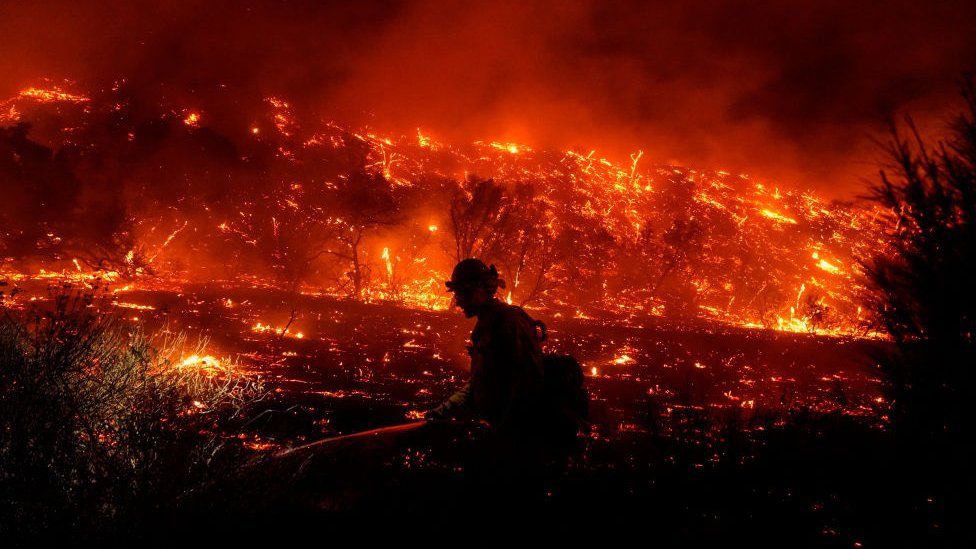
#Canada - 3.3 million hectares burned. 2214 wildfires nationwide. Currently 413 fires of which > 200 are out of control. 18 fires affecting First Nations. 26,000 people are evacuated from their homes. This is not a fire “season” - this is a warmer climate fire storm.
Game 5 in a nutshell.
Mo clearly scored.
Staal got away with something that resulted in a 5 minute major, a game misconduct AND a 3 game suspension to Bunting.
Gudas GRABBED Jarnkrok’s stick and opened the lane for Cousins.
Refs don’t impact the game, no.
#LeafsForever