An exciting announcement from @spacetechexpo. @VaradisTech have signed an agreement with Integrated Detector Electronics AS (IDEAS) in partnership with @esa to be the radiation monitoring sensor partner for the Galileo Second Generation (G2) space program.
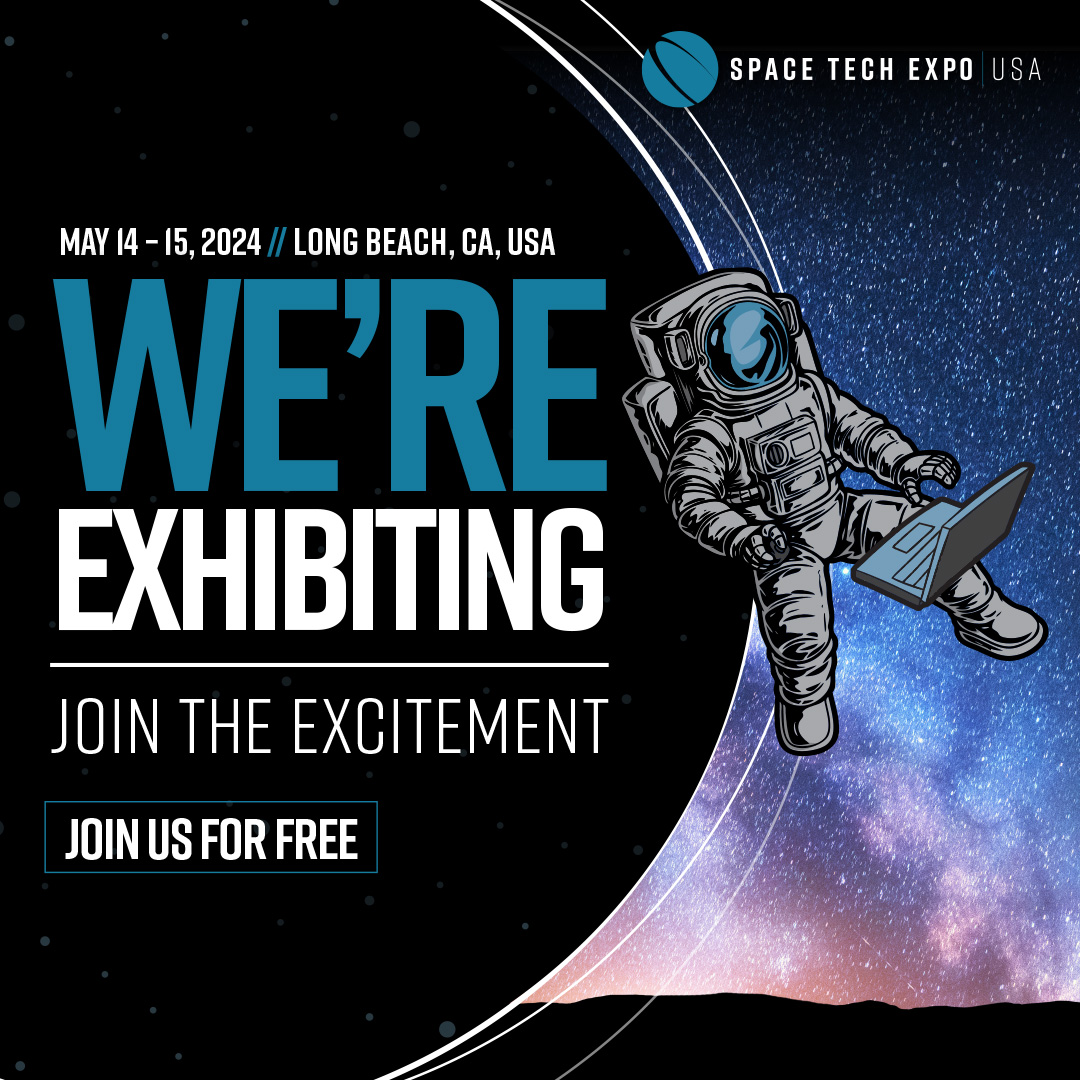
Exciting news! Varadis is gearing up to attend @spacetechexpo, one of the most anticipated events in the aerospace industry. We're thrilled to be part of this gathering of leading professionals, innovators, and companies pushing the boundaries of space technology. Stop by # 7018!
Missed our deadline for applications yesterday? ⏱
Keep your eyes peeled on our social channels, our next application deadline date announcement will be coming soon!
Discover prosperity with ESA BIC Ireland.
To say that 2023 was a stellar year for our Varadis Space business would be an understatement. Major international space agencies and space companies continued to turn to Varadis sensors to monitor radiation on important key projects. https://t.co/wpJRIokjWo
@NASA@JAXA@esa
We are proud to showcase the companies that have emerged from UCC Innovation over the years, illustrating a diverse range of technologies across a wide amount of areas. Check them out on our online New Ventures Wall.
https://t.co/Ho6XdAN8Mi
#UCCInnovates
Deep-tech company @VaradisTech, which is a @TyndallInstitut spin-out, is providing its radiation detection sensors to Japan’s Destiny+ mission, which aims to monitor an asteroid and learn more about cosmic dust. https://t.co/FqSOdnULWC
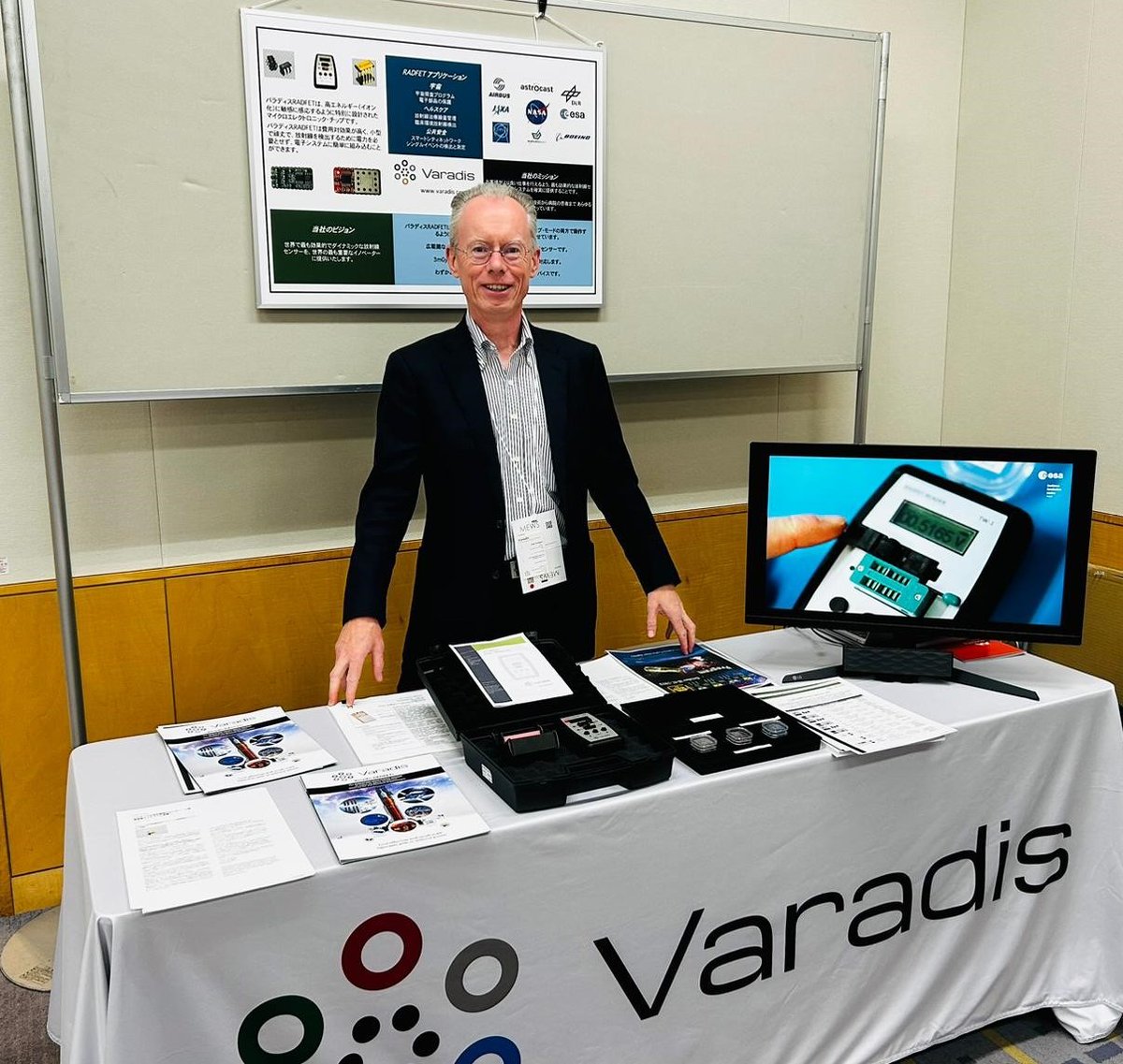
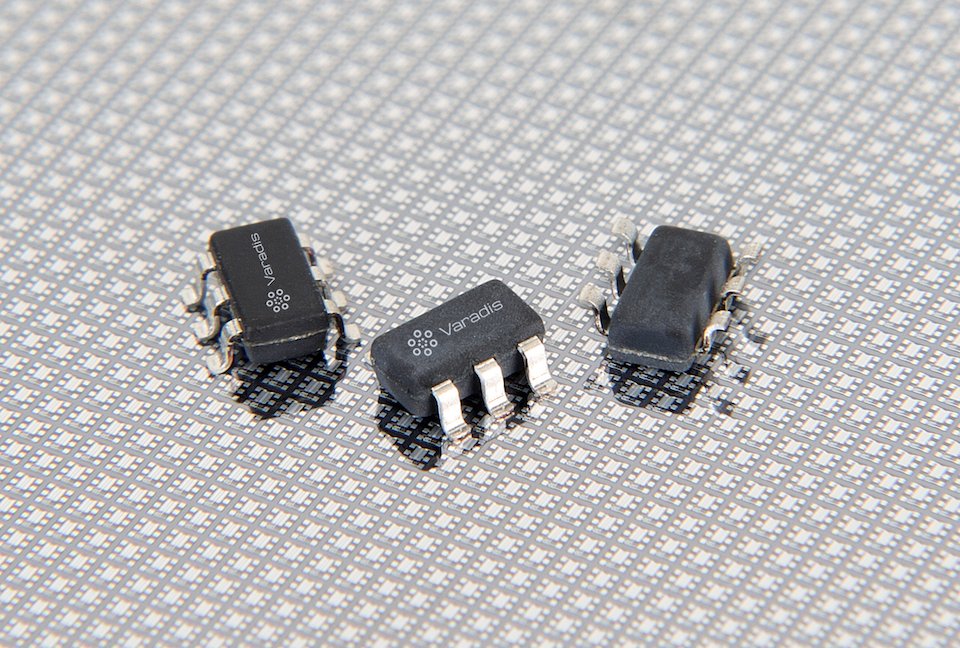
At JAXA MEWS, we rec'd tremendous interest in our RADFET to monitor radiation doses both pre/post launch in satellite projects. Attendees appreciated our small, easy to integrate radiation sensors, very low power alternatives to traditional radiation measurement techniques. #JAXA
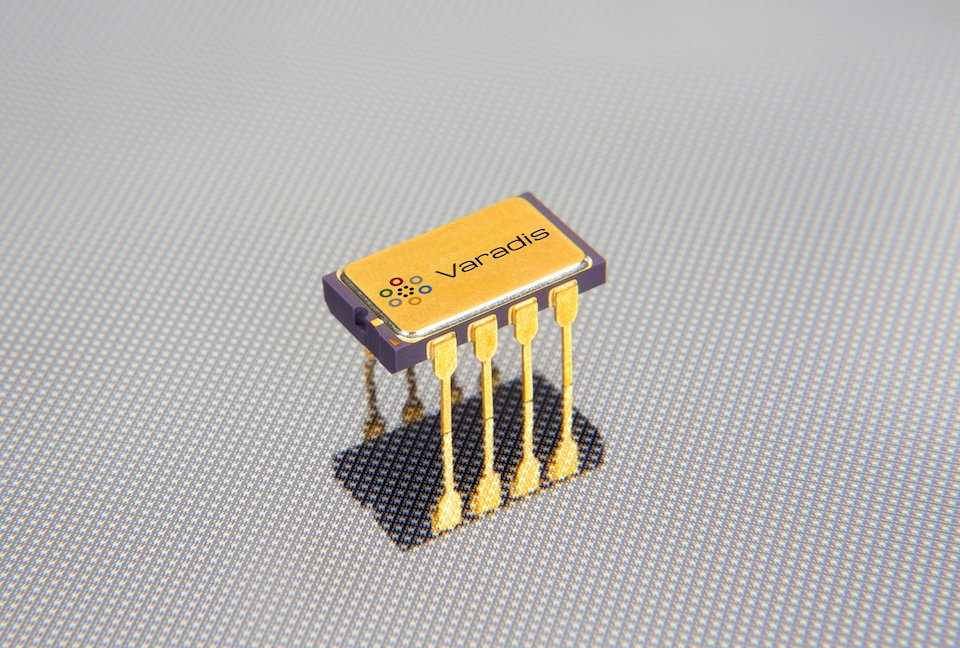
Varadis RADFETs get to go to all the cool places: ISS, moon, @esa Rosetta mission & 220mi beneath Earth's surface with @CERN! Now our VT06 radiation detection sensor will measure ionizing radiation on 2024 @JAXA_en DESTINY+ mission.
https://t.co/U8abFKZA4r
@BradWrig@NASA
Our mission is to ensure our customers are equipped with the most effective radiation sensors and systems to help better do their job. Our technology is protecting everything from technology in space to patients in hospitals.
https://t.co/fcMrrtvoSU
Brad Wrigley
The Varadis VT06 RADFET is certified as NASA EEE-INST-002 S1 Level 3 screened part. Level 3 covers both Destructive Physical Analysis (DPA) / screening..
We are honored to be the radiation dosimetry partner of choice for the most progressive space exploration companies.
#NASA
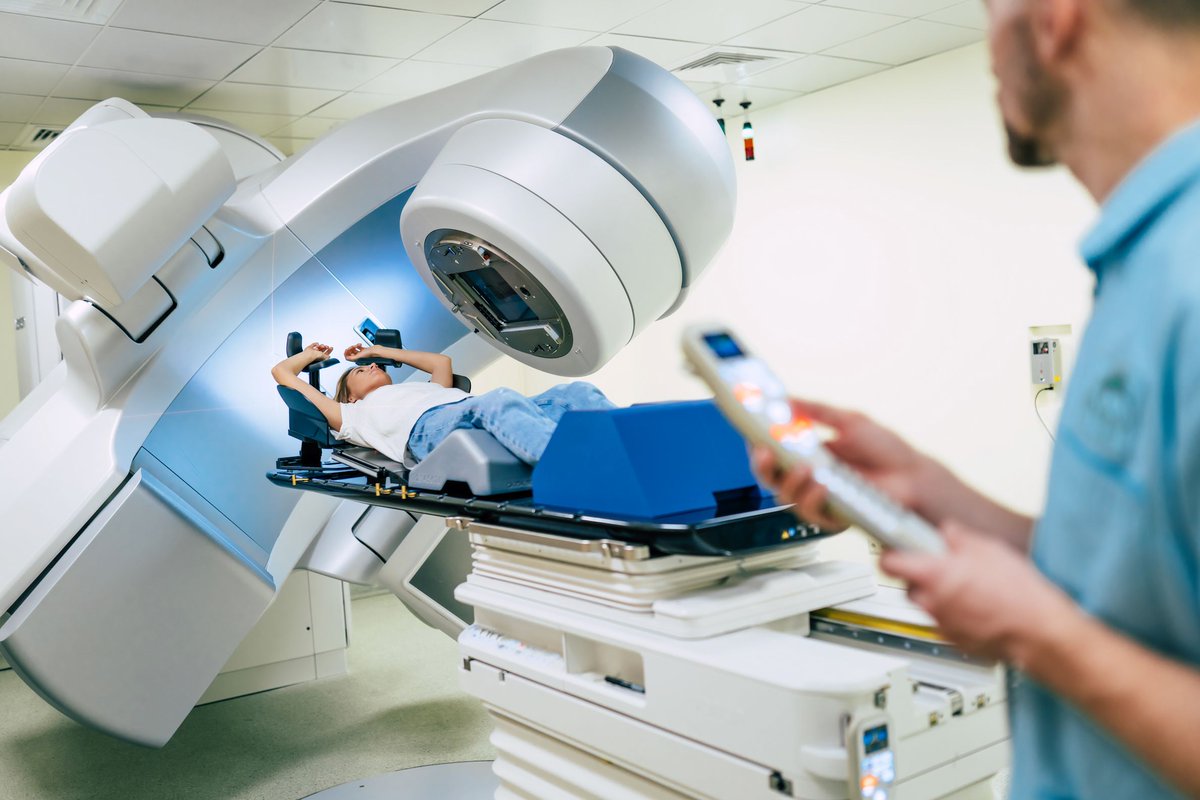
While we’ve earned a reputation for accurate monitoring of radiation in space exploration, our radiation detection sensors are deployed in public safety and healthcare applications. Get to know us at https://t.co/yGBS0eCTn0
#radiationsafety
Did you know Varadis customers include some of the globe’s most important innovators? Our radiation detection sensors provide measurements in space for companies like Boeing, JAXA, NASA, ESA and on the ground for CERN, Fraunhofer and NuFlare. https://t.co/WpHCHqEtZG
@BradWrig
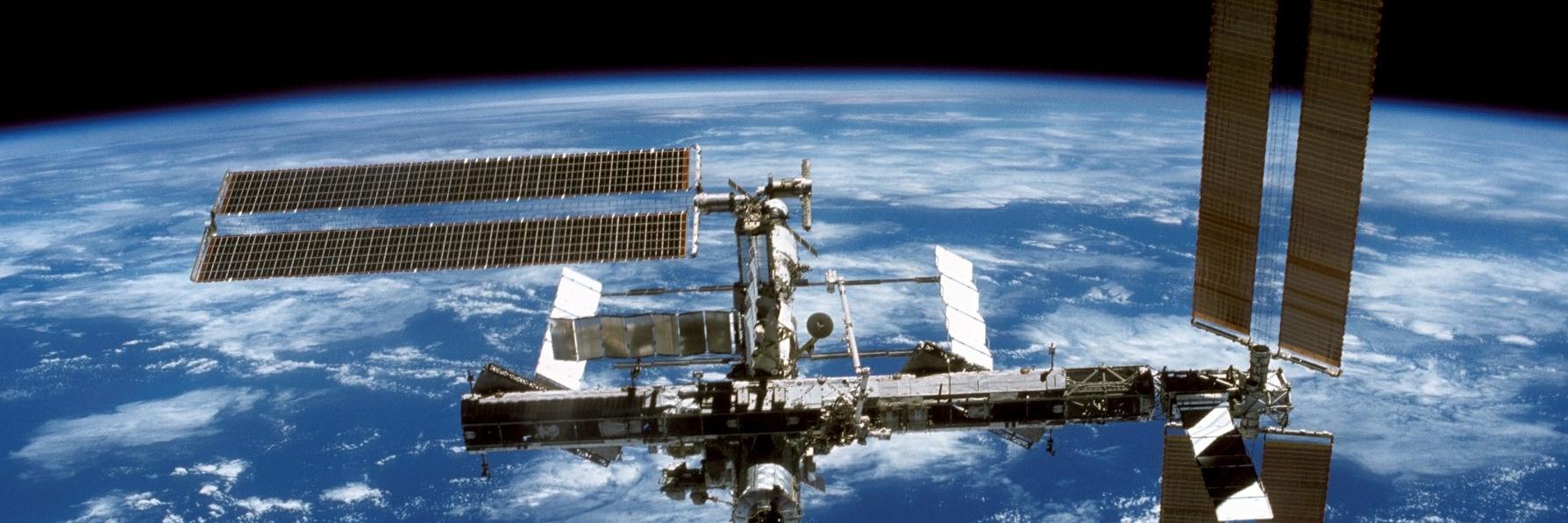
Our radiation detection sensors have been monitoring radiation levels for 2+ decades, when the 1st RADFET was placed on the Int'l Space Station to determine levels absorbed by astronauts. Learn about our journey at: https://t.co/ZNptlVda0y
#internationalspacestation
Varadis is headed to the moon aboard a lunar lander in 2024. Our radiation detection sensors will be used to measure ionized radiation via a Deep Space Radiation Probe. https://t.co/Ev3NzWeELm
#space#radiation@BradWrig@TyndallInstitut@uccinnovation