India enters the big 5 in manufacturing toppling South Korea. At current growth rates, even considering rupee depreciation, India will displace Japan to become the world's third largest manufacturer (> $1 trillion) by 2029.
Also,
1960: $3 billion -> 2015: $328 billion
2015: $328 billion -> 2025: $781 billion
So India has added as much in manufacturing in the last 10 years as it added in the last 70+ years.
His name is Ranjitsinh Disale.
He wanted to be an engineer. When that did not work out, his father suggested he train as a teacher instead.
In 2009, he was posted to a government primary school in Paritewadi, a small village in Solapur district, Maharashtra. The school was a crumbling building wedged between two storerooms, one of which had been used as a cattle shed.
What he found there troubled him.
Girls were being married off young instead of being sent to class. Attendance was poor. The textbooks were written in a language many of the children, who spoke Kannada at home, could not properly read.
He decided to fix all of it, starting with the books.
He learned the children’s mother tongue and rewrote their textbooks in a language they could actually understand.
Then he did something no one in India was doing at the time.
He printed unique QR codes inside the textbooks, allowing students with access to a phone to scan a page and instantly access audio poems, video lessons and practice questions.
A village school in Solapur had built a digital classroom out of paper and printed squares.
The results changed the village.
Girls’ attendance reached nearly one hundred percent. Teenage marriages in the area stopped. His QR code idea worked so well that the Maharashtra government adopted it across the state.
The following year, the national education body embedded QR codes in textbooks across the country.
In 2020, Ranjitsinh Disale won the Global Teacher Prize. He was chosen from more than twelve thousand nominations across roughly one hundred and forty countries and was the only Indian in the top ten.
The award carried one million dollars, around seven crore rupees.
Then he did something no winner had ever done before.
He announced that he would give away half the prize money, dividing it equally among the other nine finalists so that their work could continue as well.
He said teachers are the real change makers.
He meant all of them, not just himself.
A man who became a teacher only because engineering did not work out changed how an entire country learns, and then gave half his fortune to the people he had competed against.
Follow for stories India deserves to remember.
Our Nathu La server, unveiled today, took years of hard work by our Nagpur R&D team, led by Mangesh Sadafale.
It is going into production in Zoho data centers around the world and will save energy and money.
We are also working hard to make our entire software stack much more compute and memory efficient.
R&D to the max!
CHINA WATCH THIS. NOW, INDIAN FORCES WILL HAVE ALL WEATHER ACCESS TO LAC.
CNN-NEWS18 is first channel to drive through the entire bi-directional Zojila 13.15 km long tunnel that will connect Kashmir Valley to Ladakh all year round.
Report from @AmanKayamHai_
What you see behind PM Modi is a 700 MW nuclear steam generator, indigenously manufactured in India.
Only a handful of countries can manufacture these at scale.
For a nuclear engineer, this photograph is actually more impressive than most missile or aircraft photos. It represents industrial capability at its finest. ⚛️
Rameshbabu Praggnanandhaa is the Champion of Norway Chess 2026! With an incredible win on demand against Vincent Keymer in the final round, Praggnanandhaa wins one of the strongest tournaments of the year scoring 18/30 points, 2 classical wins against World no.1 Magnus Carlsen, and an incredible 4-game Winstreak to finish the event!
A huge congratulations to Praggnanandhaa, his team and his family- this is undoubtedly the biggest achievement of his career so far, and what a way to get there!
Graphic: Anmol Bhargav
#chess #norwaychess #Praggnanandhaa
Remember Bundelkhand?
It used to be synonymous with drought. Every few months, newspapers would carry the same pictures: women walking miles under the scorching sun with a ghada on their heads, a child in their godi, cracked earth stretching to the horizon, and editorials declaring yet another water crisis.
Bundelkhand has largely disappeared from the national news cycle nowadays. Wonder why? I'll tell you. Because solving a problem is less newsworthy than endlessly talking about it.
Thousands of households that once depended on distant water sources now have tap water connections under Jal Jeevan Mission. The daily ritual of spending hours fetching water is being replaced by something most urban Indians take for granted, turning a tap and getting water. Women have gained time, children spend more time in school, and entire villages have been freed from a burden they carried for generations.
And it doesn't stop there.
A region once discussed only in the context of scarcity is now attracting tourism investment. Mahoba is getting a ₹24.98 crore cultural and heritage tourism project, while the district recorded nearly 28 lakh visitors in a year. A place that once symbolized drought is now being positioned as a destination for heritage, tourism, and economic activity.
This is why Bundelkhand no longer dominates headlines. The pictures of women carrying water pots make for powerful journalism. The pictures of water coming out of taps don't. But for the people living there, the second picture matters far more.
#NiyatNitiNatija
https://t.co/MY4Br0GkKb
Theory of relativity, Einstein, Cosmos,
Dark matter, Parasakthi & Mahakavi Bharathi- seamlessly connected all in 3 mins..!!
His eloquence, his knowledge, his connect with the masses is unmatched !
#HBDThalaivarAnnamalai
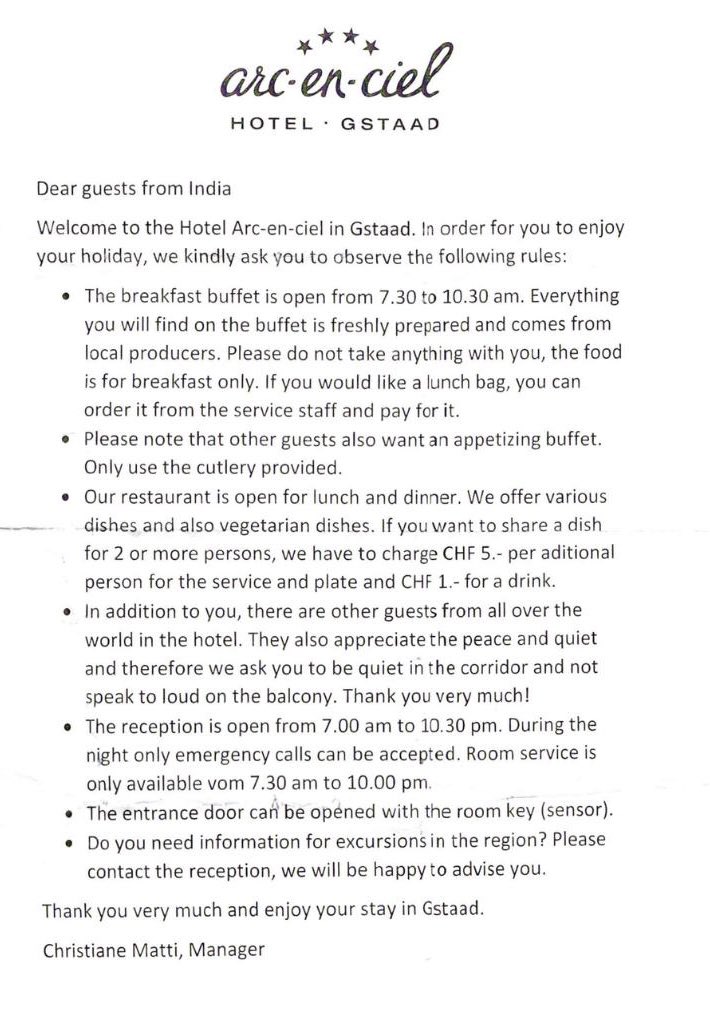
A Swiss hotel once displayed a list of special rules exclusively for Indian guests which I personally saw and was appalled.
Today, videos of garba in restaurants, loud conversations in airports, and turning aircraft cabins into picnic spots keep doing the rounds. Even in Davos, an Indian businessman blasted Punjabi music in a club so the whole town could hear it, calling it “soft power” but to everyone’s annoyance.
Japan earned global admiration through their courtesy and civic sense. If India wants to be a true global superpower, the world should remember Indians for its excellence, consideration and respect for others.
Our civic sense seriously needs to be upgraded.
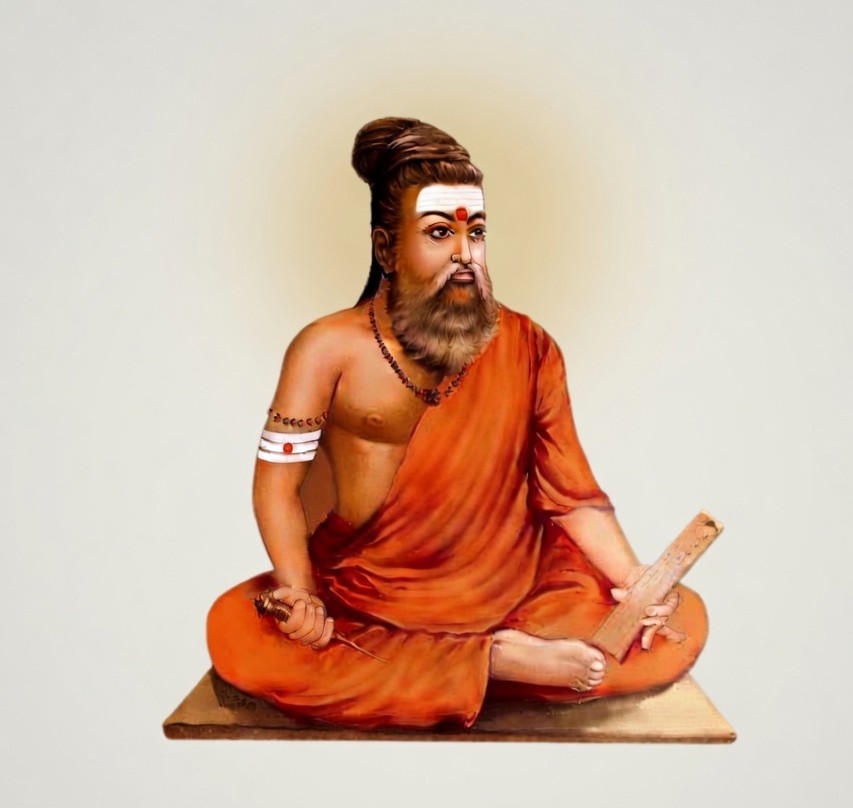
On the auspicious occasion of Thiruvalluvar Jayanti Vaikasi Anusham, the Nation pays its deep reverence to Thiruvalluvar, the great Tamil saint-poet of the Bharatiya Sanatan tradition. Thiruvalluvar’s Thirukkural stands as an eternal confluence of Dharma and Niti, guiding righteous living, ethical governance, and the values that shape both individual conduct and collective life. His teachings continue to guide humanity, shaping the spiritual evolution of Bharat with global resonance.
#SaintThiruvalluvar #VaikasiAnusham #Thirukkural #GovernorRavi #LokBhavan
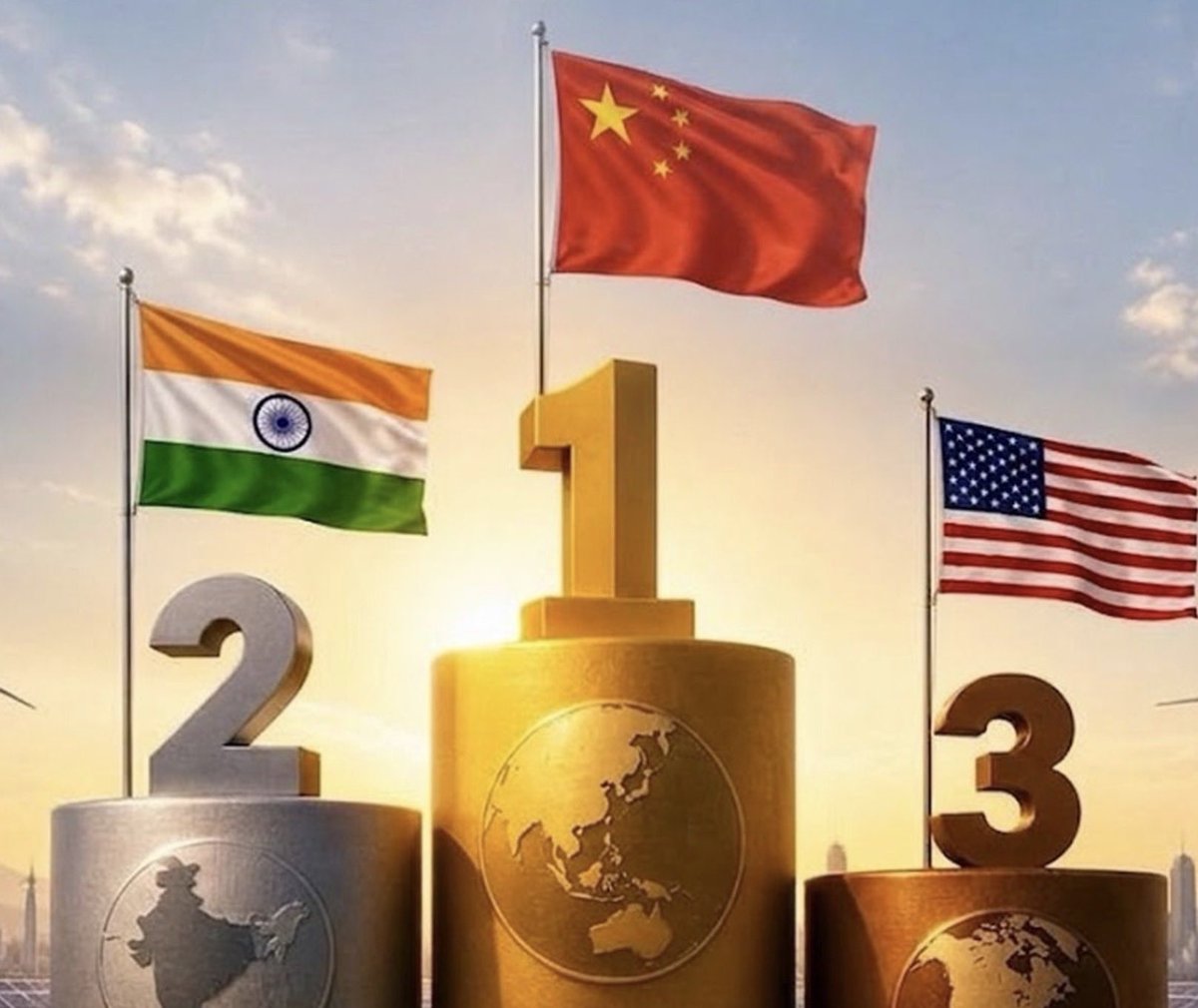
Congrats India 🇮🇳 - now the world’s second largest solar market.
→ 50 Gigawatt of new solar capacity added in 2025 alone
→ Total installed capacity now at 150 Gigawatt
→ China holds #1. The United States has slipped to #3.
US is still number 2 in total installed solar capacity, but India passed in actual deployment. This will be supercharged by the war in the Strait of Hormuz. The sun is Indian. The wind is Indian. The great rivers of india are Indian. Every drop of oil India replaces with renewables, make India richer and more energy independent.
The first 50 gigawatt took India 11 years. The next 50 gigawatt tok India 3 years. The last 50 gigawatt, the one that pushed India past the US, took 14 months.
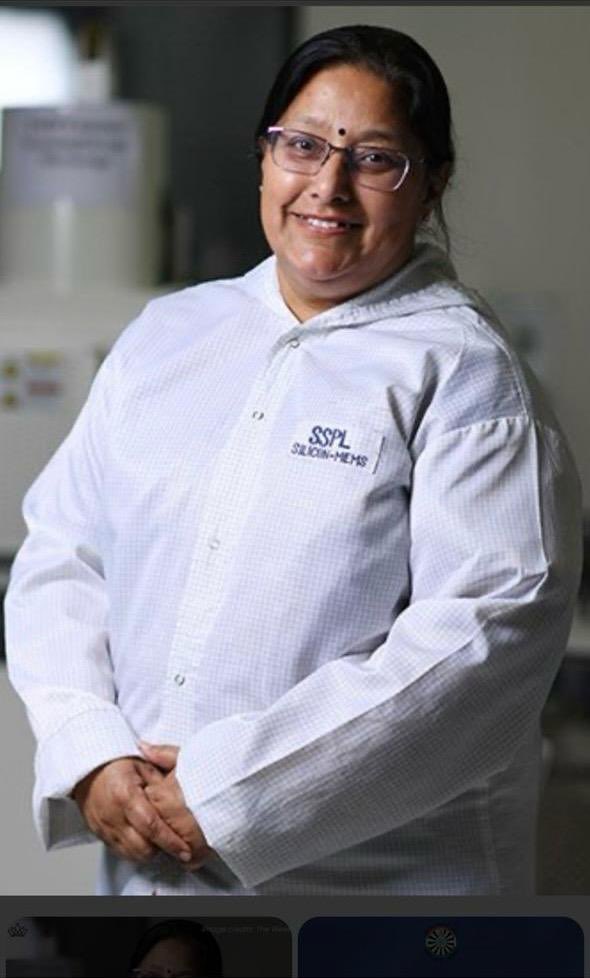
A not so small achievement by our scientists at DRDO was missed by headlines. India is now part of an elite cohort, only the 7th Nation to crack Gallium Nitride Chip Technology. These chips are relevant as they’re used in advanced radar and electronic warfare systems on modern fighters.India’s entry into the GaN #technology club is about Atmarnirbharta. Made possible by #DRDO and #scientist Dr. Meena Mishra.
🚨Bengal’s First Oil Field Finally Set for Production After Years of Delay, Ashoknagar Oil Field Can Produce 240 Million Barrels Oil.
After years of political deadlock, regulatory uncertainty, and stalled industrial momentum, West Bengal’s first major oil field is finally moving toward production. The Ashoknagar Oil Field, discovered by Oil and Natural Gas Corporation in 2018, is now being positioned as a strategic breakthrough for both India’s energy security and the revival of Bengal’s struggling industrial economy.
Located in North 24 Parganas, barely 50 kilometers from Kolkata, the Ashoknagar field was once described by ONGC as a potential “game changer” for Eastern India.
Surveys indicated reserves of nearly 240 million barrels of oil equivalent, along with significant natural gas and condensate deposits, a scale large enough to reshape the energy landscape of the region.
For nearly seven years, however, the project remained trapped in limbo.
Land-related disputes, environmental concerns, compensation issues, and intense political friction between the Centre and the previous state administration prevented production from taking off. Even after investments of nearly ₹1,000 crore had already been committed, the project failed to move beyond the planning stage. Repeated appeals from Union Petroleum Minister Hardeep Singh Puri for cooperation reportedly went unanswered, despite the strategic importance of the field.
Employment generation is another major factor. From pipeline infrastructure and refining support to transportation, maintenance, engineering, and ancillary industries, the project could create thousands of direct and indirect jobs in a state that has seen large-scale migration due to industrial decline.
The economic upside for the state government is equally massive. According to earlier estimates highlighted by the Petroleum Ministry, the value of recoverable oil could reach nearly ₹45,000 crore, with West Bengal itself expected to earn around ₹4,500 crore in direct revenue over time.
If production finally begins at full scale, Ashoknagar could become the foundation of an entirely new energy and industrial corridor in the region.
Every Padma awardee has had an inspiring life journey. The official Padma Awards Instagram page highlights some of their fascinating efforts. Do have a look.
https://t.co/5VNRTaK2IC
Until 2021, the Indian Army was still throwing a hand grenade the British designed in 1915. Grenade No. 36 Mk-I, a WW1-era weapon notorious for uneven fragmentation that occasionally maimed the thrower. Solar's EEL replaced it with 10 lakh Multi-Mode Hand Grenades and became the first private Indian company to supply complete ammunition to the armed forces.
That was only the opening act.
The deeper unlock came when DRDO transferred BrahMos solid propellant booster technology to Solar. India had been importing 35 boosters a year from Russia for its flagship cruise missile. ToT to a private company was a privilege normally reserved for DPSUs. Solar today supplies propellants and warheads across BrahMos, Pinaka, Akash and several other indigenous platforms.
Then Nagastra-1, India's first fully indigenous loitering munition at 75 percent local content. 480 units were delivered under emergency procurement in late 2024. Combat debut happened in Operation Sindoor.
January 2026, Rajnath Singh flagged off the first batch of Guided Pinaka rockets from Solar Defence and Aerospace's Nagpur plant. Armenia already buys it. Nigeria and Indonesia are next in the queue. Bhargavastra, the counter-drone system out of the same facility, was test-launched recently.
This company has quietly built a full stack in Indian defence: warhead chemistry, missile propellants, loitering munitions, guided rockets, counter-UAS.
The Padma Shri is absolutely well deserved.
Disclosure: not invested.
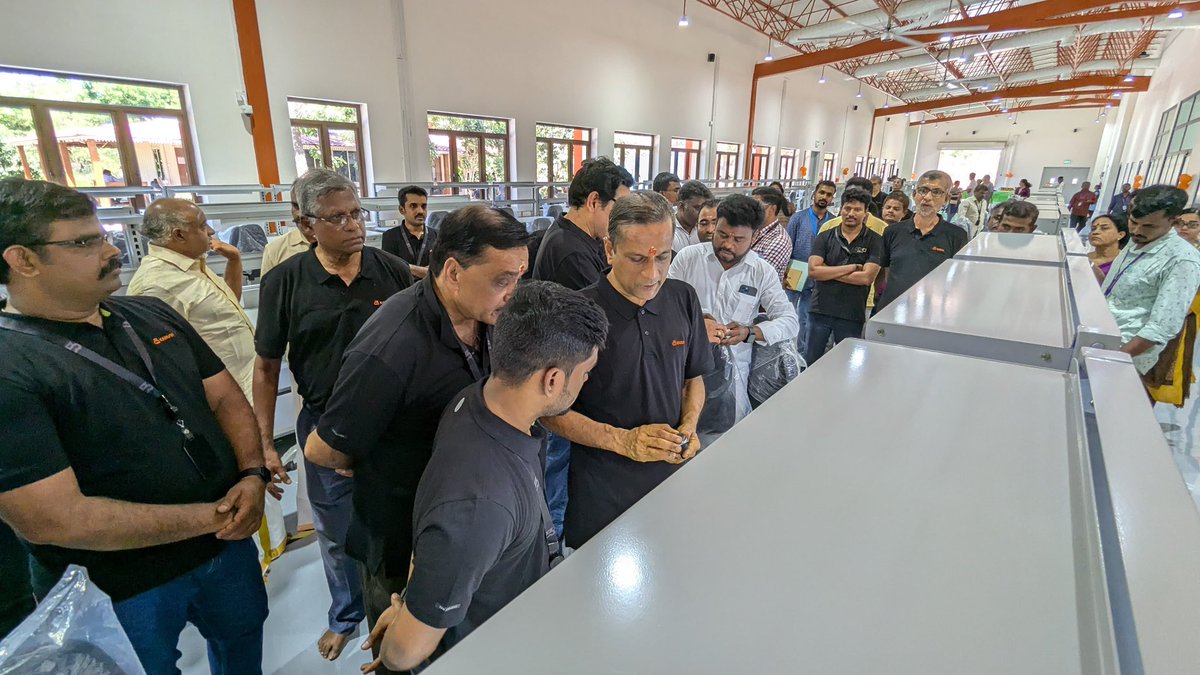
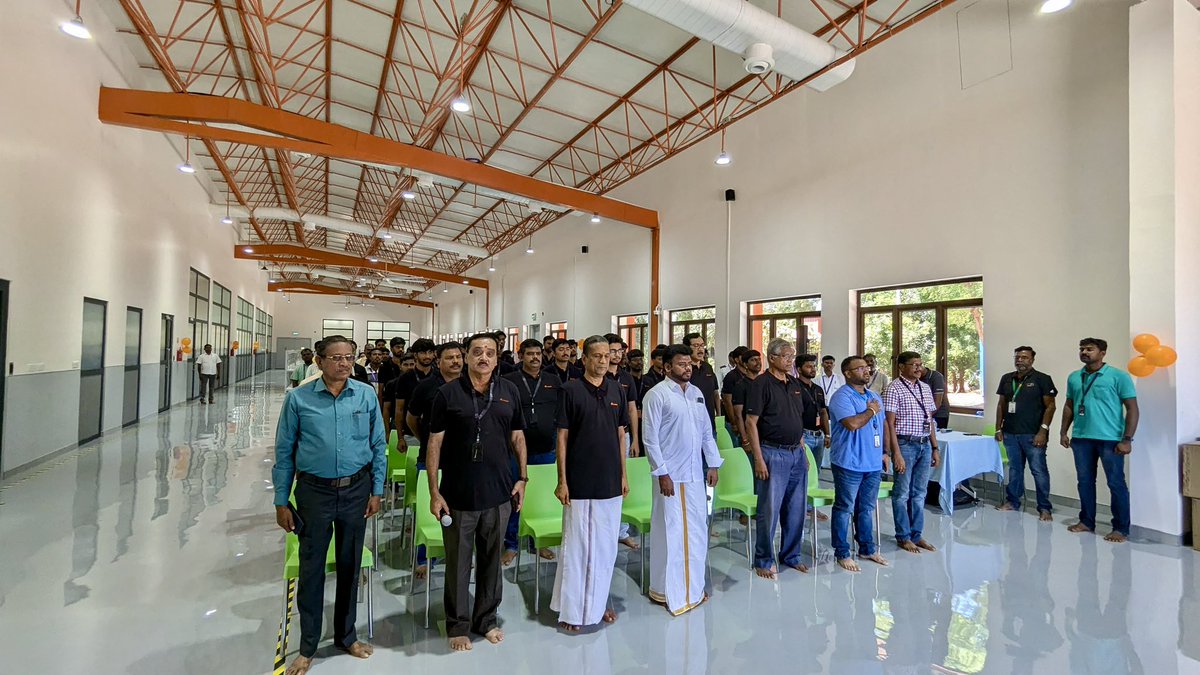
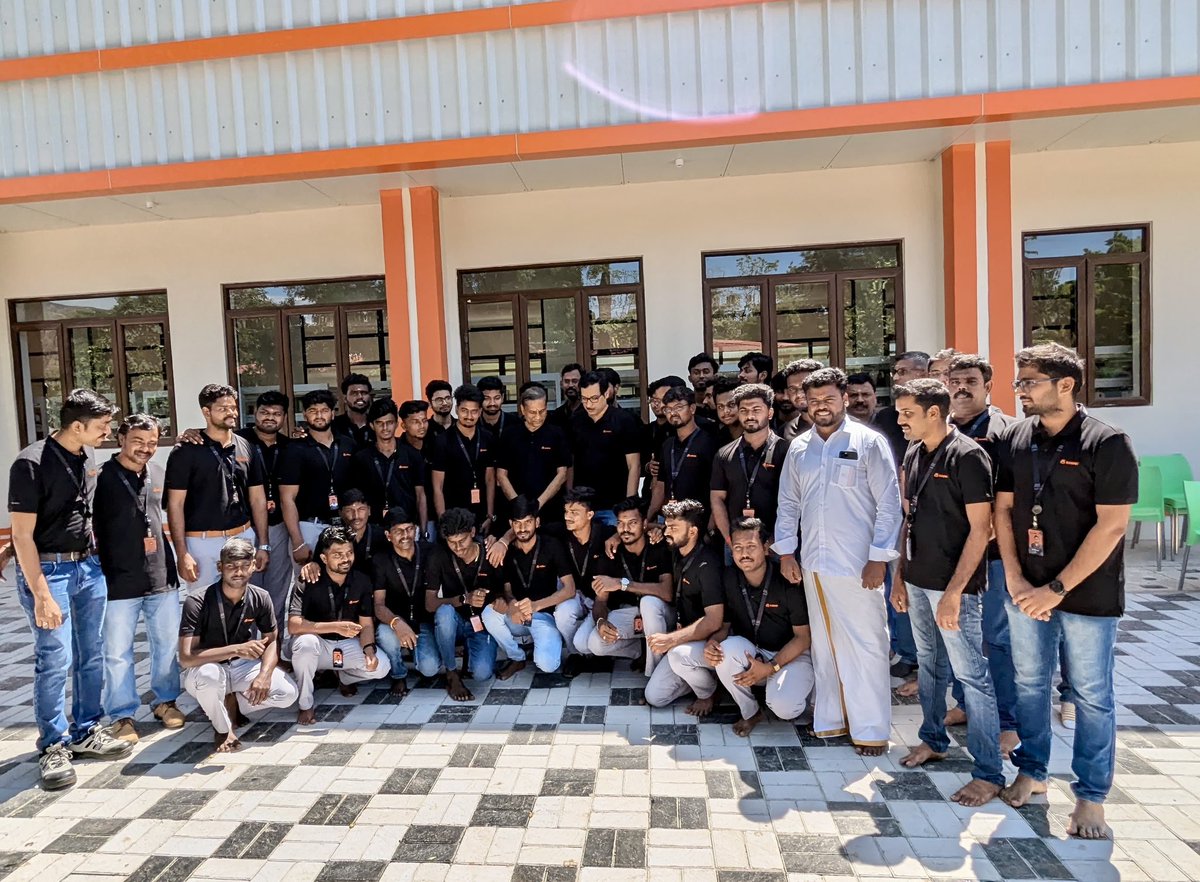
Yesterday we opened our first dedicated factory, to assemble our Karuvi line of power tools. The factory is in a small village called Mathapuram in Tenkasi district, close to the Zoho office in Mathalamparai village.
We have trained a group of about 15 talented young people drawn from surrounding villages to work in the factory.
Small beginning for a big dream in rural manufacturing 🙏