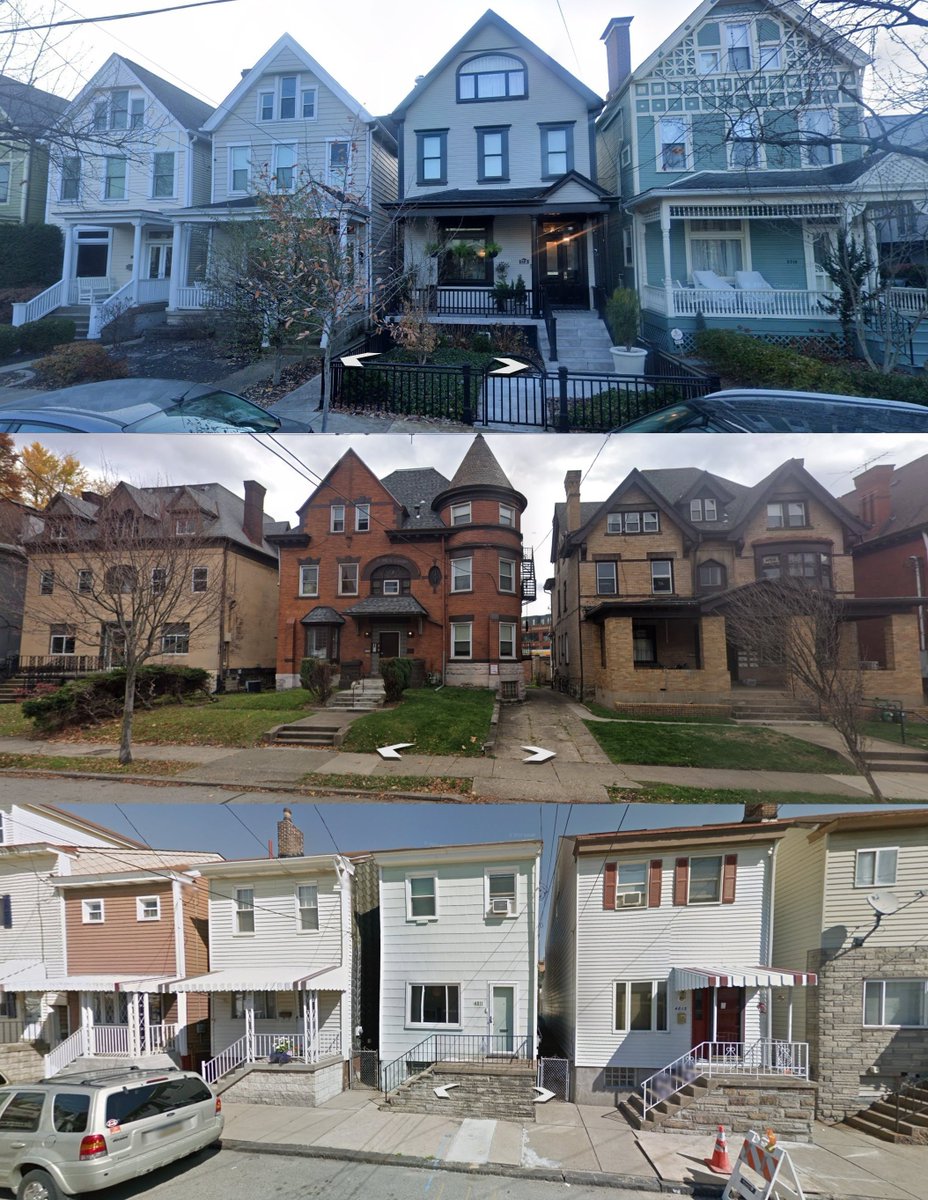
@bivens83306@realBurhanAzeem@HartAndSoul Single staircase mid-rise buildings have equally strong fire safety records as double staircase mid-rises and are legal and common across literally every developed country except the US and Canada. What exactly is the problem?
https://t.co/LMJisL5Qto
@KtunaxaAmerika@realBurhanAzeem@HartAndSoul Not necessary for mid-rise buildings because they're too short for it to be a fire hazard. Single staircase buildings have equally strong fire safety records for buildings 6 stories and less.
https://t.co/LMJisL5Qto
@punkyuppie@litcapital Zoning codes didn't even exist American cities until the 1920s, and the earliest ones were about 1/10th the length of modern ones. They're largely unnecessary market regulations that make urban planning worse, the best planned American cities were all built up before zoning.
@SukritGanesh@idcidc169460@otterbo54348271@sfplanning Developments sometimes get stalled on design review for years. I forget which one specifically, but there was a building that the planning board made go through 8 different design revisions before being approved.
@philobaza The stop spacing is why that's not a fair comparison. LA Metro is trying to fill a role somewhere between a local and regional service, so it needs to be faster than a traditional metro.
@wingedPigBBQ@MaxWithNanos True, but the average lot size in 1950 was less than half the modern average, smaller than the typical smallest minimum lot sizes in most zoning codes, and even mansions typically had smaller setbacks than what is legally allowed in modern zoning.
@Simmonsy45@MaxWithNanos This is the truth. The US has been heading toward its current housing crisis since it became the norm hyper-regulate zoning in the 1950s. Most pre-WW2 American houses don't even meet the minimum lot size and/or setback requirements of typical modern American zoning codes.
@SockDem_@otterbo54348271@sfplanning It's because each regulation was decided on independently of the others. Individually they each sound reasonable to people, but then combined together they create aesthetics that are totally incoherent. Typical result of design by committee.
@idcidc169460@otterbo54348271@sfplanning The code makes that harder, especially the requirements for multiple facade colors on large buildings.
For example, the left image is an original design proposal that was rejected by SF's planning board, and the right is what it was modified into to meet their requirements.
@goatpurple1@otterbo54348271@sfplanning It's b/c nobody ever actually checks the code so they just assume it does the opposite of what it actually does. They think it protects the traditional architectural character of the city, so the uglier the code makes buildings the more people demand it be stricter. It's 97 pages