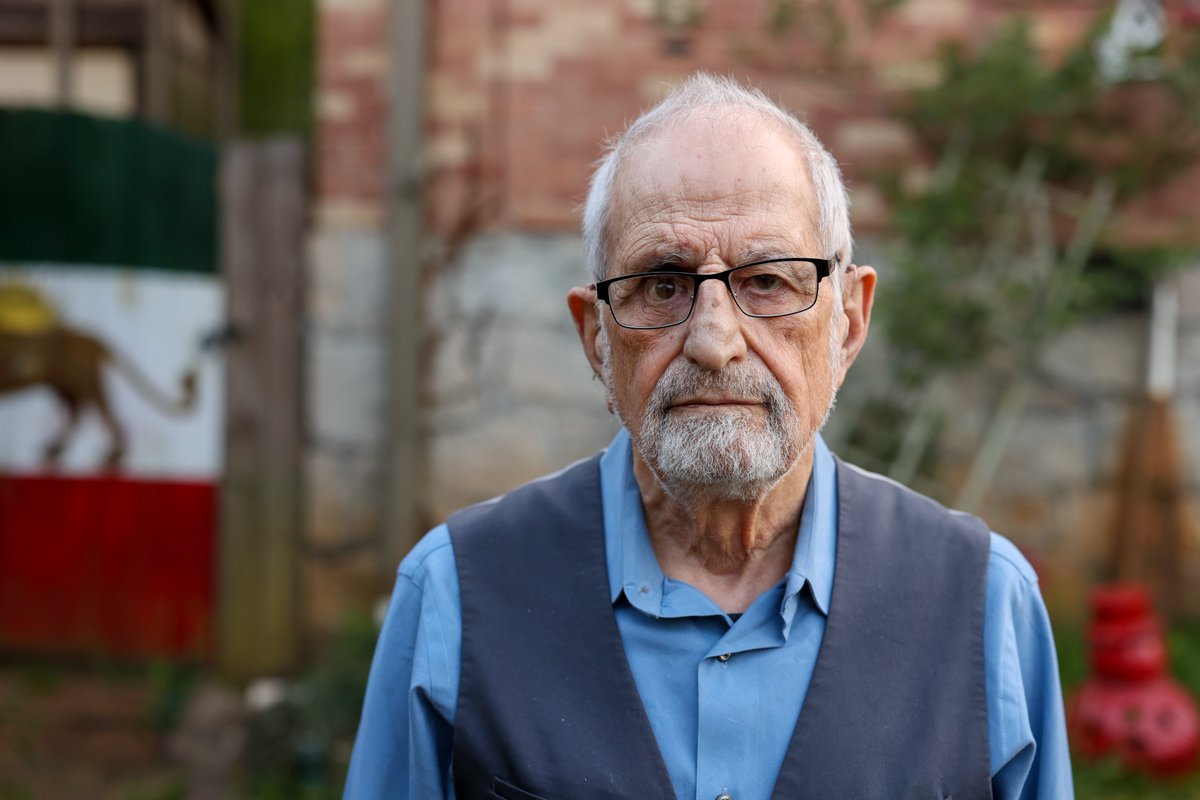
30 years ago my mom founded one of the first microschools in Florida.
Gov. @JebBush fought the early, contrarian battles to unlock that education for our family and millions of others.
Quite a full-circle moment to sit down and discuss the state of US K-12 together:
Little textbooks called ‘primers’ shaped the first 200 years of American Education. Primer will shape the next 200.
This is our labor of love for the kids of America. A vision for the future of Education, featuring MarQuis – a real Primer student:
Protect gifted and talented
Protect AP classes
Protect Algebra and advanced math
Protect personalized and accelerated education at the dawn of AI, the perfect tech to improve education of every child at every level
75% of U.S. 8th graders aren’t proficient in math right now. If we don't fight to fix that for our kids immediately, then we are failing them and dooming our nation to a future dominated by China. Those are hard facts & unfortunately they don’t care about our feelings.
Firetech in 2030 🧵
4 years ago, during the horrible 2020 wildfire season, I was inspired to work on the wildfire mission.
@WildfiresORG has since become an official US Forest Service partner, and has shipped & deployed a NEPA-accelerating software with US National Forests field units.
Out of the ashes of the 2025 LA fires, I am hoping founders find inspiration to help the US develop firetech for the next decade.
If you're a founder looking for a mission, I challenge you to explore the firetech ideas below. @convectivecap and @billclerico are actively investing in the space.
Save our Souls (SOS) or Find all the Owls (FAO)? 🧵
Who will kill us first, NEPA/CEQA or the high intensity wildfire?
NEPA/CEQA is a huge brake pedal to fuel reduction work, and despite billions in funding, most western forests will see high intensity wildfire before they see fuel reduction.
The forest project areas will burn down while the land manager is planning/surveing thru NEPA/CEQA.
The reason top tech companies often hire foreign-born & first-generation engineers over “native” Americans isn’t because of an innate American IQ deficit (a lazy & wrong explanation). A key part of it comes down to the c-word: culture. Tough questions demand tough answers & if we’re really serious about fixing the problem, we have to confront the TRUTH:
Our American culture has venerated mediocrity over excellence for way too long (at least since the 90s and likely longer). That doesn’t start in college, it starts YOUNG.
A culture that celebrates the prom queen over the math olympiad champ, or the jock over the valedictorian, will not produce the best engineers.
A culture that venerates Cory from “Boy Meets World,” or Zach & Slater over Screech in “Saved by the Bell,” or ‘Stefan’ over Steve Urkel in “Family Matters,” will not produce the best engineers.
(Fact: I know *multiple* sets of immigrant parents in the 90s who actively limited how much their kids could watch those TV shows precisely because they promoted mediocrity…and their kids went on to become wildly successful STEM graduates).
More movies like Whiplash, fewer reruns of “Friends.” More math tutoring, fewer sleepovers. More weekend science competitions, fewer Saturday morning cartoons. More books, less TV. More creating, less “chillin.” More extracurriculars, less “hanging out at the mall.”
Most normal American parents look skeptically at “those kinds of parents.” More normal American kids view such “those kinds of kids” with scorn. If you grow up aspiring to normalcy, normalcy is what you will achieve.
Now close your eyes & visualize which families you knew in the 90s (or even now) who raise their kids according to one model versus the other. Be brutally honest.
“Normalcy” doesn’t cut it in a hyper-competitive global market for technical talent. And if we pretend like it does, we’ll have our asses handed to us by China.
This can be our Sputnik moment. We’ve awaken from slumber before & we can do it again. Trump’s election hopefully marks the beginning of a new golden era in America, but only if our culture fully wakes up. A culture that once again prioritizes achievement over normalcy; excellence over mediocrity; nerdiness over conformity; hard work over laziness.
That’s the work we have cut out for us, rather than wallowing in victimhood & just wishing (or legislating) alternative hiring practices into existence. I’m confident we can do it. 🇺🇸 🇺🇸
@bilalmahmood It’s a shame that Amplitude bailed out your failing startup, giving you money to make your full time job spewing garbage takes like this one.
Gross. Just eat your big political L and go away.
Optimized for #AI CPU Inference workloads, @Thinkmate servers with the @AmpereComputing Altra Cloud Native Processor family deliver peak performance & value.
From 32 to 128 cores - they're perfect for frameworks like #PyTorch & #Tensorflow!
Learn more: https://t.co/rFyB6TTHrn
(9/54) “The club was called Niroo. The Force. There were ten of us. We were all so different. But we were like charms on a bracelet—united by our love for Iran. It was nothing important: we’d graffiti our slogans onto walls. We’d stand on busy street corners and try to convert people to our cause. But it felt so important. We felt like we were building a new Iran around us. We held our meetings in an attic. We’d check the street for spies before we went inside. I had one of the strongest voices in the group, so I’d open each meeting by reciting a hymn about loving Iran. We’d review our activities from the previous week. Then Dr. Ameli would lead us in long discussions about the meaning of Iran. Dr. Ameli was a nationalist. But it wasn’t a nationalism of expansion. It was a nationalism of preservation. A nationalism based on history and culture, with respect for all people. That’s one of the very first things he taught us: ‘What is true, must be true for everyone.’ We learned that the Persian Empire began when Cyrus The Great united a group of nomadic tribes in 550 BC. Many consider Cyrus to be the founder of human rights. Whenever he conquered a new territory, he outlawed slavery. He allowed everyone to live with their own language and religion. In the ancient world Iranians were known as Azadeh. Free people. It’s even in the Shahnameh. When one of our champions is mistaken for an angel, he says: ‘I come from Iran. The land of the free.’ Listening to Dr. Ameli speak about the foundations of Iran, we felt like we’d discovered something hidden. An Iran built on ideals. Rasti. Neeki. Daad. An Iran built on freedom. Azadi. During the final meetings of Niroo that I ever attended, we were joined by a girl named Parvaneh. She was a basketball player; and her voice was just as strong as mine. At the close of each meeting, we’d lead the group in the swearing of seven oaths. I don’t remember all seven, but I remember the final. To give our lives for Iran.”
گروه خود را نیرو مینامیدیم. ده تن بودیم با ویژگیهای گوناگون ولی چون مهرههای یک دستبند - پیوسته و همپیمان در عشق به ایران. کارهای برجستهای نمیکردیم: شعارهامان را بر دیوارها مینوشتیم. در خیابانهای پر رفت و آمد ایستاده و رهگذران را با آرمانهامان و برای پیوستن به کوششها فرامیخواندیم. اندیشهها را با همگان در میان میگذاشتیم. این تلاشها برایمان بسیار با ارزش بود. احساس میکردیم در حال ساختن ایرانی نو در پیرامون خود هستیم. گردهمآییها را در بالاخانهای برگزار میکردیم. پیش از ورود، ایمنی خیابان را بررسی میکردیم. گردهمآیی هفتگی ما با خواندن نیایشگونهای به نام سرآغاز شروع و با پیماننامهای به نام هفت پیمان به پایان میرسید. بسیار پیش میآمد که من یکی از آن دو را با صدای رسا بخوانم. کوششهای هفتهی پیش را دوره میکردیم. آنگاه آژیر با ما به گفتوگو دربارهی ایران و فرهنگ آن میپرداخت. آژیر ملیگرا بود. نه ملیگرایی بر پایهی کشورگشایی بلکه ملیگرایی بر پایهی پاسداری از یگانگی سرزمینی و فرهنگ ملی. ملیگرایی بر پایهی تاریخ و فرهنگ، بر پایهی گرامیداشت همهی مردمان زمین و میهنها و فرهنگهایشان. این نخستین درسی بود که به ما آموخت: «حقیقت آنست که برای همگان پذیرفتنی باشد.» آموختیم که بنیاد شاهنشاهی ایران با یکپارچه کردن قومها و تیرههای گوناگون به رهبری کوروش بزرگ در سال ۵۵۰ پیش از میلاد نهاده شد. بسیاری کوروش بزرگ را بنیانگذار حقوق بشر میدانند. او به مردمان آزادی داد که با زبان و دین خود زندگی کنند. و هرگاه بر سرزمینی نو میرسید، بردگان و اسیران را آزاد میکرد. در دنیای باستان، ایرانیان با نام "آزاده" شناخته میشدند، مردمان آزاد. در شاهنامه نیز به این نامگذاری اشاره شده است. منیژه بیژن را میبیند و به او دل میبندد. میپرسد آیا تو سیاوشی که زنده شدهای یا از پریزادگانی؟ پاسخ بیژن این است: سیاوش نیَم نَز پریزادگان / از ایرانم از شهر آزادگان. سخنان آژیر دربارهی بنیادهای فرهنگ ایرانیان دل و دیدهی ما را بر گذشته و آیندهی ایران میگشود، احساس میکردیم به رمز و رازهای ماندگاری آن دست یافتهایم. ایرانی ساخته شده بر پایهی آرمانها: راستی، نیکی و داد. ایرانی ساخته شده بر پایهی آزادی. در یکی از واپسین گردهمآییها، تنی چند از دختران دانشآموز به ما پیوستند. در میان آنها دختری بود به نام پروانه، بسکتبال بازی میکرد؛ صدایی رسا و گیرا داشت. ایستادیم و در پایان گردهمآیی هفت پیمان را خواندیم. آخرین بند هفت پیمان از جان باختن به راه ایران میگوید
(8/54) “There’s only one way for love to begin in a traditional society. With the eyes. At the dinner table Mitra disagreed with everything I said. If I said ‘red,’ she said ‘green.’ If I said ‘spice,’ she said ‘sweet.’ But there was something between us. I could see it in the eyes. It was like glancing at a beautiful mountain from afar. The mountain hasn’t been experienced yet. Its cliffs have not been climbed. Its flowers have not been picked. But you are drawn to its beauty, even at a distance. On her fifteenth birthday I got her flowers. It was winter. There weren’t many flowers during winter. So I went to an Armenian flower shop and got fifteen white carnations, with one red in the center. I was shy with my words, so I wrote her a long letter. I told her the story of the female knight Gordafarid, one of the bravest champions in all of Shahnameh. Gordafarid was a master of archery. No bird could escape her arrows. And she was beautiful: her face glowed like the moon. Her waist was cypress-shaped. Her hair was worthy of a crown. I told Mitra: ‘She’s just like you. Together we can do great things for Iran!’ Mitra hid the letter from her father. One night over dinner I told him about my plans to become king. I told him that I would use my voice, and speak about Daad. Justice. He said: ‘This boy is delusional! He’s living in a thousand-year-old book!’ He told me that Iran was a constitutional monarchy. And unless I planned to lead a coup, the highest I could rise was Prime Minister. He said that Iranians were too worried about survival to care about ideals. So if I wanted to be Prime Minister, I’d need to put away childish ideas and learn about the real world. A few weeks later I joined a club of students at my school who met each week to discuss politics. It was the youth chapter of a new party called the Pan-Iranist Party. The leader of the club was a medical student from the University of Tehran. His name was Dr. Mohammadreza Ameli Tehrani. But everyone called him by his nickname: The Siren.”
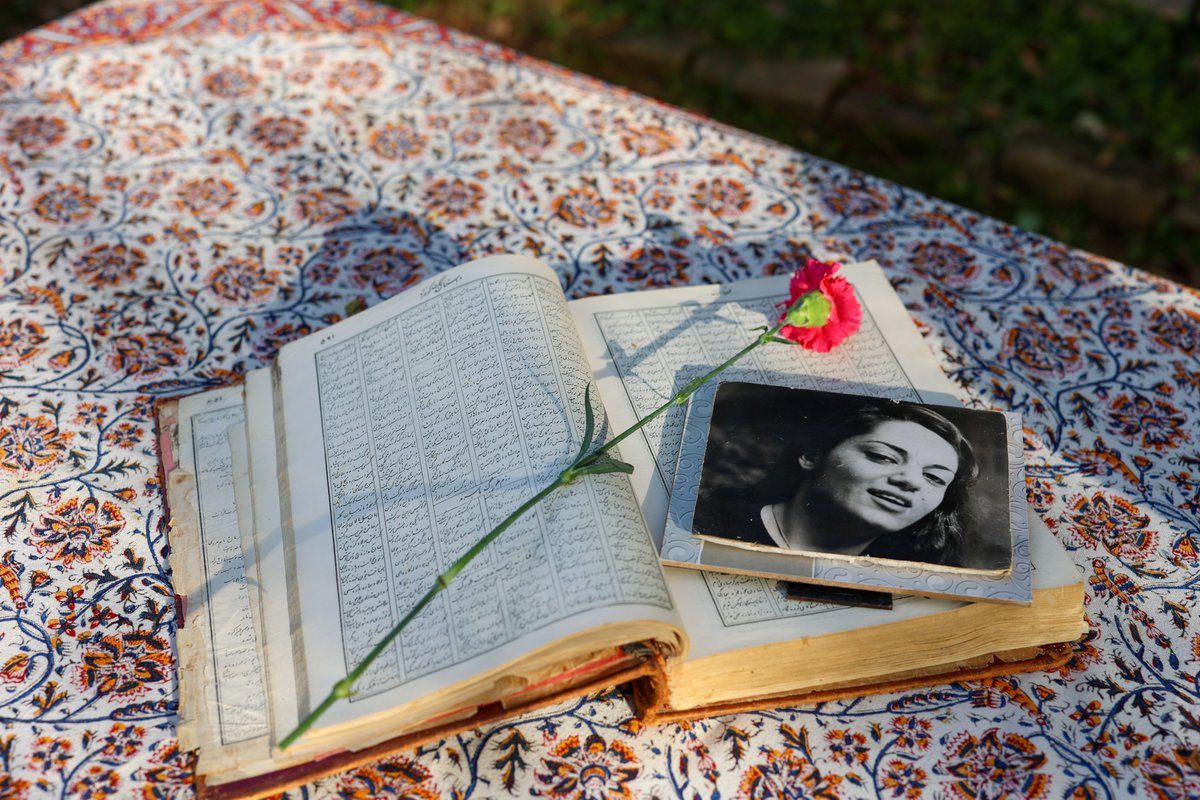
در جامعهی سنتی تنها یک راه برای ابراز دلبستگی هست. آن هم راه نگاه. سر میز شام میترا با هر آنچه میگفتم مخالفت میکرد. میگفتم سرخ، می گفت سبز. میگفتم تند، می گفت شیرین. ولی حسی میان ما در حال شکفتن بود. میتوانستم در دیدگانش ببینم. مانند تماشای کوهی در دوردست. کوهی که هنوز آزموده و پیموده نشده است. صخرههایش هنوز پیموده و گلهایش هنوز چیده نشدهاند. ولی میشد از دور پیوندی گیرا را احساس کرد. در پانزدهمین زادروز میترا به او دسته گلی هدیه کردم. زمستان بود و در زمستان گلهای زیادی یافت نمیشد. به یک گلفروشی ارمنی رفتم و پانزده گل میخک سفید و یک میخک سرخ در میانشان، خریدم. از سخن گفتن خجالت میکشیدم. از این رو نامهی بلندی برایش نوشتم. داستان زن پهلوانی را به نام گردآفرید برایش بازگفتم. گردآفرید از دلیرترین پهلوانان شاهنامه است. تیرانداز چیرهدستیست. هیچ پرندهای را یارای رهایی از تیرش نیست. زیباست: رخسارش چون خورشید درخشان، سر و گیسوانش شایسته و درخور تاج. رها شد ز بند زره موی او / درخشان چو خورشید شد روی او / بدانست سهراب کاو دختر است / سر و موی او از در افسر است. به میترا گفتم: «به راستی که مانند توست! همگام با هم میتوانیم کارهای ارزشمندی برای ایران انجام دهیم.» میترا نامه را از پدرش پنهان کرد. شبهنگام آرزویم را برای شاه شدن با پدر میترا در میان گذاشتم. به او گفتم که سخنانم، صدای دادخواهی همهی ایرانیان خواهد بود. گفت: «این پسر رؤیاییست! او در کتابی هزارساله زندگی میکند!» به من گفت مگر آنکه نقشهای برای کودتا داشته باشم وگرنه بالاترین جایگاهی که میتوانم به آن دست یابم نخست وزیریست. و ایرانیان بیش از آنکه در اندیشهی آرمان باشند، نگران زنده ماندنند. چنانچه بخواهم نخستوزیر شوم، باید خیالهای کودکانه را کنار بگذارم و به دنیای راستین بیندیشم. چند هفته پس از آن دیدار، به گروهی از دانش آموزان دبیرستان که گردهمایی سیاسی هفتگی داشتند پیوستم. این گروه شاخهی جوانان حزب نوپایی بود که پانایرانیست خوانده میشد. رهبر گروه، دانشجوی پزشکی دانشگاه تهران بود. نامش محمدرضا عاملی تهرانی. ولی همه او را با نام مستعارش صدا میزدند: آژیر
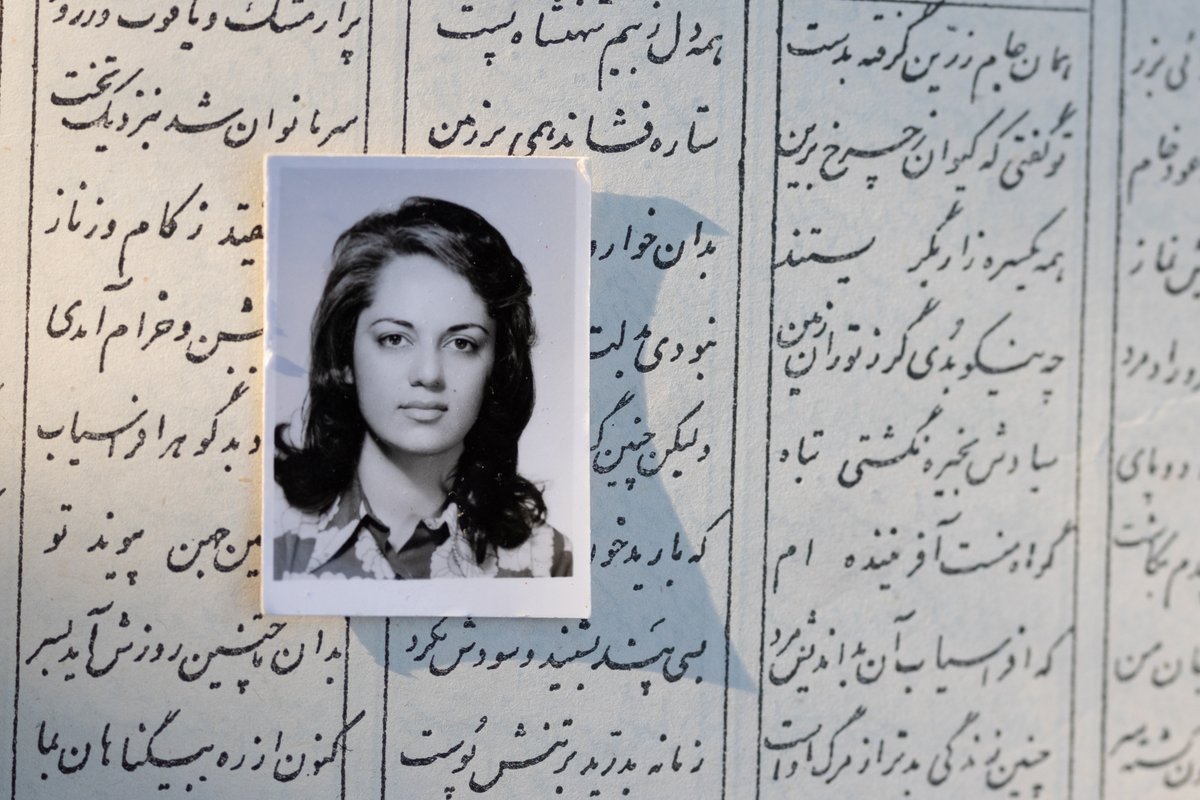
(7/54) ”In Shahnameh there’s one word that Rostam uses more than any other: Daad. Justice. Daad is a simple concept. It means that everyone gets what they deserve: both good and bad. Everyone gets a fair share. The Nahavand of my childhood was very poor. People would come to our door each day asking for a single piece of bread. It seemed unjust to me. So I decided I would not eat more than that. My mother begged and begged, but I would not do it. I decided that if I became king, every child in Iran would be given their fair share. But until then I should participate in their suffering. I had no idea how I would become king. In Shahnameh it seemed so simple. Good kings glowed with light. Their wisdom was plain for all to see. I was an optimistic child. I felt that if I could use my voice, and speak about Daad—then a path would open up before me. When I turned fifteen I went to boarding school in Tehran. It was nothing like Shahnameh. Half a million people lived there, and it was a time of great upheaval. A huge debate was being held over the nationalization of oil. The streets were filled with voices of every kind, and nobody could agree on the future of Iran. I realized that many people didn’t want the same things that I wanted, and for complicated reasons. At the end of each week I’d go to the house of a relative to pick up my allowance. His wife was the first person in Iran to have a cooking show on the radio, so sometimes I’d stay for dinner. They had a young daughter named Mitra. Her hair was cut short in the style of a famous American actor. One of her hands was crippled by polio. She was very shy about it, but it was never something I noticed. Back then most Iranian girls were modest and deferential, but not Mitra. And she argued with everyone: her friends, the help, her family, and me. One night over dinner I started speaking about the past greatness of Iran: who we were. Back in the days of Shahnameh. When I finished talking, Mitra was the first to speak. She said: ‘You talk about Iran like it’s a lion. But it’s a cat.” That was the year I discovered something new. There are love stories in Shahnameh too.”
واژهای که رستم بیش از همهی واژگان به کار میبرد: داد است. عدالت. مفهومیست ساده. بدین معنا که هر کس هر آنچه را شایستهاش هست، دریافت میکند. هم نیک و هم بد. رستم میگوید: جهان را همه سر به سر گشتهام / بسی شاه بیدادگر کُشتهام. فقر در نهاوند کودکیام زیاد بود. هر روز میشد تنی چند به خانهمان بیایند و تکه نانی درخواست کنند. غمگین بودم. بر آن شدم که برای همدردی با آنان تکه نانی بیش نخورم. مادرم بارها خواهش کرد، ولی من خودداری میکردم. میاندیشیدم که اگر شاه بودم هر کودکی در ایران به سهم عادلانهی خود میرسید. امروز تنها میتوانم در رنج آنها شریک باشم. هیچ اندیشهای دربارهی چگونگی پادشاه شدن نداشتم. در شاهنامه دنیا بسیار ساده به نظر میآمد. شاهان خوب در هالهای از نور میدرخشیدند. خردشان بر همه آشکار بود. من کودکی خوشبین بودم. بر آن بودم که اگر از عدالت بگویم، راهی پیش رویم باز خواهد شد. در پانزدهسالگی، راهی مدرسهی شبانهروزی البرز در تهران شدم. تهران شباهتی به شهرهای شاهنامه نداشت. نیم میلیون نفر در آنجا زندگی میکردند، و آن روزها هنگامهی دگرگونیهای بزرگ بود. کارزاری گسترده پیرامون ملی کردن نفت در سراسر کشور برپا بود. خیابانها پر بود از صداهای ملیها، ملیگراها و کمونیستها. روشنایی و تاریکی درهم آمیخته بودند. به دلایلی پیچیده بسیاری از مردم با آرمانهای من همراه نبودند. پایان هر هفته، به خانهی یکی از خویشان میرفتم تا کمک هزینهی هفتگیام را دریافت کنم. همسرش نخستین زنی بود که در ایران برنامهی آموزش آشپزی رادیویی داشت، گاهی برای شام میماندم. دختر نوجوانی داشتند به نام میترا. موهایش را مانند یک بازیگر مشهور آمریکایی کوتاه کرده بود. دست چپش به دلیل بیماری فلج اطفال اندکی ناکار بود. میکوشید آنرا بپوشاند. من آنرا نادیده میگرفتم، به نگاه من چیزی از ارزشهای او نمیکاست.در آن زمان بیشتر دختران ایرانی سربهزیر و خجالتی بودند، ولی میترا اینگونه نبود. او با همه بحث میکرد: با دوستانش، با خدمتکاران، خانوادهاش و من. شبی هنگام شام، از بزرگیهای ایران باستان گفتم. و اینکه در روزگار شاهنامه چه بودهایم. و چگونه میتوانیم دوباره آن بزرگیها را بازیابیم. پس از سخنانم، میترا پیش از همه چنین گفت: «تو از ایران به مانند شیری سخن میگویی. ولی ایران گربهای بیش نیست.» در همان سال بود که حس تازهای در من جان میگرفت. شاهنامه داستانهای عاشقانه هم دارد
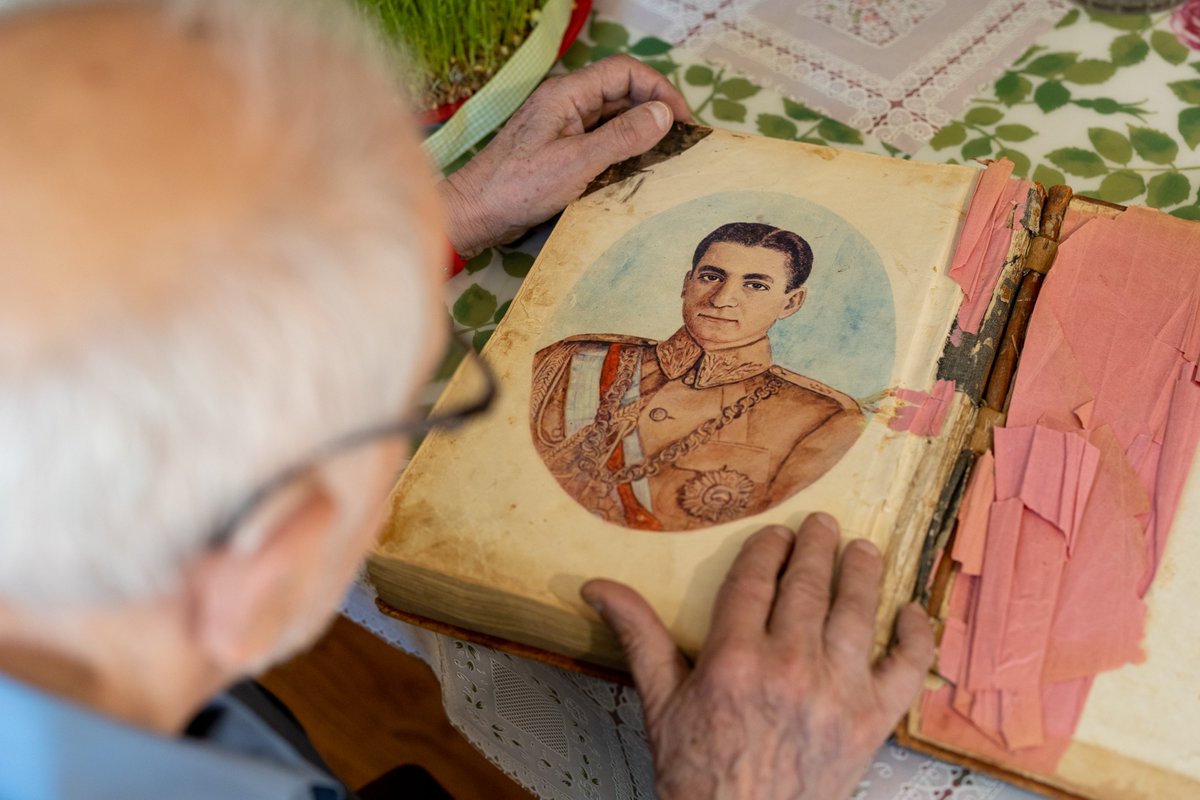
(6/54) “One New Year our whole family took a bus to Qom— one of the holiest cities in Iran. When we arrived in the city it was like stepping back in time. This was a different kind of Islam. It wasn’t my father’s. It wasn’t even my mother’s. It was an Islam from fourteen hundred years ago. The bookstores only stocked religious books. There were no radios, no music. My nine-year-old sister tried to buy some glass bracelets at the bazaar, but the shopkeeper wouldn’t serve her. Because she wasn’t wearing a hijab. When he turned his back I broke the bracelets against the table. In the afternoon I was given time to explore on my own. I remember I was wearing long pants. I’d never worn long pants before, so I felt like a man. I made my way to the biggest shrine in the city. There was a huge crowd for the holiday. As I pushed my way through, the crowd began to sway and move. People began to shout all around me. Hats were thrown in the air. I couldn’t see what was happening, even when I stood on the tips of my toes. But suddenly the crowd began to part. If I’d been one step further back, it would never have happened. But a path opened up in front of me. And there he was. I’d seen his portrait every day of my life on the inside cover of my Shahnameh: Mohammed Reza. The king of Iran. The shah. He was not yet the famous Shah that he’d one day become. At the time he was still a young man. But on that day he seemed to me like one of the great kings of Shahnameh. I was a shy child, but something came over me. I broke free from the crowd and began to follow him. He took off his shoes, I took off my shoes. He entered the shrine, I entered the shrine. This was my chance. I’d never been so close to a king. I knew I had to do something, so I reached out. And I touched his coat. I touched the coat of a king. That night when I came home I looked at myself in the mirror. Ferdowsi describes Rostam as having the height of a cypress. And arms that could rip rocks from the side of a cliff. I took one look at my scraggly body, and decided I was much too skinny to be a knight. But my garden was the best, it was plain for all to see. So I decided I would become the shah of Iran.”
یک سال برای نوروز، همراه خانواده با اتوبوس به قم رفتیم - یکی از دو شهر مهم مذهبی ایران. هنگامی که به قم رسیدیم، انگار به گذشتههای دور بازگشته باشیم. گونهی دیگری از اسلام بود. اسلام پدرم نبود. اسلام مادرم هم نبود. اسلام هزار و چند سد سال پیش بود. کتابفروشیها تنها کتابهای دینی داشتند. موسیقی نبود. خواهر کوچکم میخواست چند تا دستبند شیشهای ارزان از بازار بخرد، ولی فروشنده از فروش به او خودداری کرد، چون حجاب نداشت. پس از اینکه فروشنده پشتش را به ما کرد دستبند را روی میز انداختم و شکست. بعد از ظهر آن روز اجازه گرفتم به تنهایی شهر را بگردم. به یاد دارم که شلوار بلند پوشیده بودم. پیش از این شلوار بلند نپوشیده بودم و احساس مردانگی میکردم. راه حرم را پیش گرفتم. انبوه مردم برای تعطیلات نوروزی در حرم گرد آمده بودند. به دشواری وارد صحن شدم، ناگهان تکاپویی میان مردم افتاد، جا به جا شدند. دور و بریهایم هورا میکشیدند. کلاههایی به هوا پرتاب میشد. روی نوک پاهایم ایستادم، در کلاس در شمار کوتاهقدها بودم، نمیتوانستم ببینم چه رخ داده است. ناگهان مردم از هم جدا شدند. اگر تنها یک گام عقبتر میبودم چیزی برایم رخ نمیداد. مسیری در برابرم باز شد. او آنجا بود. چهرهاش را هر روز در داخل جلد شاهنامهام میدیدم: محمدرضا شاه پهلوی، پادشاه ایران از کنارم گذشت. هنوز شاه پرآوازهای که در آینده شد، نبود. در آن هنگام او مردی جوان بود. ولی در آن روز او برایم مانند یکی از شاهان شاهنامه بود. من که همیشه کودکی خجالتی بودم، ناخودآگاه، در یک آن از جمعیت جدا شدم و او را دنبال کردم. کفشهای خود را درآورد، من هم کفشهایم را درآوردم. وارد آستانهی حرم شد، دنبالش کردم. کودک خجالتی برای دقیقهای چند از پوستهی همیشگی خود درآمده بود. میبایست کاری انجام میدادم که ارزش تعریف کردن داشته باشد، پس دستم را دراز کردم و پایین کتش را یکدم با دو انگشت گرفتم و رها کردم. سپس با شتاب به خانه برگشتم تا این پیشآمد را برای همه تعریف کنم. خود را در آینه نگاه کردم. فردوسی رستم را پیلتن مینامد، با چنگی که سنگ خارا را موم میکند. اگر سنگ خارا به چنگ آیدش / شود موم و از موم ننگ آیدش. نگاهی به خود انداختم و دانستم که بسیار لاغرتر از آنم که بتوانم پهلوان شوم. ولی باغچهام بهترین باغچه بود، زیباییاش بر همگان آشکار. آرزوی شاه شدن برآوردنیتر مینمود
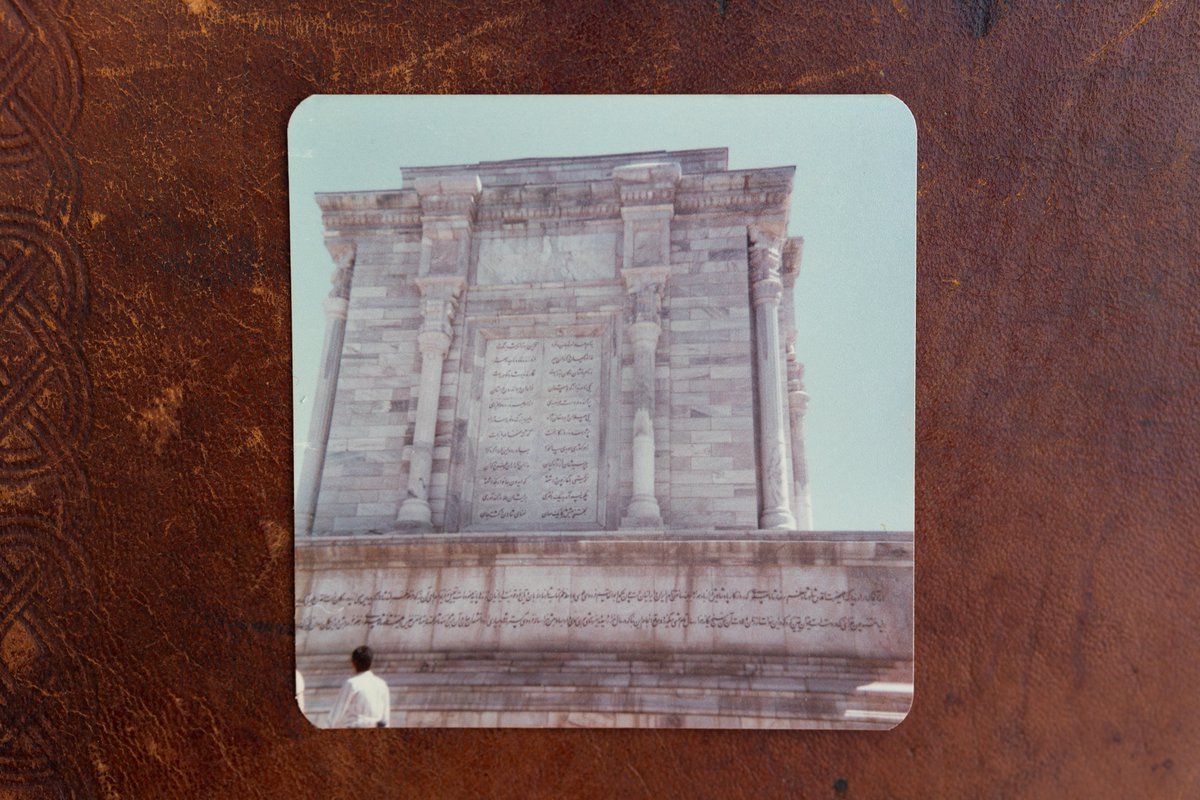
(5/54) “The meaning of our most important words I learned from my mother. Rasti: Truth. I never heard her tell a lie. Neeki: Goodness. I never heard her gossip. And Mehr: Love. We were three brothers and five sisters, but she loved us all equally. There were no assigned places at our dinner table. Everyone got their desired portion. While we ate our father would encourage us to debate the events of the day. No topic was off limits: history, politics, even the existence of God. And everyone was encouraged to use their voice. One weekend my father drove us all to visit Ferdowsi’s tomb in the city of Tus. It’s a large tomb. It’s modeled after the tomb of Cyrus The Great. On its face is etched the first line of Shahnameh. The master verse. The cornerstone: ‘In the Name of the God of Soul and Wisdom.’ Jaan and Kherad. Soul and Wisdom. The two things that all humans have. With the opening line Ferdowsi does away with all castes and classes. He does away with all religion. He gives everyone a direct connection to the creator. As a young boy I’d memorized hundreds of verses. One of my favorite stories in Shahnameh is when Rostam selects his horse. Rakhsh is the only horse in Iran that can carry Rostam’s weight. Rakhsh has the body of a mammoth. But he's wild, he foams at the mouth. Rostam has to fight to tame him. I was a shy child. But something happens when I read Shahnameh. There’s an epic cadence. The words demand to be spoken. It’s like touching a hot stove. I feel the heat, I feel the pressure. It’s like a sword pierces my body and I have to let it out: ‘Rakhsh roared beneath Rostam!’ The neighbors would come running to their balconies to watch. Every region in Iran has its own dialect, and I could switch between them. The language is ancient, so I didn’t know the meaning of every word. But I could feel the music. When I mispronounced a word, I knew. As if I’d played a wrong chord. I could almost tell what he wanted. I could almost hear the voice of Ferdowsi himself.”
(2/54) “I couldn’t find it anywhere. Even on the streets of Tehran—it was nowhere to be seen. The Iran I knew was gone. Everywhere I turned it was nothing but black: black cloaks, black shrouds. The universities were closed, the libraries were closed. Our poets, our singers, our authors, our teachers: one-by-one they were silenced. Until Iran only survived inside our homes. I never planned to leave. I didn’t even have a passport. Twenty years earlier I’d sworn an oath to The Siren: every choice I made, I’d make for Iran. But The Siren was dead. They shredded his heart with bullets. And there was only one choice left: leave and live, or stay and die. It was an eight-hour drive to the Turkish border. Mitra came with me. We rode in silence the entire way. I’ve always wondered how things would have turned out differently if we’d been more aligned. She wanted our lives to be a love story. A surreal romantic journey. She wanted a life of togetherness, surrounded by beauty. For me life was meant to be lived in the pursuit of ideals: truth, justice, freedom. Even if that meant the ultimate sacrifice. We kissed goodbye in the border town of Salmas. In the main square stood a statue of Iran’s greatest poet: Abolqasem Ferdowsi. On that day it was still standing. Soon the regime would tear it down. I spent the night in the house of a powerful family who was known to oppose the regime. Their servants stood around the house with machine guns on their shoulders. Six months later they’d all be dead. On my final morning in Iran I woke with the sun. I knelt on the floor and prayed. The final journey was made on foot. It was six miles to the border, the road climbed through the mountains. It was a closed border; so the road was empty. Every step felt like death. I’ve never cried so many tears. Ferdowsi once wrote: ‘A man cannot escape what is written.’ I’ve always hated that quote. I hate the idea of destiny. There is always a role for us to play. There is always a choice to be made. But on that day it felt like destiny, a river flowing in one direction. And I was a leaf, floating on top. Away from where I wanted to go.”
آن را نمییافتم. حتا در خیابانهای تهران - در هیچ جای دیگر هم نبود. ایرانی که من میشناختم، رفته بود. به هر سو نگاه میکردم تنها سیاهی بود: عباهای سیاه، چادرهای سیاه. دانشگاهها را بسته بودند، کتابخانهها بسته بودند. شاعرانمان، هنرمندانمان، نویسندگانمان، آموزگارانمان - همه را یک به یک خاموش کرده بودند. ایران تنها درون خانههامان زندگی میکرد. من هرگز قصد رفتن نداشتم. من حتا گذرنامه هم نداشتم. بیش از بیست سال پیش در نیروی آژیر سوگند یاد کرده بودم: همهی اندیشه و توانم، برای ایران خواهد بود. ولی آژیر را کشته بودند. قلبی را که هر تپشش برای ایران بود با گلوله سوراخ کرده بودند. و تنها یک گزینه مانده بود: رفتن و زنده ماندن، یا ماندن و مردن. تا مرز ترکیه نزدیک به هشت ساعت رانندگی بود. میترا با من همراه شد. سراسر راه را در خاموشی گذراندیم. همواره کنجکاو بودهام که سرنوشت ما چگونه میشد اگر ما همآهنگتر میبودیم. او همواره میخواست که زندگیمان سفری رؤیایی و عاشقانه باشد. همراهی در زیبایی. ولی زندگی برای من مسئولیتی جدی بود. میبایستی آرمانخواهانه برای رسیدن به راستی، داد و آزادی زندگی کرد. در شهر سلماس با بوسهای همدیگر را بدرود گفتیم. در میدان اصلی شهر تندیسی از بزرگترین شاعر ایران بر پا بود: ابوالقاسم فردوسی، پیر پردیسی من. آن روز تندیس هنوز برپا بود. دیری نپایید که رژیم آن را ویران کرد. شب را در خانهی خانوادهای پرنفوذ که به مخالفت با رژیم شناخته میشد، سپری کردم. خدمتکاران آنها مسلسل بر دوش خانه را پاسبانی میکردند. شش ماه پس از آن دیدار بسیاری از آنها را نیز کشتند. در واپسین بامدادم در ایران با سپیدهدم بیدار شدم و نماز خواندم. واپسین بخش راه را پیاده رفتم. تا مرز دو فرسنگ راه بود. راه از میان کوهستان میگذشت. مرز بسته بود، گذرگاه هم تهی بود. هر گامی سخت بود و اشکم جاری. فردوسی چنین میگوید:
بکوشیم و از کوشش ما چه سود
کز آغاز بود آن چه بایست بود
همواره از این گفته بیزار بودهام. از مفهوم سرنوشت بیزارم. هرگز نپذیرفتهام که سرنوشت از پیش نوشته شده باشد. همیشه گزینش و انتخابی هست. ولی آن روز سرنوشت من چون رودخانهای به یک سو روان بود. و من چون برگی شناور بر آب. دور از جایی که آهنگ رفتنم بود