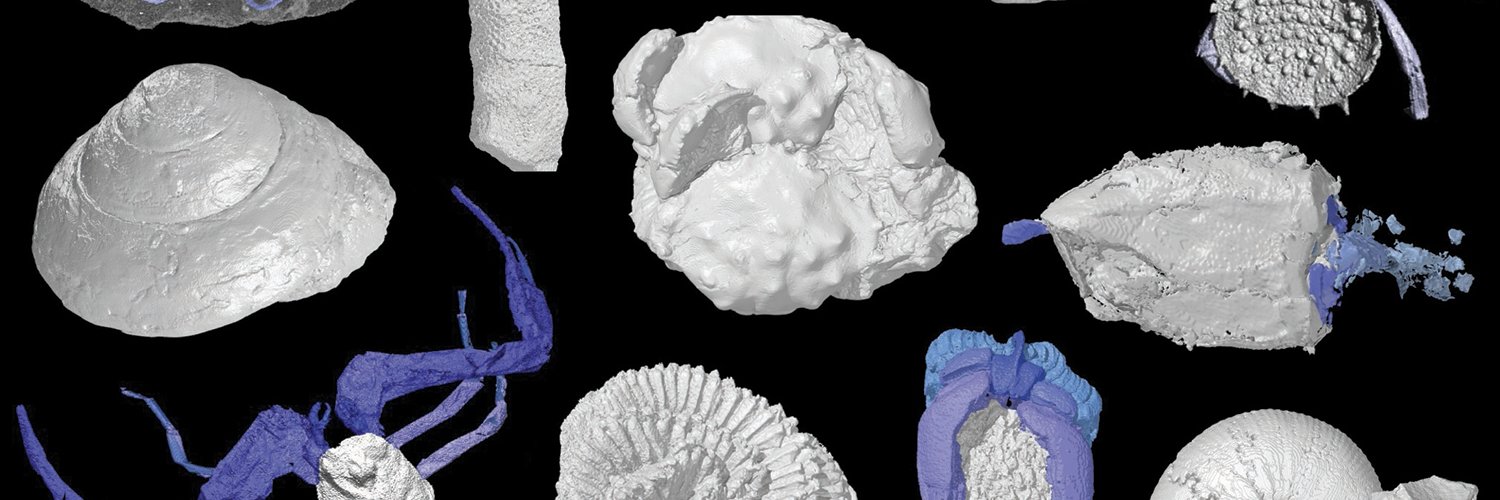
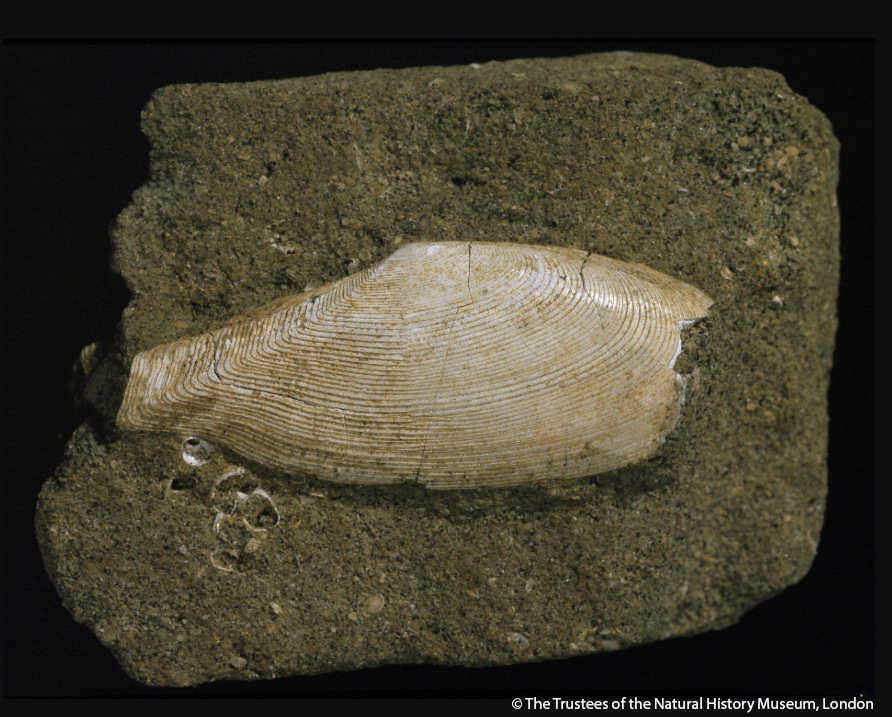
Sorry #Arthropods, new research shows Molluscs could have been the first animals on land.
@ZekunWang3, @VirtualPalaeo and team analysed 500 million year old fossils that suggest these pioneers were exposed to air for over 15 minutes.
#FossilFriday
https://t.co/Zl5OzF79r7
🌱 Announcing TREES! 🌍 The NERC-funded Doctoral Landscape Award led by UCL & partners will train future environmental scientists through interdisciplinary research and a commitment to EDI & sustainability.
🔗 Learn more: https://t.co/hydHgMWfI7
JOB! The Division of Paleontology at the @AMNH seeks an Assistant Curator of Invertebrate Paleontology to start on or after 1st July 2025. For more information see the website:
https://t.co/4xroKWfsNQ
Before the first permanent colonization of land by arthropods, molluscs made early terrestrial trips lasting at least 15 minutes: https://t.co/G0OHHnoyB6 #ProcB@VirtualPalaeo @the_palaeoninja
@nichnos @ZekunWang3
Before the first permanent colonization of land by arthropods, molluscs made early terrestrial trips lasting at least 15 minutes: https://t.co/G0OHHnoyB6 #ProcB
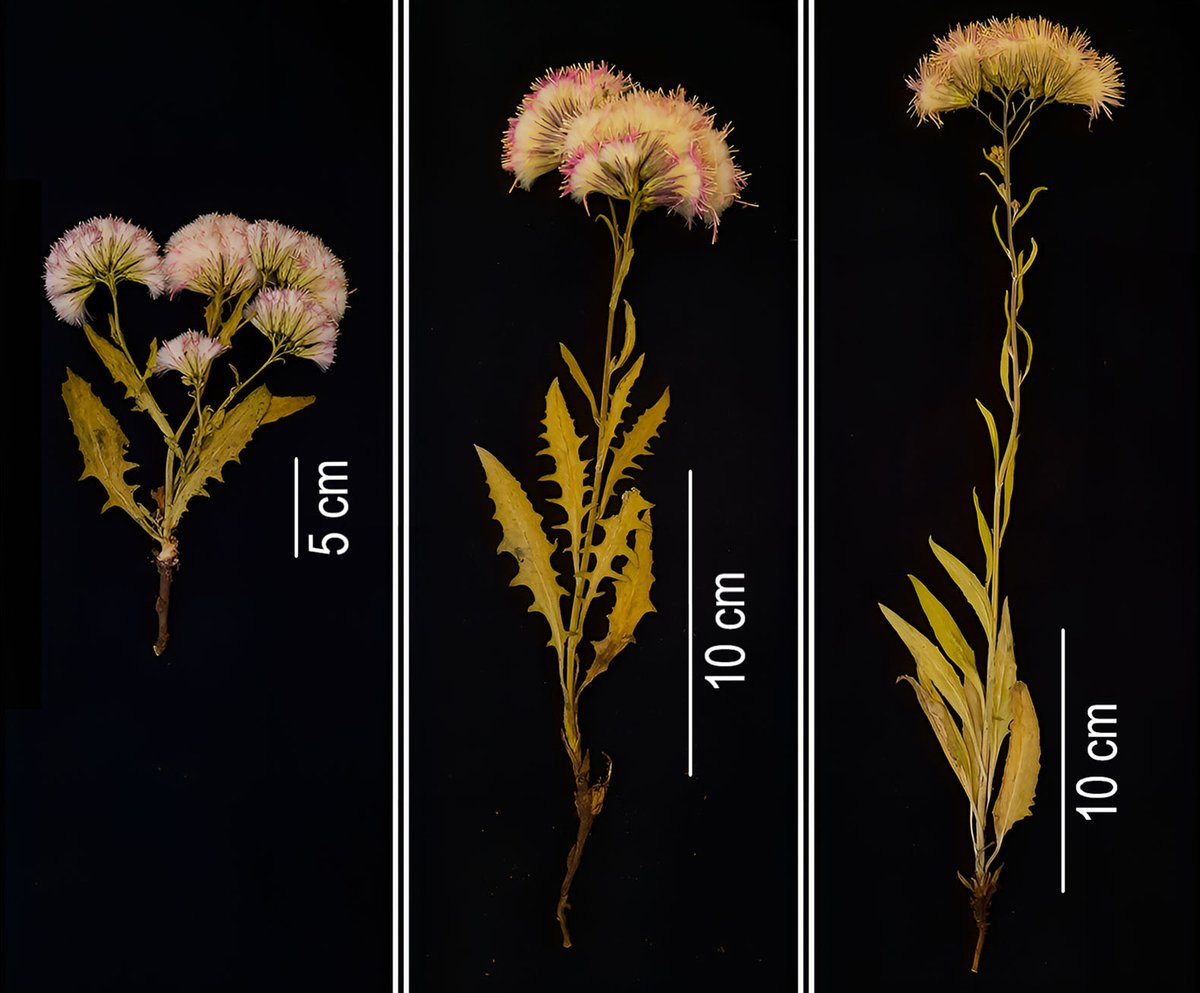
Last week we published Pyak & Yusupovsky's article 🌱'Molecular evidence of natural hybridization among Saussurea species (Asteraceae, Cardueae) with the description of two new taxa from the Altai Mountains' 🌼
Also published in October, this Gehyra corona foot in an article by Fred Kraus, Varpu Vahtera & Valter Weijola: 'A new insular species of Gehyra (Squamata:
Gekkonidae) from Papua New Guinea closely
related to Gehyra oceanica' 🦎👣
As an international, peer-reviewed life science journal based at The Natural History Museum, London, our publications aim to document the diversity of living organisms through systematics papers that cover broad contexts and address topical issues in biological sciences.
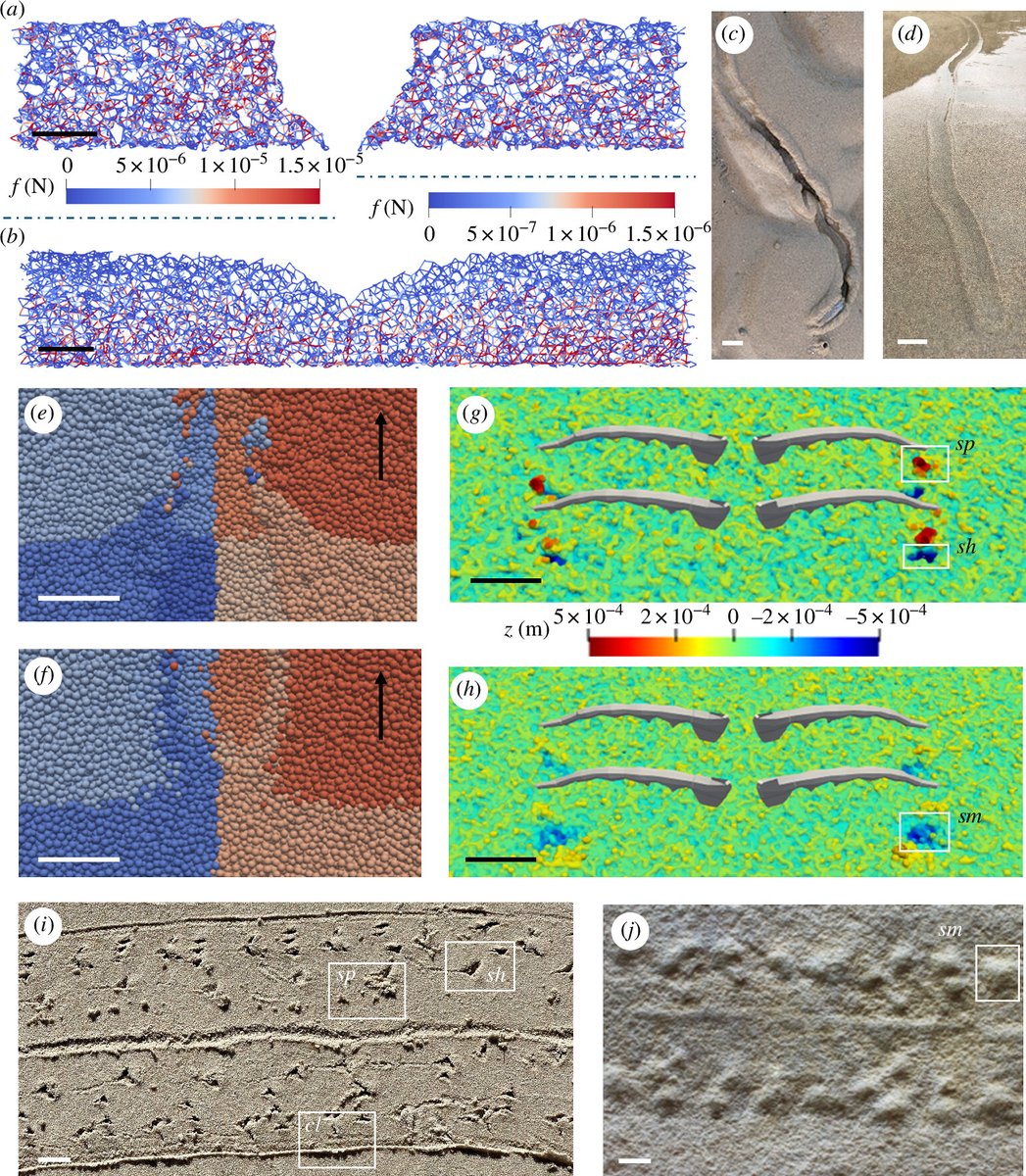
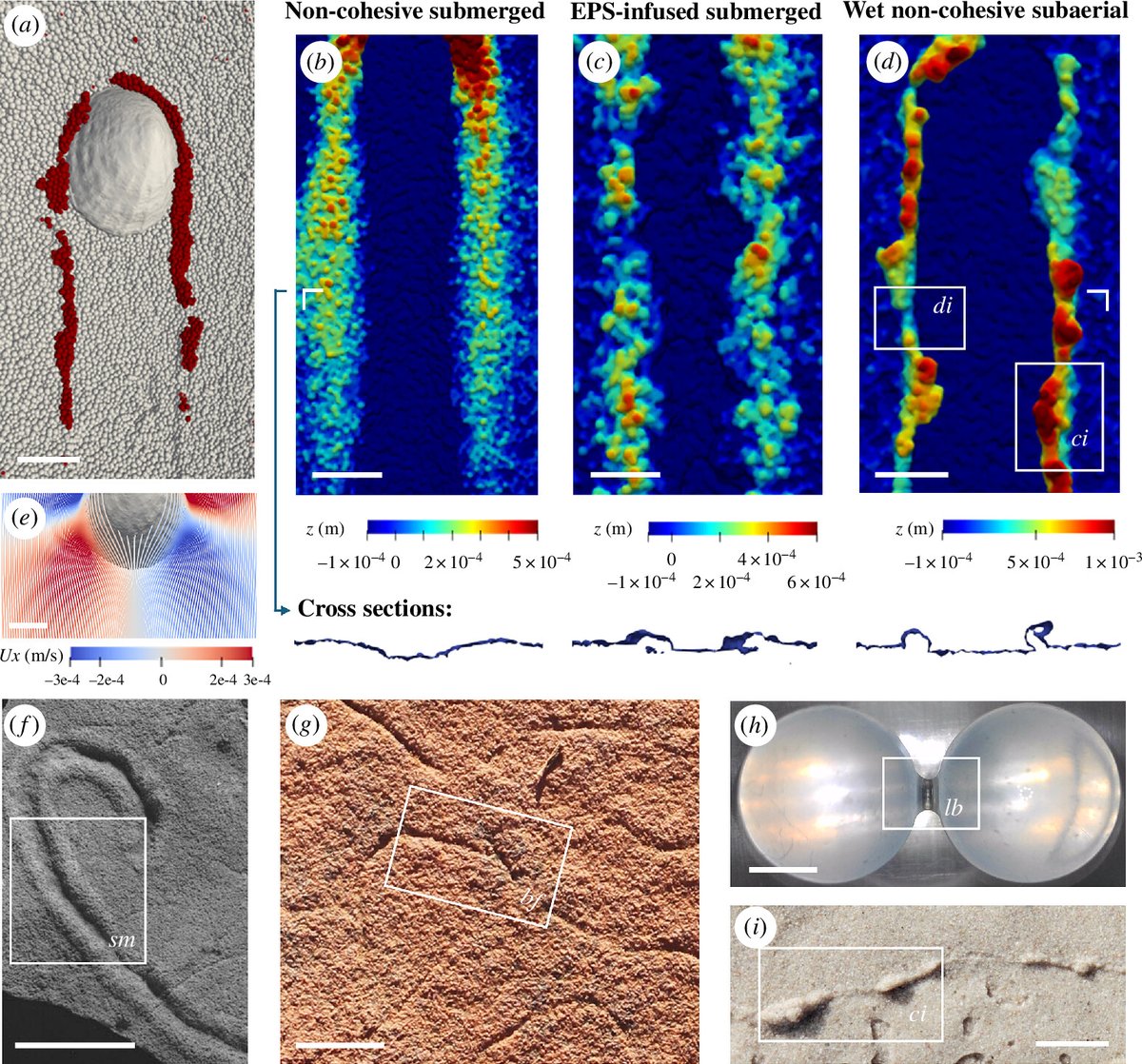
Very pleased to share our latest @NHM_Science paper in @RSocPublishing on simulating the formation of trace fossils, with applications for the colonization of land by animals. Led by @ZekunWang3 with Neil Davies, @the_palaeoninja and @nichnos https://t.co/Ayap8smcTX
Excited to share our latest findings @NHM_Science! Using CFD-DEM, we modeled trace formation in various environments and identified subaerial morphological instabilities, frequency anlyses suggest mollusc-like pioneers from Cambrian ventured on land first!
https://t.co/9D1szwMd3U
Our new paper on #AI for evolutionary morphology is out @ICB_journal! This massive team effort covers the history of AI for studying morphology, reviews new tools, provides many case studies & a prospectus for using AI to progress diverse topics in evolutionary morphology.
Interested in animal phylogenetics? Join us Fri NOV 1st 6PM, at the @LinneanSociety for our Founders' Lecture!
Prof. Max Telford (@TelfordLab), UCL, will be talking to us on: 'Are we really more closely related to starfish than to earthworms?'
Register: https://t.co/IY13TiYmqz
New review paper on using AI to analyse Evolutionary Morphology is officially out! Was great to part of a large collaborative team writing this.
https://t.co/2gRSHAxpey
Thrilled to see our work on Tribrachidium simulations published! Proud to have contributed a new coupled Computational Fluid Dynamic-Discrete Element Method technique to quantify the trajectories of real food particles over this organism: https://t.co/eFlEx0rJuQ
Recently published, Open Access🔓, in JSP: The anatomy and taxonomy of the North African Early Miocene crocodylian ‘Tomistoma’ dowsoni and the phylogenetic relationships of gavialoids https://t.co/5hbRBeV8W0
Another year, another montage of the fun things I've got up to as a curator at the NHM! A very busy and sometimes challenging year, but looking after a world-class collection and working with some inspiring people continues to be a fantastic privilege 😊
📢Only four days left to apply for this position as full-time Documentation and Access Assistant at @SedgwickMuseum
⌛️Application deadline: October 20th
More information below 👇