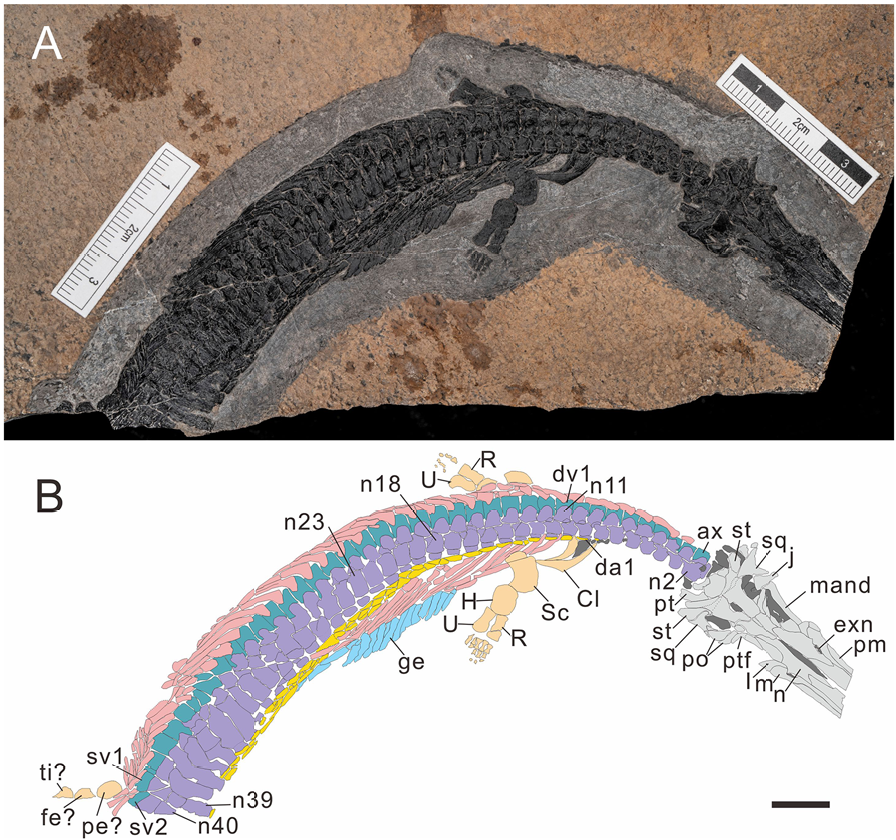
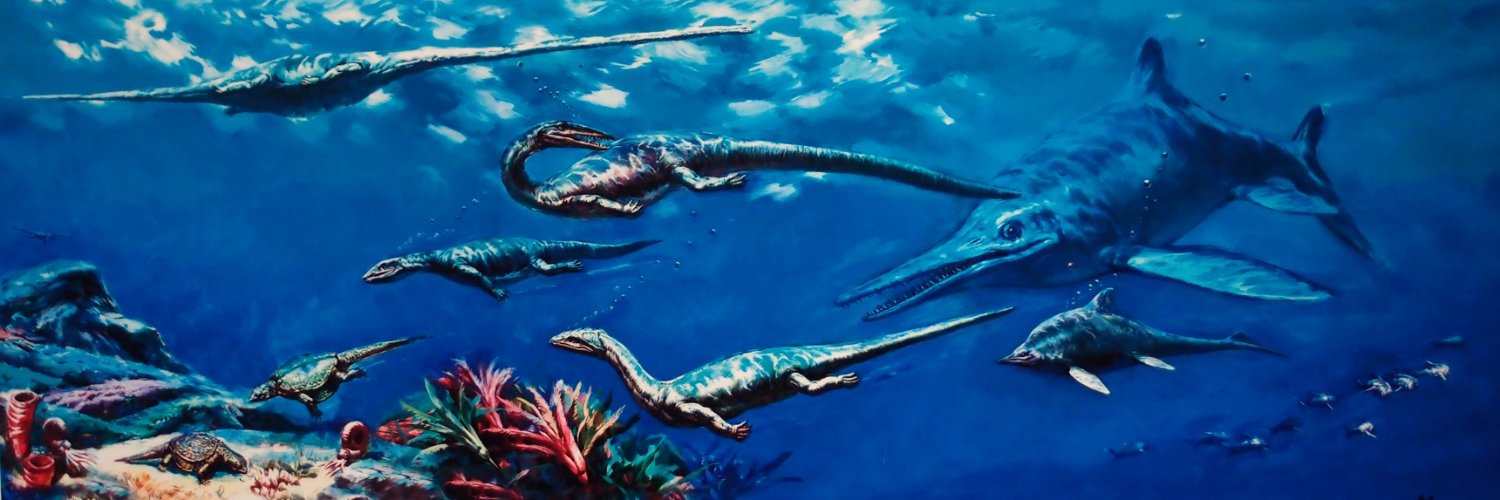
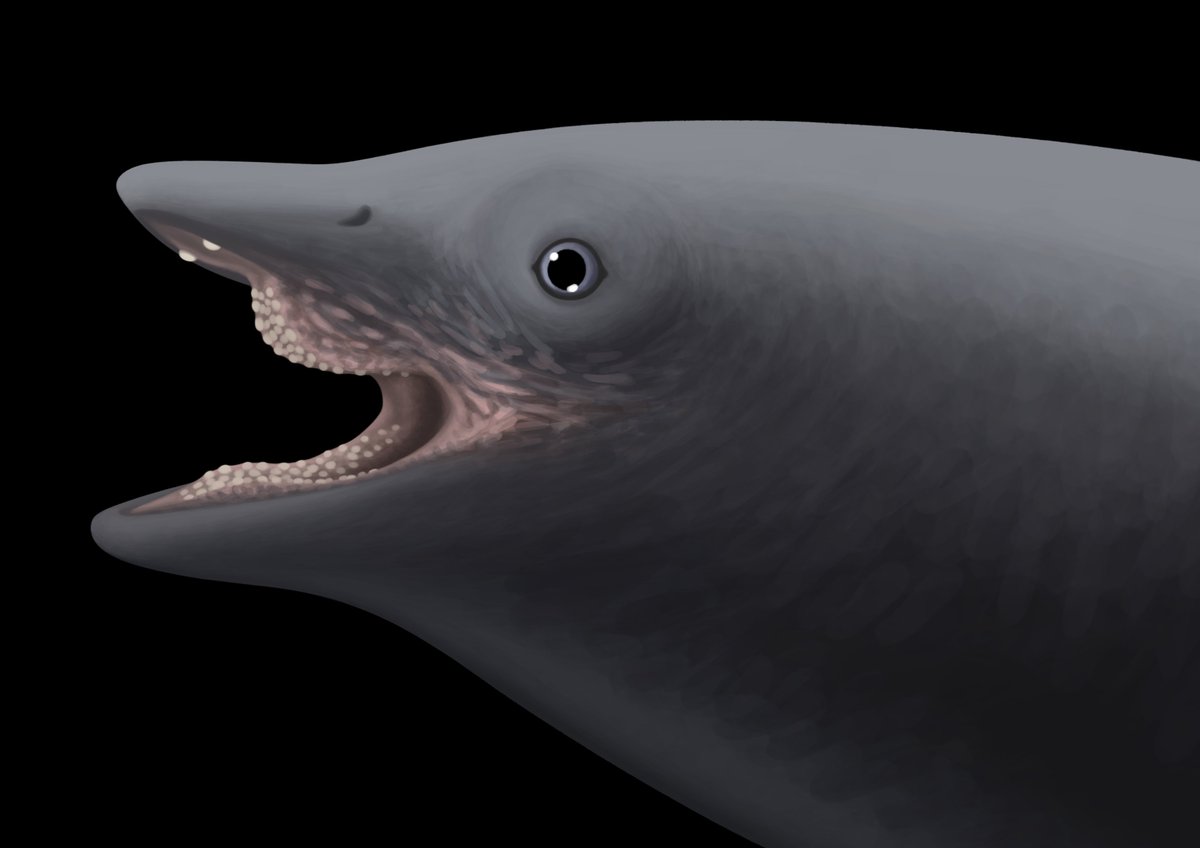
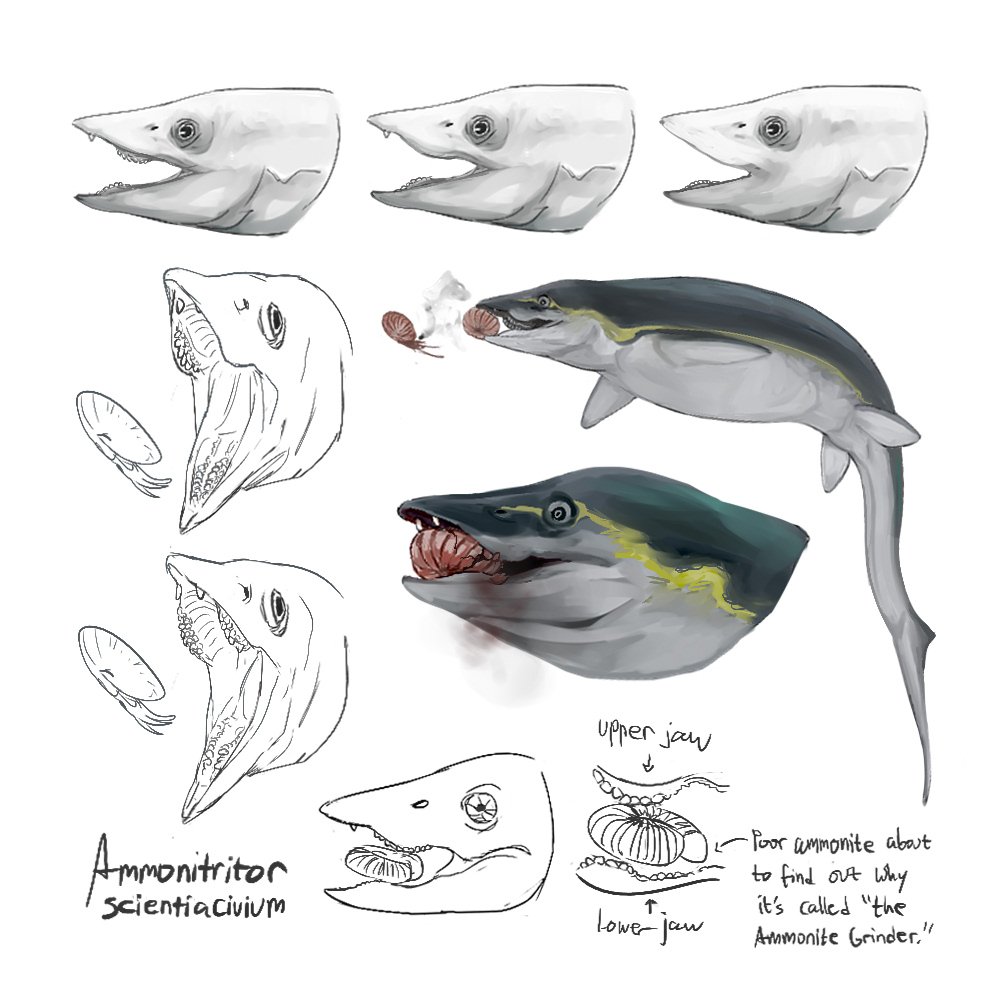
Welcome Ammonitritor scientacivium, a new Early Triassic omphalosaurid from Svalbard! 🤩 The new skull confirms omphalosaurids were a group of specialised pelagic ichthyosauriforms that likely fed on ammonoids. New paper is out now in Biological Reviews! https://t.co/zJduAsSFs6
Importance of paleo perspective on biogeography, cool paper!: The present does not reflect the past: geographic mismatches between fossil and modern records are widespread across the tree of life https://t.co/BJflnyx1sM @ErinSaupe
Our new paper is out!
I’m happy to share that our latest research on giant salamanders has been published in Journal of Anatomy!
In this study, we investigated how hybrids between native Japanese giant salamanders and introduced Chinese giant salamanders capture their prey.
Using high-speed cameras, we found that these hybrids retain a fascinating feeding mechanism called suction feeding—they rapidly open their mouths and suck in water along with their prey!
The video below was recorded during our experiments with giant salamanders housed in my laboratory.
Check out our paper here:
https://t.co/Yz0E3EEjf8
#GiantSalamander #Herpetology #JournalOfAnatomy
🚨NEW STUDY DROP🚨
NEW BORB - M. rokusi
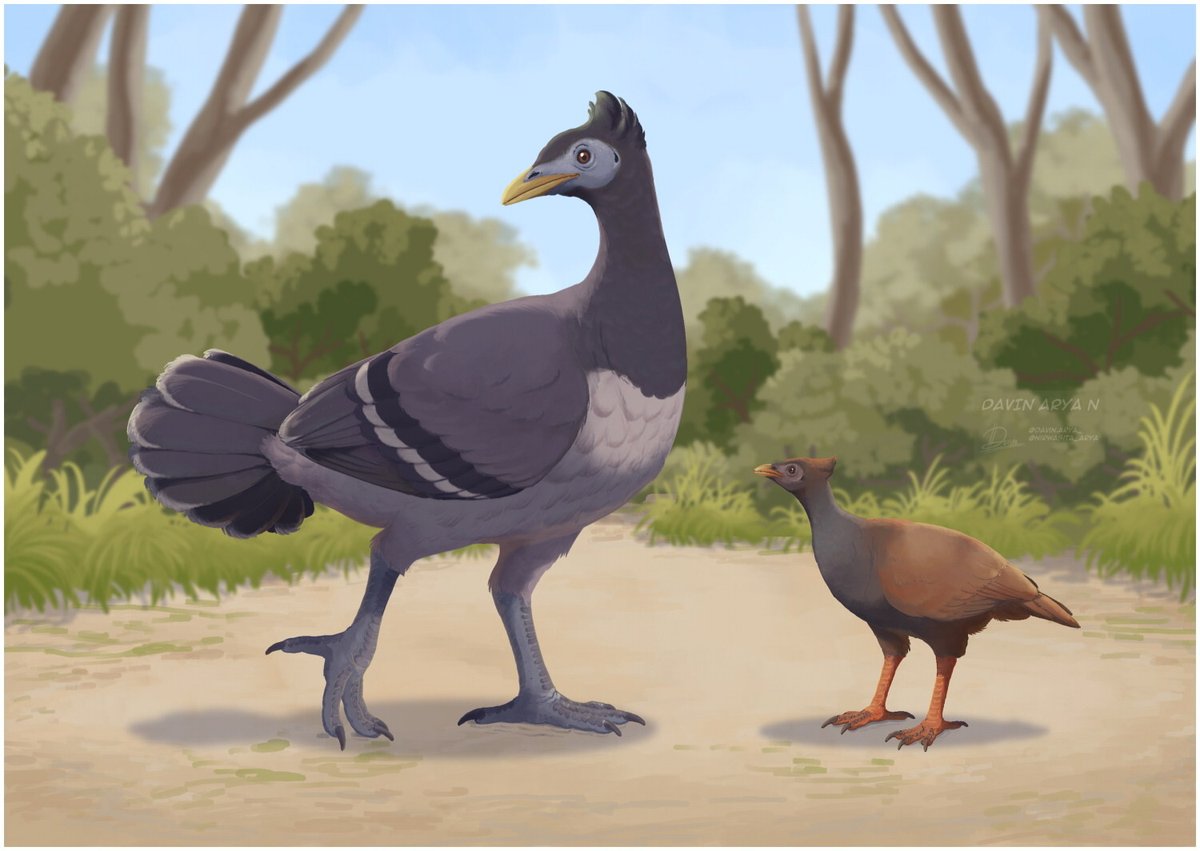
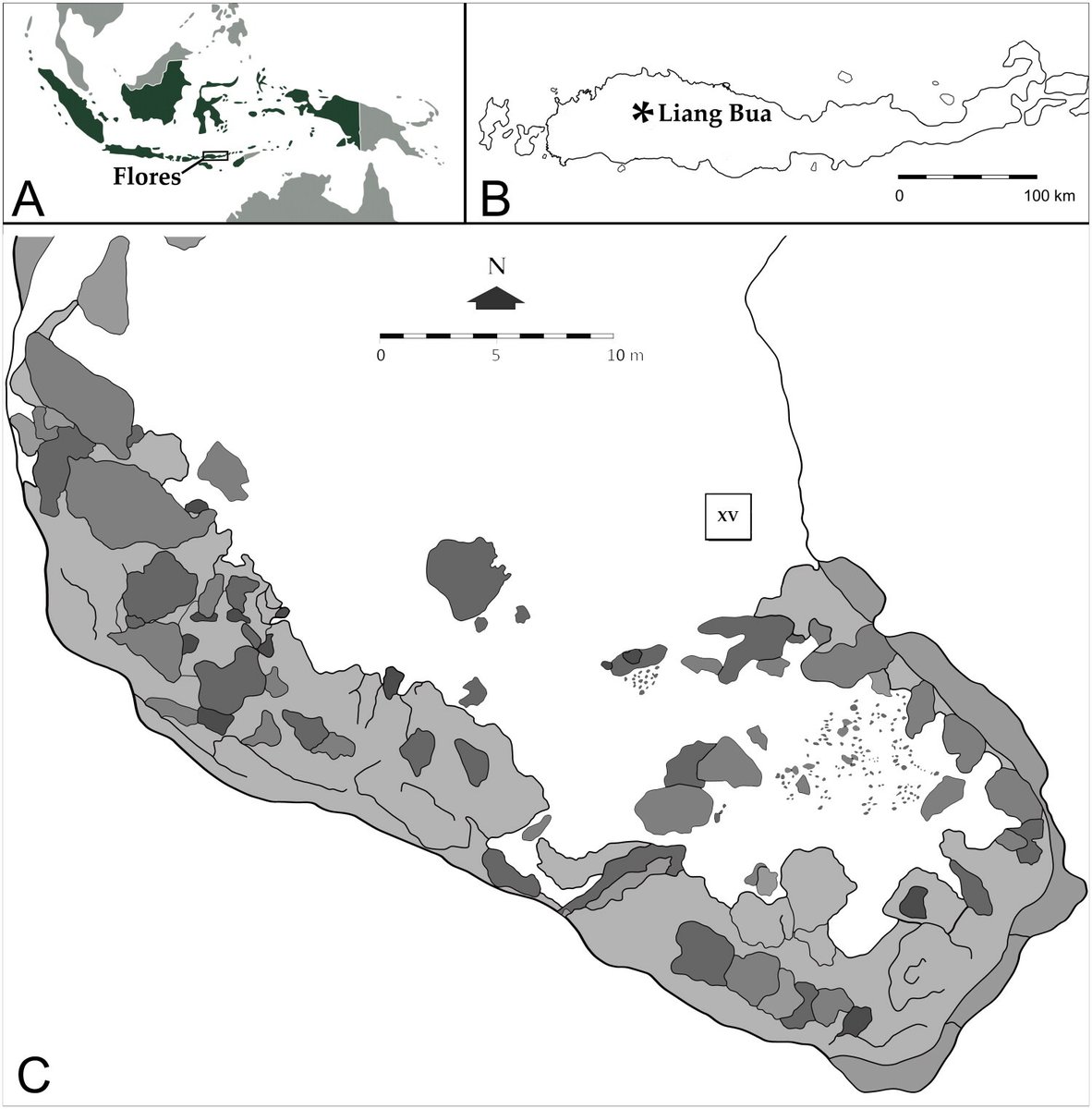
A new species of Megapode bird has been described from leg bones found in Pleistocene deposits from the island of Flores! It's now the largest known Megapodius species, at 3.9kg!
🎨: @nirwasita_arya
Ammonitritor, a new member of the Omphalosauridae family that lived in Svalbard 250 million years ago—shortly after the Permian-Triassic extinction—possessed a rather peculiar set of teeth, which it is believed to have used to crush cephalopods.
Happy to share our new @ScienceAdvances paper on 250 Myr of crocodile-line archosaur macroevolution and climate! 🐊☄️ #croctober 1/6
🔗 https://t.co/O4UhX2JFpI
Artwork: @d_bonadonna 🧵
Metabolic features of enantiornithines (Avialae: Ornithothoraces): evidence supporting a semi-precocial/precocial developmental trajectory https://t.co/oqORsyXV90
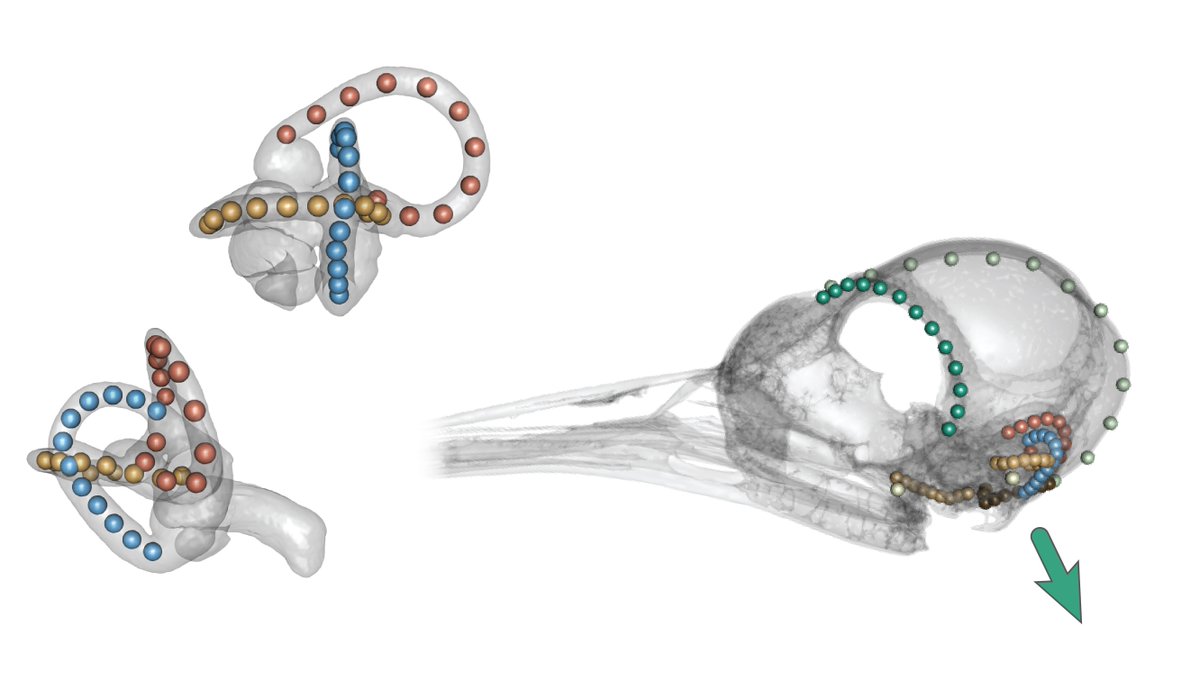
As dinosaurs evolved into birds, their ear canals changed shape, which was thought to be an adaptation for flight. A study finds that the avian inner ear may have instead been shaped by the reorientation of the skull–neck joint. In PNAS: https://t.co/zcfqcB5RqQ
Jeżeli połączymy wypowiedzi prof. Mróz-Gorgoń o 20 latach cięzkiej pracy naukowej z wizjami Ministry Zioło-Pużuk i informacjami o 150 mln wydanych na MDPI to konkluzja jest oczywista: nie ma dla polskiej nauki ratunku, trzeba zachęcać młodych do wyjazdu żeby się nie zmarnowali.
Palaeontology: Flightless Jurassic bird reveals early diversity
https://t.co/pksCOpO5RK
@Nature paper by Min Wang et al.
Jurassic flightless bird reveals early ecological diversity of avialans
https://t.co/Y7wvz3qqMJ
For reading: https://t.co/l1HjC3xT5l
@CAS__Science
Primeira ocorrência de um dinossauro herrerassaurídeo em uma fauna dominada por cinodontes do Triássico Tardio do Brasil https://t.co/ad2m126cYB
🎨: Johnny Pauly V. Mingau
How does Jonathan, the world’s oldest terrestrial animal at 194 years young, defy aging?
Researchers in @ScienceAdvances sequenced the Aldabra giant tortoise’s genome to discover possible molecular factors related to his remarkable longevity. https://t.co/XL64svAJyn
🚨NEW STUDY DROP🚨
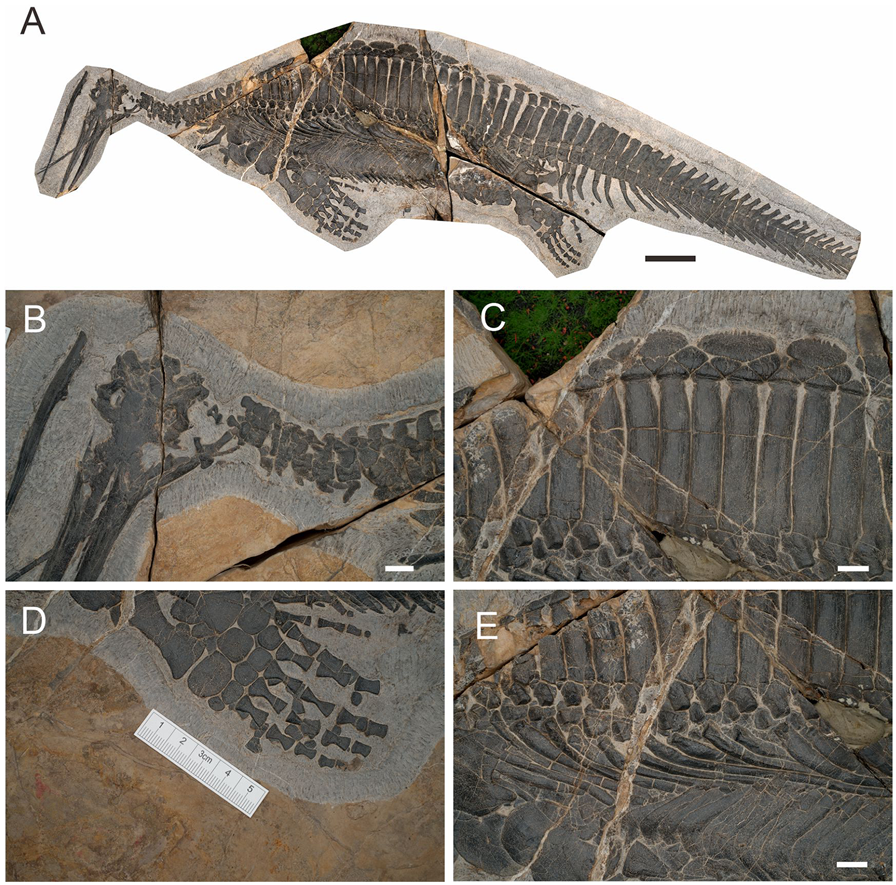
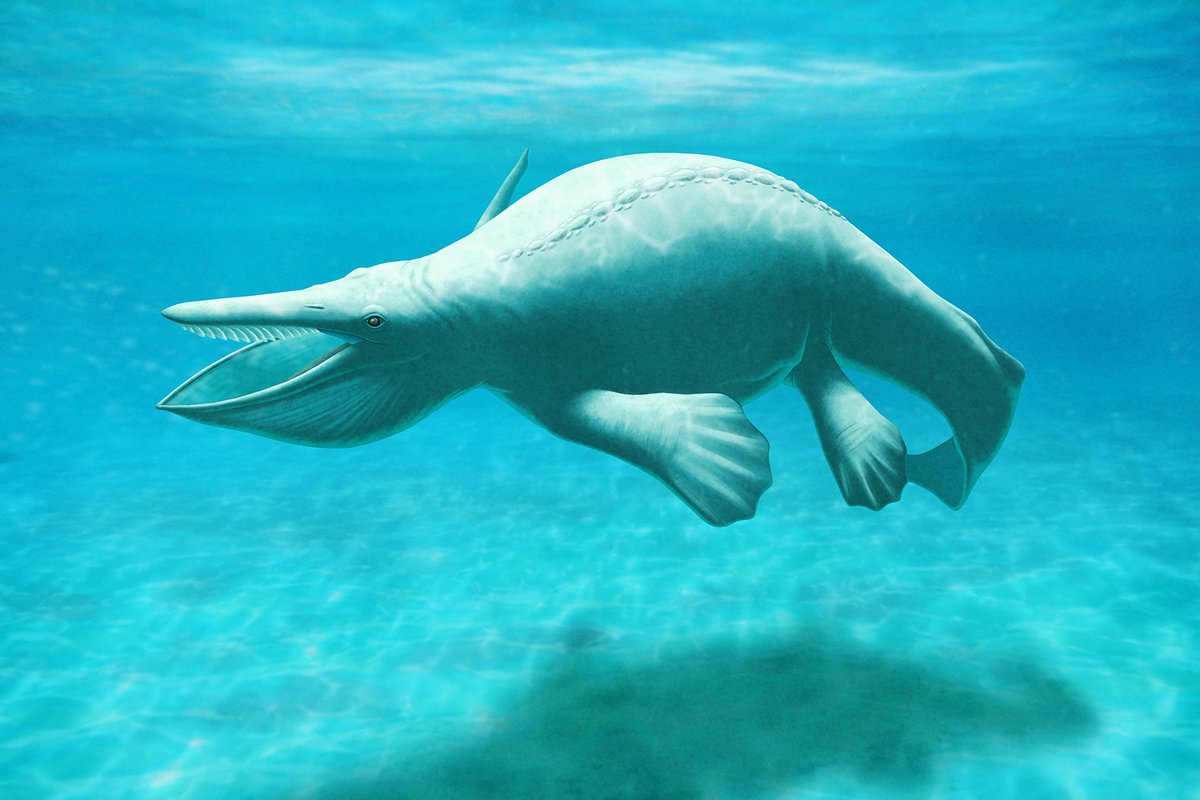
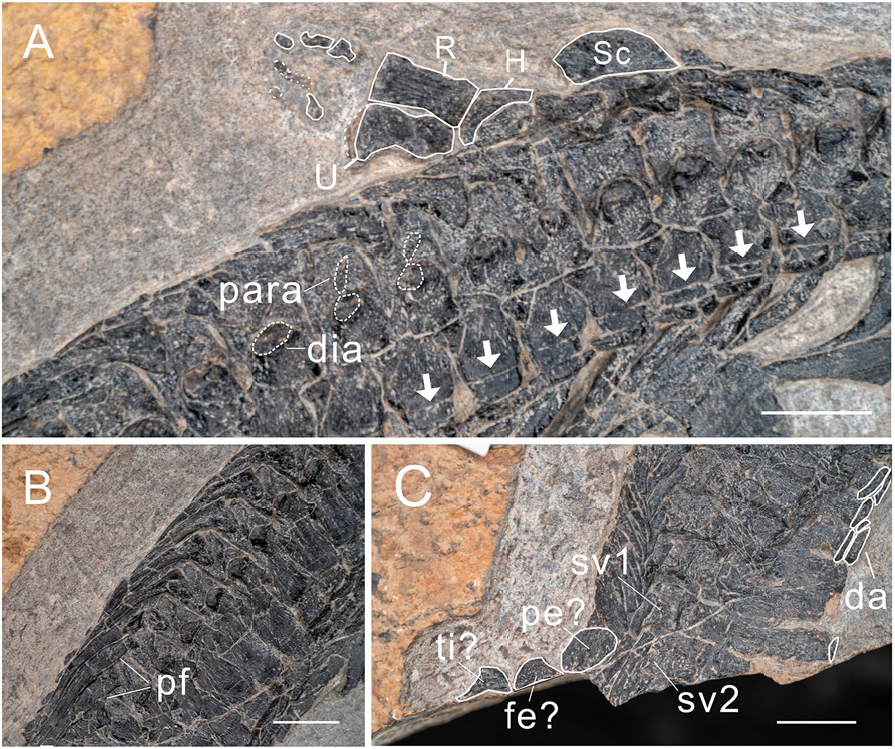
A new juvenile specimen of Hupehsuchus, a marine reptile related to ichthyosaurs with a platypus snout and "baleen" teeth, has been described from the uppermost Member II of Jialingjiang Fm of Hubei, China. Helps better understand ontogeny.
🎨: Ceri Thomas