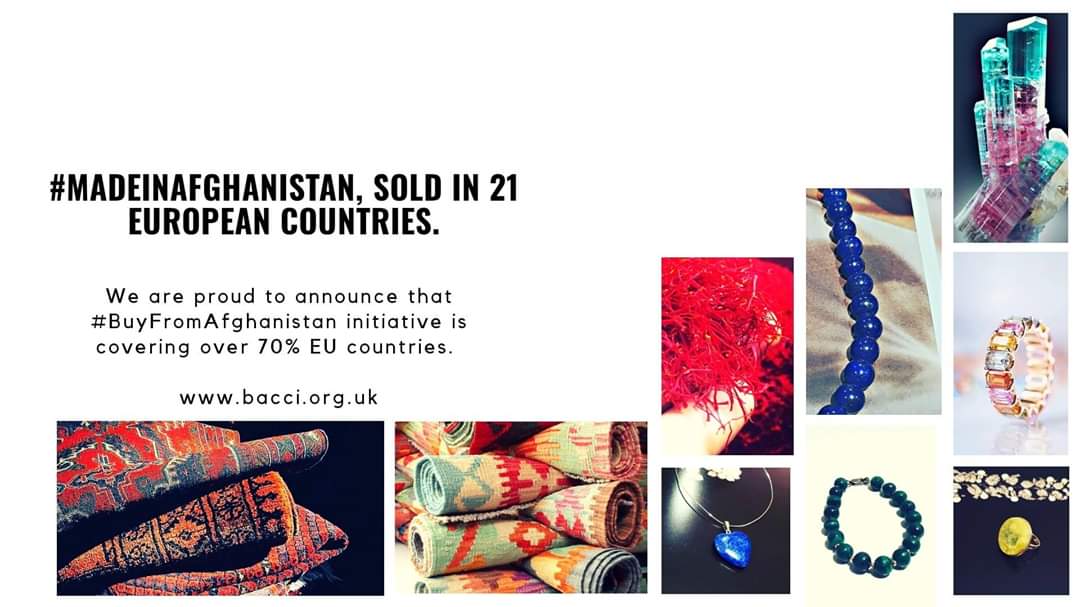
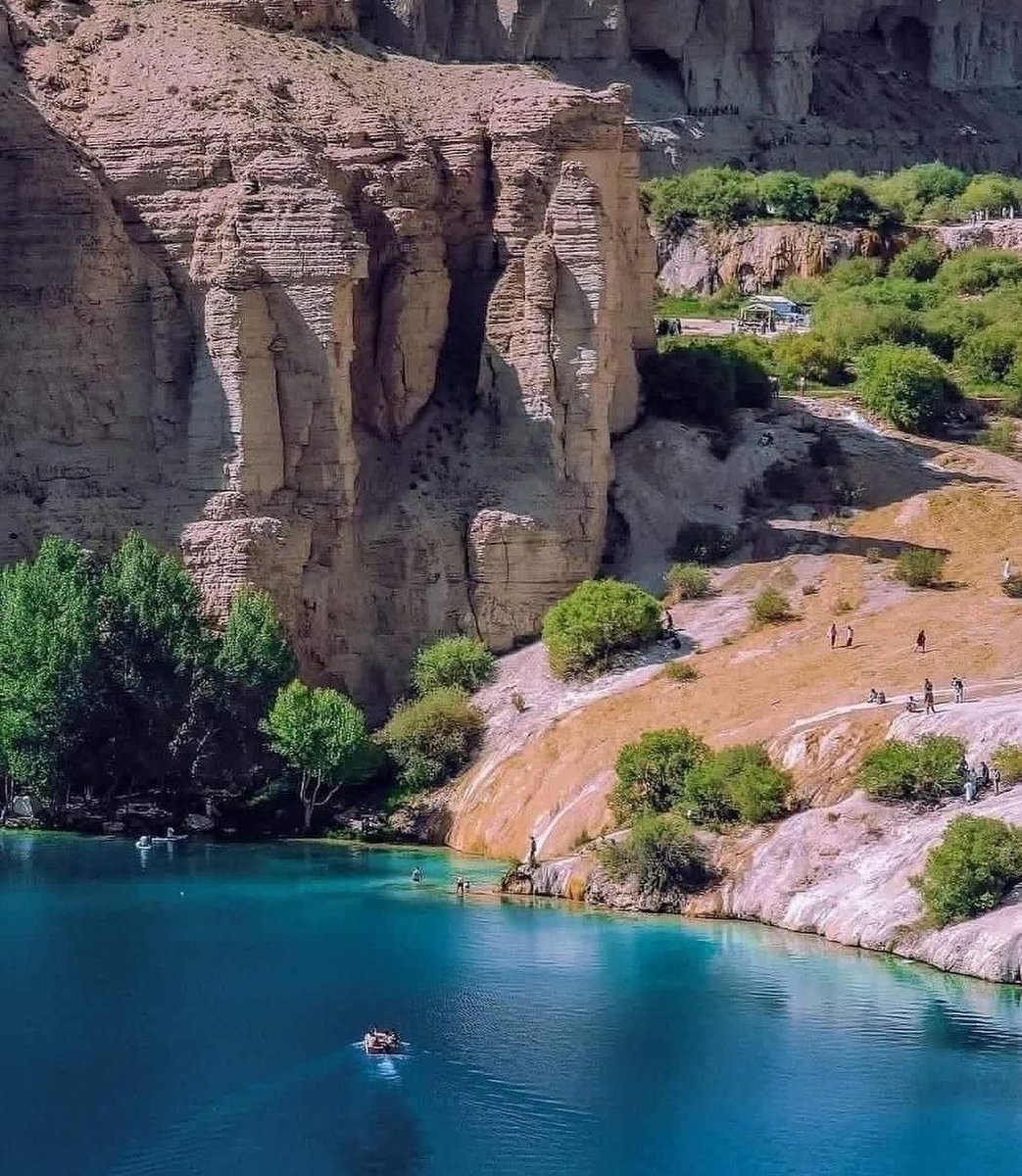
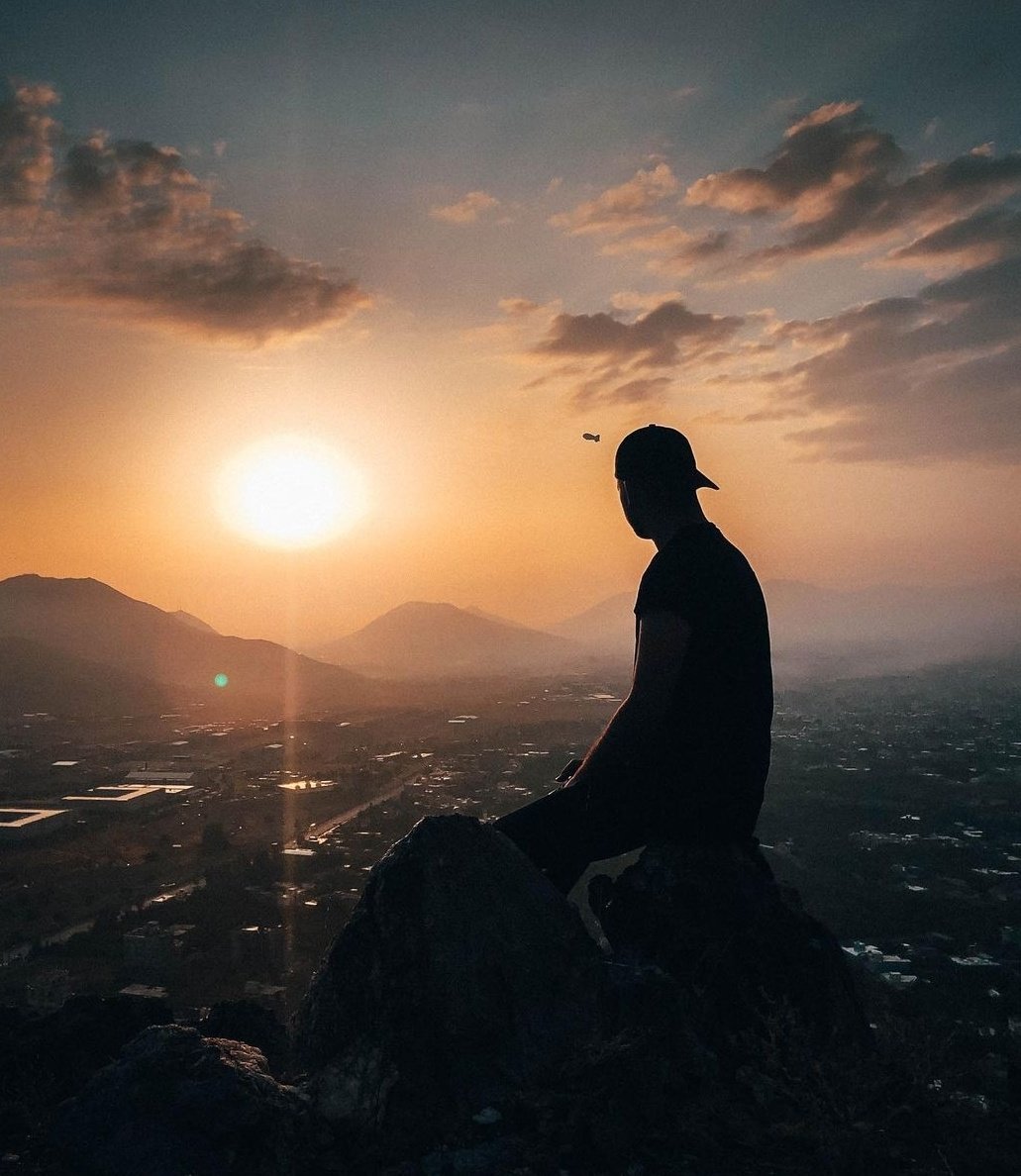
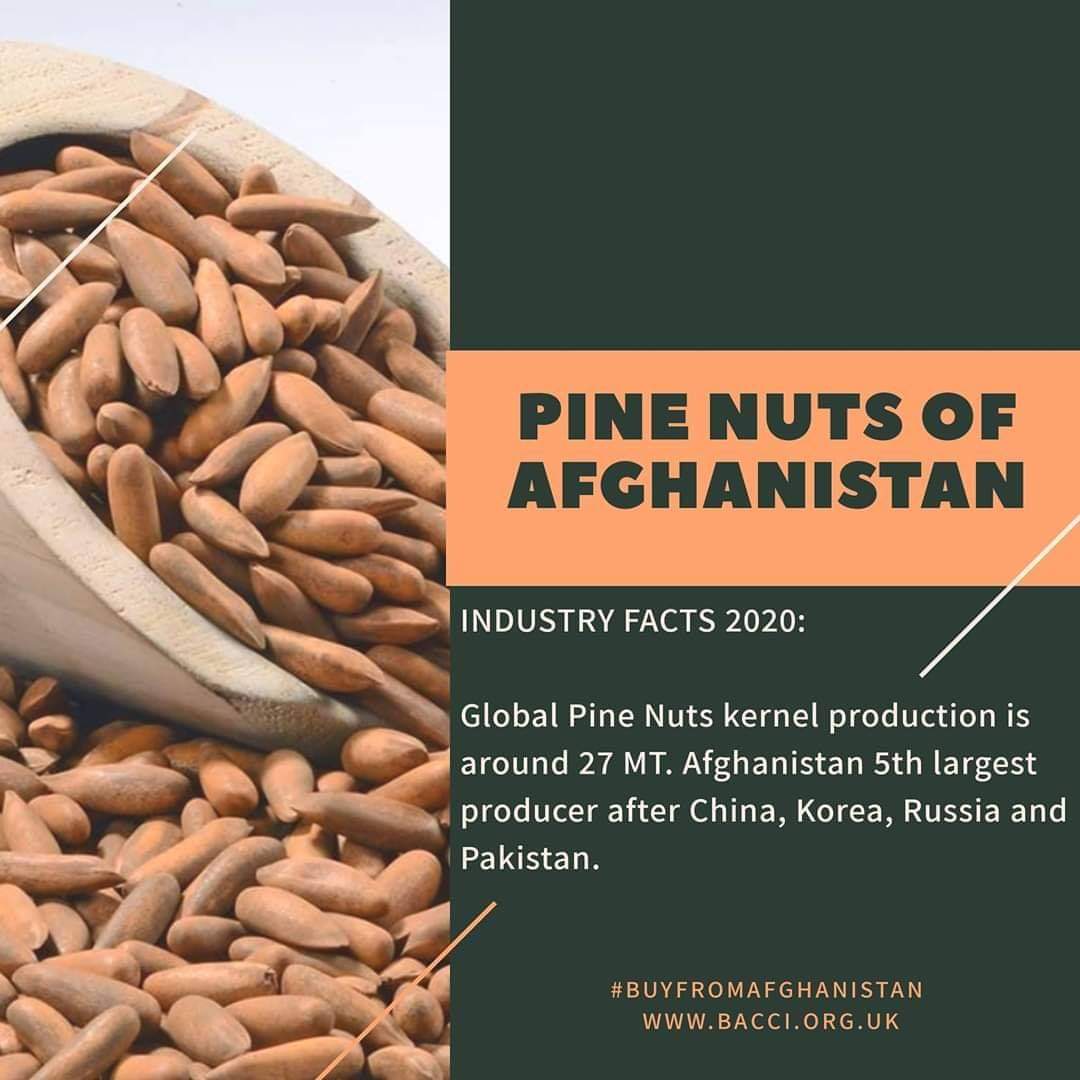
Wild & beautiful: Afghanistan branding campaign by @BA_CCI & @Afghan_Congress. Share your adventures with us.Hashtag: #VisitAfghanistan. Funded by Afghans🇦🇫
#EidAlAdha Mubarak
To all the Afghan people in #Afghanistan and across the world.
May this holy festival bring equality, unity and tolerance to our people.
#EidMubarak
To all the people of #Afghanistan in the country and around world.
Praying for peace, unity and prosperity for our people.
Calling for equality, accountability and inclusive representative governance in Afghanistan.
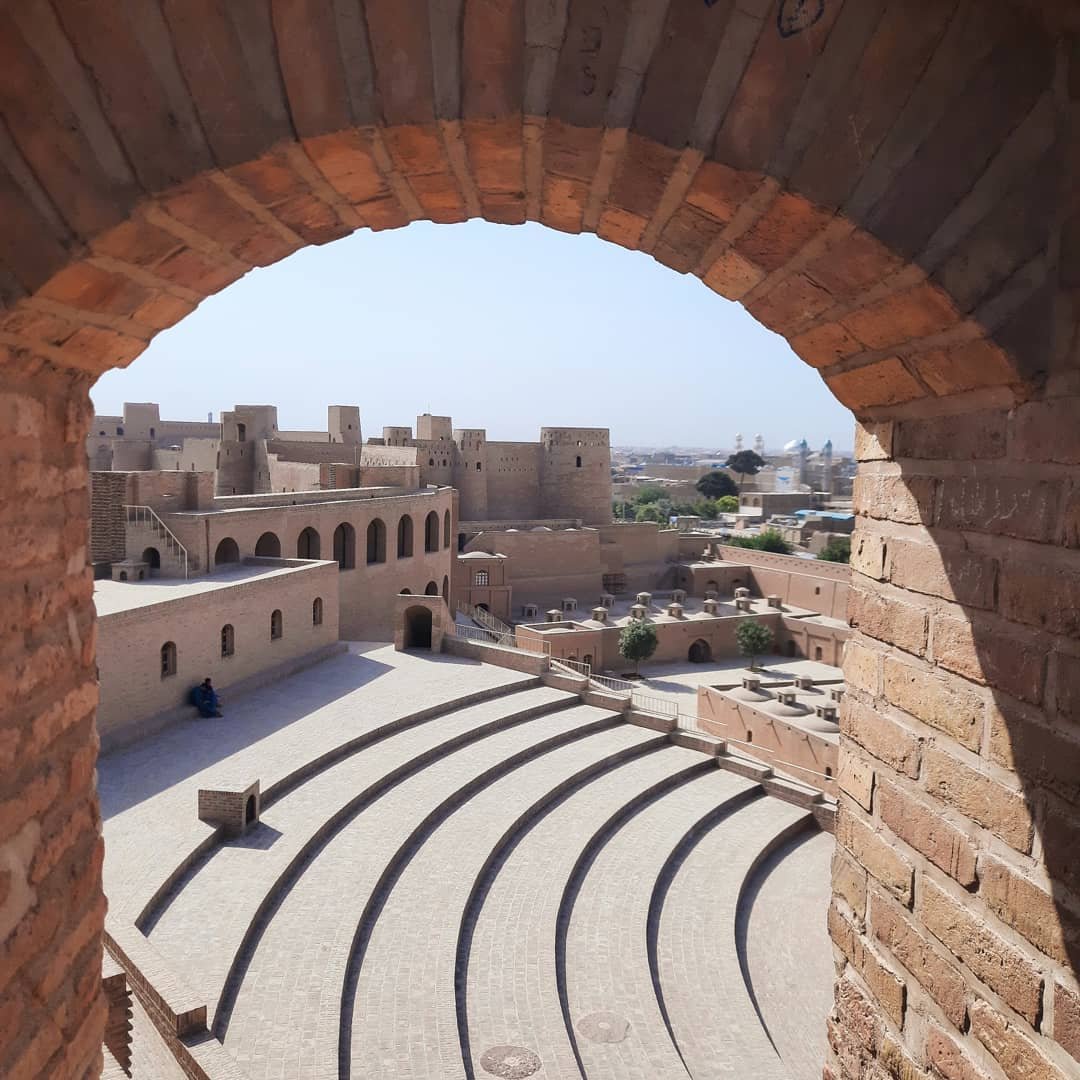
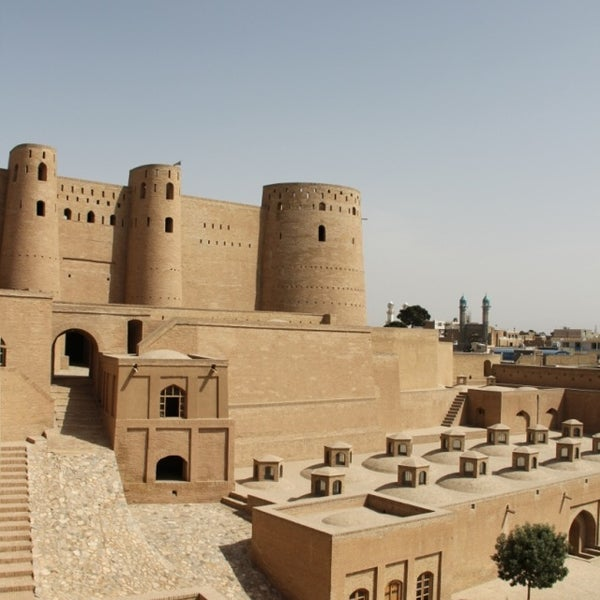
Did you know that the #Herat Citadel in #Afghanistan 🇦🇫 is one of the most well-preserved citadels of its kind in the world? The Citadel, also known as the Qala Ikhtyaruddin, has a history dating back over two millennia. It has witnessed the rise and fall of various civilizations, including the Persian, Macedonian, and Islamic empires.
One fascinating aspect of the Herat Citadel is its unique construction. The citadel is built in a rectangular shape with walls that are over 20 meters high. The walls are made of baked bricks, and the entire structure is surrounded by a deep moat. Inside, there are numerous buildings, including a mosque, a royal palace, and a military training ground.
Throughout its history, the Herat Citadel has served various purposes, from being a military stronghold to a royal residence. Despite the passage of time and the challenges faced by the region, the Herat Citadel has retained much of its original structure, making it a captivating historical site for visitors and a testament to Afghanistan's rich cultural heritage.
#AfghaniFacts 💡
#DontForgetAfghanistan 🙏🏻
The tragic destruction of the Buddhas of Bamiyan in March 2001, by Afghanistan’s effective government, the Taliban; which was broadcast across the globe, led to a global recognition of the need to protect cultural heritage at risk.
The empty niches of the giant Buddhas in Bamiyan Valley of Afghanistan are a perpetual reminder of our duty to protect cultural heritage, and what future generations stand to lose if we do not. Today, these niches are inscribed on the World Heritage List as part of the “Cultural Landscape and Archaeological Remains of the Bamiyan Valley” World Heritage property.
Although the destruction of heritage and the plundering of artefacts has taken place since antiquity, the destruction of the two Buddhas of Bamiyan represented an important turning point for the international community. A deliberate act of destruction, motivated by an extremist ideology that aimed to destroy culture, identity and history, the loss of the Buddhas revealed how the destruction of heritage could be used as a weapon against local populations. It highlighted the close links between heritage safeguarding and the well-being of people and communities. It reminded us that defending cultural diversity is not a luxury, but rather fundamental to building more peaceful societies.
Buddhas of Bamiyan were two 6th Century AD, monumental statues of Gautama Buddha carved into side of a cliff in Bamyan valley in Hindu Kush mountains, in central highlands of Afghanistan, about 130km northwest of Kabul at an elevation of 2500m. They were largest standing Buddhas in the world. Carbon dating of structural components of Buddhas has determined that the smaller 38m "Eastern Buddha" was built around 570 AD, and the larger 55m "Western Buddha" was built around 618 AD.
Statues represented a later evolution of the classic blended style of Gandhara art. Statues consisted of the male Salsal ("light shines through universe") and (smaller) female Shamama ("Queen Mother"), as they were called by the locals. The main bodies were hewn directly from the sandstone cliffs, but details were modeled in mud mixed with straw, coated with stucco. This coating, practically all of which wore away long ago, was painted to enhance the expressions of faces, hands, and folds of robes; the larger one was painted carmine red and the smaller one was painted multiple colors. The lower parts of the statues' arms were constructed from the same mud-straw mix supported on wooden armatures. It is believed that upper parts of their faces were made from great wooden masks or casts. The rows of holes that can be seen in photographs held wooden pegs that stabilized outer stucco.
Buddhas are surrounded by numerous caves and surfaces decorated with paintings. It is thought that period of florescence was from 6th-8th Century AD, until onset of Islamic invasions. These works of art are considered as an artistic synthesis of Buddhist art and Gupta art from India, with influences from Sasanian Empire and Byzantine Empire, as well as country of Tokharistan.
Now, UNESCO Expert Working Group on Afghan cultural projects convened to discuss what to do about two statues, a study into rebuilding of Buddha, and construction of a central museum and several smaller site museums. Work has since begun on restoring Buddhas using process of anastylosis, where original elements are combined with modern material. It is estimated that roughly half pieces of Buddhas can be put back together according to Bert Praxenthaler, a German art historian and sculptor involved in restoration. Restoration of caves and Buddhas has also involved training and employing local people as stone carvers. Project, which also aims to encourage tourism to area, is being organised by UNESCO and International Council on Monuments and Sites (ICOMOS). On 7 June 2015, a Chinese adventurist couple Xinyu Zhang and Hong Liang filled empty cavities where Buddhas once stood with 3D laser light projection technology.
#archaeohistories
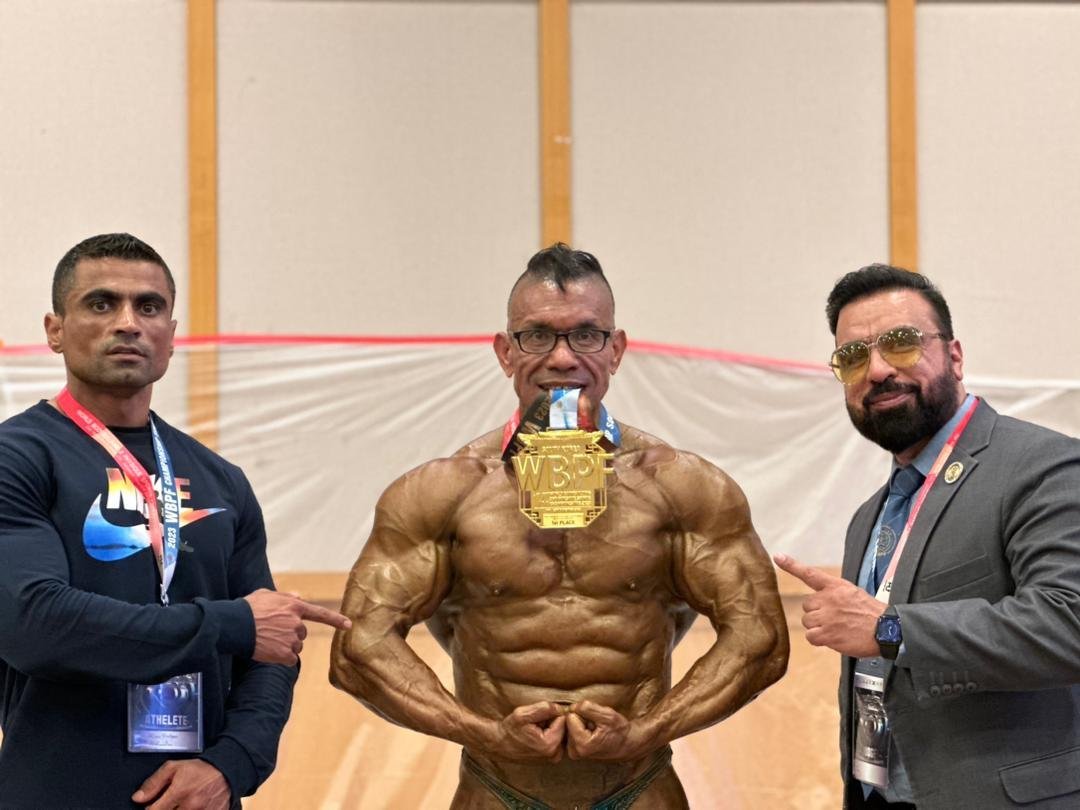
Ali Reza Asahi, a member of the Afghanistan Bodybuilding Federation, won a gold medal in the 14th World Bodybuilding and Physique Sports Championships 2023, officials said.
The event was hosted by South Korea and included the participation of athletes from more than 40 countries.
Afghanistan had three representatives in the competition.
#TOLOnews
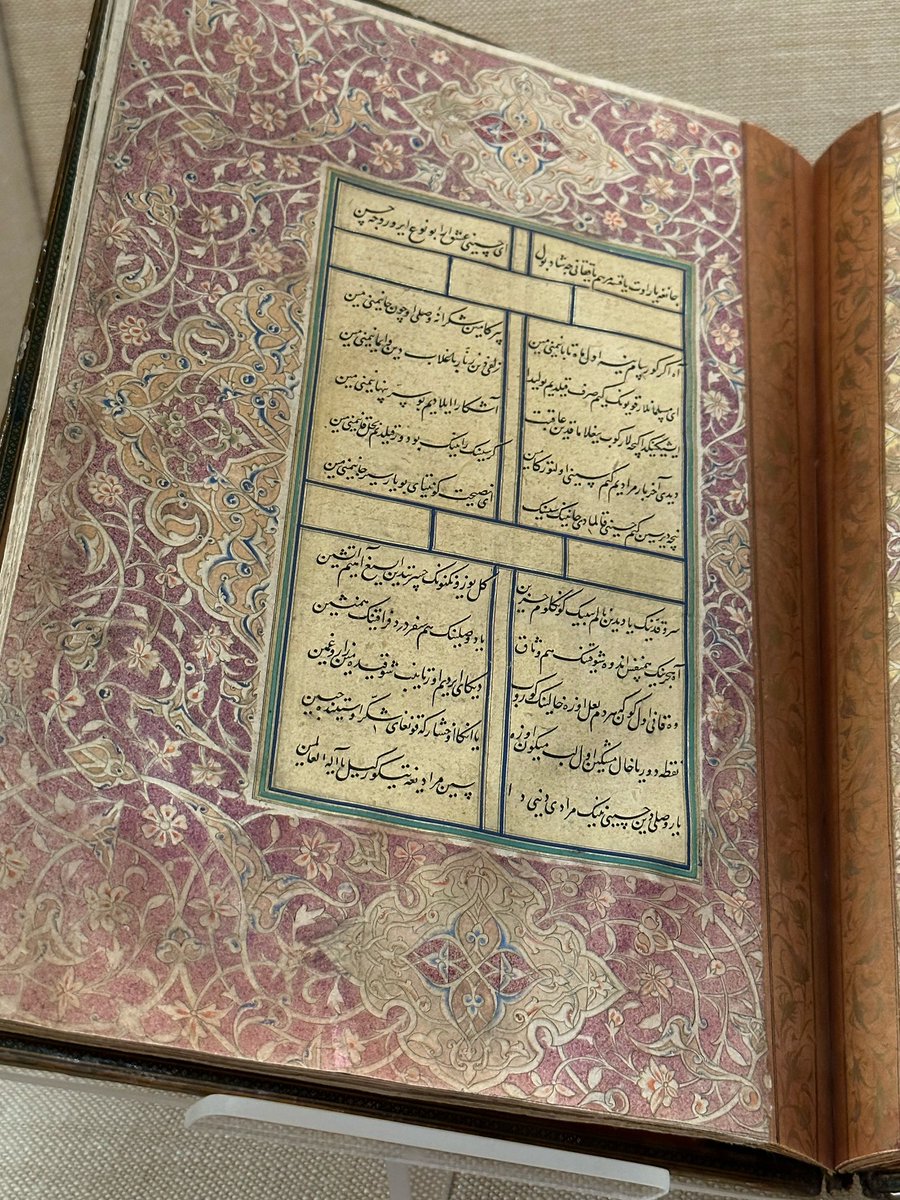
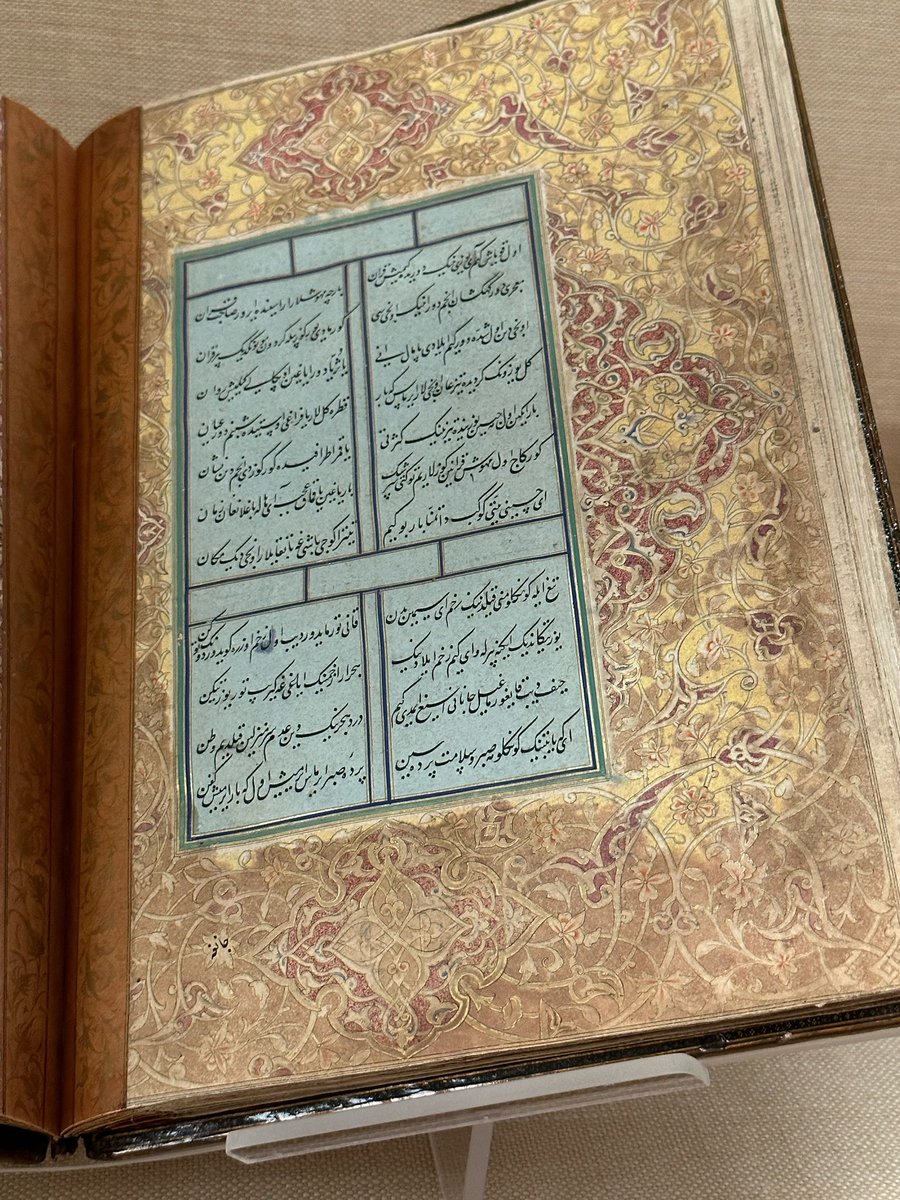
𝐃𝐢𝐯𝐚𝐧 of Sultan Husain Baiqara
Found in Herat Afghanistan, Timurid Period
𝐃𝐚𝐭𝐞𝐝 A.H 905/A.D 1500 (1370-1507)
Ink, opaque watercolour, and gold on paper; lacquer binding
𝐂𝐚𝐥𝐢𝐠𝐫𝐚𝐩𝐡𝐞𝐫: Sultan ‘Ali Mashhadi
This is #Afghanistan
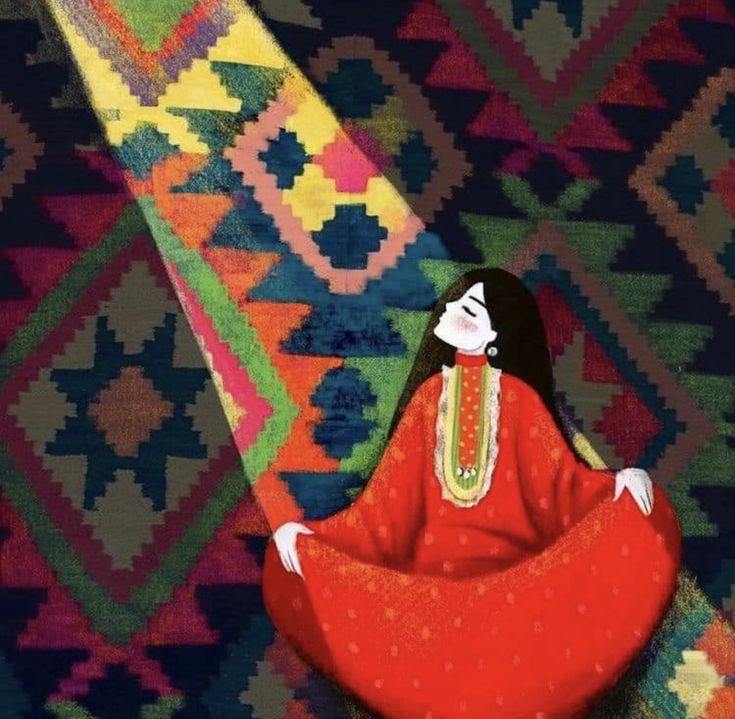
A nation of creative designers, traders and entrepreneurs.
#BuyFromAfghanistan
Because donations don't build nations.
📸 Petch Nethnapat
Mazar e Sharif, #Afghanistan
The heart of silk road and the land of traders, hospitable and dignified people.
#VisitAfghanistan
Wild and beautiful.
📸 Arif Aryan
We are investing in #Afghanistan's art, heritage and identity.
We are investing in Afghanistan's people, their skills and their right to full participation in free markets.
Join us.
@BuyFromAfg
Let's rebuild Afghanistan with trade not donations.