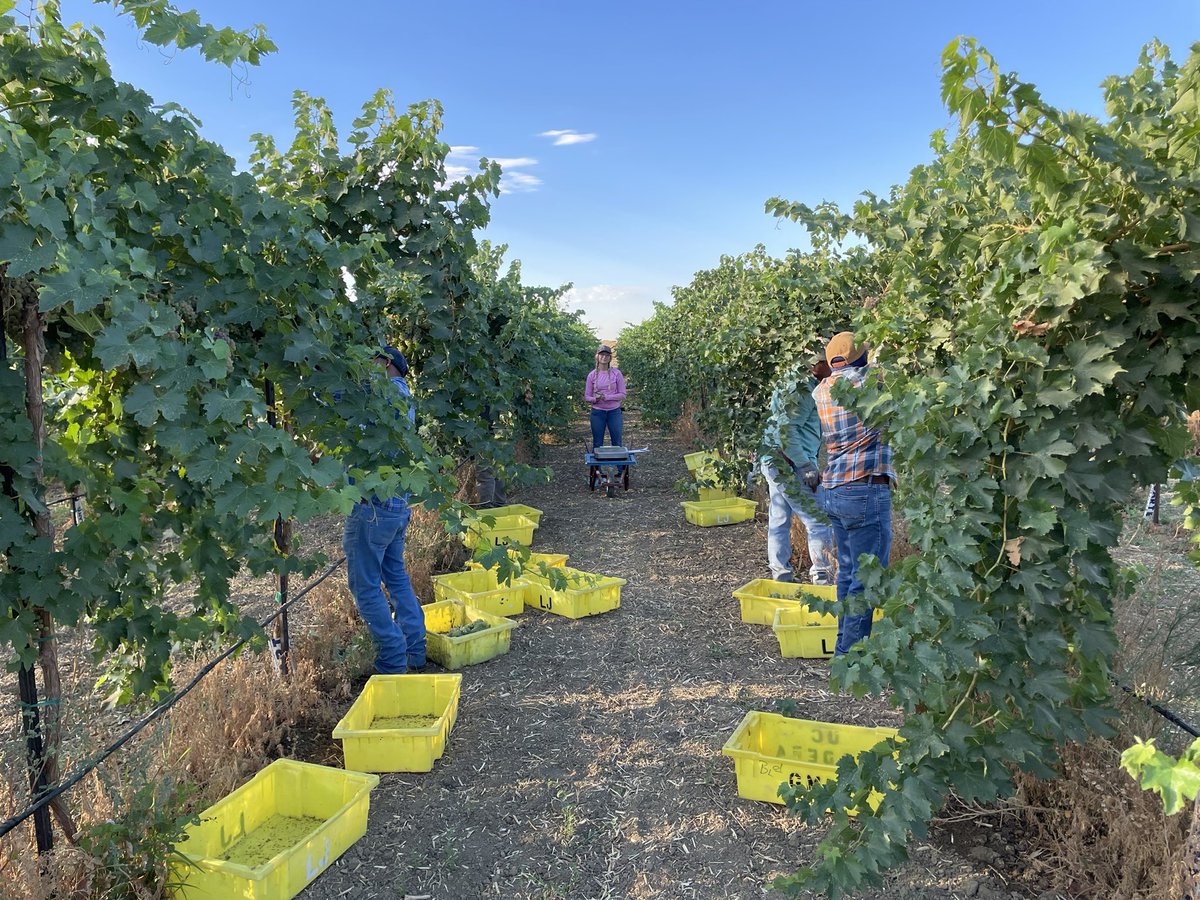
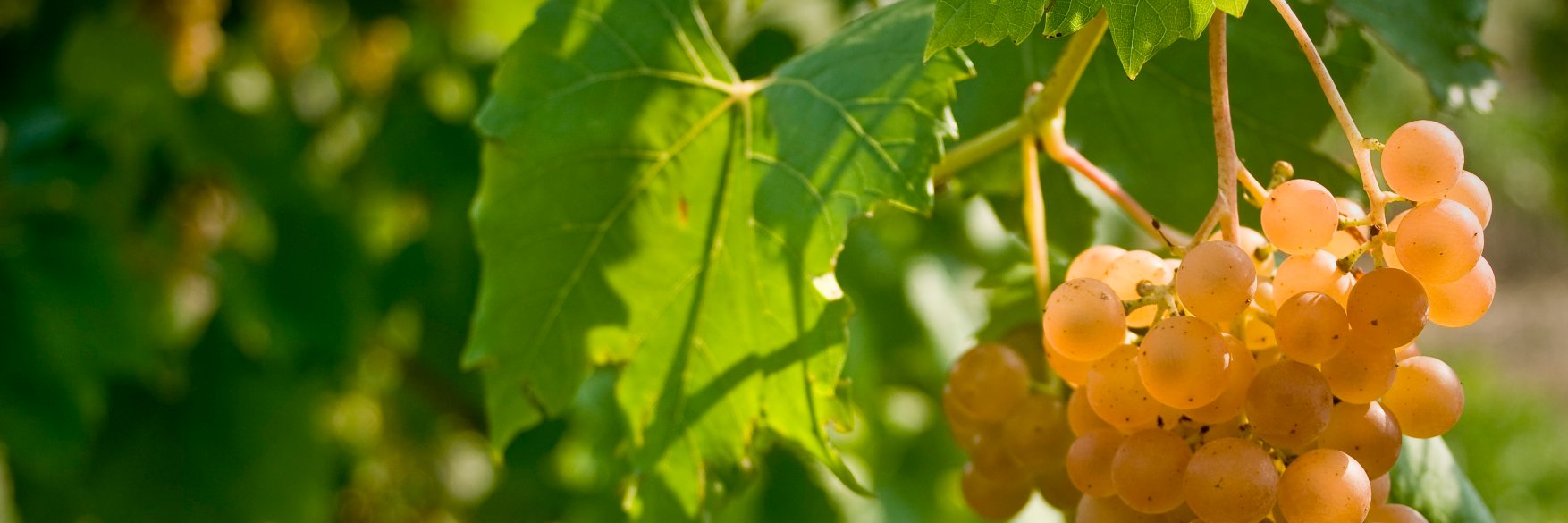
Mapping the way to the next generation of grapes! Funded by the USDA-NIFA Specialty Crop Research Initiative for the development of new grape varieties.
New #graperesearch finds that evaluating #coldhardiness is key to understanding physiological changes during dormancy and spring phenology. Manipulating temps to study increasing hardiness, the authors say, might unintentionally prolong time to budbreak. https://t.co/jaLFNqgIkX
So proud to have our asymptomatic airborne detection paper chosen as @PhytopathologyJ’s October Editor’s Pick! @FerRomeroGalvan you make me so proud 🥹🥹🥹
Read the NASA press release on this study here: https://t.co/GXpbUvlRfz
🍇🛩️🥀💻
The Fall issue of VEEN is posted! Articles on the new ESA pesticide label / reporting rules, nutrient budgeting (@HiresVineyard), root-zone irrigating, and an update on @WashingtonWines Research Resource webpage.
https://t.co/lz6fIdxQQ4
Did you know that one of the largest collections of apple, grape & cherry varieties in the world is located at Cornell AgriTech? The collection helps breeders in Geneva & beyond develop new varieties.🍇🍎🍒
You can tour this fascinating collection on Sat. https://t.co/dnOlpsK9gI
A priority of the @VitisGen project is to develop management guidelines to protect disease resistance in new #powderymildew-resistant cultivars. Field trials will include biology-driven approaches and biopesticides to improve sustainability. #graperesearch https://t.co/uy3qbACoie
What kind of weeds do you have, where are they growing and what (if anything) should you do about them? Here, UCCE Weed Science Farm Advisor Emeritus John Roncoroni imparts wisdom from 40 years of weed management. (Story starts on p. 22) #graperesearch https://t.co/4QKRSI4HNG
New work on grapevine trunk diseases by the lab: "Comparative pangenomic insights into the distinct evolution of virulence factors among grapevine trunk pathogens" led by PhD student Jadran Garcia https://t.co/hm8lm39Nnm
.@BrockUniversity grad student Kaitlyn Carr studies the role of "knowledge mobilization" in adoption of IPM strategies for managing viruses in Niagara vineyards, including via "boundary organizations" that connect scientists and growers. #graperesearch https://t.co/vvElCvNLAd
NASA's @KarenStG & Acres scientist, @kaitlinmgold, weigh in with @Bloomberg on how satellites🛰️ are already aiding farmers and winemakers. Read more about how space-based insights are becoming even more critical amid a changing climate. 🌍
https://t.co/NJKxJjf16M
Hot off the @PhytopathologyJ press, just in time for #ICPP2023! Congrats @nikitagambhir03 on her first author publication from her postdoc with Gold Lab, "Non-destructive monitoring of foliar fungicide efficacy with hyperspectral sensing in grapevine." https://t.co/4TMmL9cvX7
Scientists in Portugal exposed grapevines to punishing heatwave conditions, finding that vines whose roots had been exposed to bacteria from Spanish salt marshes fared remarkably well, barely showing any signs of heat stress at all. #graperesearch https://t.co/Re7gGWJQCq
A survey of CA and WA #winegrape pros reveals the interplay of knowledge, communication, economics, labor, subsidies, regulations and more that influence the adoption of management practices for viral diseases like #leafroll and #redblotch. #graperesearch https://t.co/RY6FmyTZ8U
Hearing about the incredible research at @CornellAgriTech during the #GiESCO tour. Last Stop: the USDA PGRU Vitis collection! Grape variety trading cards anyone?!
#giesco visited @CornellAgriTech for the afternoon! One of our #VitisGen3 project directors, Lance Cadle-Davidson (and our amazing previous PD, Bruce Reisch) gave us a crash course in disease resistant grapevine breeding in the very vineyard where they conduct their research
Nathalie Ollat @UMREGFV gave a brilliant and integrative talk about the impacts of climate change on grapevine at the #GIESCO meeting in Ithaca, NY. She emphasized the need for studying combined stresses
@isvv_bordeaux@INRAE_NA_BDX