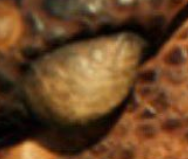
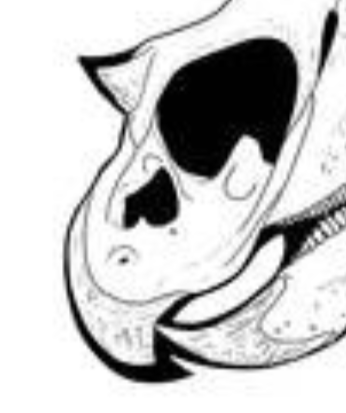
@Mercurial_Marc2@L_Lawtied710 the way it protrudes does make it look very horn like, especially since the jugal bone is smooth and doesn't protrude like JWE's
@Utahraptor104@Paleonyx_Art timestamp - 6:19 is one of the best examples of crocodilians roaring by the more reasonable definition of a roar being a "loud 'prolonged' vocalization" rather than the definition which was the cause of the misconception: "a very specific sound big cats make"
@Paleonyx_Art "Roar" refers to any deep and lound sound produced by any animal.
I can guarantee you that the group of animals which 100% of extanct members and counsins use sounds to communicate and evolved adaptations to amplify sounds TWICE was capable of deep and lounds sounds.
@hhy1682965@Paleonyx_Art being dead silent when hunting is nothing 99.9% of predators do, with the only exceptions being ones that use sound to flush out prey or echolocate etc.
The whole dinosaurs can't roar thing is a gross misconception as it was using the definition of roar as a sound big cats make
@Lasermazer@MbvBaryonix very true although it should be said that birds still aren't the best example for soft tissue for large terrestrial dinosaurs given that birds are extremely specialized dinosaurs, large terrestrial birds kinda show this
They made an au extinct shark “”documentary””
THEY MADE AN EXTINCT SHARK DOCUMENTARY COMPLETELY WITH AI
AND ITS GARBAGE
THATS FUCKING IT IM STARTING MY OWN SHARK DOCUMENTARY!
NOW!!!
UTTER GARBAGE
COMPLETE AND UTTER SHAME ON YOU #SharkWeek
@CrestedThunder can depend on the specimen/species but keratin is most commonly linked with rugose textures on the skull, which at least on matt dempsy's triceratops shows a gap in rugosity between em.
Introducing a crazy new look for Spicomellus, based on newly described osteoderms unlike anything we've ever seen before. I was brought in to produce a life reconstruction based on the new material, published today by Maidment et al. in Nature:
https://t.co/H0uMYqHSWB