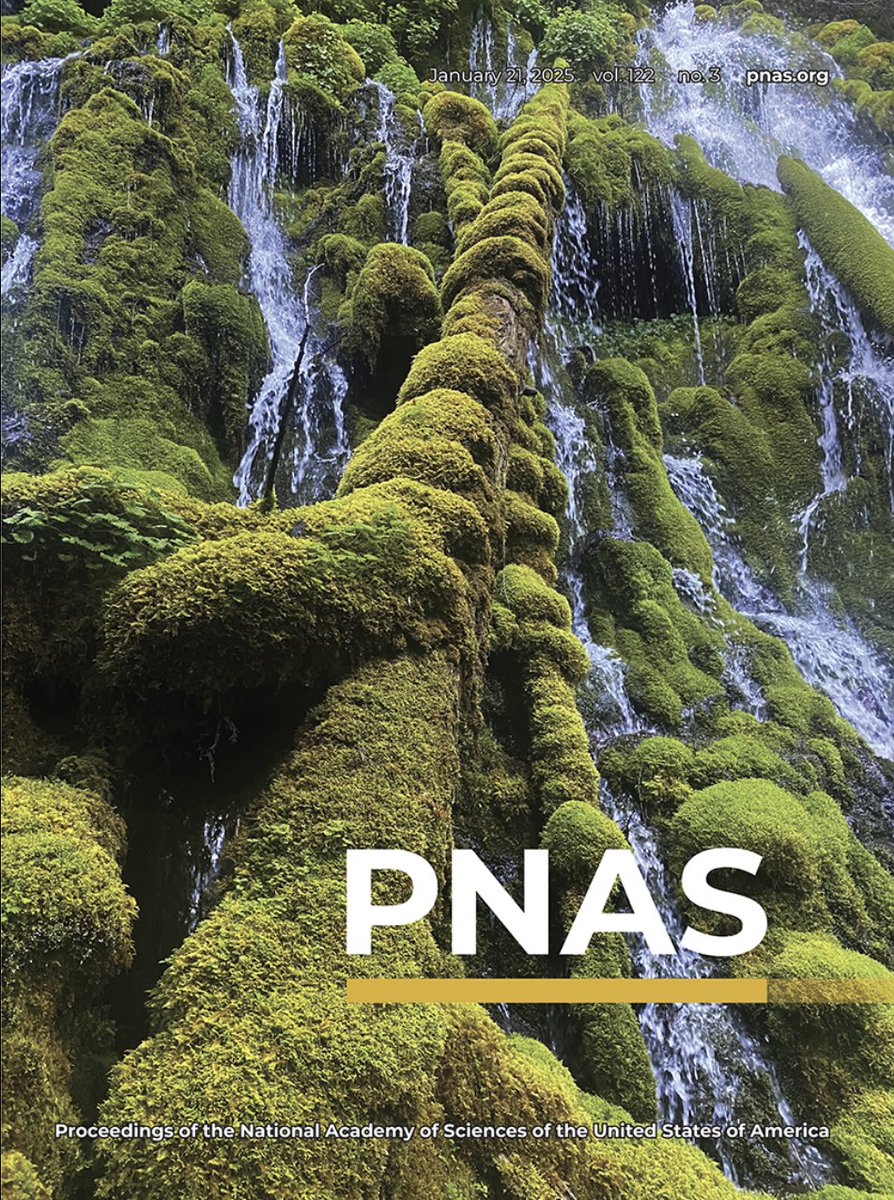
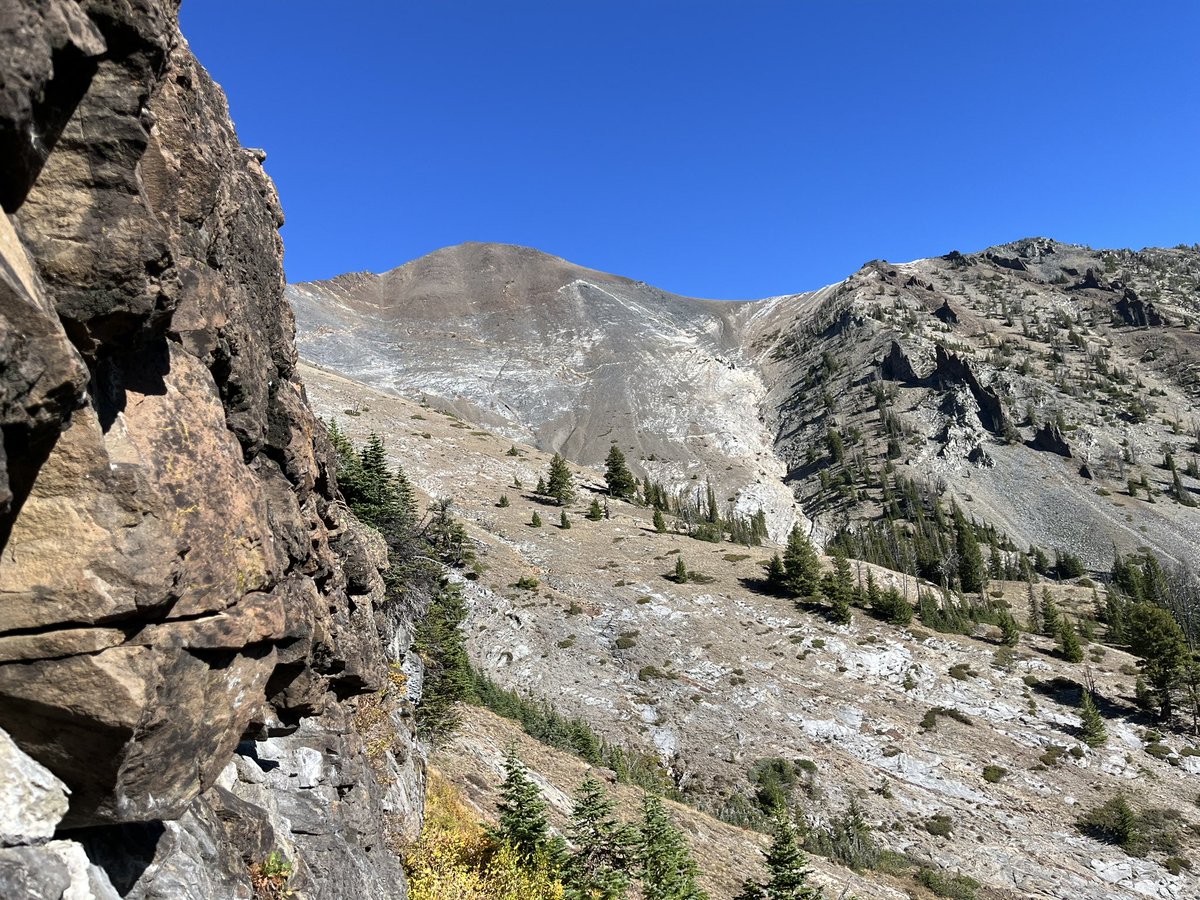
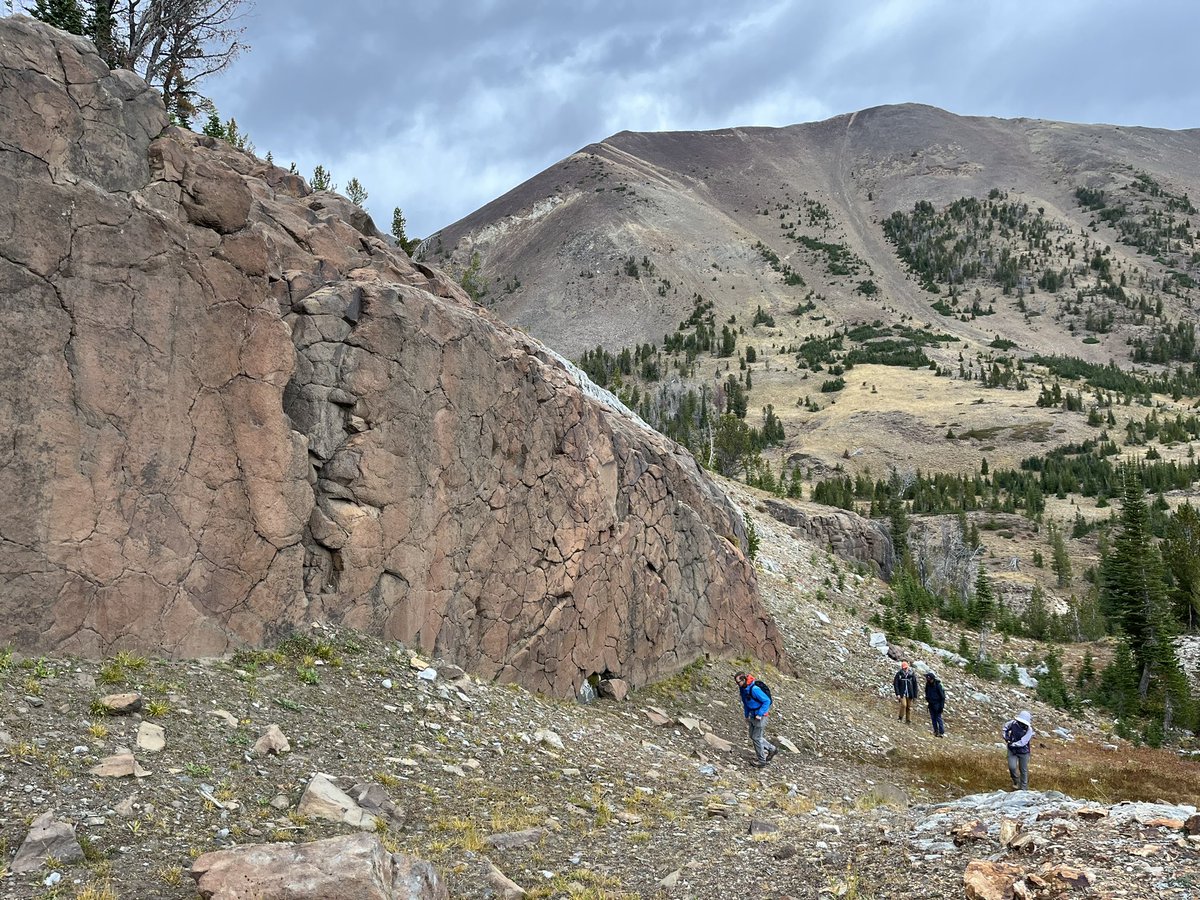
New paper (and cover image of the week!) at @PNASNews. Message me if you don't have a subscription and I'll send you a copy. Biggest result yet in my not-so-secret program to highlight the scientific goldmines that are volcanic landscapes https://t.co/ZmJVi45tv5
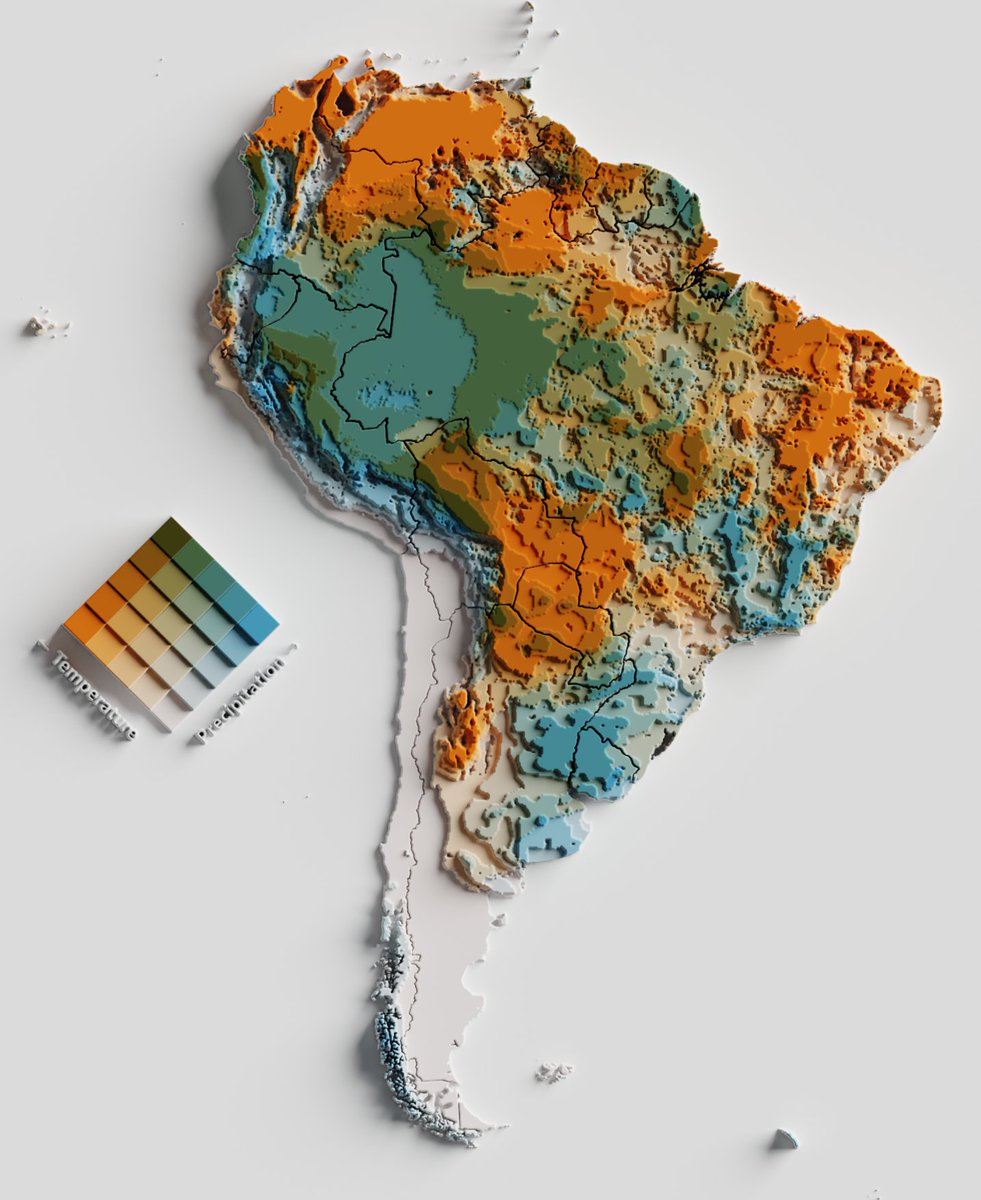
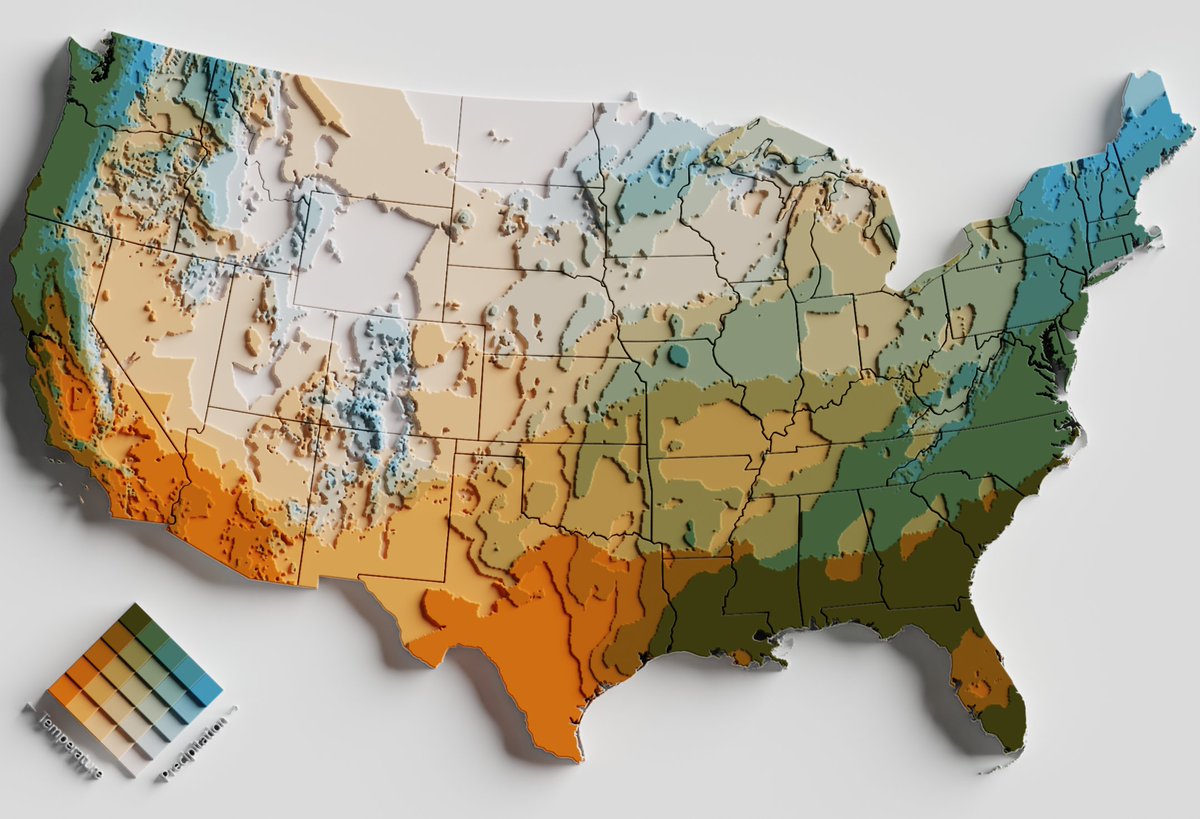
'Put it into Blender and see what happens' #4
Bivariate maps showing the relationships between Temperature and Precipitation.
(Monthly data since 1958 by TerraClimate)
https://t.co/ZAptXTQmSH
#maps#blender#climate#sciart#cartography#gis
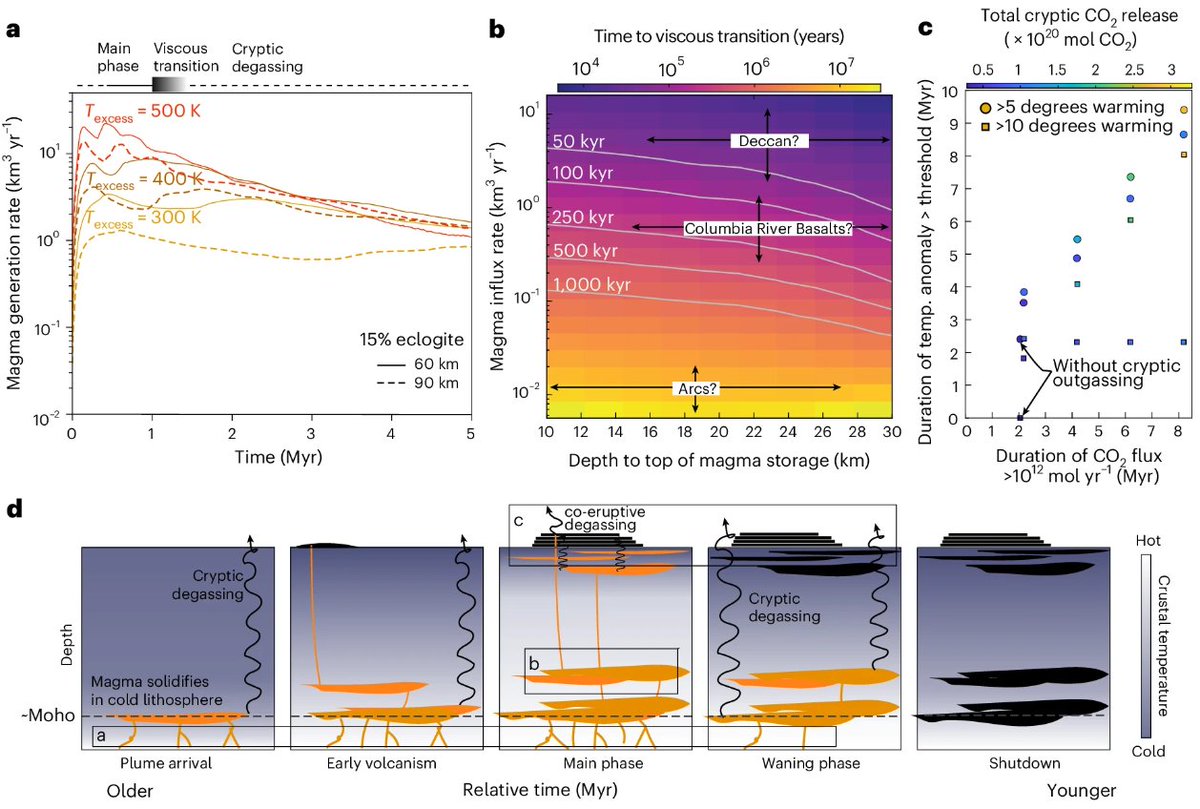
The first of hopefully many papers from our @NSF funded @c2c_proj, suggesting that cryptic degassing driven by a rheologic phase transition in the crust (shutting off LIP eruptions) drives prolonged warming periods in Earth History. @magmatist@tamsinmather@bjwmills and others.
Article: Cryptic degassing, whereby mantle-derived CO2 fluxes continue after surface eruptions slow, can explain prolonged warming that followed some large igneous province events
@magmatist@bjwmills@tamsinmather@VolcanoListener@C2C_proj
https://t.co/eBdVKOIbH6
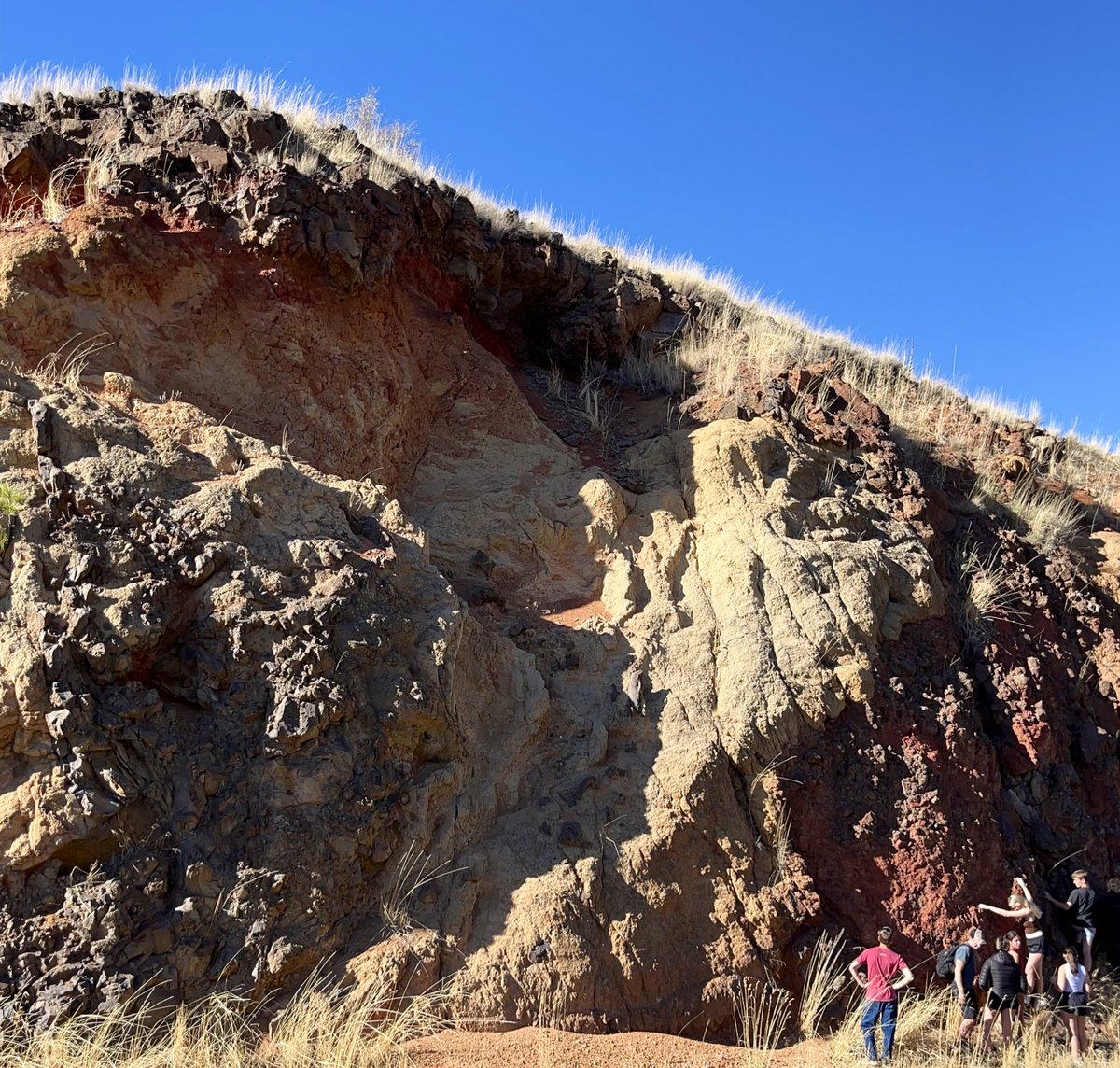
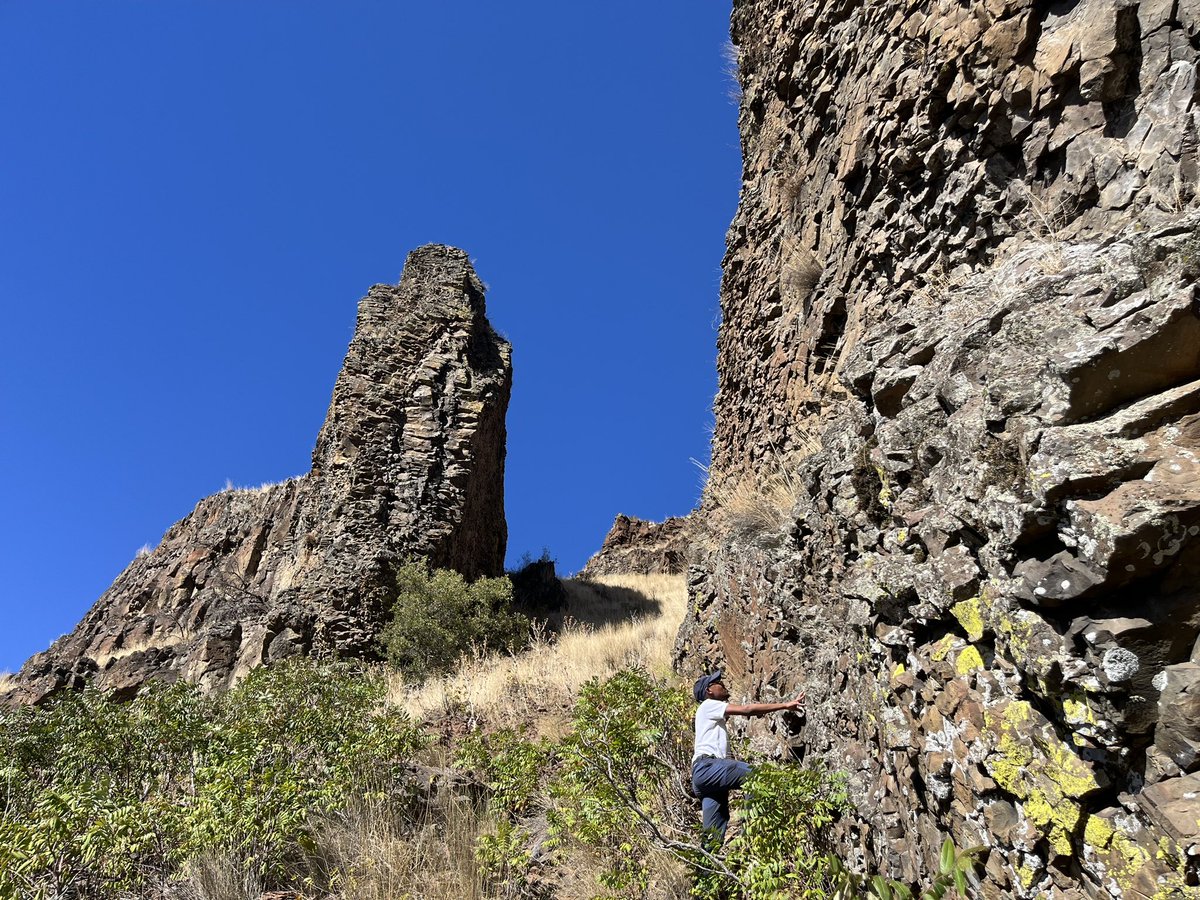
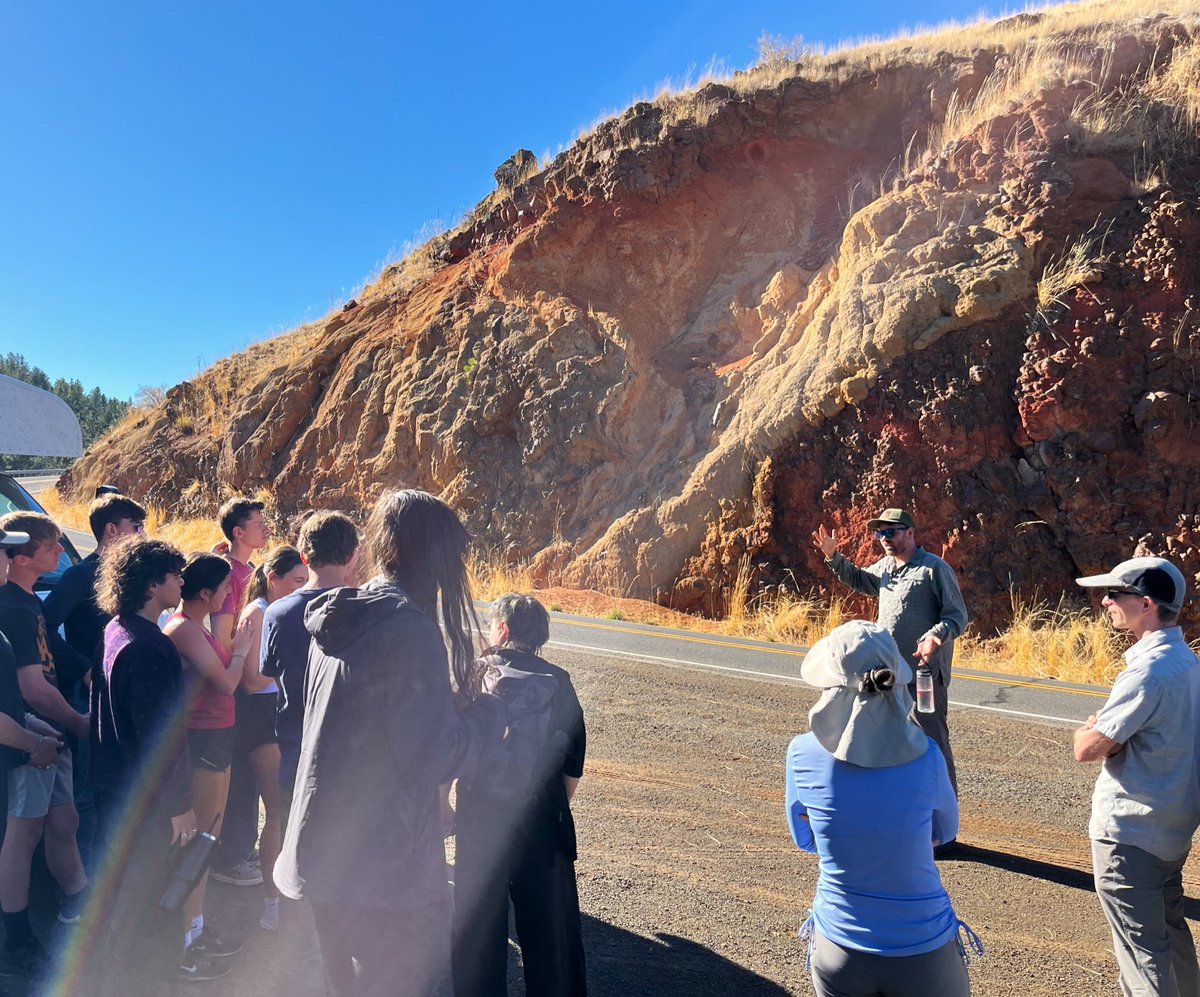
Our FRES grant from @NSF is getting off to a great start. Here is some outreach with Oregon high school students at a new vent deposit of the #columbiariverfloodbasalt main phase eruptions. #wapshillaridge with @magmatist
What do you see?
The C2C project explored this amazing (and complicated) outcrop with Oregon high school students.
There’s an incredible story in these rocks…
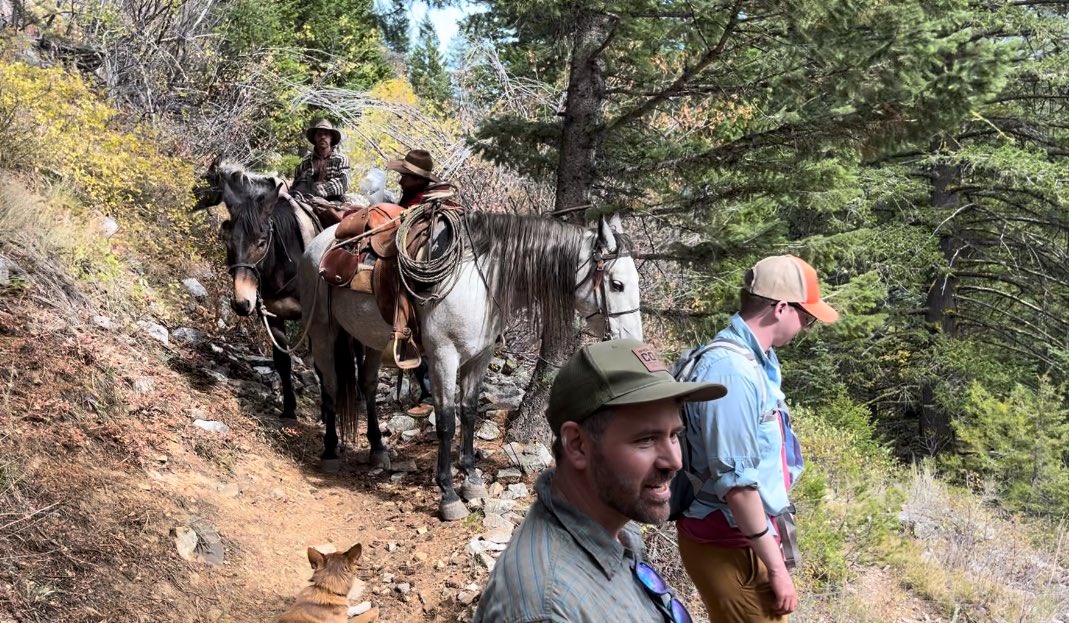
Check out these humongous dikes lurking beneath the Columbia River Basalts (and meet the friendly horses who helped us haul our gear up to explore them)!
Great field work with @VolcanoListener and the C2C team
The Volcano Listening Project record is out on all streaming platforms! Thanks to Adhyâropa Records for making this happen, and contributing artists that inspire everytime I listen. I hope you enjoy this fusion of volcano science and music. https://t.co/q5WBXL8ZC2
The University of Oregon Department of Earth Sciences @UO_Geology is hiring at assistant professor level! Very broad search, the only requirement being that candidates make a connection to subduction science. @uocas @OHAZ_UO More information here: https://t.co/K3HEF5Ldts
The first single from the Volcano Listening Project record is out, featuring free improvisation by bass clarinet, tuned glass, and violin to data from the 2021 #fagradalsfjalleruption! Listen anywhere, e.g. on @Bandcamp. #adhyaroparecords
https://t.co/q5WBXL8ZC2
New paper from @joshua_crozier. We model a sequence of explosive events from the 2018 Kilauea eruption from magma chamber to atmosphere, and in doing so propose a class of eruption mechanism that differs from typical phreato/magmatic spectrum.
Article: Explosive eruptions of Kīlauea volcano can be explained by sudden subsidence of reservoir roof rock causing gas and debris venting by a mechanism similar to a stomp rocket
@volcanolistener @joshua_crozier @DufekLab@ryan_cahalan1@thelenwes
https://t.co/010hDGyDdS https://t.co/yiczwM395u
Proud to be part of a 75-author collaboration on cross-cultural similarities between music and speech led by @PatrickESavage and @YutoOzaki1! The paper is featured in the cover of @ScienceAdvances and can be found at: https://t.co/3JDj8PDJZn
@e8chin Nice thread, Emily. In the end however, unless this new system discourages really good professors from working at UC (is that happening?), IMO it always comes down to the advisor. Good advisors know how to identify creative people and teach them how to explore effectively.
The 2022 #hungatongahungahaapai eruption atmospheric waves propagated around the world many times. #lambwave arrivals were clearly seen in microbarograms globally. Take a listen to our #sonification! https://t.co/Nh281QGyxI More details below.
We extracted timeseries from 10 stations, mapping the base frequency to distance from the volcano. The rising and falling of pitch records the global propagation and return of infrasonic oscillations.