The "whiteboard defense:" I should be able to pull you aside at any moment and ask you to explain any customer-facing system you've shipped. You should be able to clearly explain how it works and defend the decisions you made. This is my benchmark for responsible AI usage.
I don't expect line-level familiarity with the code. I don't care if you remember the exact function name or implementation detail. You may not even know it. I don't care.
But if I ask "why did you do X instead of Y?", "what happens if this actor behaves maliciously?", "what data structure did you use here and why?", or "where does this fail?" you should be able to answer confidently.
For PoCs, demos, experiments, whatever: I don't care. Generate 100% of it and understand none of it. Speed over quality every time in those specific scenarios.
But if you're shipping customer-facing work, you can't be shipping things you don't understand at a high level.
@bcherny Would be nice if planning mode had continuity between compactions. I often find the agent running out of context mid-planning, and after compaction it reverts to implementation mode and jumps into coding before I approve the plan.
Everything on @fuel_network moves at lightspeed
What if you had an AI squad to keep up and trade for you?
@sensahil built it: an AI trading platform powered by Fuel and GPT
Let’s break it down 🧵
I'm generally not a fan* of Smart Contract DSLs but @SwayLang seems pretty awesome. It is delightfully simple, familiar to Rust devs, and doesn't require bending your brain to accommodate a new programming model. Kudos to @IAmNickDodson and the @fuel_network team for this
Fuel breaks barriers as the first blockchain rollup to achieve sub-100ms transaction confirmations on Ethereum mainnet.
Experience the first-ever real-time blockchain rollup today.
Testnet version (free): https://t.co/77BeVrlRfG
Mainnet version (requires ETH): https://t.co/rLLa50BKhA
The future is real-time.
Ever wondered what your @SwayLang smart contracts look like under the hood on FuelVM? 🤔 Now you can see instantly with @compileexplore!
Explore bytecode and assembly output right in your browser, just like you would for Solidity or Rust.
Try it out: https://t.co/HmP7QrD2Aw
Fuel Network: Engineered Playground for Next Generation of Apps
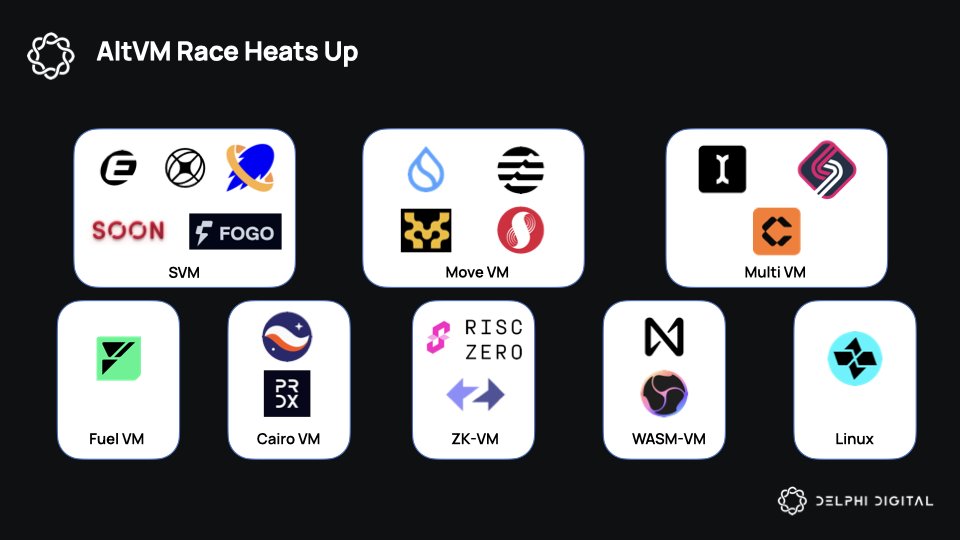
The EVM built the foundations of Web3, but its success now shows its limitations. Network congestion and architectural constraints are holding back novel applications.
While many solutions offer incremental speed improvements, @fuel_network presents a fundamental redesign that tackles core blockchain limitations.
Moving Beyond EVM Constraints
FuelVM isn't just another EVM-like chain; it's built from the ground up with:
• Parallel Execution: FuelVM is designed to process multiple transactions concurrently, addressing bottlenecks in sequential processing.
• Register-Based VM: A distinct internal design often requiring fewer steps than the EVM's stack, built for computational efficiency.
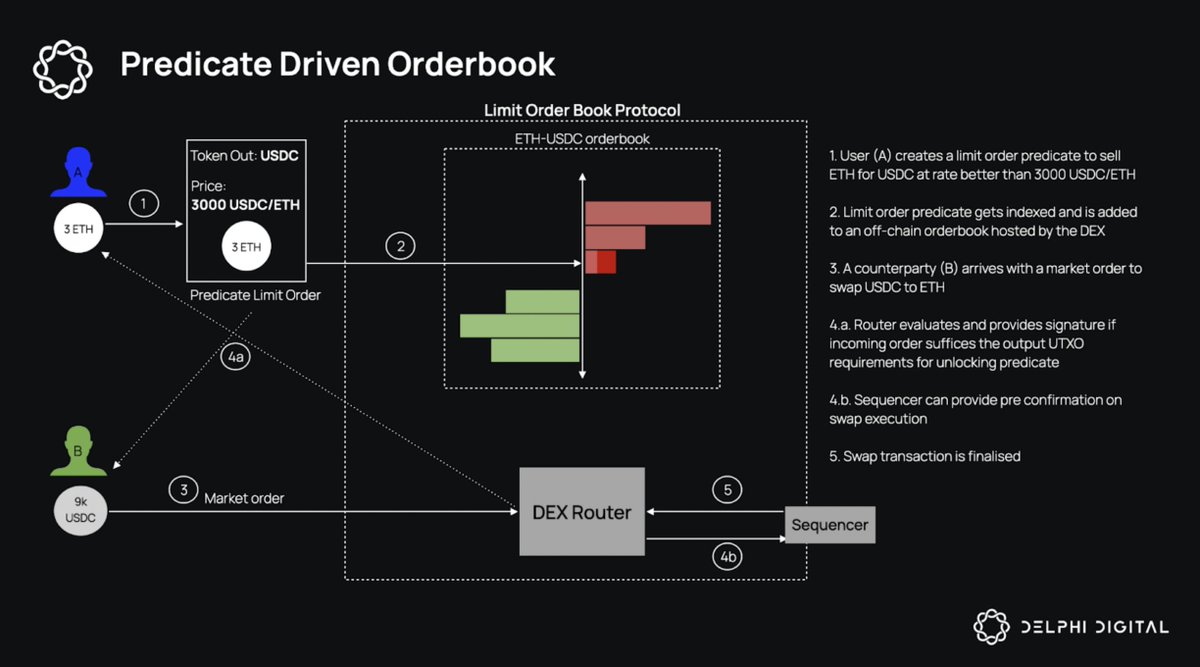
• Predicates: Fuel uses 'Predicates' - stateless validation scripts attached to UTXOs. Predicates unlock a completely new design space for app developers across categories.
These design choices aim for greater efficiency to build next-gen applications.
Unlocking New Application Frontiers
1. Orderbooks: Fuel enables highly efficient limit orderbooks via Predicates, allowing DEXs and P2P markets to operate with enhanced performance and reduced state bloat.
2. Isolated Rollapps: Fuel is designed to allow building specialized, self-contained applications (like custom banking or e-commerce platforms) that benefit from tailored performance, features, and control within their own rollup.
3. Private DeFi: Leveraging its native UTXO model and built-in ZK opcode support, Fuel provides a strong foundation for building privacy-preserving financial applications, crucial for institutional adoption and user confidentiality.
Beyond financial apps, Fuel could enable practical applications like DePin micropayments, on-chain gaming, and customizable RWA tokenization.
The Rollup OS Vision
Fuel is also positioning itself as a Rollup OS. Teams could leverage Fuel's high-performance engine (the VM, parallel processing, Sway language) to build their own specialized rollups.
This could foster an ecosystem of tailored chains built on a common foundation.
Challenges and the Road Ahead
Despite compelling tech, Fuel faces hurdles: its Ignition rollup is early Stage-0, lagging established L2s with low adoption. Centralized elements also remain, and reaching full Stage-2 decentralization won’t be an easy task.
With high performance in blockchains rapidly becoming commoditized, the challenge shifts from building the tech to fostering the ecosystem. Can Fuel attract the app adoption for its unique architecture and Rollup OS vision to thrive?
Fuel has laid impressive groundwork, but the next phases are crucial: Fuel must attract developers, onboard novel apps, and drive ecosystem growth.
It's clearly a good time to announce that we've completed an engagement with Fuel that started in January 2025.
This work brings zero-knowledge proof verifiers into the Fuel ecosystem using Sway and Circom. Here's what we built—and why it matters: