La musicóloga especializada en los castrati Franca Trincieri Camiz pudo finalmente demostrar en 2010 que el modelo de Caravagio para "Il suonatore di liuto", uno de los más famosos de toda su obra y del que existen dos versiones, no es otro que el español Pedro Montoya.
Manet 1868 en carta aFantin-Latour:«Quizá el trozo de pintura más asombroso que se haya realizado jamás es el cuadro que se titula Retrato de un actor célebre en tiempo de Felipe IV. El fondo desaparece. Es aire lo que rodea al personaje, vestido todo él de negro y lleno de vida»
"Su figura elegante -un documento de 1637 indica que se le podía dar un vestido de terciopelo o de paño—, y sin deformidad aparente, es la del «hombre de placer», truhan o loco discreto que hacía reír con sus burlas.
Pablo de Valladolid, un retrato revolucionario. Diego Velazquez
Rare video clip from 1973's Tendencije 5, featuring artworks by Herbert W. Franke, Monique Nahas, & Vladimir Bonačić. Full works from the video below.
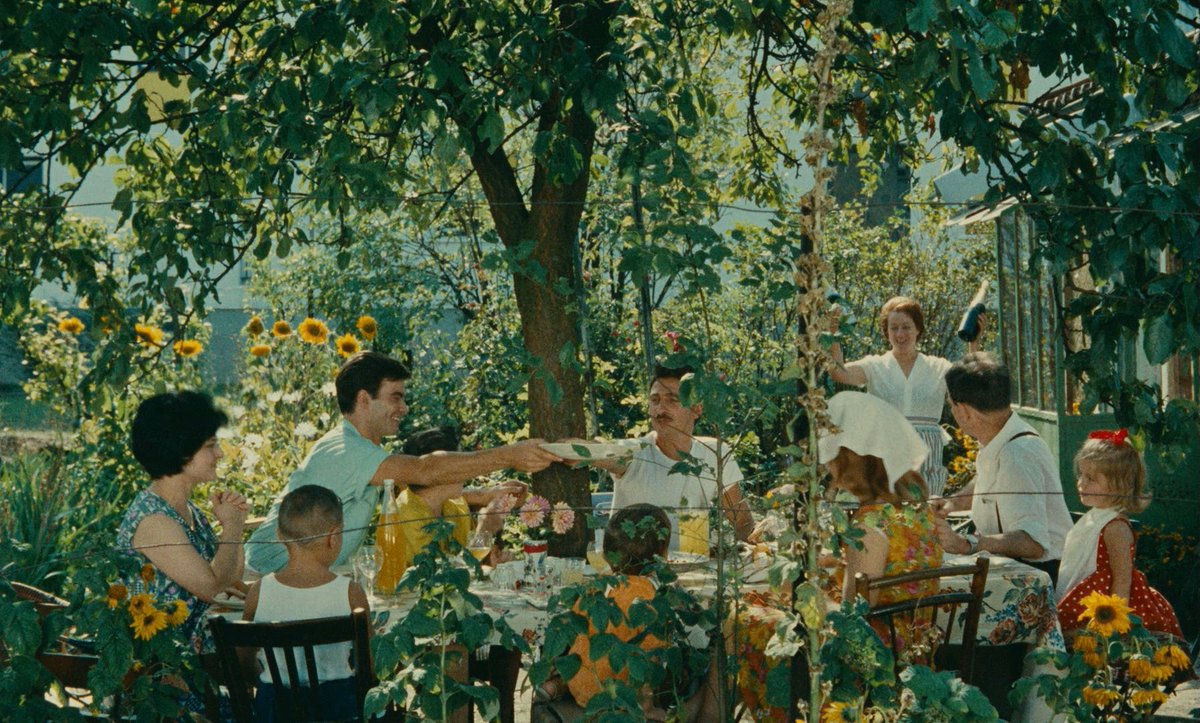
Segundo Chomón's short film Les Roses Magique (1906) sees a bouquet of roses give birth to a whole unexpected world — beautifully coloured using Pochoir, a type of stencil process. Watch the full thing here: https://t.co/FGbmy3WmNQ
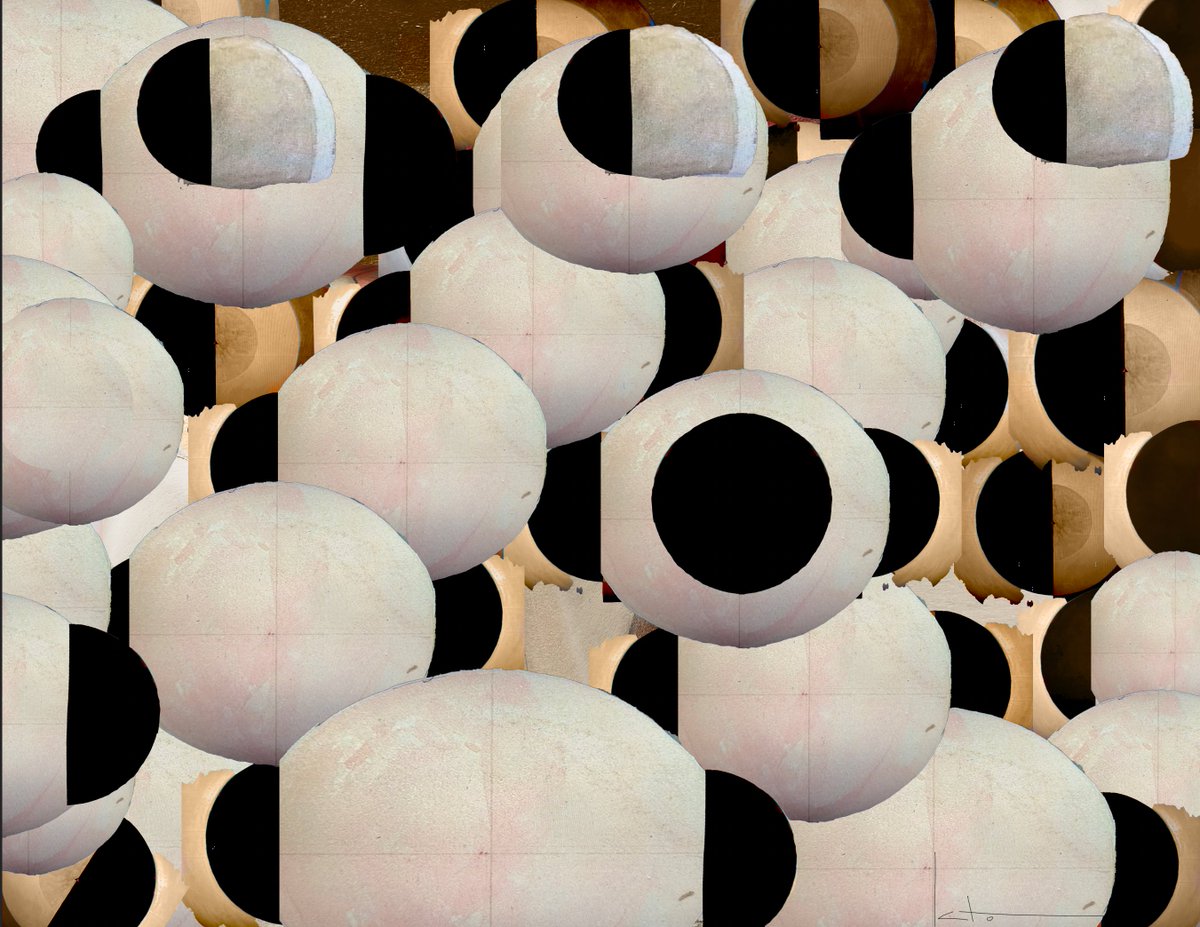
Anastasia Mez is a mixed-media artist who explores experimental photographic techniques to produce layered, tactile imagery. One of her defining methods is Polaroid emulsion transfer, a process where the delicate gelatin image layer is separated from a developed Polaroid using hot water and then carefully placed onto another photograph.
By merging images in this way, she combines different moments, textures, and visual fragments into a single composition. The final result feels fragile and organic, intentionally imperfect, and positioned somewhere between photography, collage, and experimental art.
Artist: https://t.co/cBBGxl1C9D
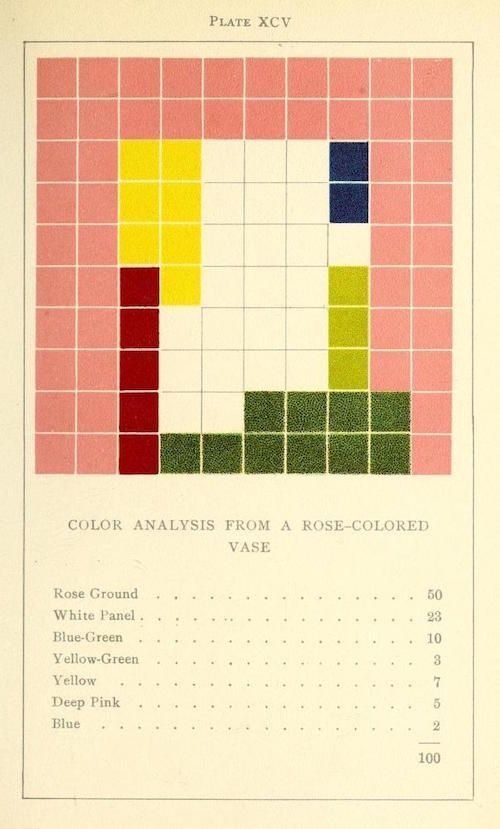
Looking at times like some kind of strange fusion of De Stijl abstraction and Tetris, behold the enigmatic "color analysis" charts of Emily Noyes Vanderpoel from her 1901 book Color Problems: A Practical Manual for the Lay Student of Color.
More here: https://t.co/XJE1iyNoyY
“There is no cloud, just someone else’s computer.”
This isn’t a joke; it’s a reminder.
When you upload a file to “the cloud,” it doesn’t magically float into the sky. Instead, it lands on a physical server within a data center, equipped with real CPUs, disks, RAM, and cables. This server is owned and controlled by someone else.
Your data is essentially stored on their machines, running on their operating system, and governed by their policies.
The “cloud” is essentially a collection of massive server racks, virtualization (VMs and containers), networking abstraction, and billing dashboards that create the illusion of magic. However, beneath the user interface and APIs, it’s still computers housed in a building.
This is why cloud providers can shut down accounts, outages can disrupt half the internet, law enforcement can subpoena providers, and misconfigurations can leak millions of records.
In the cloud, you don’t lose responsibility; you simply share it.
When engineers use this phrase, they’re essentially saying:
“Don’t forget who controls the hardware.”
The cloud offers convenience, scalability, and power. However, it’s not yours.






![DurhamWASP's tweet photo. Jazz album covers by Andy Warhol [1952-58] https://t.co/SwaGIqYdg3](https://pbs.twimg.com/media/HCqqaGfWoAESpyR.jpg)



![DurhamWASP's tweet photo. Jazz album covers by Andy Warhol [1952-58] https://t.co/SwaGIqYdg3](https://pbs.twimg.com/media/HCqqaHKaUAgz2-1.jpg)


