Five reports this week and one stock did nearly all the falling. Greenland Energy lost a third of its value after Fugazi's Monday report.
$GLND -32.7% (@FugaziResearch, Sep 28)
https://t.co/qZ3OKHr5Je -1.7% (@VultureCaptRes, Sep 30)
$LIFE +1.6% (@hntrbrkmedia, Oct 1)
$NSP -0.2% (@DispatchEq8210, Oct 1)
$LEN -2.8% / $MRP -2.3% (@hntrbrkmedia, Oct 2)
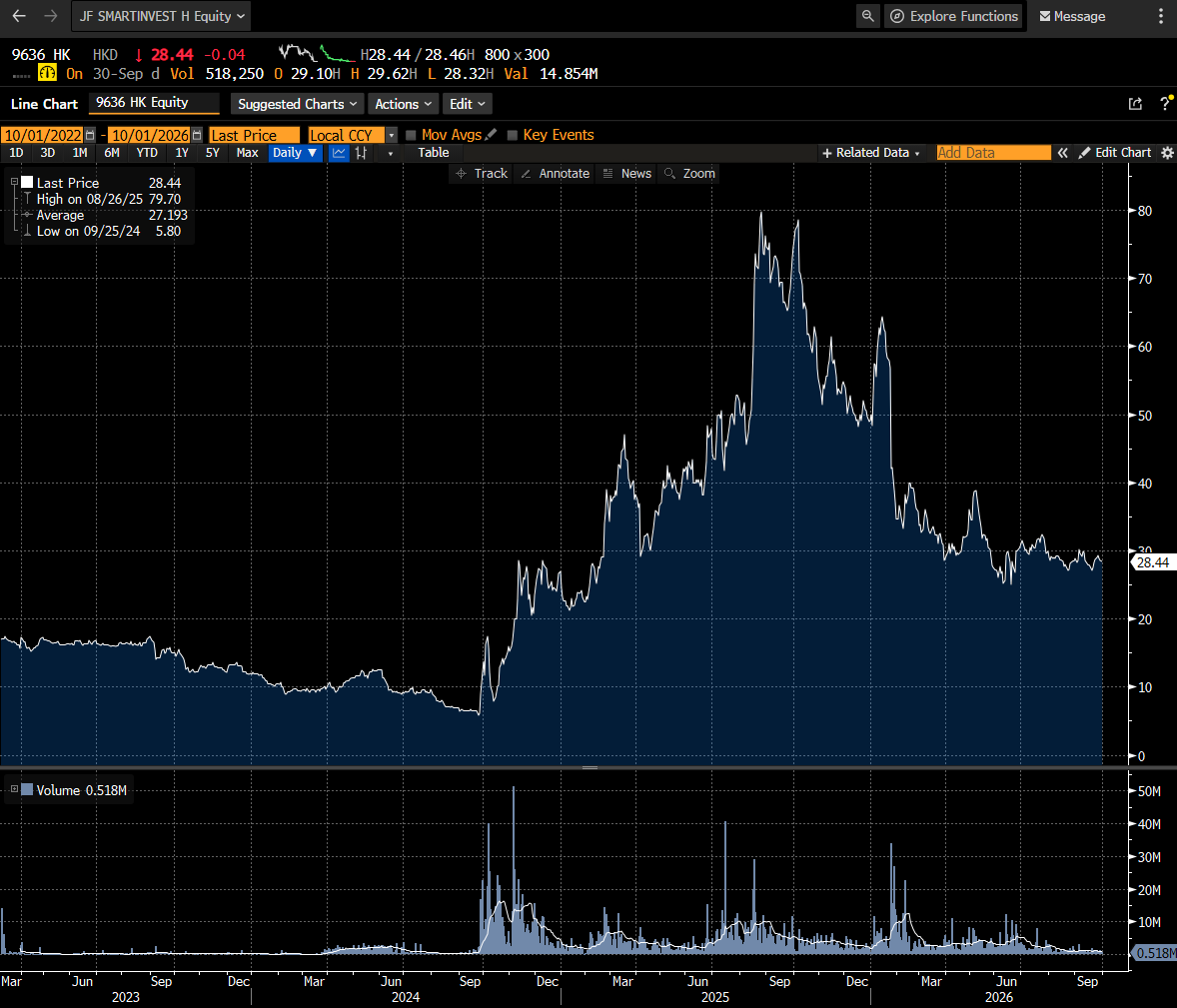
New on the tracker: @VultureCaptRes, debuting with a short on Hong Kong-listed JF SmartInvest. Welcome.
$LIFE is a repeat target. @BearCaveEmail covered Ethos in May.
Sign up free for our weekly recaps + a 30-day free trial of the dashboard: https://t.co/ab1c64sKpI
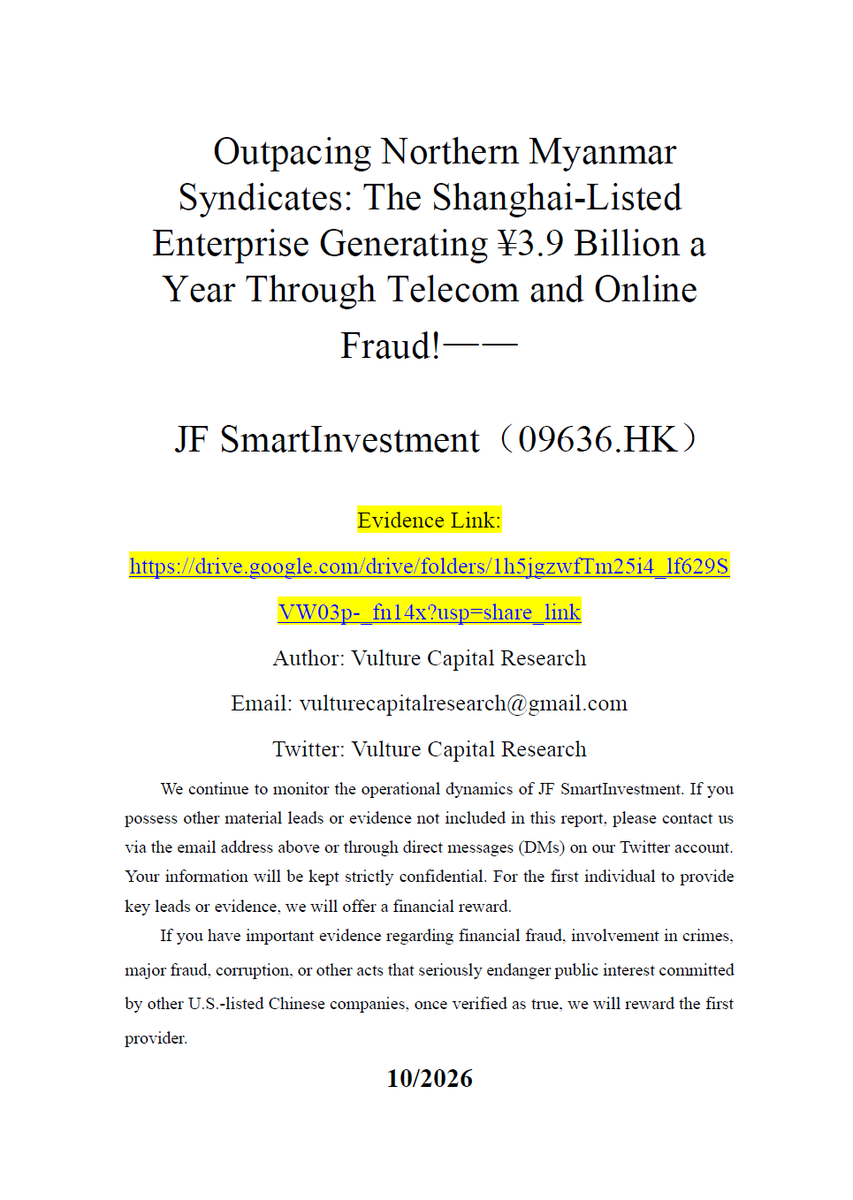
JF Smart Investment(https://t.co/BR3pnMy1PN)——Outpacing Northern Myanmar Syndicates: The Shanghai-Listed Enterprise Generating ¥3.9 Billion a Year Through Telecom and Online Fraud!
Link:https://t.co/xslOKsqhdb
Jim Chanos, January 2001. Wall Street analysts told him, word for word, that Enron was "a black box nobody can actually analyze." They kept telling clients to buy it anyway. Eleven months later, $74 billion was gone.
Chanos wasn't inside Enron and he wasn't a regulator. He ran a short-selling fund called Kynikos Associates - Greek for "cynic," which turned out to be the right name for the job. In late 2000, he read a Wall Street Journal article about an accounting method called "gain-on-sale" - companies booking today's profit off trades that hadn't actually paid out yet.
He pulled Enron's own 1999 annual report and ran one calculation: return on capital versus cost of capital. Enron's return on capital came out to about 7% before taxes. His estimate of what it cost Enron to raise that capital: roughly 9%. The company was destroying value on every deal it signed, while reporting record profits.
He opened a short position in November 2000.
Two months later, he sat down with the analysts who covered the stock and asked them to walk him through it. Their answer wasn't reassurance. It was a shrug: nobody could actually verify Enron's numbers, they said - it was a "trust me" story. They kept their buy ratings.
He wasn't the only one who noticed. In March 2001, journalist Bethany McLean published a Fortune article asking one plain question: how exactly does Enron make its money? Enron's own executives couldn't answer it without getting angry. CFO Andrew Fastow snapped that Enron was "not a trading company." CEO Jeff Skilling dismissed her, saying she hadn't "gone through the business in detail." Neither of them actually explained the number.
The warning signs kept stacking after that. Cryptic related-party transactions buried in filings. Heavy insider selling by executives. Then, in August 2001, Skilling resigned without real explanation - Chanos later called it the most ominous signal yet.
On December 2, 2001, Enron filed for bankruptcy - the largest corporate collapse in U.S. history at the time. The stock that once traded above $90 closed at $0.61 before the filing. Shareholders lost roughly $74 billion, with $40-45 billion of that tied directly to the fraud. Chanos later testified before Congress about exactly how he'd seen it coming.
Nobody needed inside information to catch it.
The math was sitting in a public filing a full year before the collapse. The only thing standing between that number and everyone else was whether anyone bothered to check it.
The CEO of Dynegy said on a conference call that he had looked carefully at Enron's accounting and it was exactly the same as theirs. The next morning Jim Chanos shorted Dynegy.
Chanos, founder of Kynikos Associates, was the first major player to go against Enron. Here he walks through step by step how he found the fraud and why these schemes still work today.
"We literally invited every prominent sell-side analyst who was bullish on Enron to come up and meet with us for coffee or lunch and we walked them through our story. They all basically said the same thing"
"We didn't hedge it. It was a pure short position. I don't think we ever bought puts."
Bookmark this and watch it: 8 minutes where Chanos shows how he read Enron's filings a year before the market did.
david einhorn has run greenlight since 1996 and compounded at 12.7% net on more than $3 billion. he was asked what would surprise someone who sat beside him for a month watching every decision:
"I think you'd be surprised how few decisions I actually make. my ratio between trading decisions and naps is much higher towards naps than people would expect."
"when the data checks out but your gut says no I make the more conservative decision. [and in reverse] again, I'll choose the more conservative decision, whichever that is, if I'm conflicted."
David Einhorn started Greenlight with just $900,000 in 1996 - and nearly 30 years later he says the industry that taught him how to invest has basically been wiped out: “the value investing industry... is defeated, so to speak”
this is him explaining why trillions moving into passive funds killed off entire research teams, why most trading today has “nothing to do with value,” and why that actually leaves more mispriced stocks for the few investors still willing to figure out what a business is worth
Einhorn says even if Greenlight does a really good job, they’ll still be wrong roughly 30-35% of the time: “the best advice I’ve ever received in managing a portfolio is: as soon as you know that you’re wrong, change your mind”
bookmark and watch the full interview below
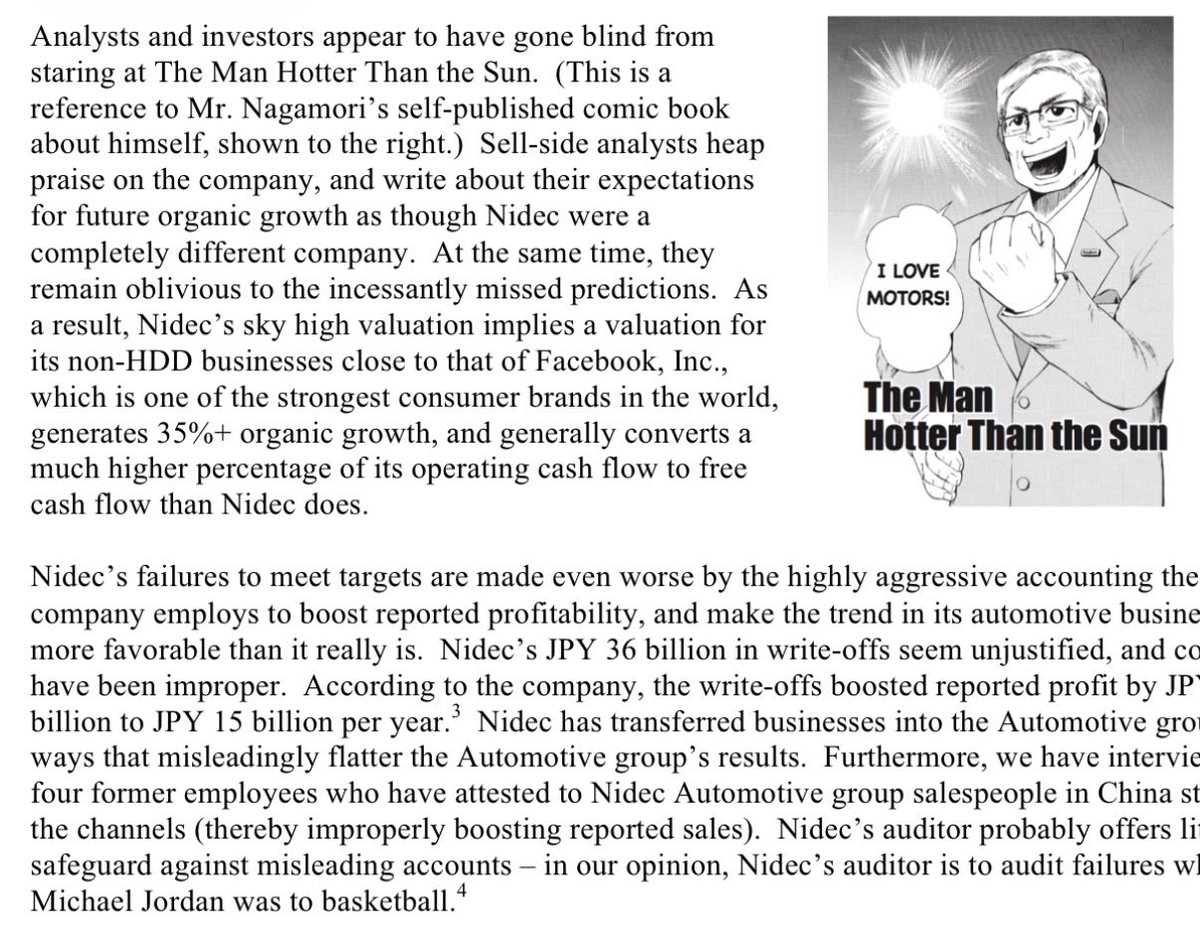
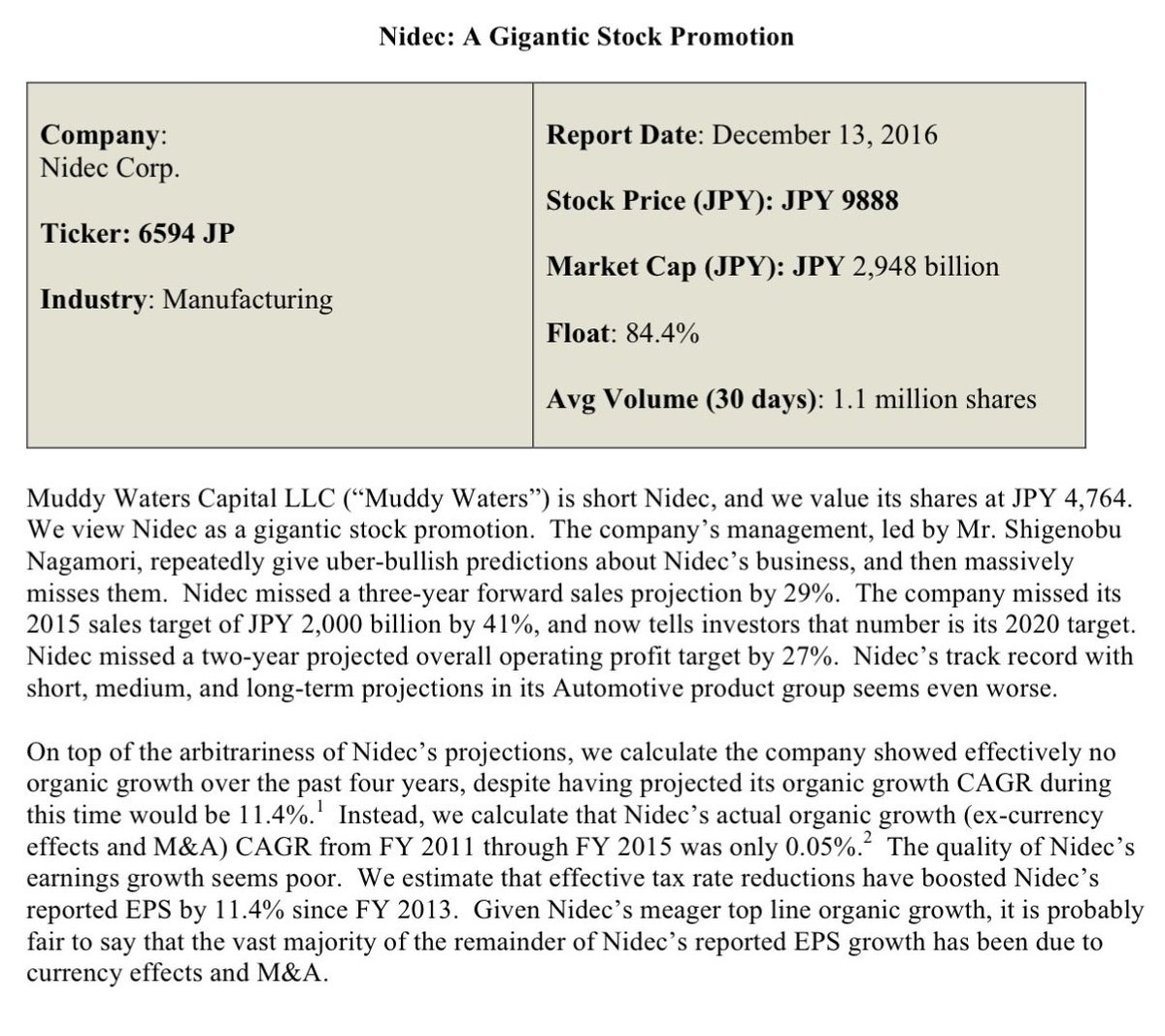
“I’m not sure about your young liberal arts majors. They’re probably screwed. I mean, ultimately, we all kind of are.” In an interview with The Economist, Carson Block, founder of @muddywatersre, discusses AI disruption in markets and the jobs apocalypse.
For more on markets, finance and economics, listen to our “Money Talks” podcast: https://t.co/wzl1fAbNEI
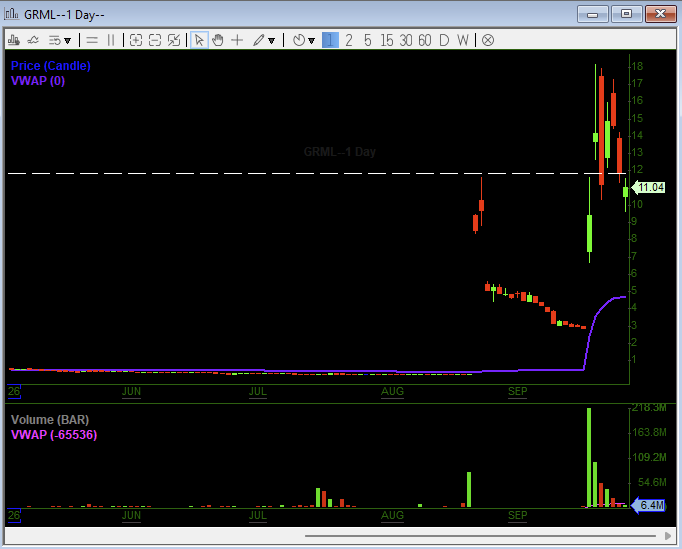
$GRML touched lows of $9.60 today.
We laid out the setup and key risks ahead of Monday, and now you can see how the thesis played out.
Full report below 👇
https://t.co/HAzbROGzUq
Those who purchase a preorder of my book “Short Selling Master” and send me a screenshot via dm will get a bonus chapter of my book!
If you’re in LA I will also give you a tour of my trading office 🔥🔥🐻🫡🫡📕
Link to preorder: https://t.co/EFjtVESLz7
JF Smart Investment(https://t.co/BR3pnMy1PN)——Outpacing Northern Myanmar Syndicates: The Shanghai-Listed Enterprise Generating ¥3.9 Billion a Year Through Telecom and Online Fraud!
Link:https://t.co/xslOKsqhdb
New report from @VultureCaptRes on JF SmartInvest (https://t.co/Og09kP6FdE) alleging that its rapid growth and profitability depend on misleading marketing, aggressive online customer acquisition and investment recommendations made by inadequately qualified staff. Target price of zero: https://t.co/HPXpLfXj3K