The MOPh and WHO thank the dedicated teams at @geitaoui & the National Burn Center for their professionalism, commitment, & frontline service during this emergency.
Together, we stand for timely care, resilient health systems, and access to essential life-saving supplies for all.
WHO Lebanon, with funding support from @ECHO_MiddleEast and in coordination with the @mophleb's Public Health Emergency Operations Center, delivered 2 Trauma and Emergency Surgery Kits to Lebanese Geitaoui Hospital, covering the treatment needs of up to 100 trauma/burn cases.
As the hospital and its specialized National Burn Center continue receiving critical burn and trauma cases from conflict-affected areas & displaced populations, this support aims to strengthen life-saving emergency care and ensure timely access to essential trauma meds & supplies
In southern #Lebanon, Tyre hospital strikes on Monday leave patients without critical care, says Dr Abdinasir Abubakar, @WHO 🇱🇧.
In the past three months, WHO has verified ~190 attacks on healthcare: 128 healthcare workers were killed & 332 injured.
https://t.co/6p5XWLC0vu
Attacks on health in #Lebanon continue to take lives and deprive people of access to health care.
In the most recent hostilities in Tyre, South Lebanon, multiple attacks have been reported affecting two of the city’s three hospitals:
* Jabal Amel Hospital where according to initial reports 39 health workers were injured yesterday; and the hospital's emergency department and intensive care unit sustained severe physical damage. @WHO is verifying the reported figures and the full extent of the impact.
* Hiram Hospital was damaged on 22 May and again on 31 May, resulting in injuries to 37 health workers.
Despite the damage, these hospitals continue to manage an increased influx of patients from mass casualty events.
Since the latest escalation on 2 March 2026, WHO has verified 191 attacks on health care, resulting in 128 deaths and 371 injuries among health workers and patients.
WHO reiterates its call for the protection of health care, health workers, patients and medical facilities in accordance with international humanitarian law.
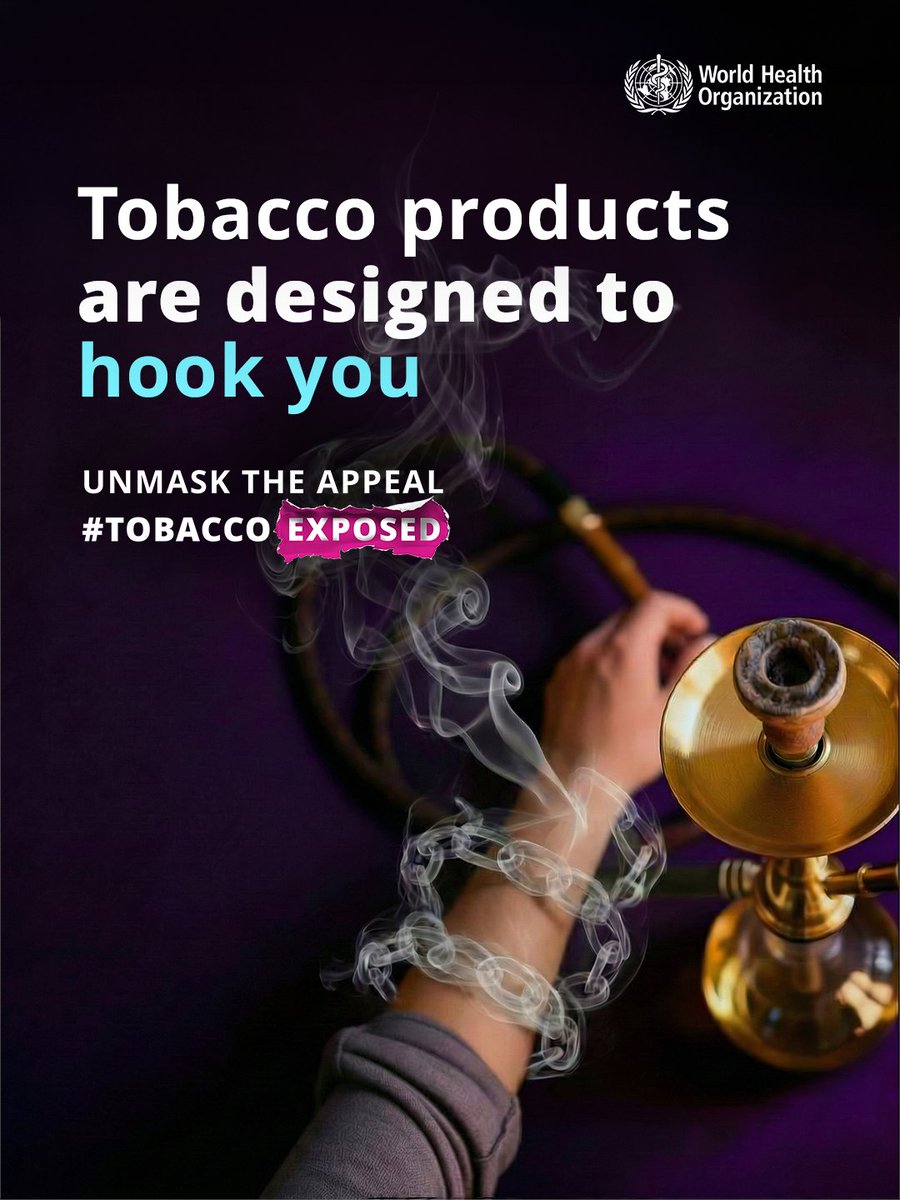
Today is #WorldNoTobaccoDay 🚭
Tobacco and nicotine companies deliberately design their products to hook you. Sugars, flavours, and cooling agents all mask the harshness of nicotine so you inhale more and get dependent faster.
#TobaccoExposed#HealthForAll
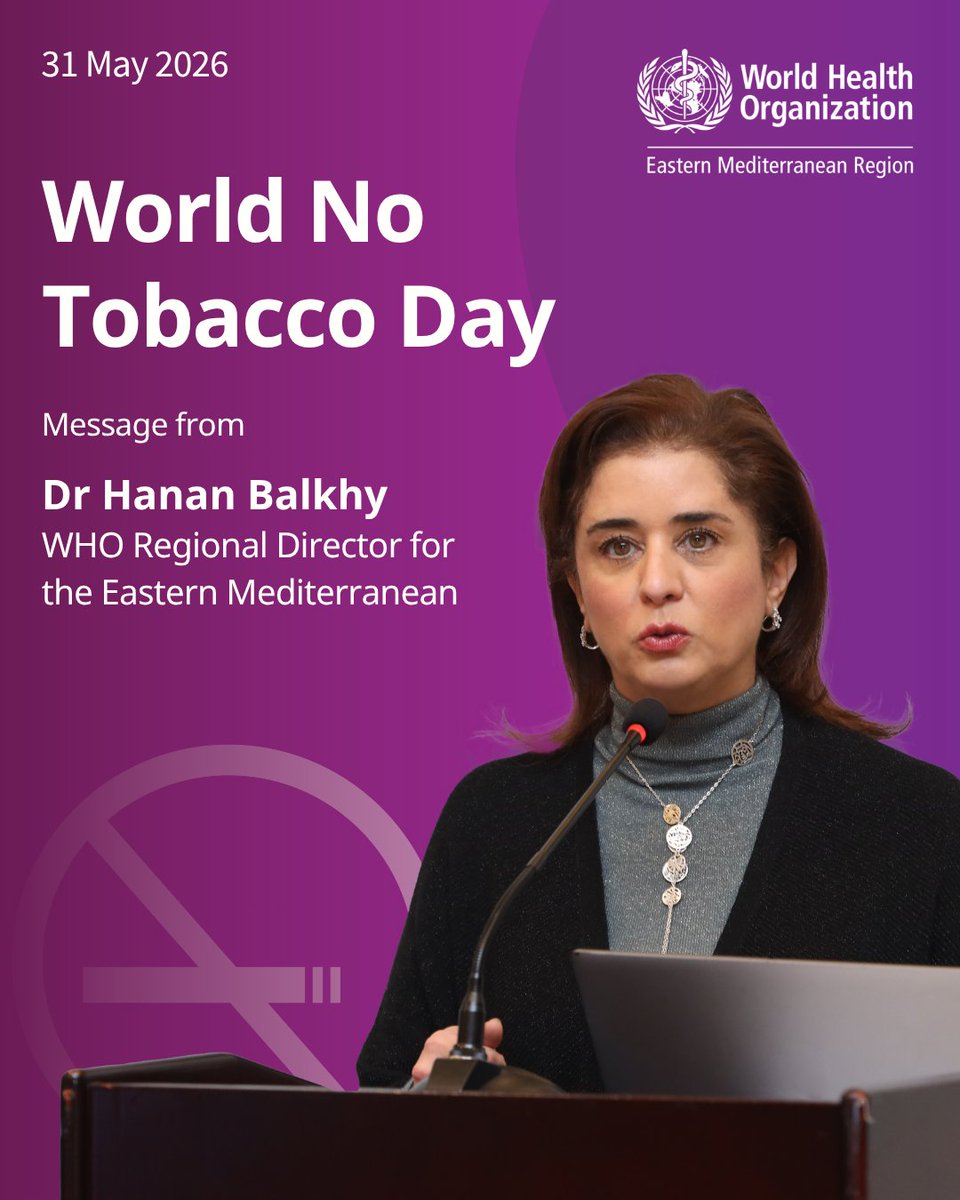
Message from Dr @HananBalkhy, WHO Regional Director for the Eastern Mediterranean on the occasion of #WorldNoTobaccoDay 2026
-----------
This year’s World No Tobacco Day campaign shines a light on a hard truth: the tobacco and nicotine industry is constantly reinventing itself—repackaging harm to hook a new generation, particularly children and adolescents, while sidestepping stronger regulation.
As a paediatrician and a mother, I find this deeply concerning. These products are designed to create addiction early, targeting young people at a stage of life when their bodies and brains are still developing.
Despite decades of progress, tobacco and nicotine products continue to cause millions of preventable deaths each year.
In the Eastern Mediterranean Region an estimated 5.5 million children aged 13 to 15 are already using tobacco. Adolescents are far more likely than adults to use e-cigarettes, with rates among young people—especially boys—reaching alarming levels in some areas. Across many countries, more than half of young people report exposure to tobacco advertising and promotion.
This is not accidental. It is the result of deliberate strategies—flavours that mask harshness, packaging that attracts, and digital marketing that normalizes use. Combined with weak regulation, enforcement gaps and persistent industry interference, these tactics are driving a growing and evolving epidemic.
In a Region where a large share of the population is under 30, the stakes could not be higher. Without decisive action, we risk locking a new generation into lifelong addiction.
We must act immediately to ban flavours that target youth, to regulate product design, and to mandate clear graphic health warnings and adopt plain packaging. We must enforce comprehensive bans on advertising, promotion and sponsorship—including across digital platforms.
We must protect people from second-hand smoke, strengthen cessation services, and increase taxes to reduce affordability. Together, we must unmask the appeal, counter these tactics and act now to safeguard health across the Eastern Mediterranean Region.
No industry should be allowed to profit from nicotine and tobacco addiction at the expense of future generations.
#TobaccoExposed
رسالة من الدكتورة حنان حسن بلخي @HananBalkhy، المديرة الإقليمية لمنظمة الصحة العالمية لشرق المتوسط بمناسبة #اليوم_العالمي_للامتناع_عن_التبغ 2026
-----------
إن حملة اليوم العالمي للامتناع عن التبغ هذا العام تسلط الضوء على حقيقة مُرّة، ألا وهي أن دوائر صناعة التبغ والنيكوتين لا تكفّ عن تغيير صورتها وتبديل جلدها، إذ تُعيد تغليف ضررها في صور مُغايرة لاستدراج جيل جديد إلى شركها، ولا سيما الأطفال والمراهقين، مع التملص من كل محاولةٍ لتشديد الرقابة عليها.
وبصفتي طبيبة أطفال وأمًا، أشعر بقلق بالغ حيال ذلك. فهذه المنتجات مُصمّمةٌ لاستدراج صغار السن إلى فخ الإدمان في سن مبكرة، مستهدفة الشباب في مرحلة عمرية لا تزال فيها أجسادهم وعقولهم في طور النمو والتشكّل.
وعلى الرغم من التقدم المُحرَز على مدى عقود، لا تزال منتجات التبغ والنيكوتين تتسبب في ملايين الوفيات التي يمكن الوقاية منها كل عام.
وتشير التقديرات في إقليم شرق المتوسط إلى وجود 5.5 مليون طفل تتراوح أعمارهم بين 13 و15 عامًا يتعاطون التبغ بالفعل. والمراهقون أشد عُرضة بكثير لتدخين السجائر الإلكترونية مقارنة بالبالغين، إذ تصل المعدلات بين الشباب – وخاصة الفتيان – إلى مستويات مقلقة في بعض المناطق. وفي بلدان كثيرة، أفاد أكثر من نصف الشباب بتعرُّضهم لحملات الإعلان عن التبغ والترويج له.
وهذا ليس من قبيل الصدفة، بل هو نتيجة لاستراتيجيات مقصودة، مثل النكهات التي تُخفِّف قسوة الطعم، والعبوات المصمّمة لتستأثر بالأنظار، والتسويق الرقمي الذي يُرسّخ التعاطي ويجعله أمرًا مألوفًا. وهذه الألاعيب، إلى جانب ضعف التشريعات وثغرات الإنفاذ والعرقلة المتواصلة من جانب دوائر صناعة التبغ، تؤدي إلى تفاقم الوباء وتطوره.
وينطوي ذلك على مخاطر جسيمة في إقليمنا الذي فيه شريحةٌ كبيرة من السكان دون سن الثلاثين. وإذا لم تُتخذ إجراءات حاسمة، فقد يقع جيل جديد في براثن الإدمان مدى الحياة.
علينا أن نتحرك فورًا لحظر النكهات التي تستهدف الشباب، ووضع لوائح تُنظِّم تصميم المنتجات، والإلزام بوضع تحذيرات صحية مصوّرة واضحة وباستخدام التغليف البسيط. ويجب علينا فرض حظر شامل على الإعلان عن التبغ والترويج له ورعايته، بما يشمل المنصات الرقمية.
وعلينا أن نحمي الناس من التدخين غير المباشر، وأن نعزز خدمات الإقلاع عن التدخين، وأن نزيد الضرائبَ لخفض القدرة على تحمّل تكاليف التبغ. وعلينا أن نتكاتف معًا لفضح زيف المغريات والتصدي لهذه الألاعيب، وأن نتحرك الآن لحماية الصحة في جميع أنحاء إقليم شرق المتوسط.
فينبغي ألا يُسمح لأي صناعة بأن تستغل إدمان النيكوتين والتبغ لتحقيق أرباح على حساب الأجيال القادمة.
WHO Lebanon Annual Report 2025 showcases achievements, success stories, impact, & the challenges we have faced.
Sincere thanks to all partners for their valuable support.
Full report is available on our website (https://t.co/ZHoT6pnCkd), & we encourage you to review it.
The response to the March 2, 2026 crisis began long before the emergency. Through years of preparedness and WHO support, the @mophleb strengthened medicine storage and readiness across Lebanon. Preparedness enables faster response, reduces suffering, and saves lives.
The workshop enhanced capacities for early detection and reporting of communicable diseases through the DHIS2 platform and the 1787 hotline, helping ensure timely public health response and stronger community-level preparedness amid ongoing challenges.
The @mophleb’s Epidemiological Surveillance Unit, with support from WHO and funding from Spain @AECID_es, conducted a 5-day Community-Based Surveillance training for NGO focal points from all governorates.
@Spainlebanon@spain@WHOEMRO@SpainMFA
The warehouse strengthens Lebanon’s ability to store, manage, and distribute medical supplies during emergencies and routine health operations.
The project reflects the continued partnership between WHO, MOPH @MofaJapan_en to strengthen health system resilience across Lebanon.
WHO Lebanon, in collaboration with the @mophleb and with support from the @JapanEmbLebanon, marked the completion and handover of the upgraded medical supplies warehouse in Karantina — a key step in strengthening Lebanon’s emergency preparedness and health supply chain resilience
The PHC is providing chronic disease and mental health medications for nearly 1,000 patients, while also supporting early detection of noncommunicable diseases and mental health conditions during the crisis.
@WHOEMRO
WHO Lebanon conducted field visits to Rafic Hariri PHC in Tarik Jdide and a nearby shelter hosting around 1,200 displaced persons. The visits highlighted the importance of integrated health, mental health, and psychosocial support services for vulnerable communities and IDP.
WHO’s response to crises begins long before emergencies strike through preparedness. In Lebanon, WHO’s response to the current crisis started more than 1500 days earlier through strengthening the Public Health Emergency Operations Center (PHEOC) — because preparedness saves lives