Trusted community voices are essential in preventing and responding to disease outbreaks.
In Kasese District, @WHOUganda , working with the District Health Team, engaged 229 congregants at Nyakayina SDA Church in Karambi Sub-county on Ebola prevention, community-based surveillance, infection prevention and control, and the importance of early reporting of suspected cases.
The church leadership committed to integrating prevention messages into sermons and community announcements and volunteered to support rumor monitoring in the area.
@WHO appreciates the support of @FCDOGovUK and other partners whose contributions continue to strengthen community engagement, preparedness and health security at the community level.
Protecting the health and future of young people requires collective action.
@WHOUganda joined HRH the Kyabazinga of Busoga, cultural and religious leaders, government institutions, Schools, Donors, UN agencies and partners under the #2gether4SRHR Initiative to launch the Busoga Regional Partnership Response and Accountability Framework for action against teenage pregnancy, early marriage, school dropout, gender-based violence, HIV and poverty.
@WHO reaffirmed its commitment to working with partners to empower adolescents and young people and accelerate progress towards healthier, safer and more prosperous communities.
Health emegency Preparedness is strongest when it is sustained, coordinated and community-driven.
Yesterday, @WHOUganda joined the @MinofHealthUG and partners to engage the media on Uganda's readiness efforts in light of the ongoing #Ebola outbreak in the Democratic Republic of the Congo. Discussions highlighted the importance of strengthened surveillance at points of entry, enhanced community surveillance, reinforced infection prevention and control measures, and strong cross-border collaboration.
@WHO continues to support the Ministry of Health to strengthen early detection, preparedness and response capacities to protect communities and advance regional health security.
Partnerships are at the heart of stronger health systems and healthier communities.
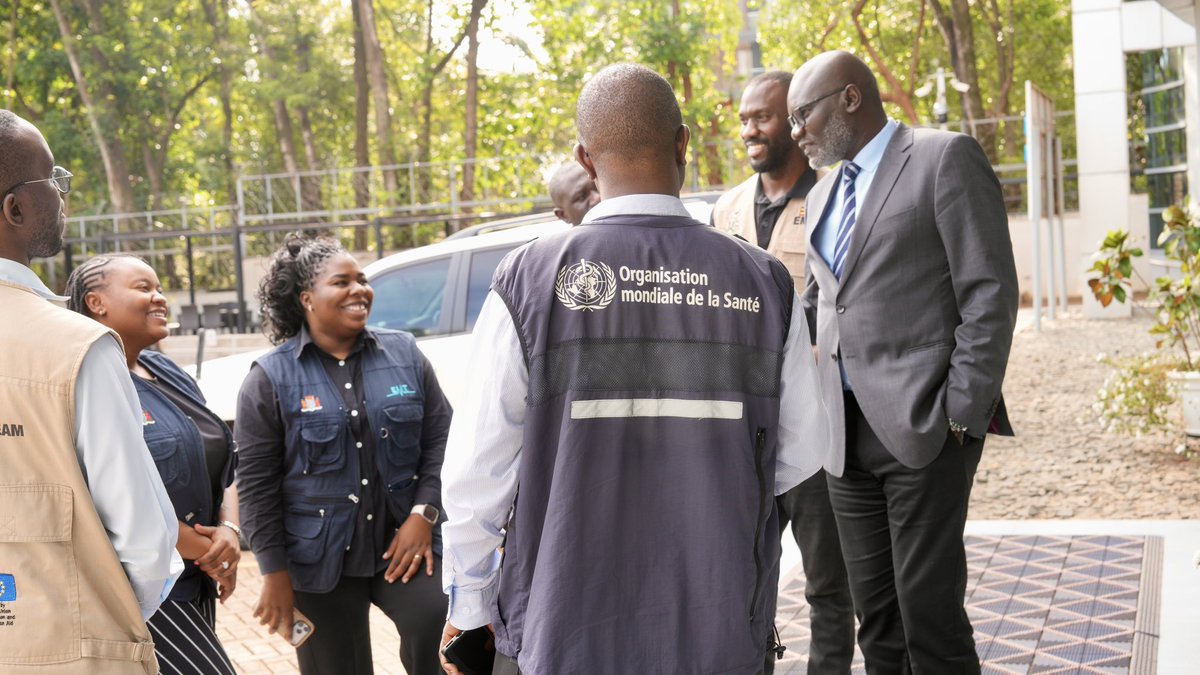
Today, @WHOUganda is pleased to welcome H.E. Virginie Leroy, Ambassador of France to #Uganda, and her delegation from the @FrenchEmbassyUg for a courtesy visit. The meeting discussed shared priorities, including Ebola preparedness and response in Uganda and across borders, as well as opportunities to further strengthen collaboration in support of health.
The engagement reaffirmed the strong partnership between #France and @WHO and our shared commitment to promoting, providing and protecting health for all.
Preparedness is most effective when it reaches the communities and border points where risks are highest.
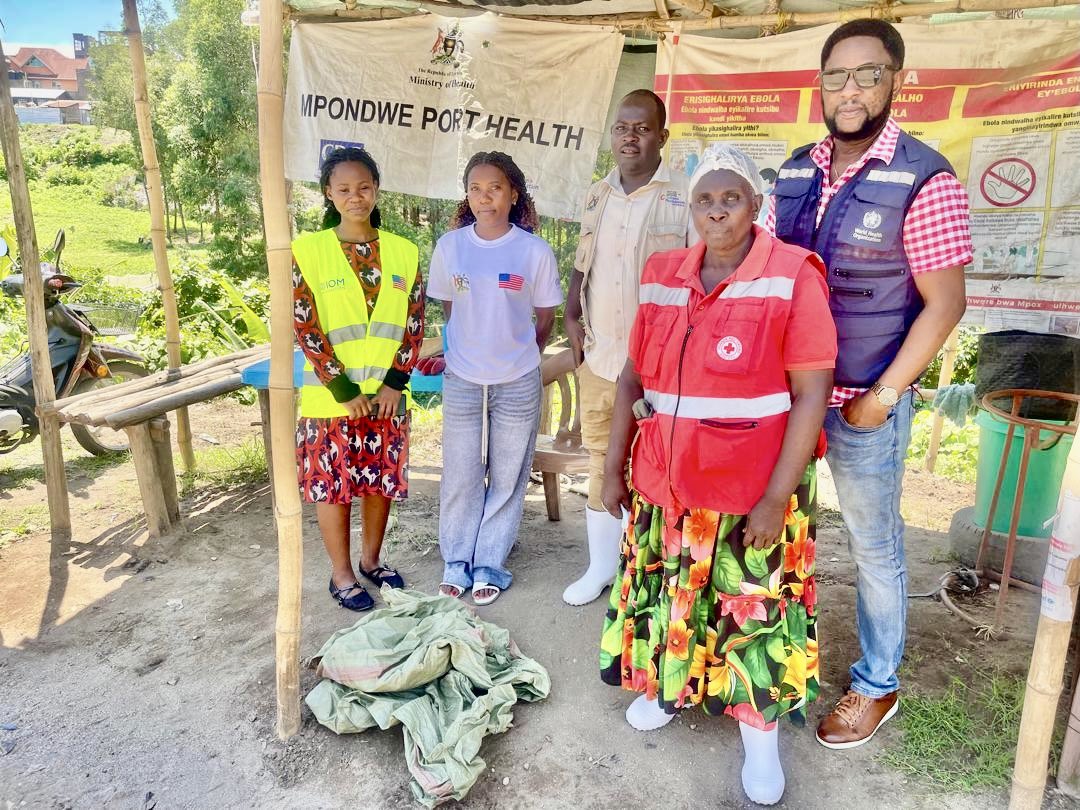
Yesterday, WHO joined the Ministry of Health, Members of Parliament, district leaders, development partners and communities in Kasese District for a high-level meeting on Ebola preparedness and readiness at the Mpondwe border area. The engagement provided an opportunity to review progress, identify remaining gaps and strengthen actions to protect communities from the ongoing #Ebola outbreak in the eastern #DRC.
With support from @FCDOGovUK, we continue to support Uganda's preparedness efforts to protect the health of people in border communities.
Strong health security depends on a skilled public health workforce.
@WHOUganda was pleased to host the @AfricaCDC Public Health Emergency Management (PHEM) Fellowship Cohort 3 during their learning visit to #Uganda. Fellows engaged with @WHO experts on the International Health Regulations (IHR 2005), including the 2024 amendments, and explored their role in strengthening preparedness and response to public health emergencies.
Through learning, collaboration and experience sharing, we continue to build capacities to prevent, detect and respond to health threats across Africa.
Today, we're celebrating four incredible colleagues whose journeys with @WHO have helped shape healthier communities and stronger health systems across #Uganda.
Congratulations to Dr Mansour RANJBAR KAHKHA, Mr Joseph Ngobi MWOGA, Mr Benjamin SENSASI and Mr Mohamadi KOTEKA on receiving recognition for their long service to WHO.
Together, they represent 90 years of dedication, teamwork, and commitment to improving lives. Behind every year of service are countless hours of hard work, challenges overcome, partnerships built, and contributions that have made a lasting difference.
Thank you for your passion, professionalism and unwavering commitment to health for all. We are proud to celebrate you today and grateful for the impact you continue to make every day.
👏 Congratulations and thank you for your service!
South-South collaboration plays an important role in strengthening emergency preparedness and response capacities.
Today, @WHOUganda hosted a team from the #Zambian National Emergency Medical Team (EMT) as part of their four-day benchmarking visit to the #Uganda National EMT. The visit provided an opportunity to share lessons and best practices in EMT development, coordination, logistics and preparedness.
Uganda's experience has shown that well-trained EMTs can reduce deployment times while minimizing disruption to essential health services during public health emergencies. As Uganda and Zambia advance towards @WHO international classification, the exchange reflects a shared commitment to building stronger emergency response capacity across the region.
#HealthSecurity #SouthSouthCooperation
Diseases do not recognize borders, but preparedness and collaboration can stop them in their tracks.
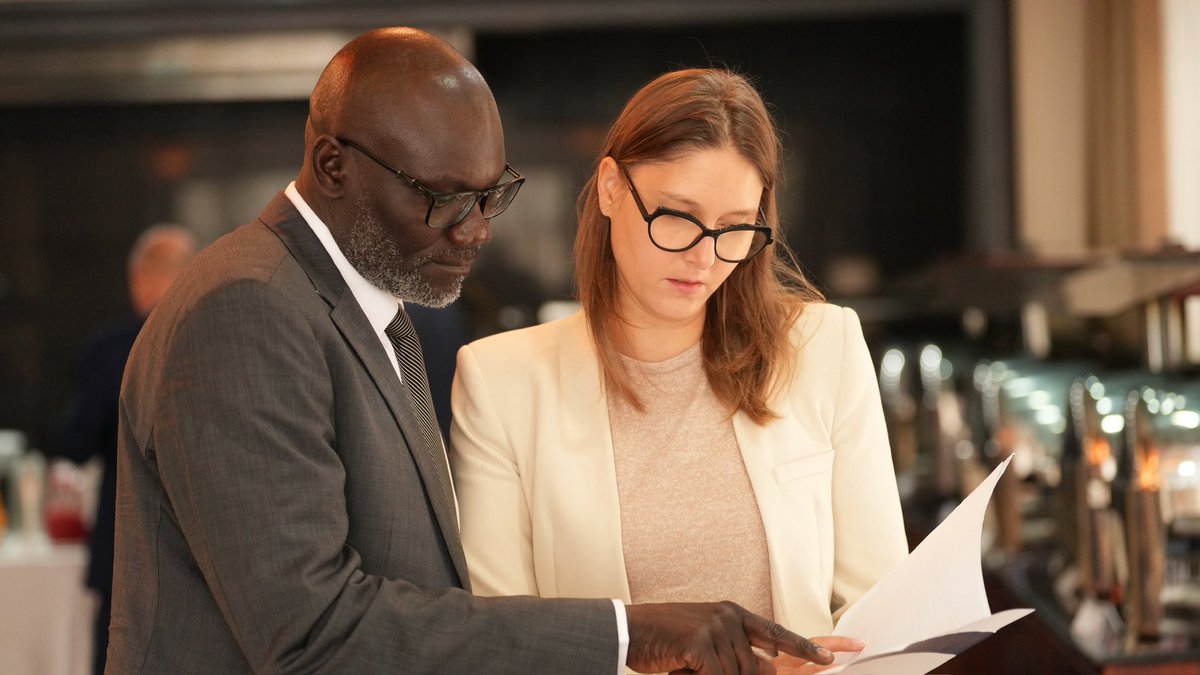
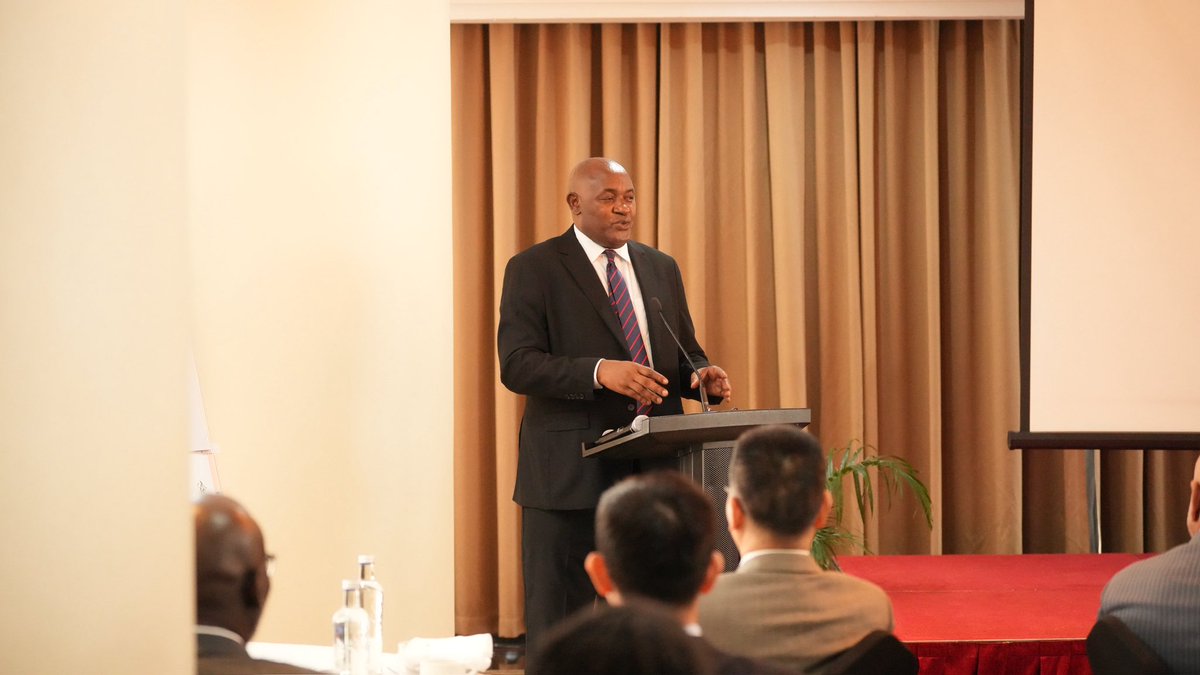
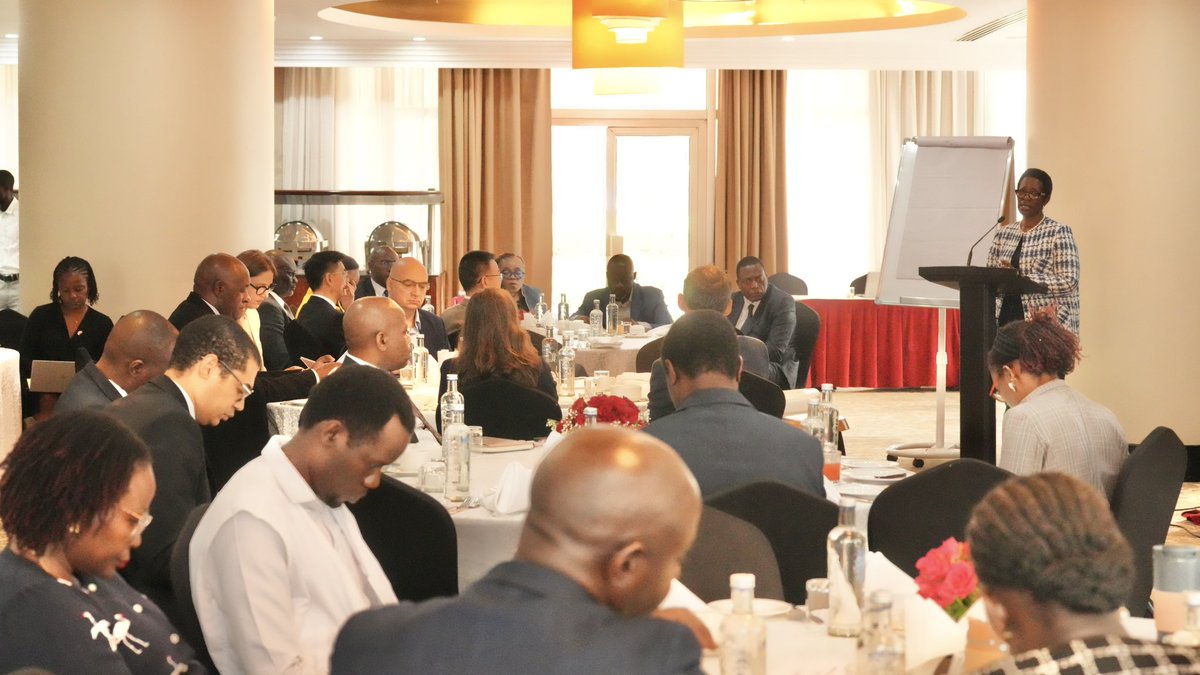
Today, @WHO joined the @MinofHealthUG, diplomatic missions and development partners to discuss #Uganda's readiness in the face of the ongoing #Ebola outbreak in the #DRC and recent cases reported in #Kenya.
The meeting highlighted a shared commitment to sustained preparedness, strong surveillance, cross-border collaboration and community engagement. Because the most effective outbreak response begins before a case is detected.
Following the recent confirmation of a fatal imported #Ebola case in #Kenya involving a traveller who passed through #Uganda, @WHO has intensified technical support to national and district health authorities to strengthen preparedness and response efforts.
In Kasese District and at the Mpondwe–Kasindi border, @WHOUganda teams are supporting epidemiological investigations, surveillance, screening at points of entry, contact tracing, infection prevention and control, risk communication and community engagement.
Sustained vigilance, timely information sharing and strong cross-border collaboration remain essential to protecting communities and strengthening #HealthSecurity.
I am pleased to share the latest edition of the @WHOUganda Newsletter, featuring inspiring stories from Uganda's Ebola outbreak response, health security efforts, strengthened laboratory systems and community action.
📖 Read the newsletter: https://t.co/VmBHOG7cyP
Behind every health milestone are people working together to make a difference.
The @WHOUganda Quarter 3 Newsletter highlights inspiring stories of resilience, partnership and impact, from the successful #Ebola outbreak response to strengthened laboratory systems and community engagement.
Read here: https://t.co/zGEt02XSlg
Strengthening surveillance is critical to preventing and responding to disease outbreaks.
This week, public health experts from nine @_AfricanUnion Member States are in #Kampala to learn from each other, share experiences, and strengthen mortality surveillance for Ebola and other high-risk diseases. The training will build a network of trainers to strengthen surveillance capacity across the region.
Supported by @MinofHealthUG, @WHO, and @AfricaCDC, the training draws on #Uganda's experience implementing mortality surveillance during the #Ebola outbreak response and comes at a time when strengthening preparedness remains essential across the region.
Why are mental health and psychosocial support services critical for #Ebola outbreak response?
Daniel Dramile, a psychiatric nurse from #Uganda 🇺🇬 , answers this and other important questions to mark #WorldMentalHealthDay
https://t.co/0CLFgyEX3z
On #WorldMentalHealthDay, we recognize that protecting health during an outbreak goes beyond diagnosing and treating a disease.
In #Uganda's 2026 #Ebola response, mental health and psychosocial support helped people cope with isolation, separation from loved ones, fear, uncertainty and the disruption of everyday life. By listening, counselling and helping families stay connected, mental health professionals played a vital role in supporting patients and communities throughout the response.
As psychiatric nurse Daniel Dramile reminds us, outbreak response is not only about stopping a virus. It is also about caring for people.
Read more: https://t.co/p6YlaXEJtA
#MentalHealthMatters #HealthForAll
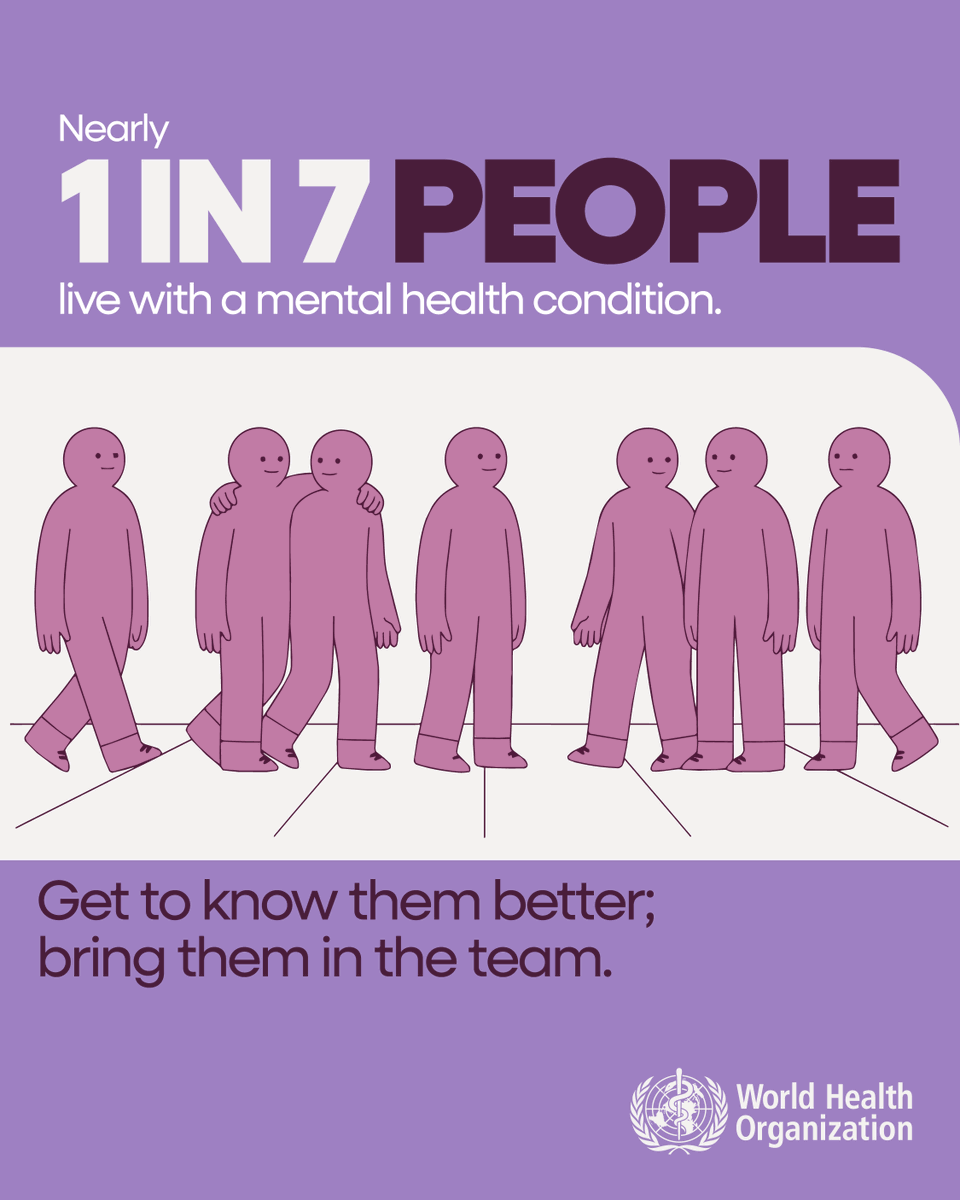
Nearly 1 in 7 people live with a mental health condition.
Behind every statistic is a colleague, a friend, a neighbour or a family member. Creating supportive, inclusive environments starts with understanding, listening and ensuring that no one feels left out.
This #WorldMentalHealthDay, remember that Mental health matters. Inclusion matters. People matter.
#MentalHealthMatters #HealthForAll
Lived experience is expertise.
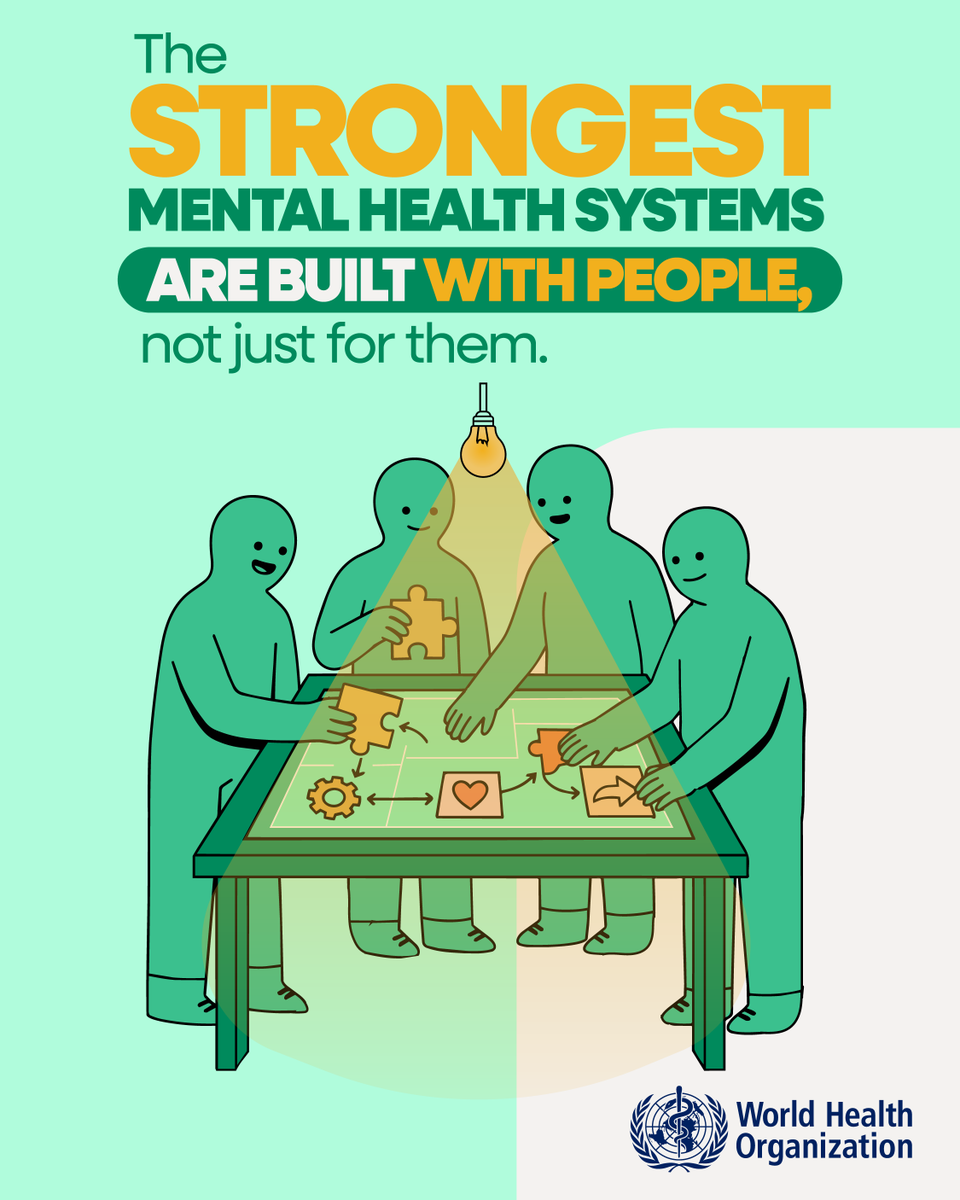
The strongest mental health systems are built with people, not just for them.
People with lived experience understand mental health services in ways that cannot be learned through training or research alone. Their insights help shape services that are more responsive, respectful and grounded in real needs.
On this #WorldMentalHealthDay, let's ensure that lived experience is not only heard, but meaningfully included in decisions that affect mental health care.
#WorldMentalHealthDay
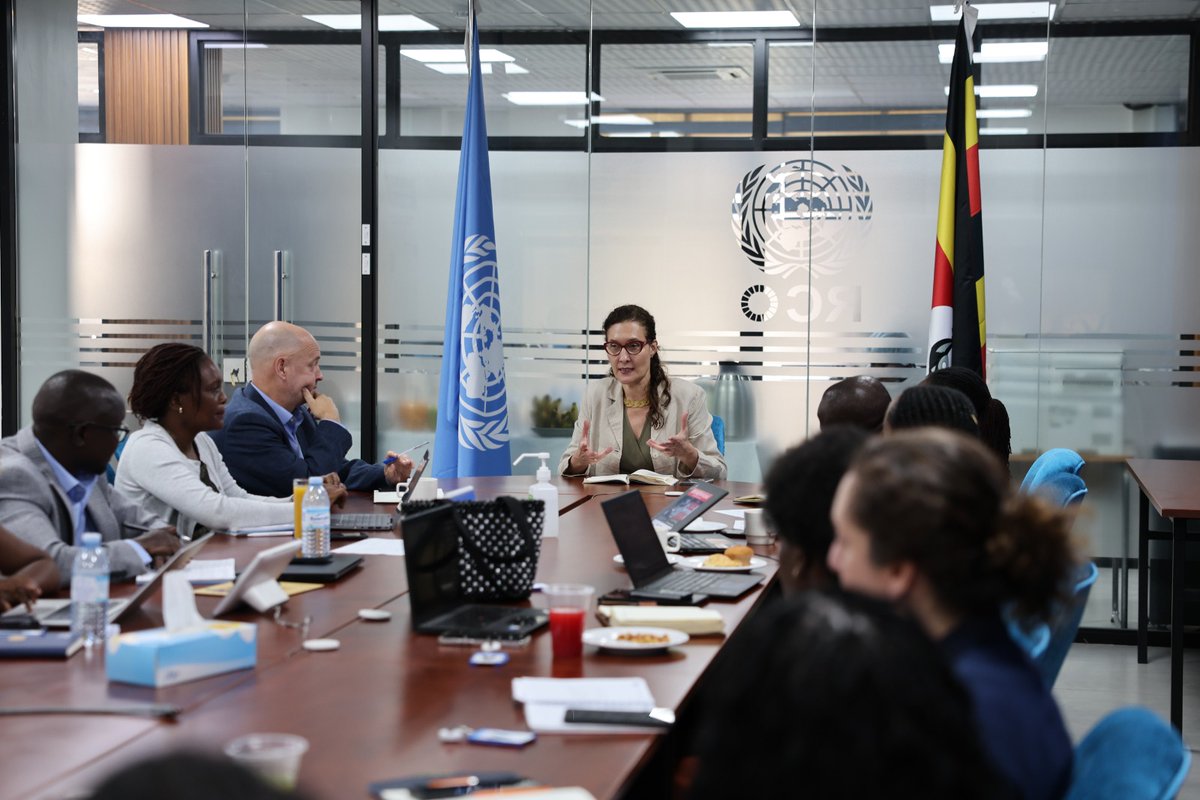
Every victim of sexual exploitation and abuse deserves to be heard, protected and supported.
@WHOUganda joined the Interagency Protection from Sexual Exploitation and Abuse (PSEA) Network in engaging Najla Nassif Palma, United Nations Assistant Secretary-General and Victims’ Rights Advocate, on strengthening survivor-centered approaches to preventing and responding to sexual exploitation and abuse. Together, we explored ways to strengthen trusted reporting channels and address the persistent challenge of underreporting.
Putting victims/survivors at the center of our actions remains essential to accountability, dignity and protection.