The WHO Regional Office for Europe is one of 6 WHO regional offices around the world. It works with public health partners across the Region. Led by @hans_kluge
❤️ There is no single "best" type of physical activity. It all counts – and it improves our health!
The most effective activity is often the one people enjoy and can sustain over time.
https://t.co/1L7CrU9VU2
#BeActive#PhysicalActivity
Physical activity is as unique as you are - it can adapt to your needs and life choices. Embrace movement in whatever form resonates with you.
Any type of physical activity gives health benefits and reduces the risks of heart diseases and cancer.
https://t.co/F5R02ntUPK
Today, I had an online meeting with H.E. President Aleksandar Vučić of Serbia 🇷🇸.
Improving access to affordable, quality-assured medicines, supporting health reforms linked to EU accession, and advancing comprehensive tobacco control, including smoke-free hospitality venues, were at the heart of our discussion.
I reaffirmed @WHO_Europe's readiness to work closely with Serbia on each of these priorities.
I welcomed President Vučić’s commitment to keeping health high on the political agenda and Serbia’s contribution to WHO governing bodies through Health Minister Zlatibor Lončar’s active role on the WHO Executive Board.
I also commended the country’s strong engagement in the Western Balkans Health and Well-being Roadmap, which helps countries work together on shared health challenges.
Building on this foundation, Health Minister Zlatibor Lončar and I signed the WHO–Serbia Biennial Collaborative Agreement for 2026–2027, which will guide our joint work over the next two years.
In Lisbon 🇵🇹, during the WHO Global Conference on AI in Health, I joined a side event that for the first time brought together nine @WHO Collaborating Centres (CCs) from Portugal.
The discussion focused on how their combined expertise can help #Portugal and other Lusophone countries use AI to improve the safety, quality and equity of health services, while strengthening health workforce planning and management.
The centres also discussed developing a common strategic agenda to deepen cooperation across the Portuguese-speaking world and support the emergence of new WHO CCs through a structured coaching approach.
Under our new European Programme of Work, we will continue to expand our partnership with WHO CCs and draw more systematically on their expertise to advance priority areas, including AI in health.
Portuguese-speaking countries, the Lusophone community, share far more than a language. Their long-standing institutional ties, decades of trusted relationships and technical expertise provide a strong foundation for shaping AI in health together.
I was honoured to join health ministers and senior representatives from #Lusophone countries for a session held as part of the WHO Global Conference on AI in Health in Lisbon. My thanks to 🇵🇹 Health Minister Ana Paula Martins for convening this important side event.
The discussion made one point clear: AI in health must not be shaped only by the most digitally advanced countries or the largest technology companies. Every country needs a voice in the rules, standards and partnerships that will determine how AI is used in care.
I emphasized that stronger international cooperation is essential to avoid fragmented approaches that weaken safety, trust and equity.
To prevent this, @WHO continues to support Member States with guidance, shared standards and ethical principles that help make AI in health safe, transparent, accountable and equitable.
In Coimbra 🇵🇹, I handed over a letter inviting the Coimbra Local Health Unit (ULS Coimbra) to collaborate with WHO/Europe – on strengthening integrated care and improving quality of care throughout life.
For people, integrated care means one connected journey, from prevention and primary care to hospital treatment, rehabilitation, long-term care and community support.
By bringing together ULS Coimbra, the University of Coimbra and the Coimbra Academic Clinical Centre, this partnership will combine clinical, academic and research expertise to develop practical solutions that can be adapted and shared elsewhere.
Under Health Minister Ana Paula Martins’s leadership, Portugal is building valuable experience in people-centred, integrated care and contributing to wider learning across the WHO European Region.
WHO/Europe is developing a practical regional roadmap for AI in health and proposing a new centre of excellence to help countries strengthen governance, prepare their workforce and put proven approaches into practice.
AI can become a powerful public good. But only if it supports health professionals rather than replaces their judgement, reaches people who are too often left behind, and improves care in ways that patients can see, understand and trust.
3/3
In the WHO European Region, nearly 2/3 of countries are already using AI in diagnostics, and half have introduced AI-powered patient chatbots.
Yet only 8% have a dedicated health-specific AI strategy, only 1 in 5 provides AI education for health professionals before they qualify, and almost 40% still lack practical guidance on the ethical use of AI in health.
Countries now need to act on three fronts: set clear rules for responsibility, liability and how health data are used; invest in the data systems, testing and workforce training needed to use AI safely; and work together on shared standards so every country, not only the most digitally advanced, can benefit.
2/3
The promise of #AI in health is real. So are the risks when governance, ethics and workforce training fall behind.
That is why @WHO_Europe and Portugal have brought 37 countries from all six @WHO regions, including Lusophone countries, together in Lisbon: to move from excitement about AI to practical action that makes it safe, trusted and useful for patients.
Coming shortly after the @UN AI Scientific Panel’s preliminary report, this is the first global gathering to bring its call for stronger and more coordinated AI governance into the health context.
My sincere thanks to 🇵🇹 Health Minister Ana Paula Martins for hosting this important conference and for Portugal’s outstanding leadership in advancing digital health and AI, nationally and globally.
1/3
ℹ️New data from WHO/@UNICEF shows that childhood immunization coverage across Europe and Central Asia is on the rebound, but significant gaps still persist.
➡️ https://t.co/y7NesC1GrY
🟣🟣🟣 WATCH LIVE NOW 🟣🟣🟣
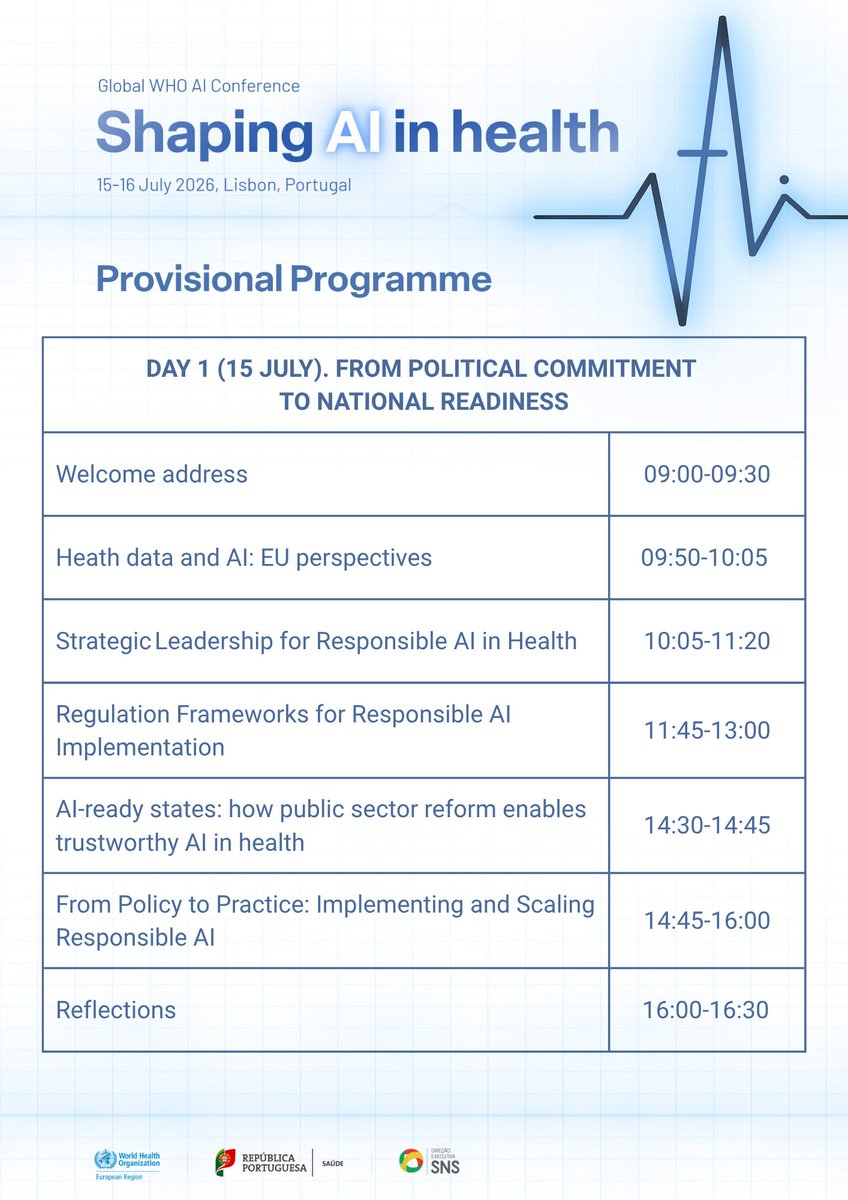
The first-ever global @WHO & @saude_pt conference on #AI in health is starting now in Lisbon!
Livestream: https://t.co/MRx7B1mCQG
In Porto, I joined the Health Ministers of Portugal 🇵🇹, Dr Ana Paula Martins, and São Tomé and Príncipe 🇸🇹, Dr Celso Matos, to celebrate the 20th anniversary of the University of Porto’s Institute of Public Health (ISPUP).
For two decades, ISPUP has combined education, research and service to society, strengthening public health in Portugal and beyond.
Our partnership with ISPUP, including its work as a @WHO Collaborating Centre, has supported Portugal’s efforts to bring prison health services into the National Health Service.
Together, we developed an innovative and unique methodology to assess the nutritional quality of food sold by street vendors in Eastern Europe and Central Asia, giving countries practical evidence to shape healthier food policies.
At a time of ageing populations, climate change, workforce shortages and rapid technological change, institutes like @ISPUP are essential for preparing leaders who can work across disciplines, develop practical solutions and share what works with other countries.
Parabéns, ISPUP!
I welcome the inauguration of WHO’s Tokyo Office, the Universal Health Coverage Knowledge Hub, which will help countries strengthen health financing so more people can access the services they need without financial hardship.
My appreciation to Health Minister Kenichiro Ueno and the Government of Japan for their continued global health leadership and strong support for WHO.
I look forward to this new office creating further opportunities for learning and collaboration across WHO regions, including between the Western Pacific and European Regions.
@MHLWitter | @Ueno_Kenichiro | @MofaJapan_en | @moteging | @JapanMissionUN | @JapanMissionGE | @JapanMissionEU | @JapanEmbBelgium | @WHOWPRO | @RD_WPRO
When should you seek medical care during/after a wildfire? If you:
🔥 have been burned
👀 have burning eyes or difficulty breathing
🫁 have chest pain or respiratory distress
💊 have a chronic disease and need medication
https://t.co/U5yNpEXg60
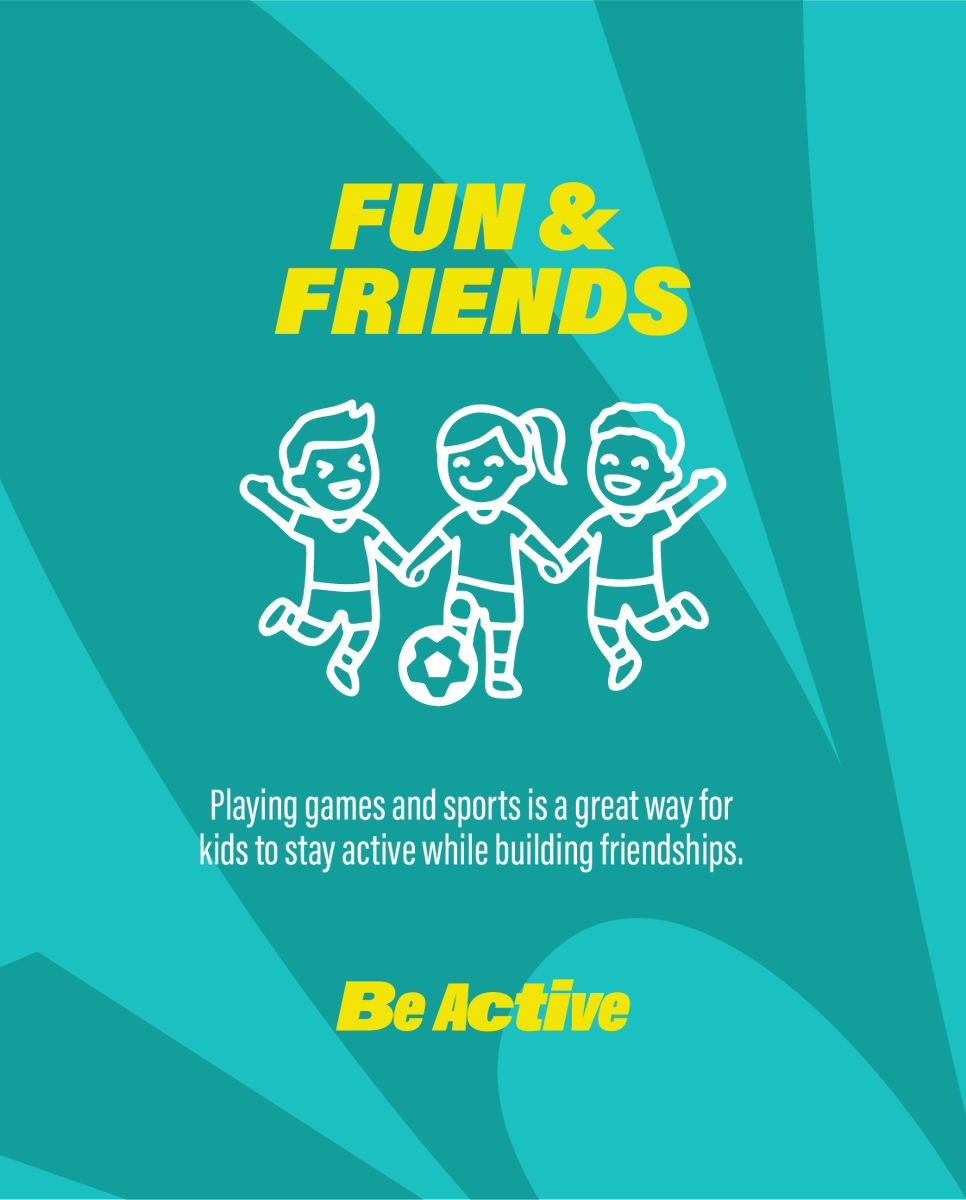
🤝 Physical activity is not only good for health — it also strengthens social connections.
This is especially important for children – active play with friends also increases cognitive health and academic achievement.
https://t.co/1L7CrU9VU2
#BeActive#PhysicalActivity
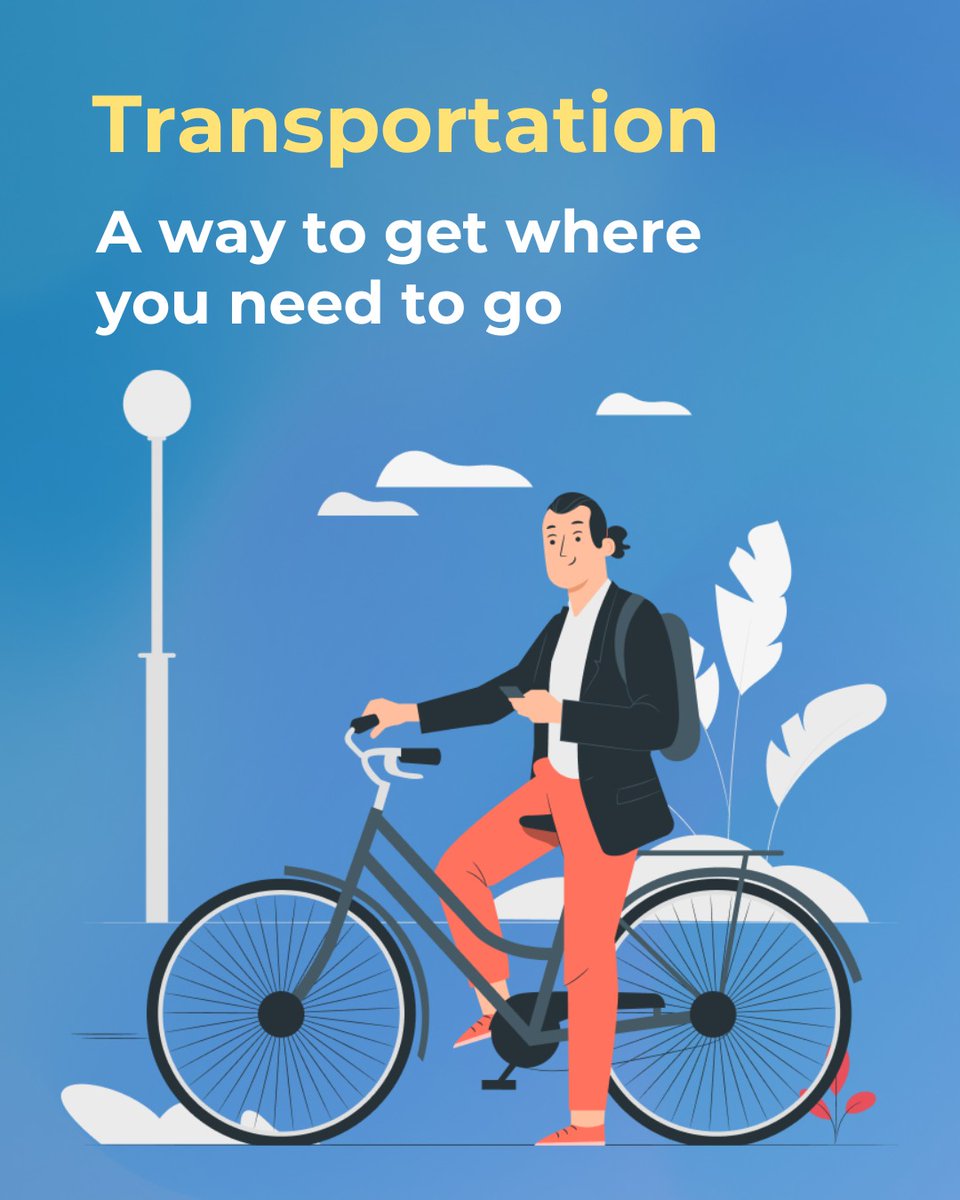
Staying physically active doesn't necessarily require special equipment or costly memberships.
Simple activities like walking, stretching, or household chores can also support your health.
Focus on what you can do today. 💪
https://t.co/F5R02ntUPK
#PhysicalActivity#NCDs
How would safe and effective #AI in healthcare look like?
This short film, co-funded by @EU_Health, presents WHO/Europe’s vision.
Follow the first-ever global @WHO & @saude_pt conference on shaping AI for health: https://t.co/Ee5NWYAepD
Deeply saddened by the devastating fire at a bar in Bangkok 🇹🇭 and the tragic loss of so many lives.
My heartfelt condolences go to the families and loved ones of those who died. I wish everyone injured a swift and full recovery.
I also pay tribute to the firefighters, rescue teams and other first responders, as well as the doctors, nurses and health workers working tirelessly in the aftermath of this tragedy.
At this painful time, we at WHO/Europe stand with the people of Thailand, and with Health Minister Pattana Promphat and his team as they support those affected.
https://t.co/H0gHQPqFZQ
📷 Reuters
@pr_moph
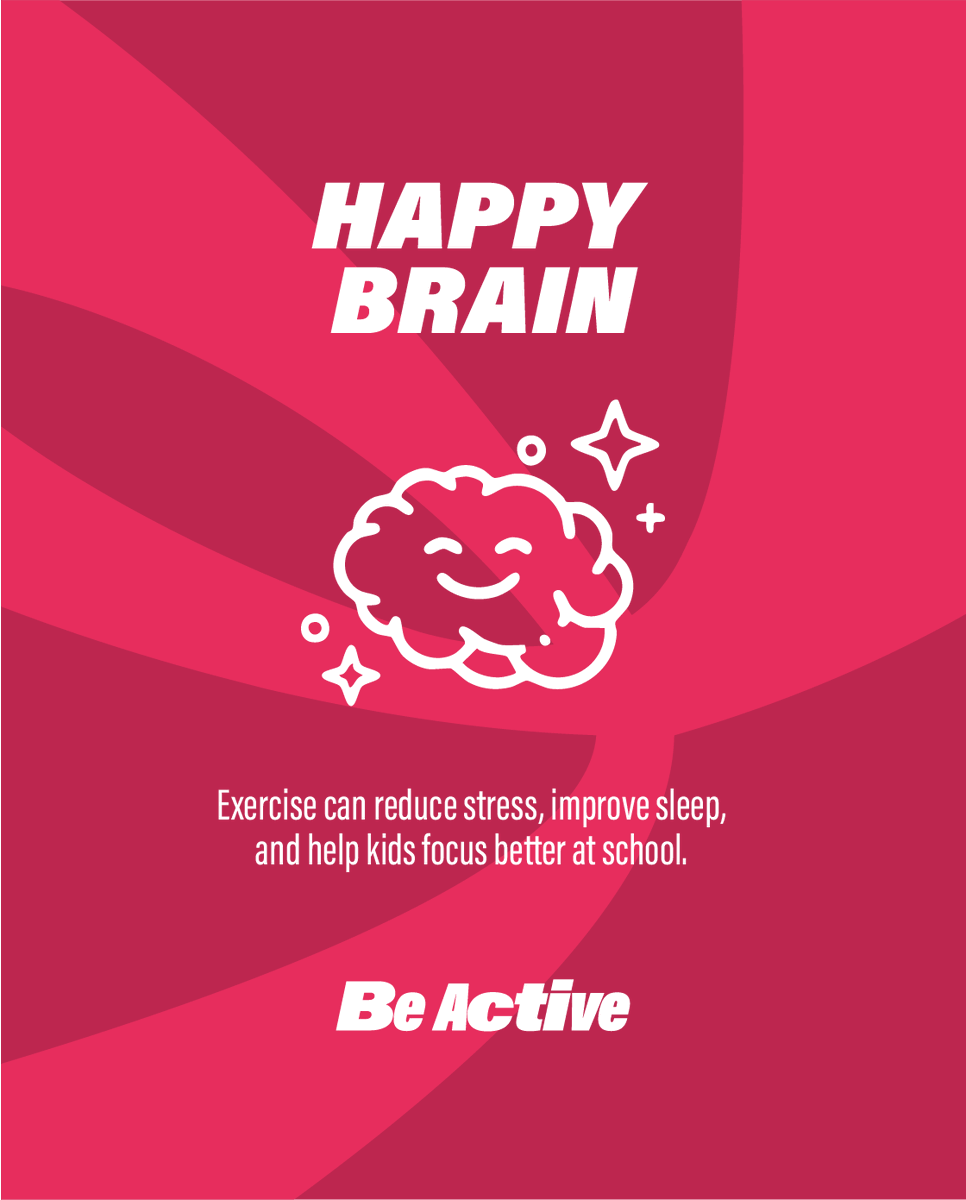
#PhysicalActivity benefits the brain as much as the body.
Regular movement can improve concentration, memory and learning. It helps reduce stress and anxiety, supports emotional wellbeing and contributes to better sleep.
https://t.co/1L7CrU9VU2
#MentalHealth#BeActive