WICCI is a statewide collaboration of scientists and stakeholders that evaluates climate change impacts on Wisconsin and Upper Midwest to foster solutions.
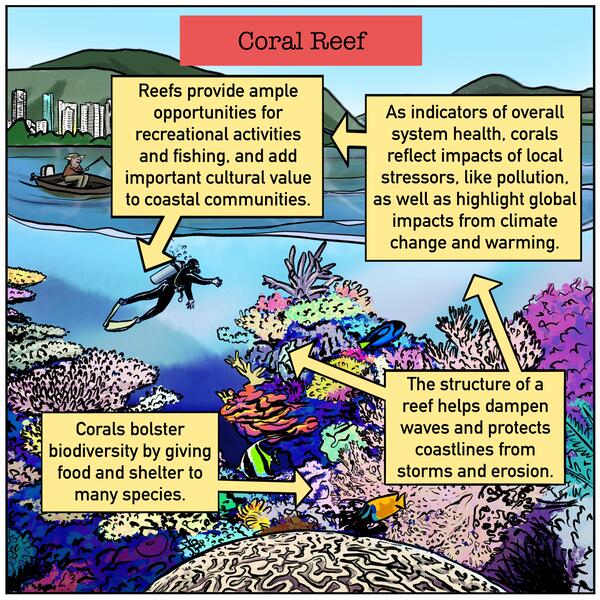
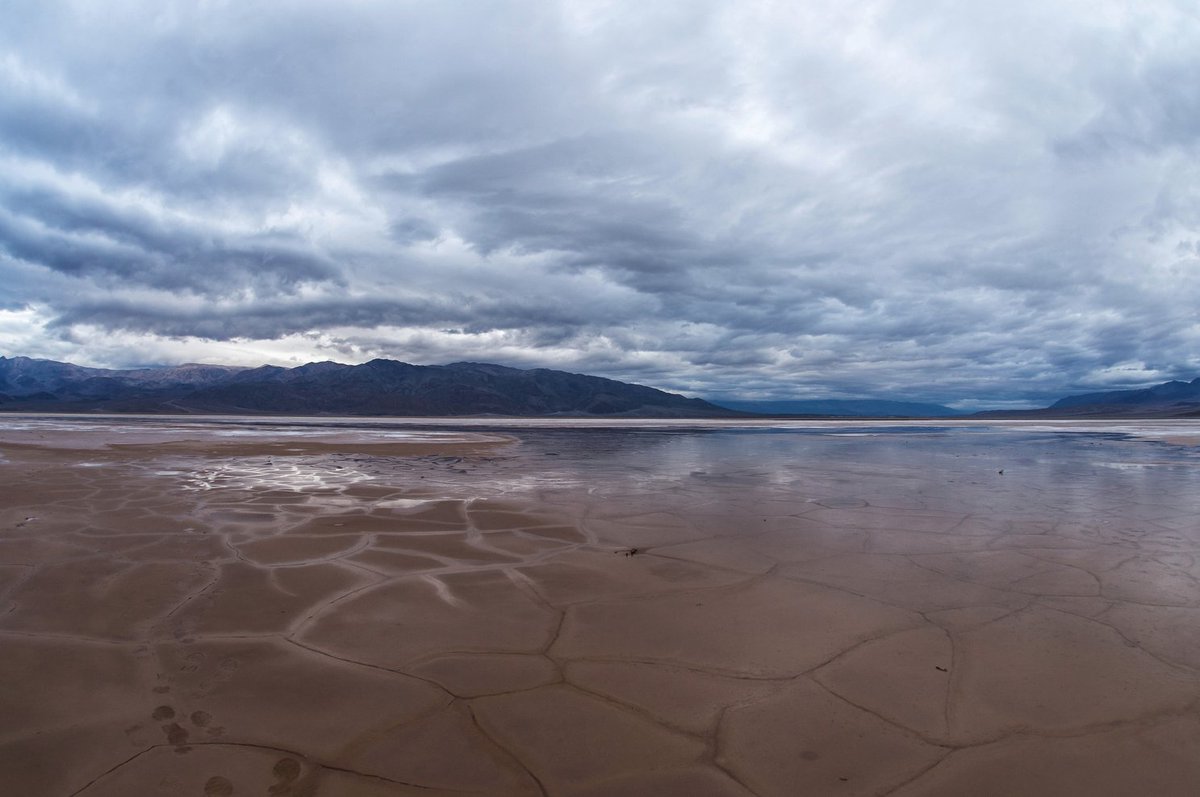
Kicking off Monday with a splash of color as we celebrate #CoralAwarenessWeek! Even if they're often out of sight, they're never out of mind when it comes to the ecosystem services they provide! 🪸
The Second Lead Author Meeting for IPCC’s Special Report on Climate Change & Cities kicks off today in Mombasa, Kenya.
Nearly 100 authors from over 50 countries will work from 21-25 July on the report's first draft. The release is planned for March 2027
https://t.co/uJ2m3dIRW8
NOAA Research is developing an AI-powered sibling to its flagship #weather model! ⛈️
HRRR-Cast is NOAA’s first regional experimental #AI#forecast system.
Learn about HRRR-Cast here: https://t.co/BZsrSknGVL
@noaagsl@NWS@NOAA
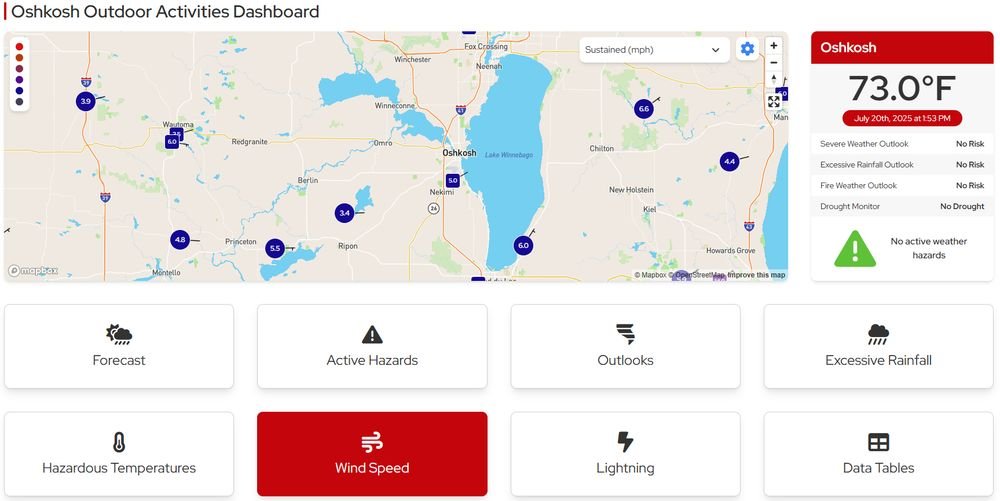
If you're in Oshkosh for @EAA AirVenture, we've got a FREE weather dashboard for you to use to keep up to date on the current weather and latest forecasts!
Have a great time in Wisconsin this week!
https://t.co/t5aaAHzQ3c
The upper Mississippi River freezes over less than ever, another sign life is changing. For @journalsentinel & @Report4America https://t.co/KqTT9cvNBh
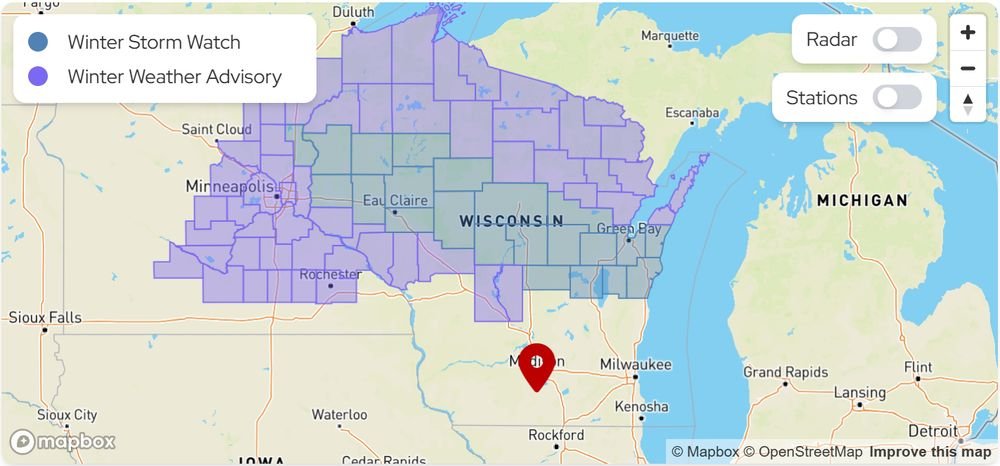
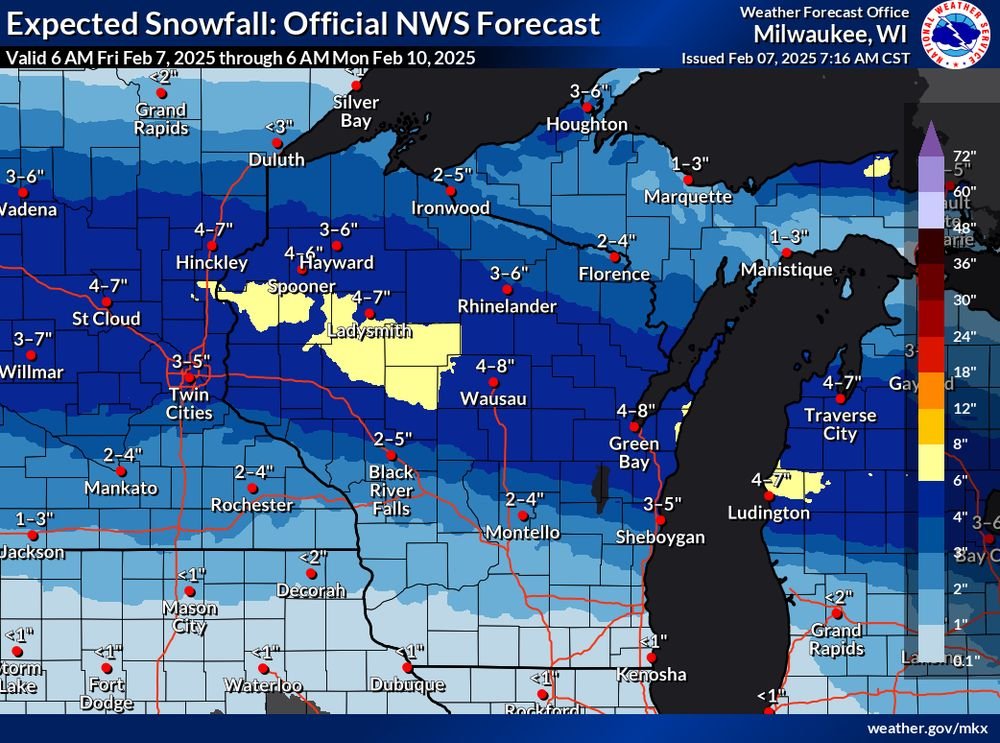
A Winter Storm Watch and Winter Weather Advisory are in place for the northern half of Wisconsin for tomorrow's snowfall.
The heaviest snow is expected in a stripe from Polk and St. Croix counties east and southeast towards Green Bay, where 4-6 inches of snow is forecast.
👀👀
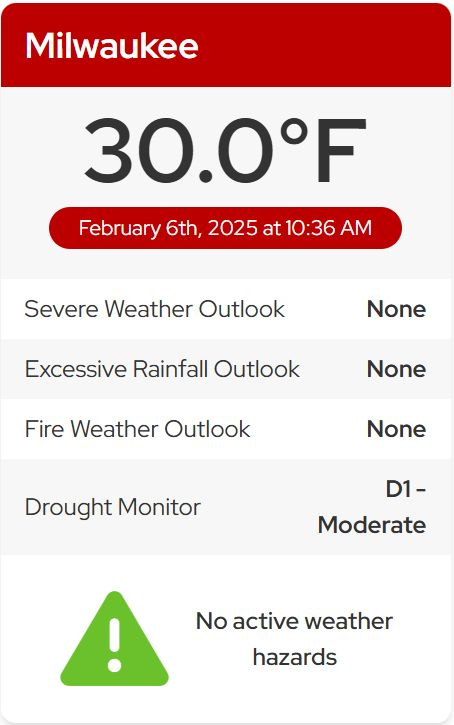
The Wisconet website will soon show whether your location is outlooked for severe/fire weather or excessive rainfall, as well as what your current Drought Monitor status is, and if there are any active weather hazards.
Keeping you up to date on Wisconsin weather!
Forget what the groundhog said - there may be another six weeks left of winter, but the Eastern Bluebirds are back!! 💙During late winter months, they subsist on berries from shrubs and trees until insects return, too.
#PhenologyFriday#AldoLeopoldFoundation#EasternBluebird
Calling educators of Wisconsin! Get support, supplies, and skills to teach about groundwater in Wisconsin and how to protect it at the CWSE and @WGNHS Groundwater Model Workshops.
Learn more and apply by Feb. 15: https://t.co/pTgHpkcqzM
🌩️🌤️@Wisconet is a network of weather and soil monitoring stations designed to help scientists, public safety and transportation officials, and farmers get highly accurate, timely, and uniform local data. Check it out!
https://t.co/8glKLEQYch
Earth’s water cycle is shifting in unprecedented ways due to human changes to agriculture systems and human-caused climate change.
The shifts could affect the accuracy of climate models, water management practices, and more.
First global assessment of snowy #owls concludes there are far fewer of them than previous estimates with significant decline in #Arctic breeding populations, heightening concerns for long term survival of species https://t.co/fOgOqe6cVN via @journalsentinel
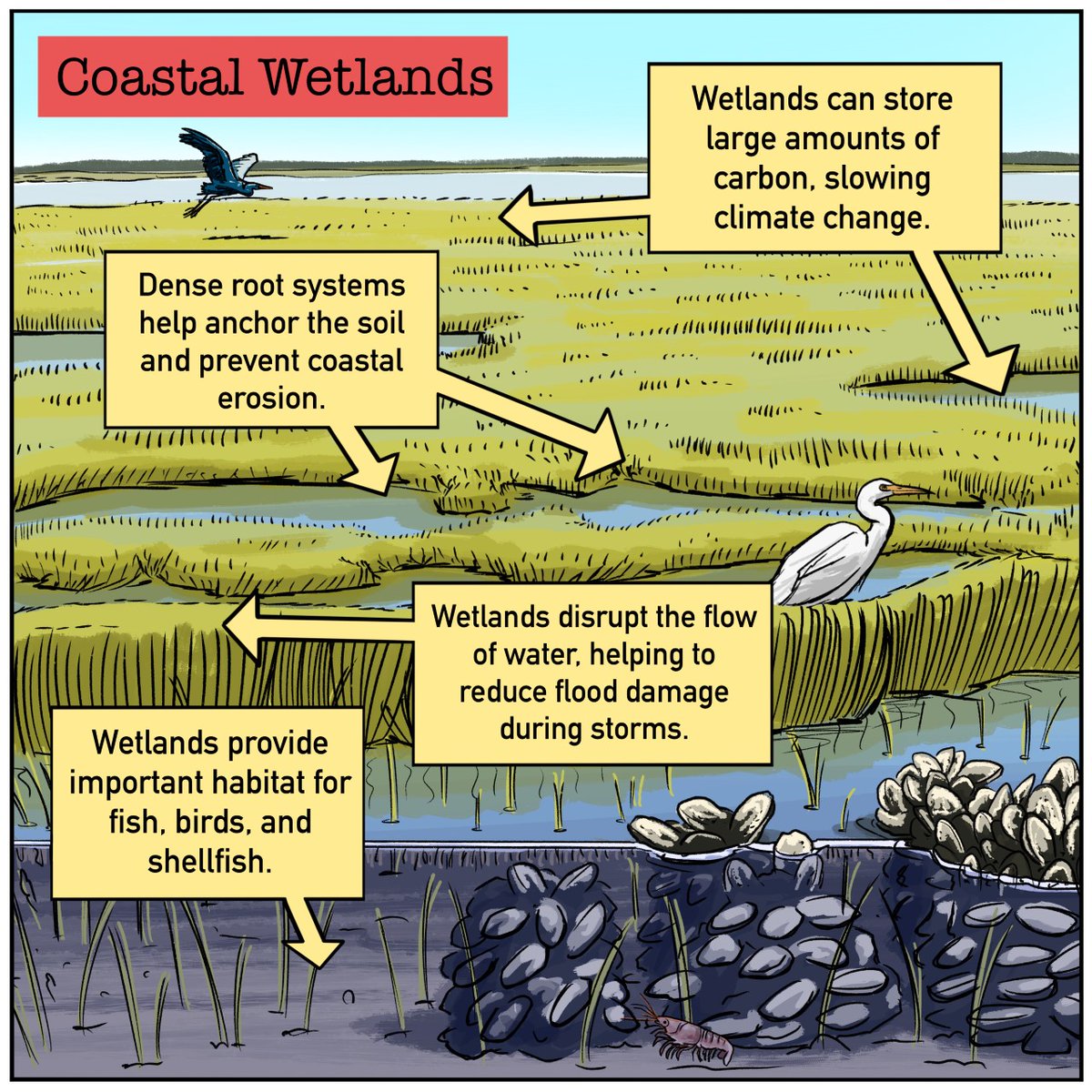
Did you miss #WorldWetlandsDay yesterday? Worry not, we celebrate our wetlands every day! 🌿💦🦆
Wetlands provide various ecosystem services to coastal communities, such as storm protection, flood control, and habitat for plants and animals.
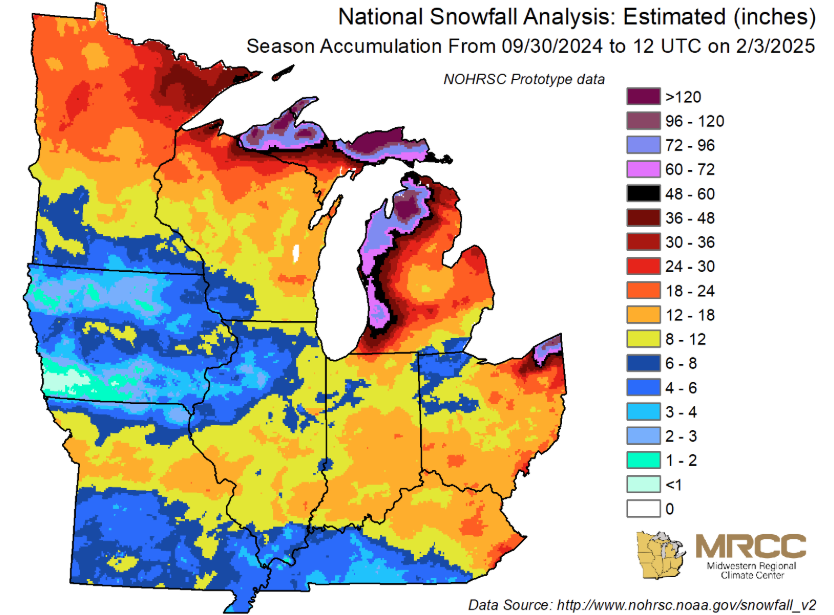
An odd winter for sure! Half of Kentucky and Missouri have seen more snow than Iowa and southern Minnesota.
Midwest Climate Watch Maps ➡️https://t.co/VVirbUy3gm
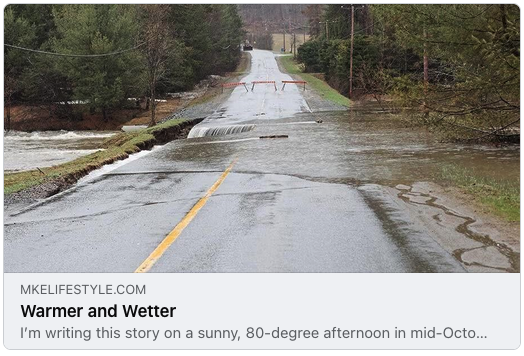
Nice article on the impacts of climate change on Wisconsin's infrastructure, crops, habitats and more with state climatologist and WICCI co-chair Steve Vavrus https://t.co/rGCTyqy8NW @NelsonInstitute
"Collaborations between the Nelson Institute and university-affiliated groups like the Wisconsin Initiative on Climate Change Impacts ... have proven to be an invaluable resource for public and private institutions alike."
https://t.co/XCFEtZRCkO
Brrr... 🥶 We hope you're staying warmer than the #GreatLakes are this week! Ice cover on the lakes is currently at 20.8%, just about average for this time of year.
Ice cover by lake:
Superior: 9.5%
Michigan: 20.3%
Huron: 26.7%
Erie: 58.2%
Ontario: 7.1%
https://t.co/YrIG39uFgc
Two recently published studies offer detailed insights into how fires in wildland-urban interface areas generate complex, long-lasting emissions that contribute to climate warming and public health risks
Read more: https://t.co/xTfAdWwyih