We're still excited about yesterday's major groundbreaking on the @WSUPullman campus. Read all about the new project & the impact it will have on agriculture. The #WSU - @USDA_ARS partnership is amazing! https://t.co/tfCTKAujrT
🏥Kenyan patients who spend more than three days in the nation’s hospitals are more likely to harbor bacteria resistant to one of the most widely used antibiotic classes, according to a #WSUVetMed study. #Research#AntibioticResistance#GoCougs
https://t.co/cRcstzDpSo
#WSU Animal Sciences major Darya Maysam is in Kenya working on research projects involving antimicrobial resistance, infectious disease surveillance, & epidemiological modeling thanks to a @GilmanProgram scholarship. #GoCougs https://t.co/qzoTEQl1yI
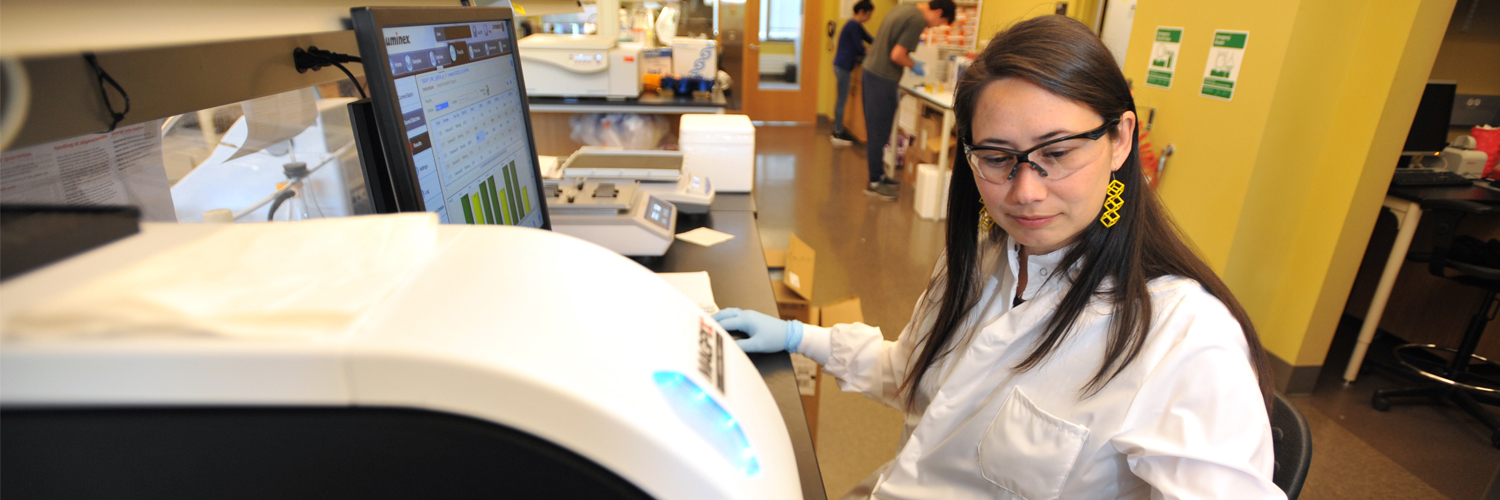
🦠🔬 The Washington Animal Disease Diagnostic Laboratory (WADDL) at @WSUPullman is now part of a national network of labs dedicated to controlling novel microbial threats, including new #COVID19 variants. #WSUVetMed#WSU#GoCougs
https://t.co/G4hGZGbLWK
A $1.36 million project to upgrade the biosafety level 3 laboratory @WSUvetmed and enhance its infectious disease research and pandemic response capacity is currently underway. https://t.co/3S6vcQpRSR #WSU
🤳🐶🌍 With the help of his team and oversight of govt. officials, Felix Lankester leads WSU’s rabies control program in Tanzania, where his team uses facial recognition to identify dogs that have been vaccinated for rabies. Support our rabies-free effort: https://t.co/ounD13BKcy
Can one chicken make a difference to a child's health? A new podcast episode out from ILRI's Boma series - my colleague Elkanah and I are guests. @ILRI@WSUGlobalHealth@PEHPLprogram
https://t.co/aoud3ivX2J
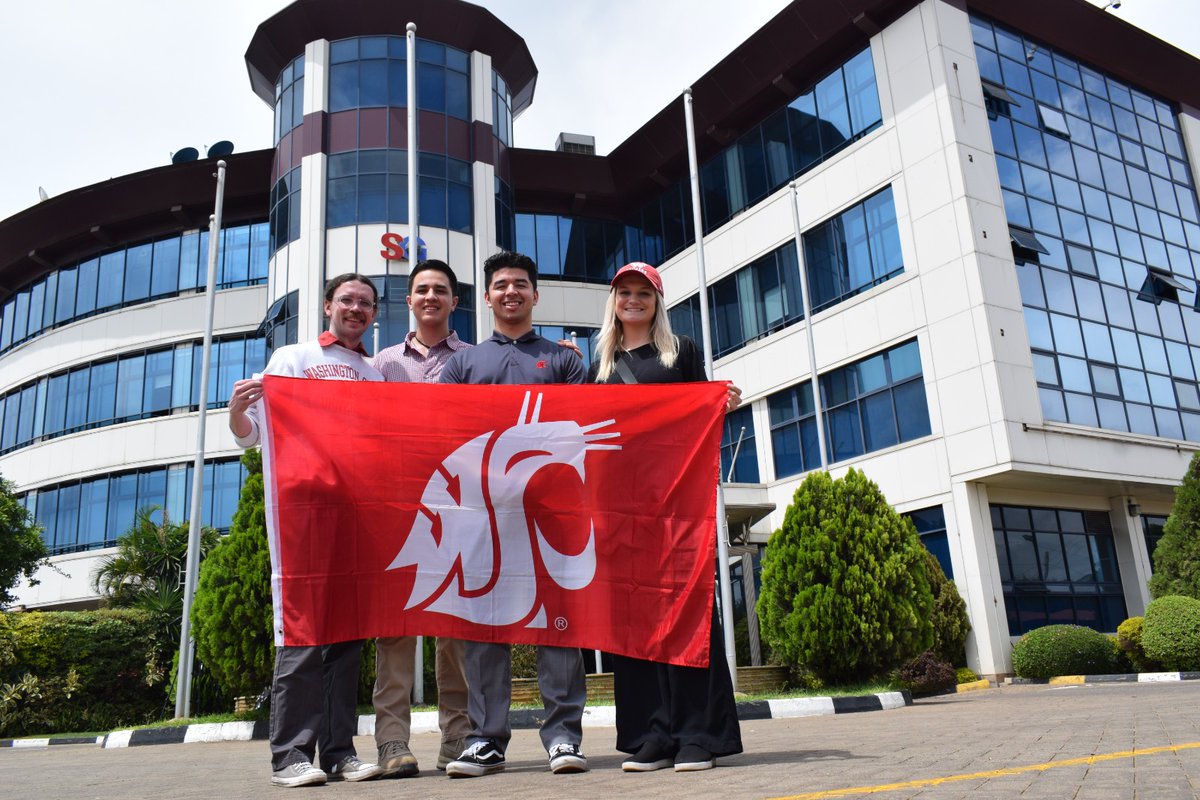
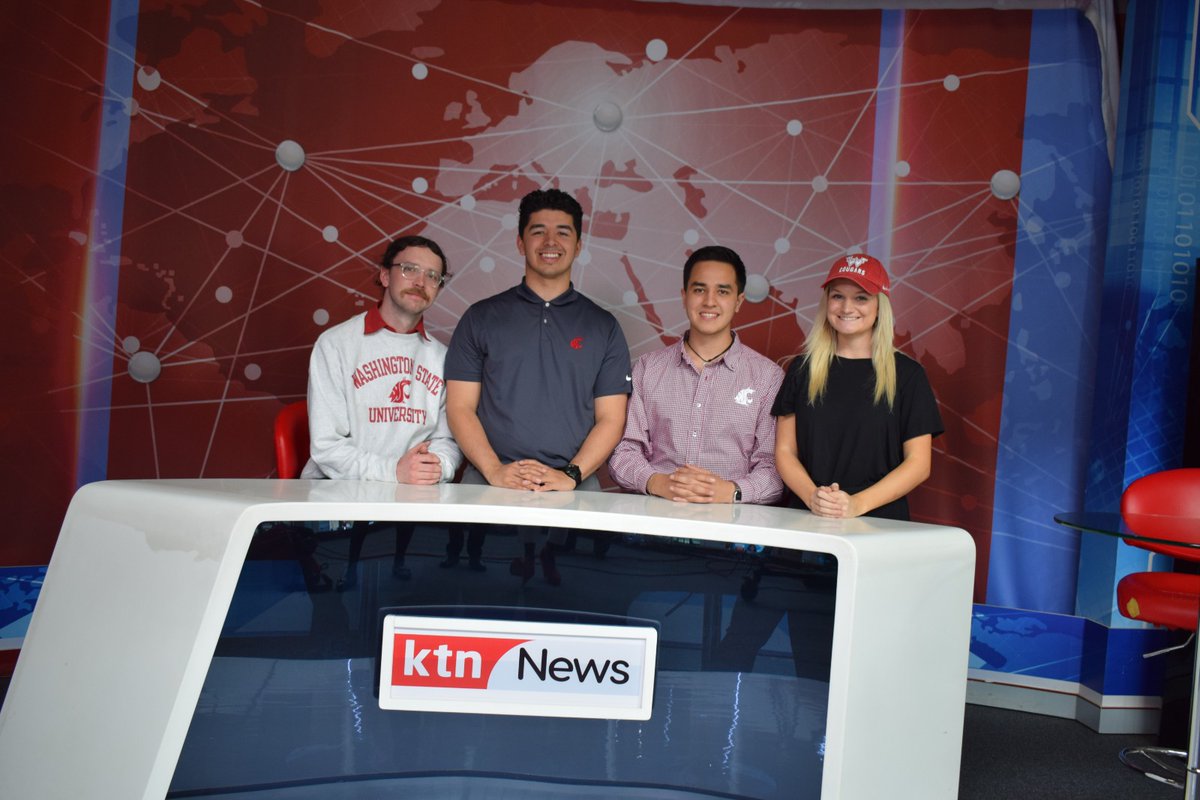
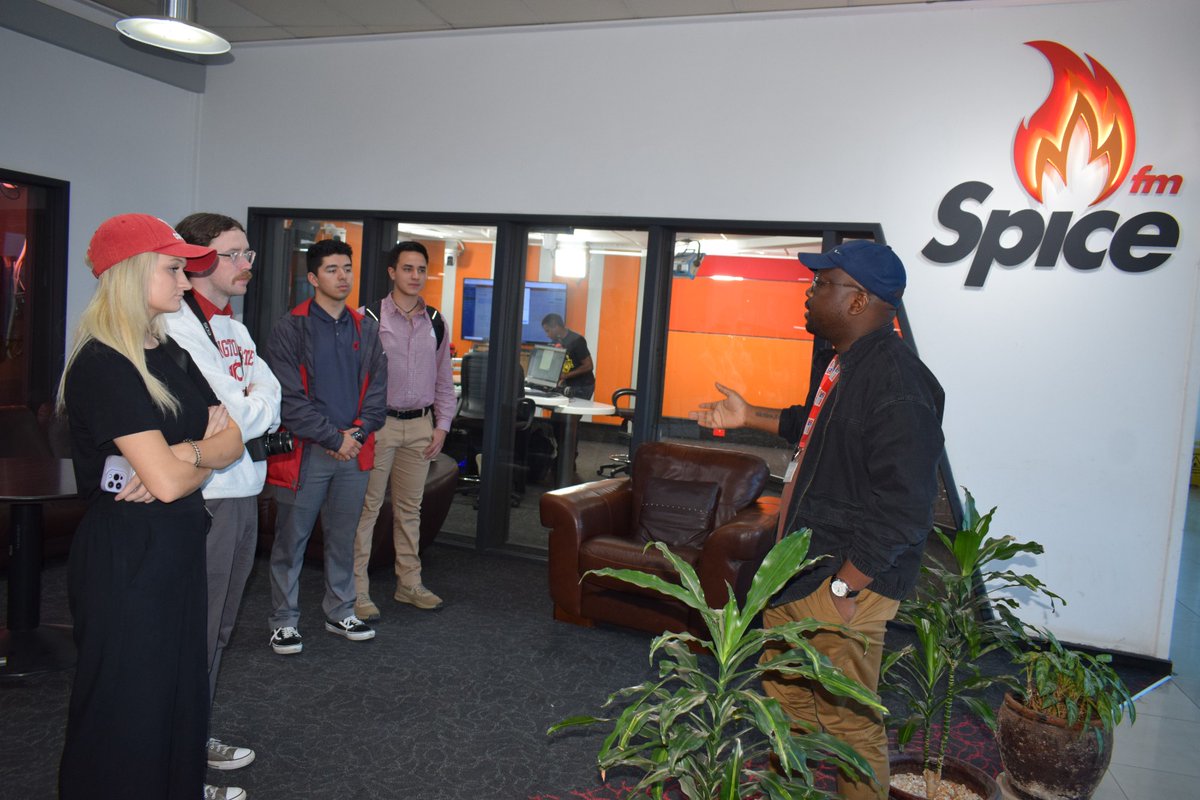
Excellent day meeting with #WSU faculty and staff at @WSUGlobalHealth-Kenya 🇰🇪. I enjoyed learning about the important research and scholarship they are doing which is making a difference in the greater East Africa region! #GoCougs
New Article Alert !
The provision of livestock feed during critical dry periods has a significant positive effect on sustaining milk production and its availability at the household level.
https://t.co/8mu9qXl9Es
🔬The @WSUVetMed Paul G. Allen School for Global Health will receive $1.36M to improve its biosafety level 3 laboratory on the @WSUPullman campus. The lab supports @WSUGlobalHealth’s #infectiousdisease research and pandemic response capacity. #GoCougs
https://t.co/ofB8EHduLj
🦠A $3 million grant will enable scientists to uncover how a parasitic bacterium uses a human immune system response to replicate and cause the debilitating disease known as Q fever. The @NIH grant brings together researchers from #WSUVetMed and @unmc.
https://t.co/5cwqzn5d00