Climate reparations must address both the climate crisis and the extractive systems that have deepened vulnerability across Africa.
For Ken Henshaw, Executive Director of We the People, shows why this matters. Decades of oil extraction, pollution and recurring climate impacts have left communities facing overlapping ecological, economic and social harm.
A credible reparations agenda must therefore confront historical responsibility, account for loss and damage, and ensure those responsible for pollution contribute to repairing the harm left behind.
#ClimateReparations #ClimateJustice #LossAndDamage
After 70 years of extraction, the Niger Delta needs more than promises and tears.
It needs accountability, restoration, adaptation and a shift of power to frontline communities.
Those who have lived with extraction must shape decisions about restoration.
Join the conversation!
NEW REPORT: A JUST TRANSITION FOR ADAPTATION.
This morning, Power Shift Africa has launched a groundbreaking new report examining a just transition for #adaptation and a framework that will guide how the subject is understood: as a matter of justice, power, and equity, rather than as a primarily technical response to #climate risks.
This report makes a powerful case, arguing that the floods, droughts, heatwaves, and other climate impacts devastating African and Global South communities should not be treated as inevitable “loss and damage.”
Instead, the extreme weather events are also the visible cost of adaptation that was promised, remains delayed and continues to be chronically underfunded.
Thinking about “just transition” from an adaptation perspective is a significant shift because traditionally, #justtransition has been associated with moving away from #fossilfuels.
The report asks a much deeper question: how do we ensure that the transition to living safely in a warming world is itself fair, inclusive and locally led?
Key findings of the report:
💎 Africa faces not just a climate crisis but an adaptation justice crisis as well.
💰 Africa’s annual adaptation needs are approaching US$70 billion, yet international adaptation finance was only about S$14 billion in 2021–2022.
⚖️ The report calls for a Just Transition for Adaptation, rooted in recognitional, procedural, distributive and restorative justice.
🫂 Climate justice requires not only protecting people from climate impacts, but changing the systems that make them #vulnerable in the first place.
🏘️ This means giving communities meaningful power over adaptation decisions, valuing #Indigenous and local knowledge alongside science, and addressing structural drivers of vulnerability, including debt.
Experts say that adaptation cannot remain an afterthought, especially as the world heads to COP31 in Turkey and COP32 in Ethiopia.
The report was authored by Amy Giliam Thorp, Neil Overy, Lina Adil and Fredrick Otieno Awino.
It was reviewed by Chido Muzondo, Karabo Mokgonyana (She/Her), Saada Mohamed Sala, Portia Adade Williams, Kerstin Opfer, Laura Rahmeier, and others who preferred to remain anonymous.
It’s available to read and download here: https://t.co/UZrIDf5oVy
#NewReport #JustTransition #AdaptationFinance #JustTransitionforAdaptation #LiveRealities #IndigenousKnowledge
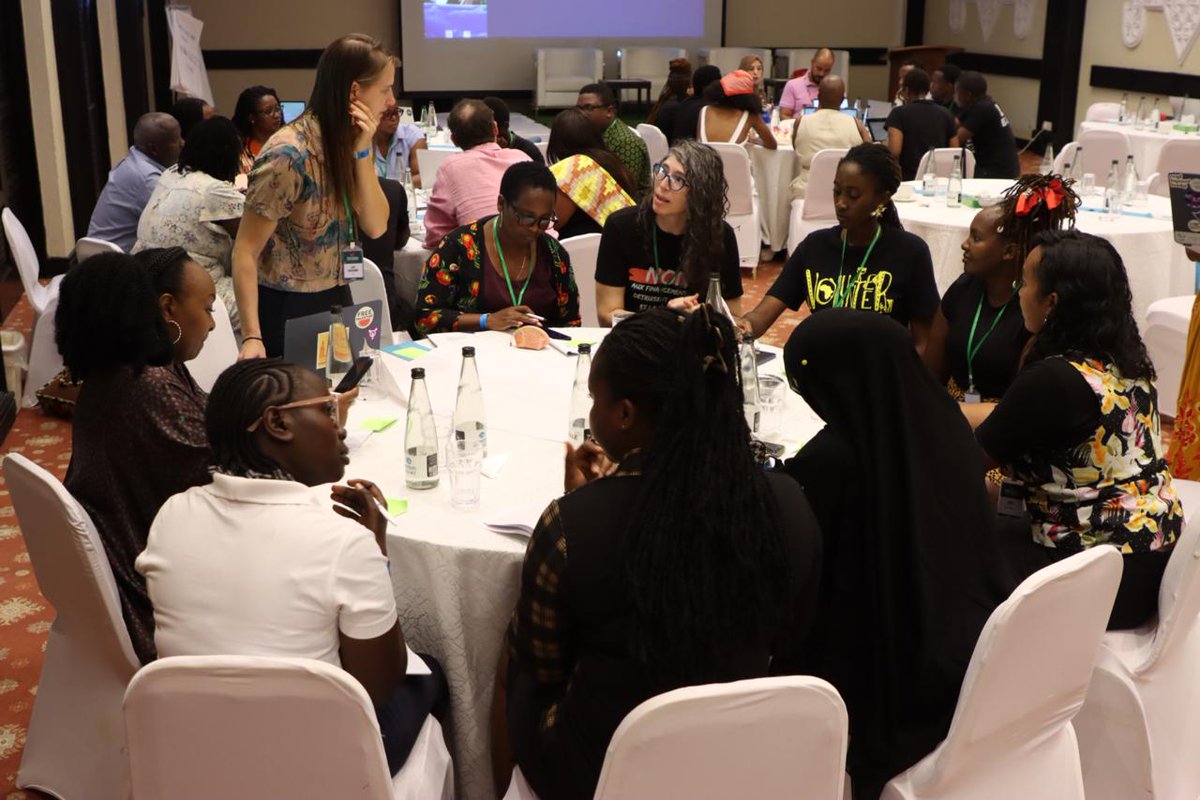
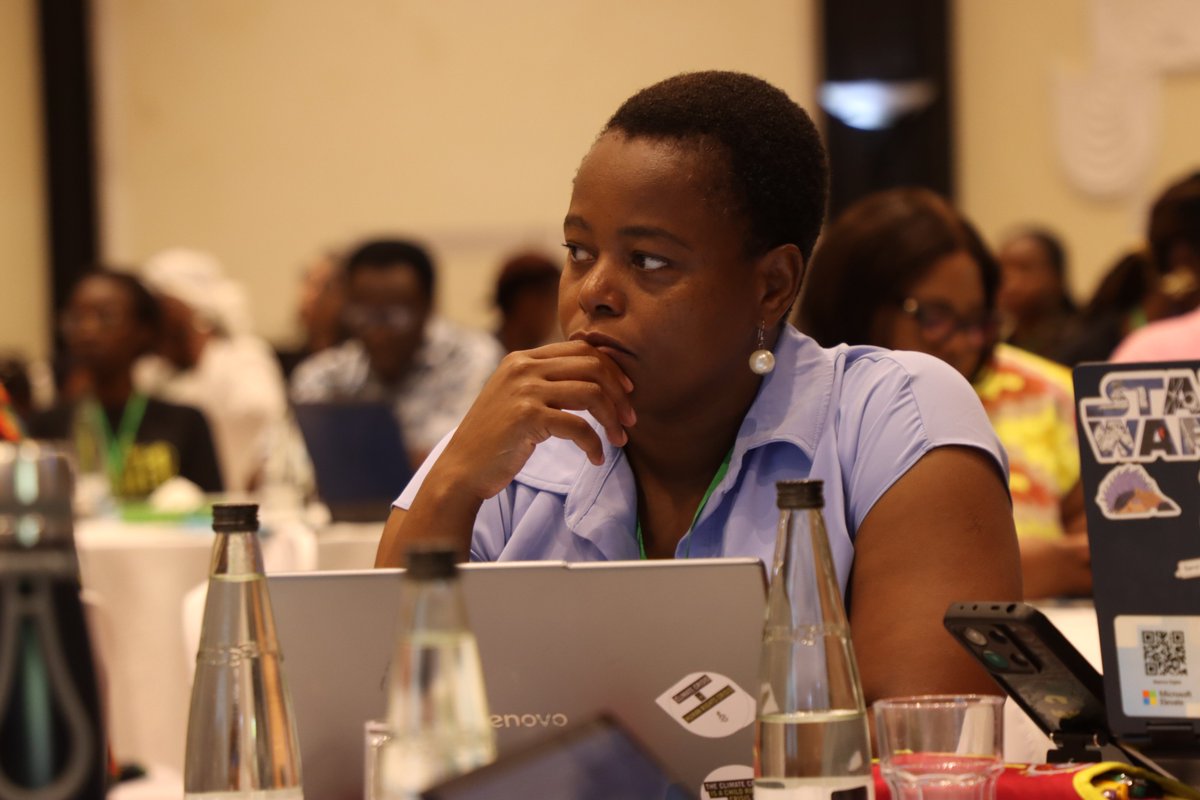
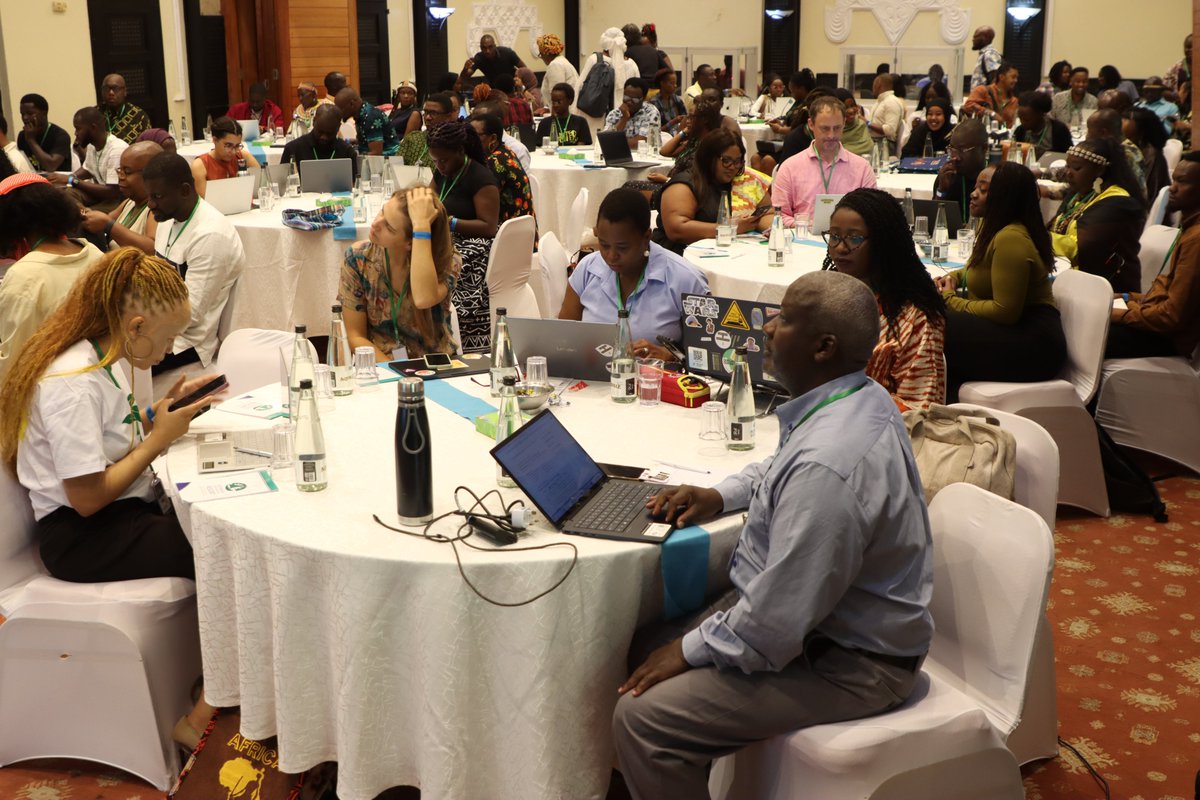
END OF DAY 1 – African Symposium on Climate Reparations. The first day of the workshop featured great discussions that will shape how the conversation on reparations advances, how Africans organise around the issue, and how to move from principle to practice.
Here are some of the key takeaways from today:
Strengthen legal accountability: Africans will use emerging legal frameworks to hold those responsible for climate harm accountable.
Turning legal recognition into action: Climate rulings and advisory opinions must translate into meaningful implementation and repair.
Centre affected communities: Climate justice must reflect the lived realities, knowledge and priorities of affected communities. Interventions must be done through Free, Prior and Informed Consent (FPIC).
Repair beyond finance: Reparations must address harm to land, ecosystems, not just economic losses.
Recognise Indigenous and local knowledge: Community intelligence is the best intelligence. Indigenous Peoples and local communities must be recognised as experts in shaping ecological repair.
Redefine reparations: The Global North must seek to understand climate reparation justice from an African perspective.
As the Symposium continues tomorrow, the focus will be on building an African-led reparations agenda that connects accountability with meaningful and lasting repair.
#ClimateReparations #ClimateJustice #AfricanClimateJustice
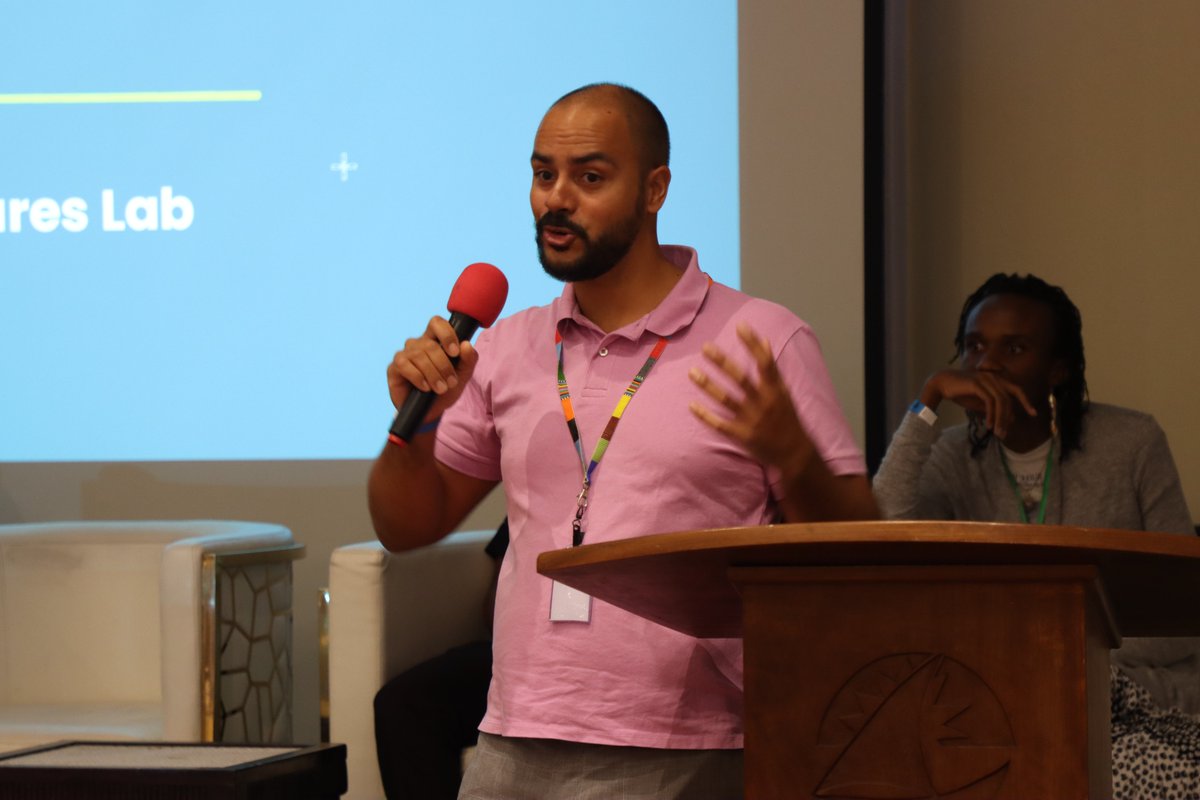
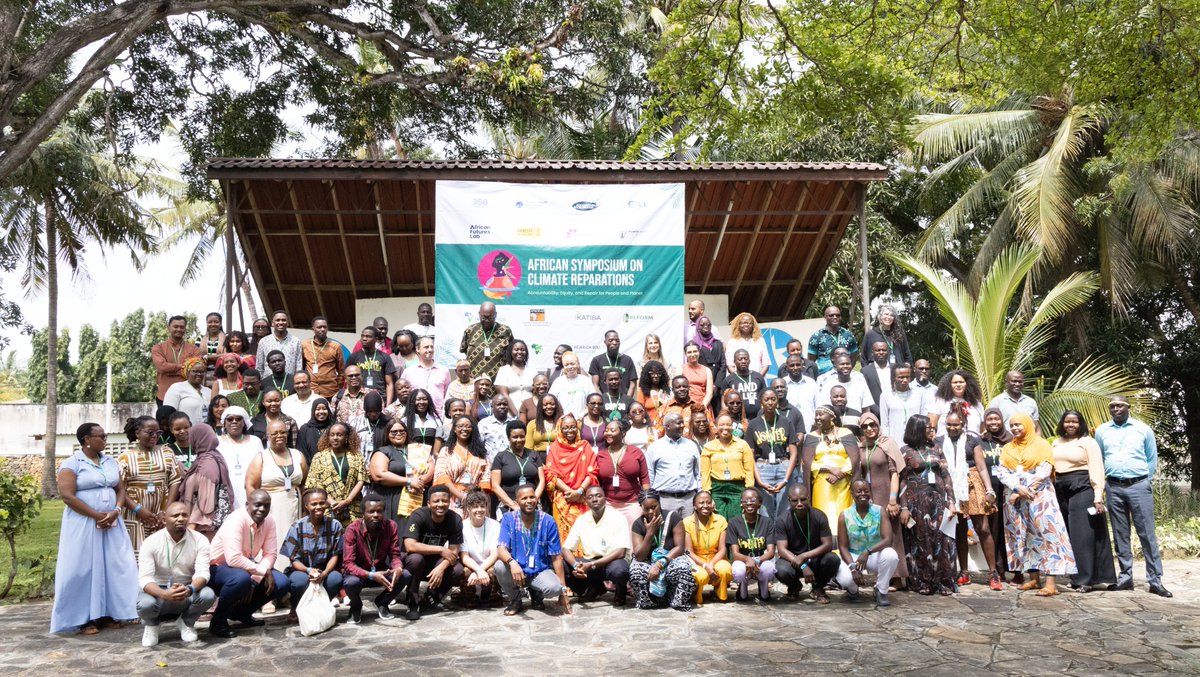
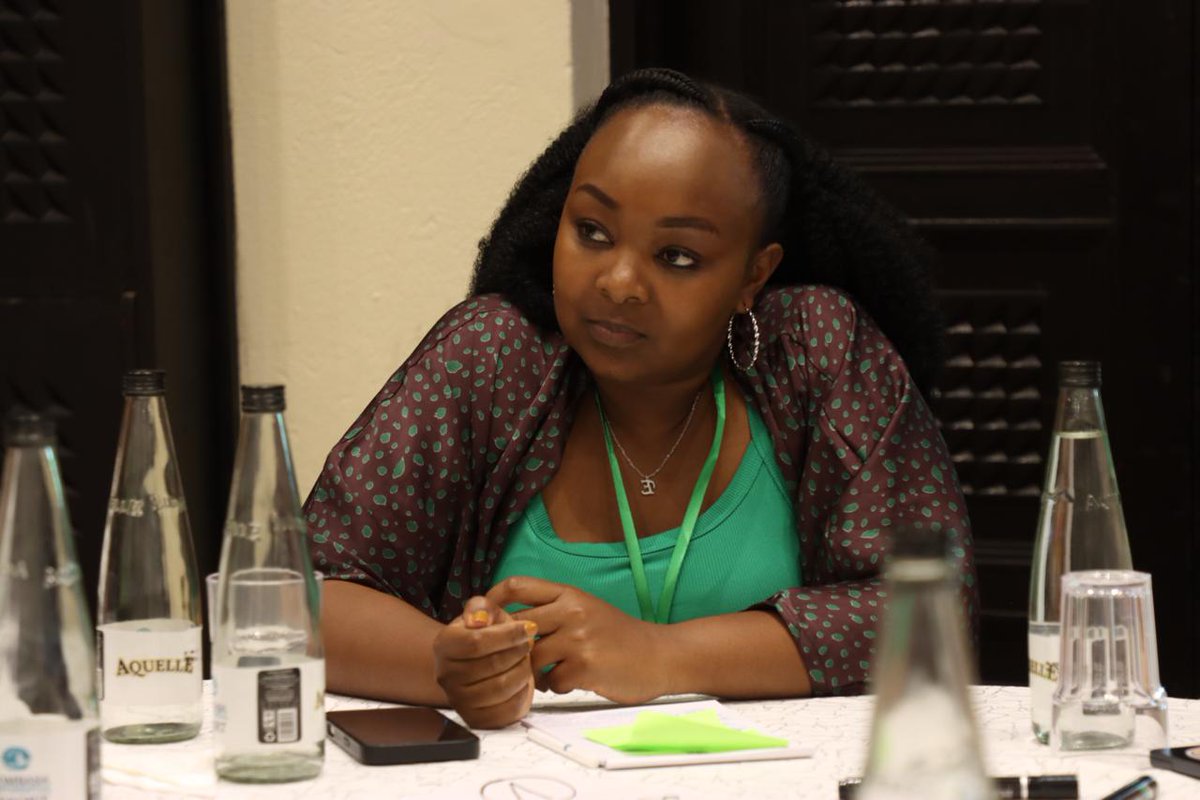
HAPPENING NOW – The first-ever African Symposium on Climate Reparations has begun this morning in Mombasa, Kenya, bringing together more than 70 African actors from civil society, law, youth groups, Indigenous communities, and climate advocacy to examine what a credible and just reparations agenda must deliver for the continent.
For two days, Power Shift Africa and our partners under the Africa Climate Reparations Collective will examine what repair looks like from an African perspective, who defines it, and whose priorities shape the solutions.
The symposium seeks to tap into the growing political momentum for reparations and emerging legal opportunities, including advisory opinions on climate obligations and evolving frameworks on Loss and Damage.
For Africa, climate reparations are not only about finance. Participants will discuss these issues over four key pillars:
🟢 Responsibility
🟢 Ecological Repair
🟢 Reparative Finance
🟢 Agency and Lived Realities
By organising African actors, the symposium aims to strengthen an African-led agenda that connects historical responsibility with today’s climate realities and harm of communities across the continent.
Follow this important conversation on our pages.
#ClimateReparations #ClimateJustice #AfricanClimateJustice
We wholeheartedly support the African Symposium on Climate Reparations beginning today in Kenya.
For too long, the quest for climate justice has been muffled by corporate distractions, government inaction, and denial.
We chart a new pathway.
@350@PowerShftAfrica@amnesty
Talks are not enough - justice requires accountability!
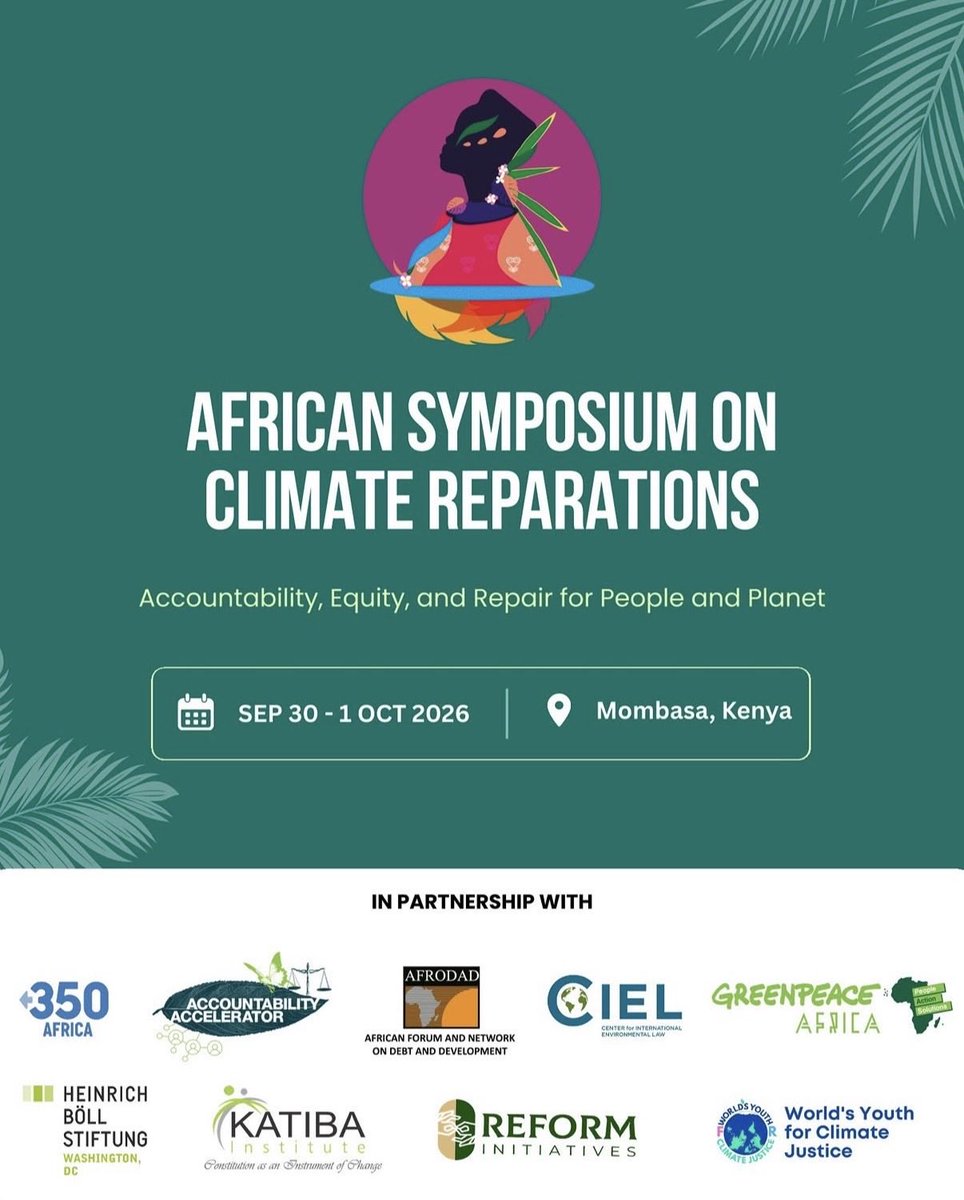
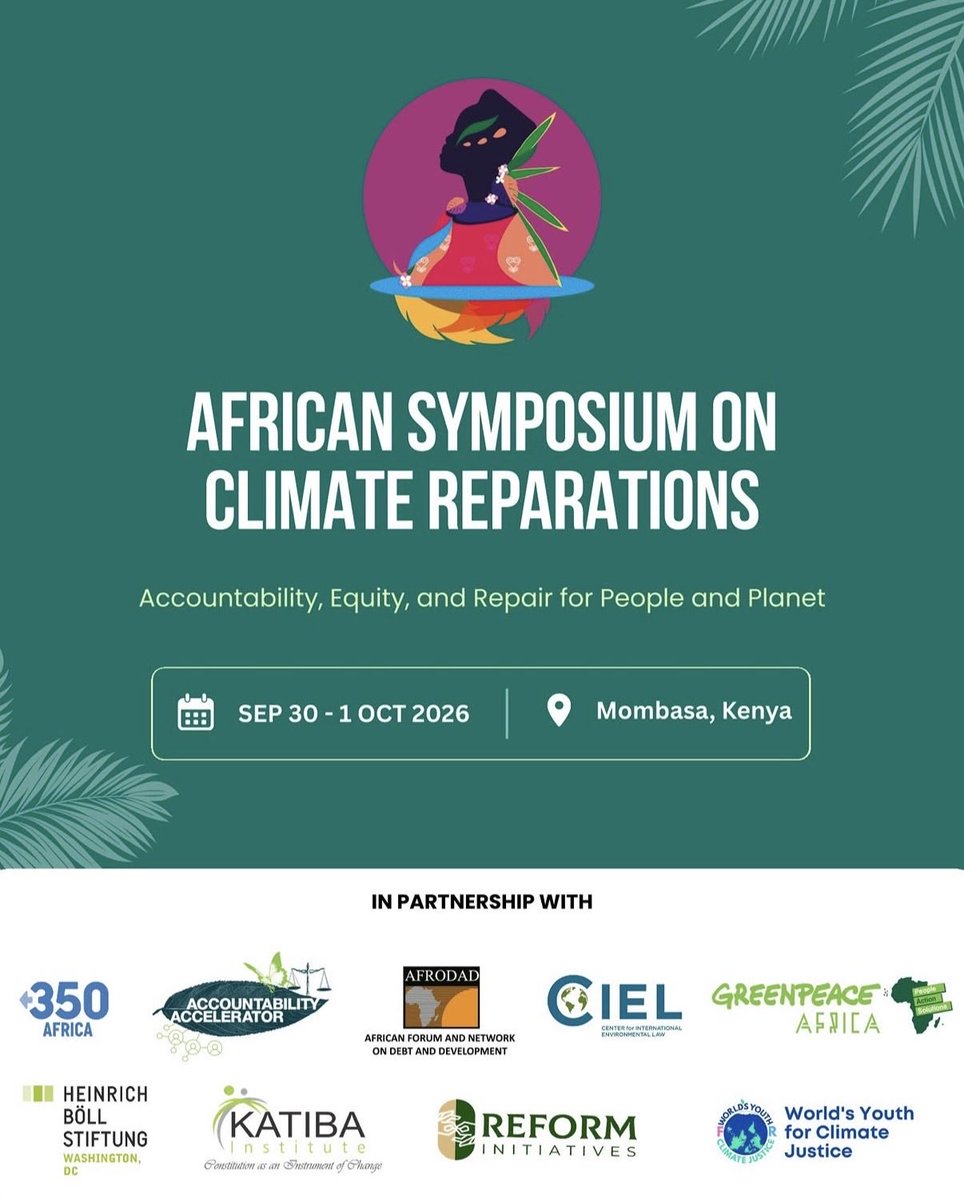
Starting Sept 30th through Oct 1st, the African Symposium on Climate Reparations unites activists, youth leaders, policymakers, and scholars to champion climate justice for Africa.
Climate change isn't just an environmental issue, it's an economic, social, and human rights issue. Together, we are building a united front to demand equity, funding, and structural repair. Stay tuned as key conversations unfold over the next two days!
How should global powers be held accountable for climate impacts? Drop your thoughts below!👇🏾
#Climatejusticenow #Climatereparations @PowerShftAfrica
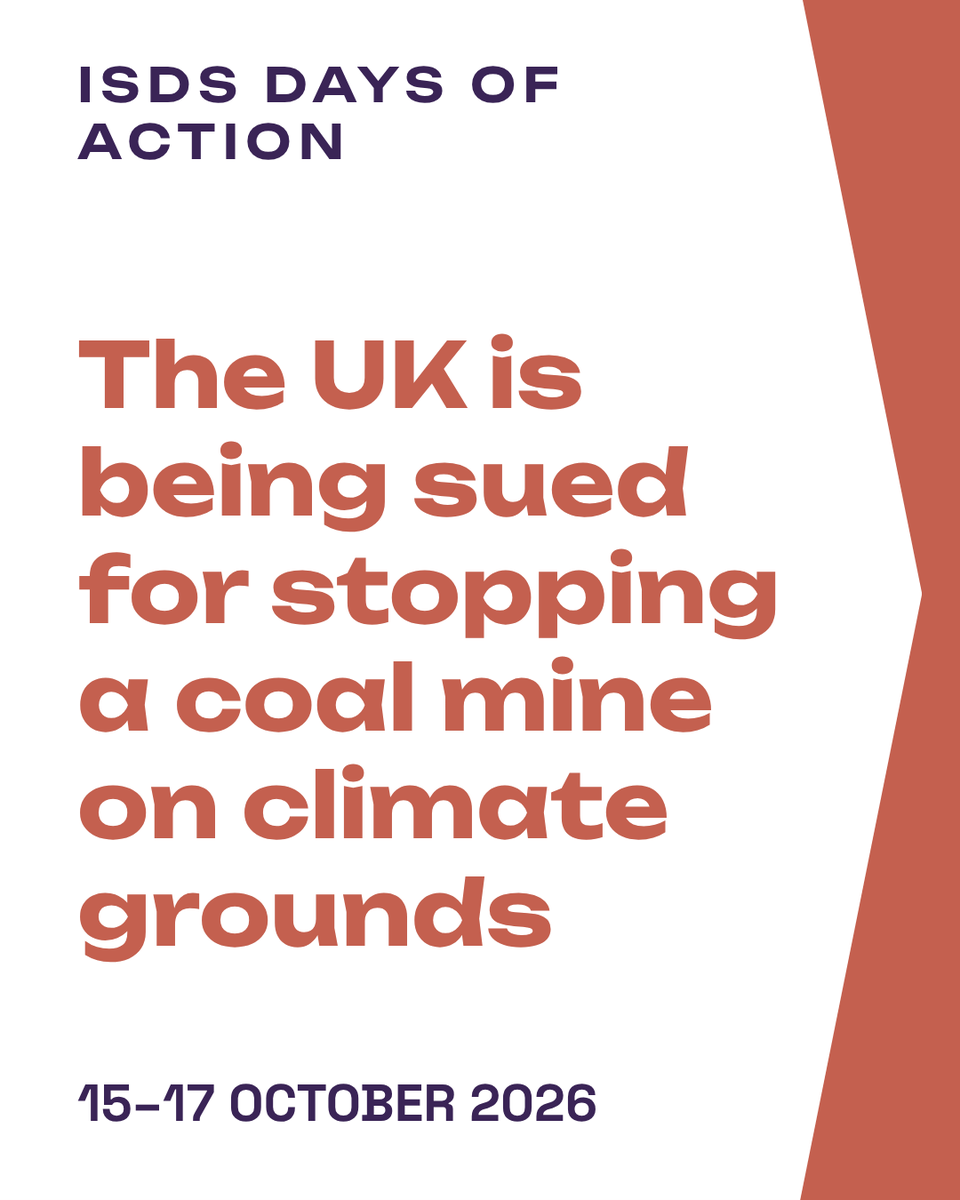
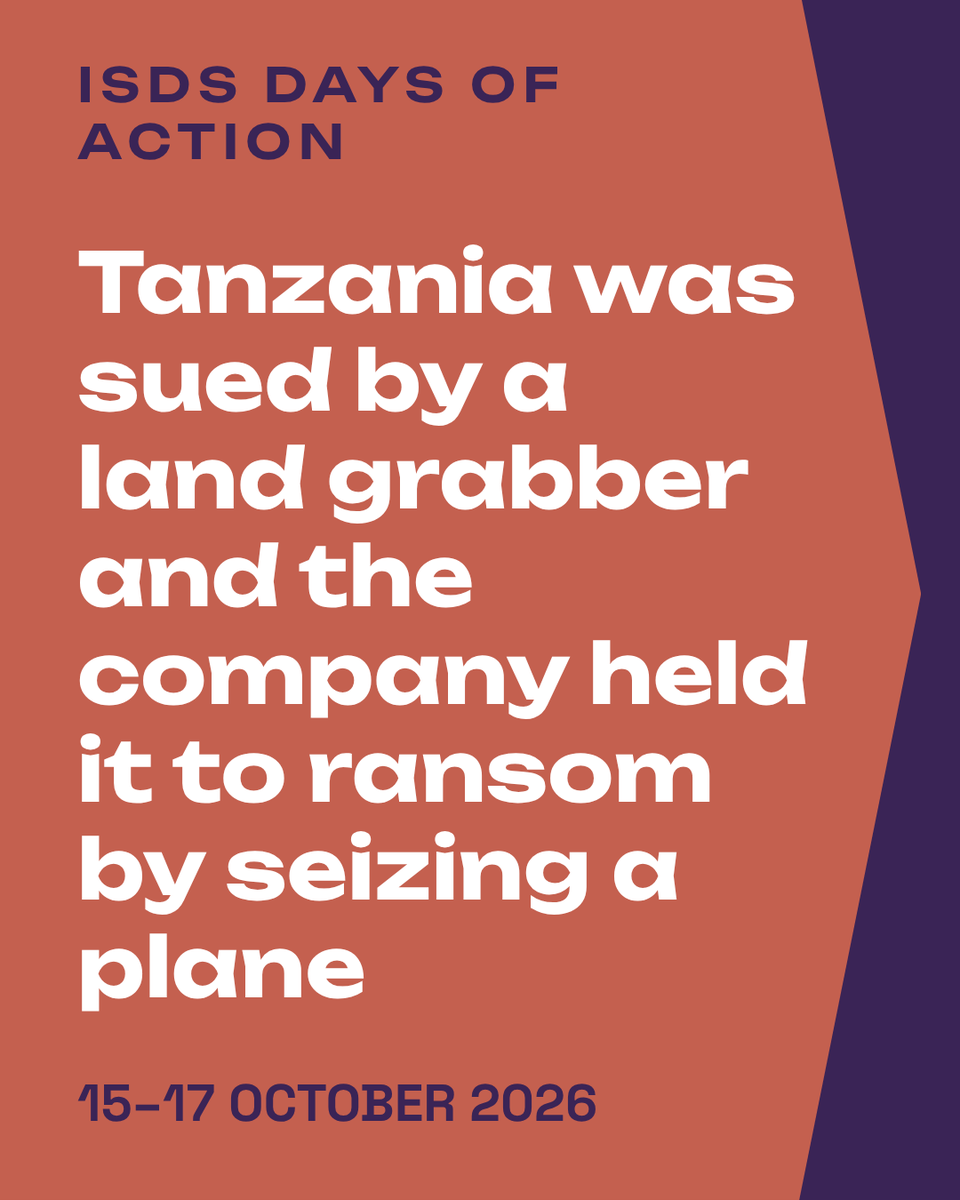
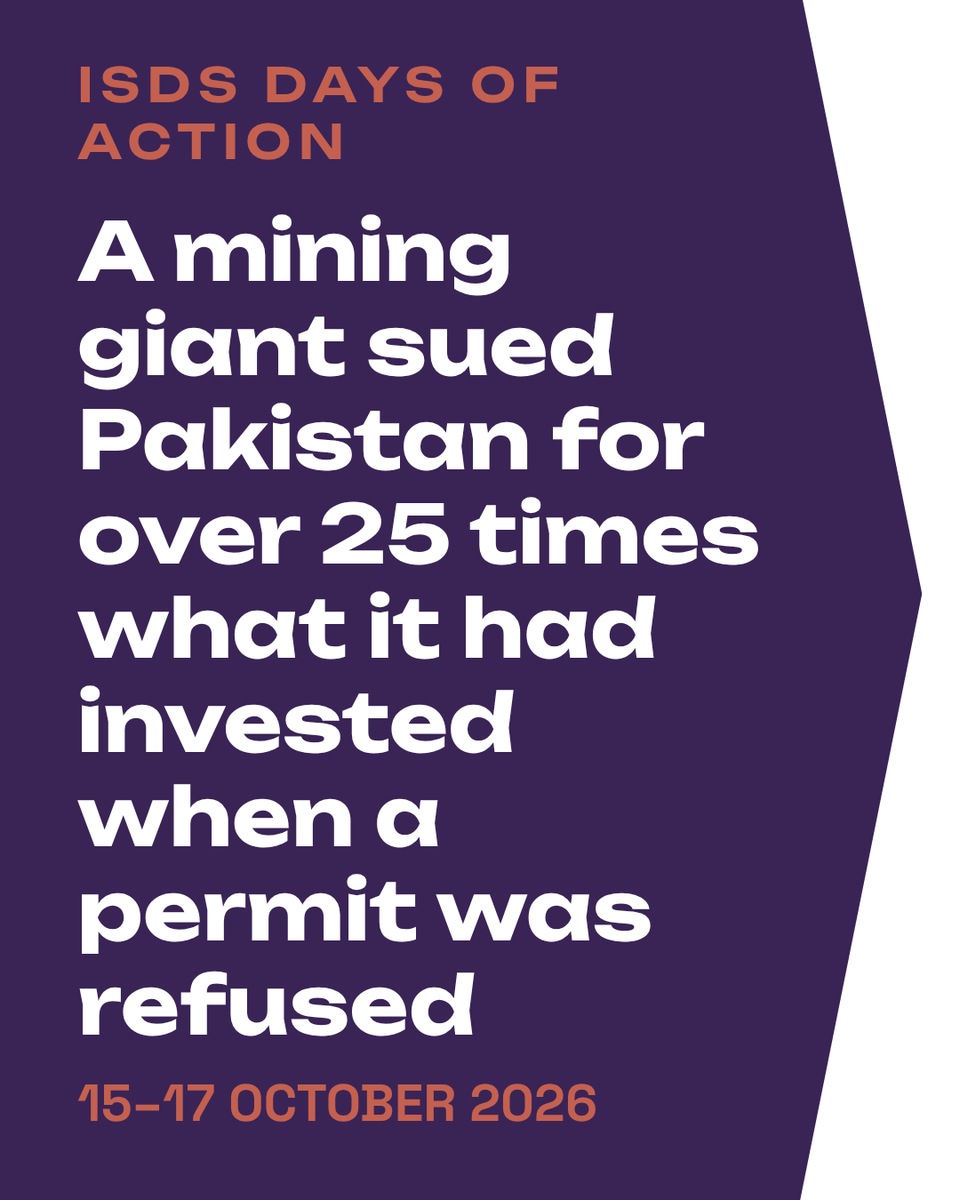
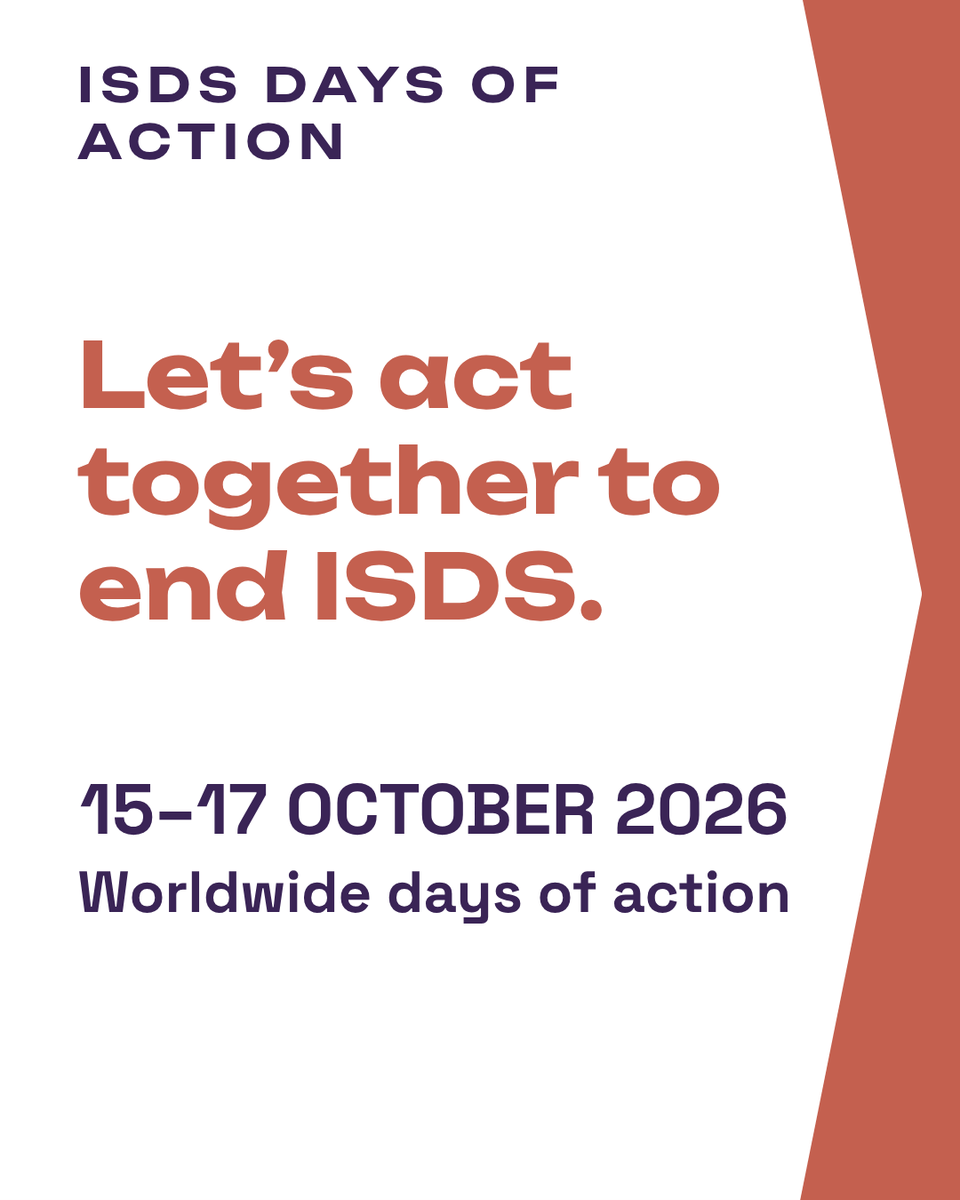
When big corporations can sue governments for BILLIONS for protecting people and the climate, we all pay the cost.
It's time to put an end to this.
Join the global movement against ISDS this October: https://t.co/ZUtlH7gOVz
How Big Oil poisoned the Niger Delta
‘As fossil fuel companies retreat from the Niger Delta after six decades of extraction, who pays for the damage left behind?’
https://t.co/RhNYoYxCwU
A just transition for Africa should be judged by what it delivers for people: affordable and reliable energy, decent jobs, stronger local industries and communities better equipped to withstand climate impacts.
Achieving this requires more than renewable energy targets. Policies and investments must address who can access power, who can afford it and who benefits. Workers and frontline communities must have a say in decisions that affect their livelihoods.
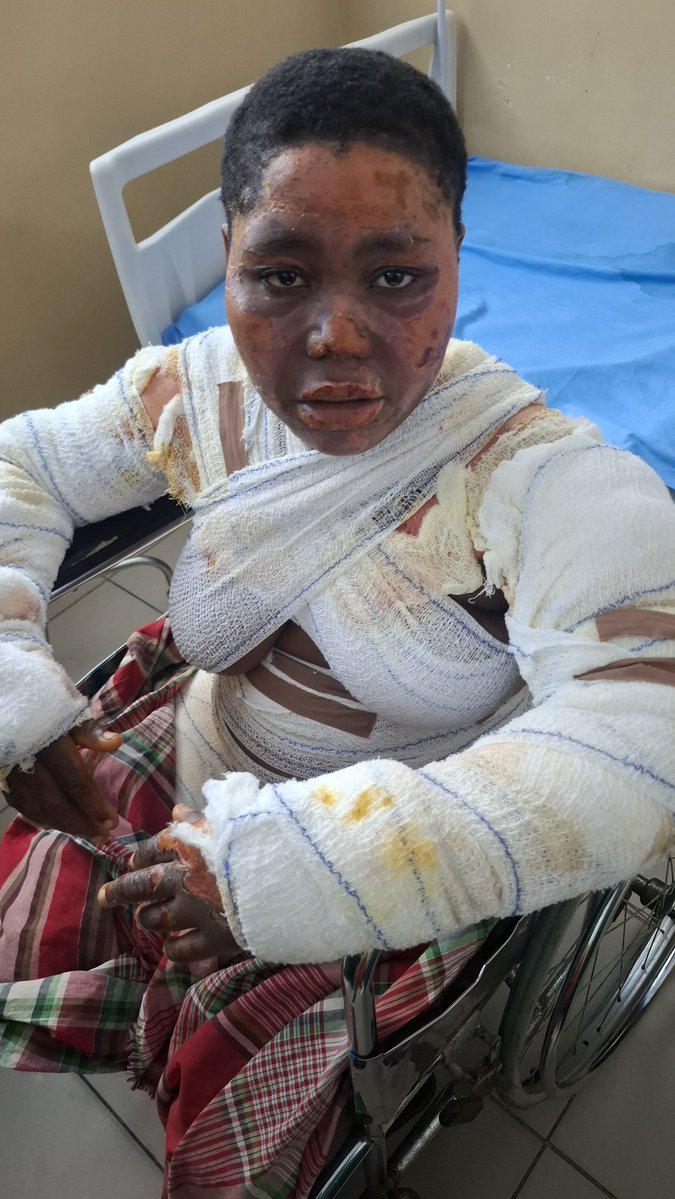
Victims of Systemic Neglect
It is a devastating reality that the Bille fire victim, who survived the initial tragedy, has lost her life, not to the flames, but to the silence and neglect of a government and her health facility.
This is not just a single failure, it is a recurring indictment of our healthcare system. How many more lives must be sacrificed to systemic apathy?
Survivors of a catastrophe should be finding healing, not fighting for basic care in the very places meant to save them.
A stream of sympathies will flow, but we need more than just sympathy. We need accountability. We need systemic reform to ensure that every life, regardless of circumstances, is treated with dignity and urgency.
Our thoughts are with the family and the community of the deceased. We must continue to demand better. Bille population must not be left to burn and die like her.
Lovers of Rivers State, Nigeria’s Niger Delta Region and Environmental Justice must quickly take every lawful action to compel accountability!
@NnimmoB@CAPPAfrica@kebetkachewomen@ERAFoEN1@SocialActionNg@centrelsd@Radec46@wtpnigeria
#HealthcareReform #Nigeria #BilleFire #JusticeForPatients #AccountabilityNow #HealthcareCrisis
FIRST-EVER SYMPOSIUM ON AFRICAN CLIMATE REPARATIONS comes to Mombasa, Kenya.
Later this month, Indigenous and frontline communities, women, youth, civil society actors, and legal experts from across the continent will convene on Kenya’s coast for the inaugural symposium on African climate reparations.
Here’s why this moment matters ↓
Nigeria ranks 2nd in acute pesticide poisoning in West Africa — Study
"A new study has shown that about 69 per cent of farmers and farm workers in Nigeria are exposed to and affected by Unintentional Acute Pesticide Poisoning (UAPP) every year.
https://t.co/gjsX1GOMjy
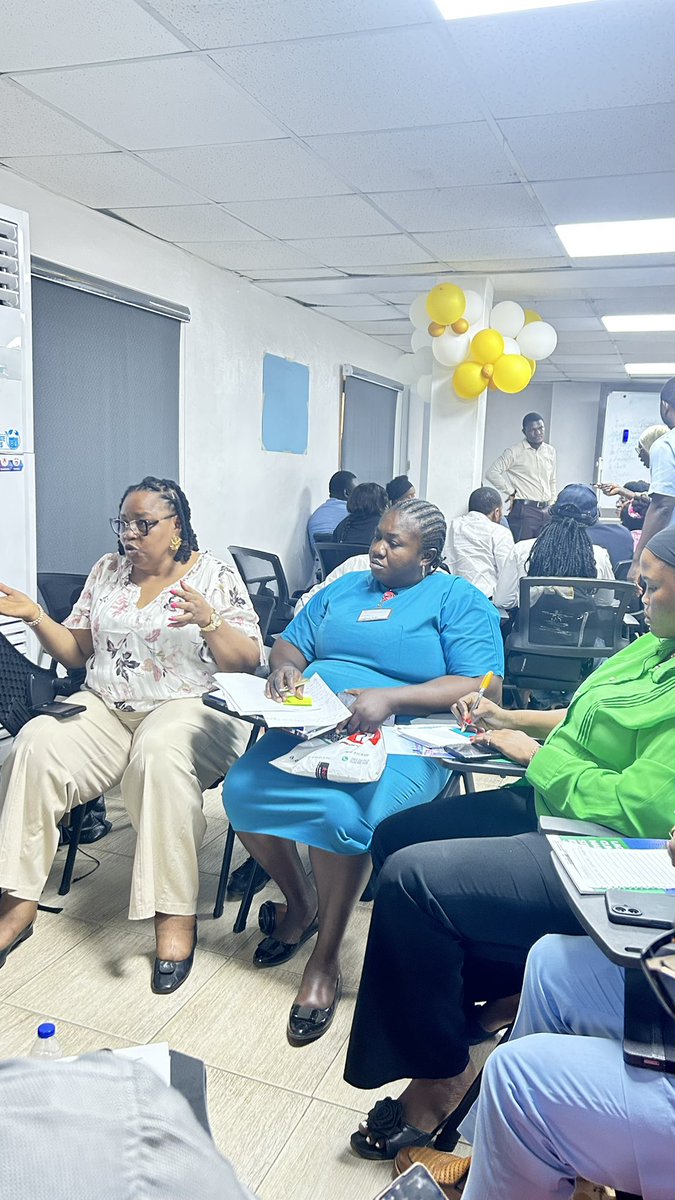
Earlier today, I joined the Lagos State Government, private sector, and Civil Society Organisations to review the implementation of the Lagos State Climate Action Plan (#CAP) 2020–2025 and contribute to discussions on its revision. The workshop provided an important platform for stakeholders to reflect on progress, identify gaps, and ensure that the revised #CAP responds effectively to the evolving climate realities and development priorities of Lagos State.
In my role, I focused on helping to shape a practical and inclusive revised Climate Action Plan, particularly by examining what each sector can do to strengthen climate resilience across the state. I emphasised the importance of clear sector-specific responsibilities, stronger coordination among government agencies and stakeholders, and ensuring that climate action translates into practical solutions that protect communities, strengthen livelihoods, and support sustainable economic development.
The revision of the #CAP is an opportunity to move from commitments to coordinated, measurable and locally relevant climate action. I am pleased to contribute to this process and support efforts to build a more resilient Lagos where government, businesses, civil society, and communities all have clearly defined roles in responding to climate change.
#LagosClimateAction #ClimateResilience #ClimateLeadership
Cohort 3 of the Junior Rights Academy is a wrap!
Kids learned about rights, values & climate action. From waste-sorting art to visits to Drill Ranch and a mangrove site.
We remain committed to empowering young minds to know their rights, protect the environment & create change.
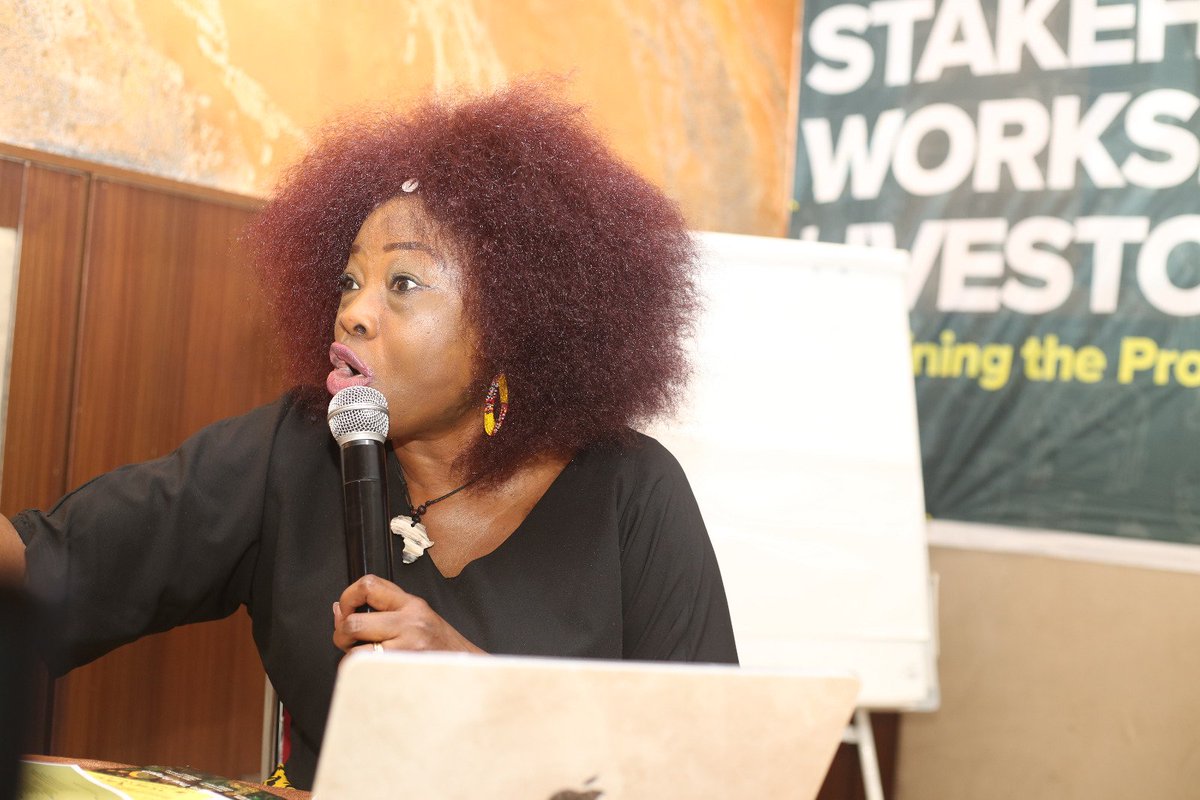
The stakeholders’ workshop on industrial animal farming was a success!
With incredible turnout and deep engagement, we have taken a major step toward demanding better policy regulation and oversight for Nigeria’s food systems. Thank you to all who joined us in analysing the realities of large-scale investments like the JBS project.
The path to #FoodJustice and #FoodSovereignty requires collective action. Stay tuned for our recommendations on creating a more sovereign food future for Nigeria.
#HungerPolitics
#PolicyChange
#HOMEF